Reading

Clandestine Culinary Destination: Le Comptoir du Vin

Previous Story
Article Image

The 2025 Baltimore Book Festival

Next Story
Article Image

BmoreArt’s Picks: September 16-22

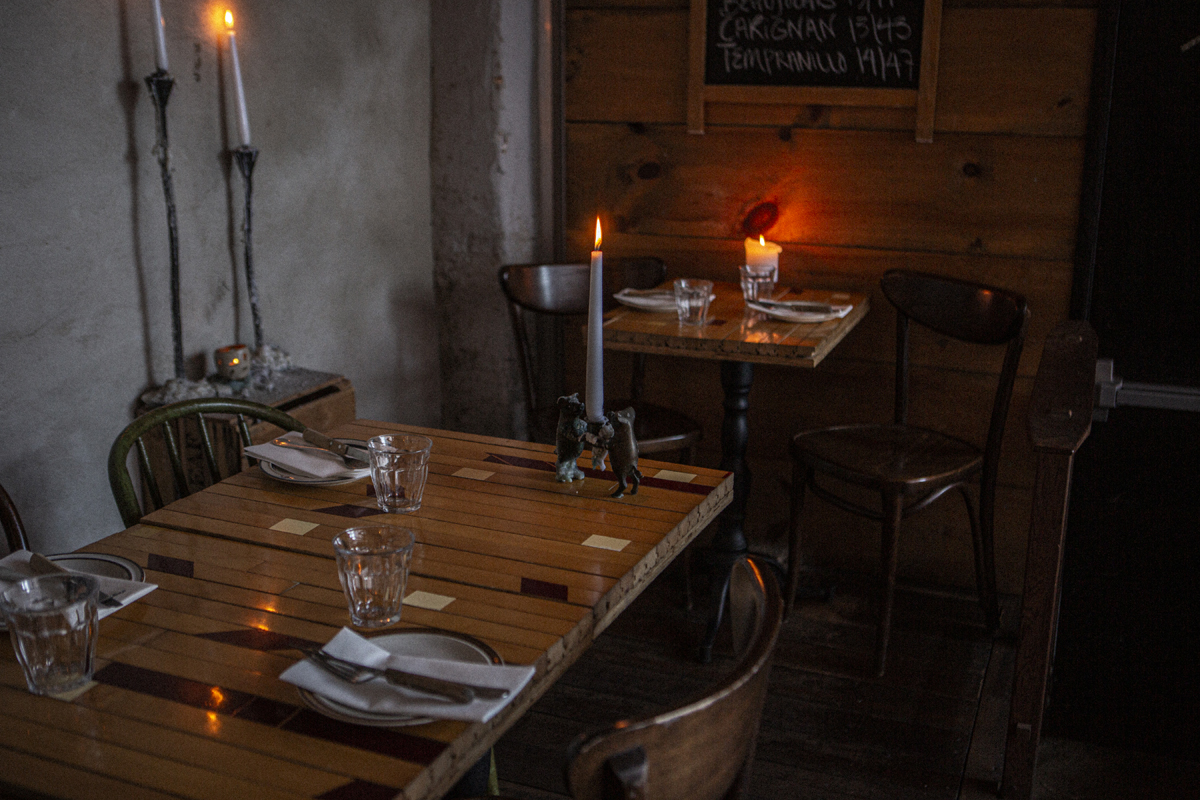
I approach an unassuming building on Maryland Avenue near sunset, an unlit lightbox hanging on the facade. As I crest the staircase, I see the sign: Le Comptoir du Vin. I celebrate having landed in the right place, having passed it once already. A handwritten sign is taped with insouciance near the door handle and reads, “Wed → Sat.” No hours posted. I pull open the unlocked door and enter a cozy dining room.

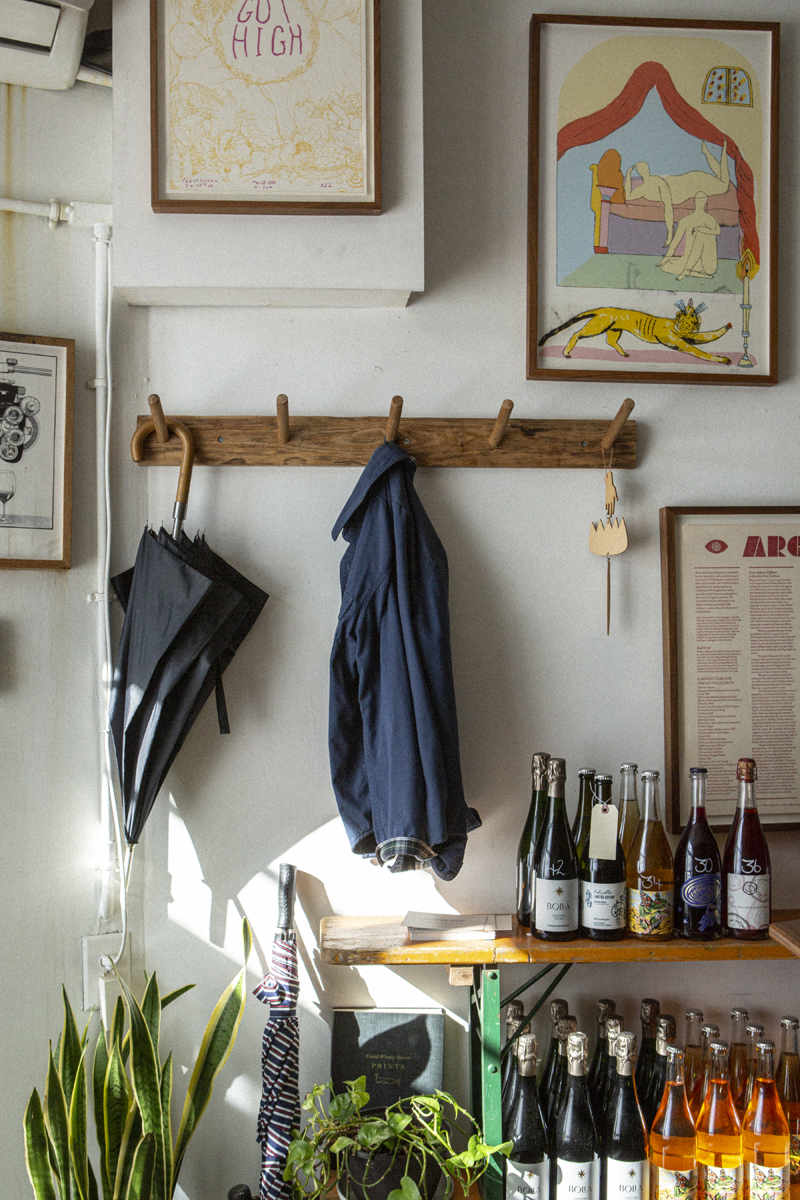
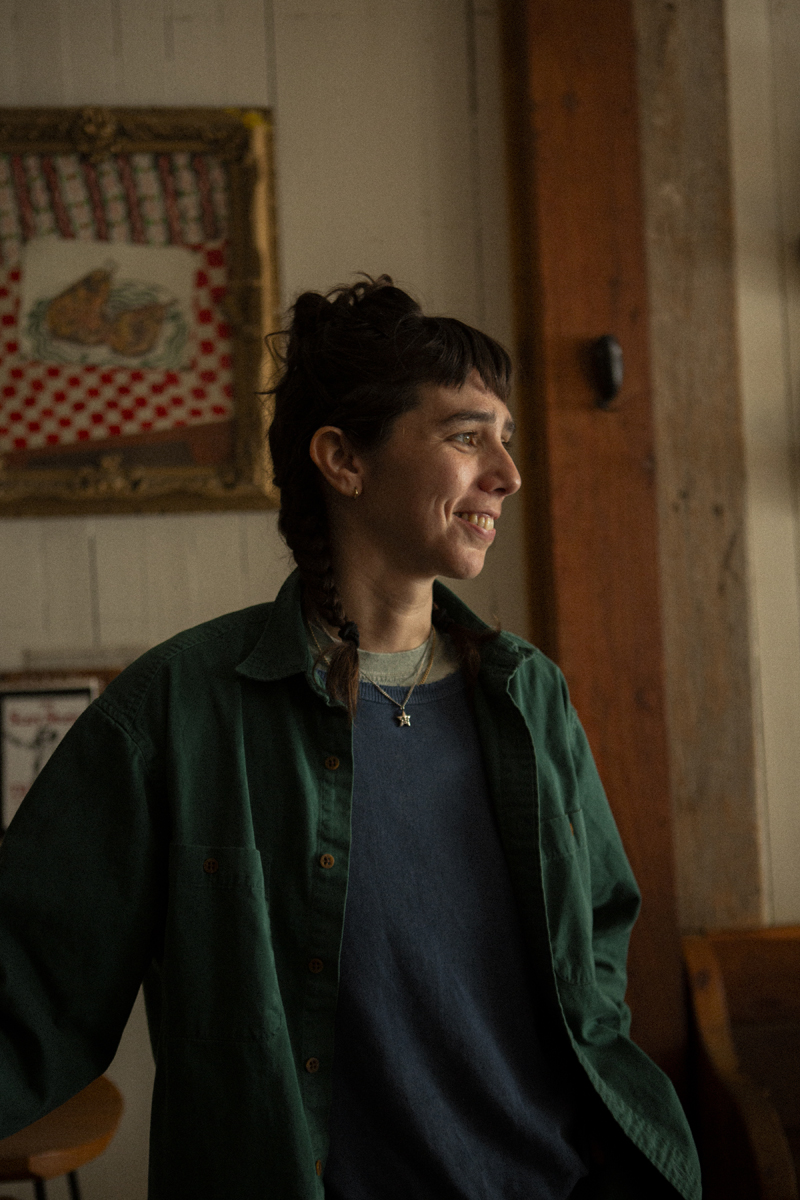
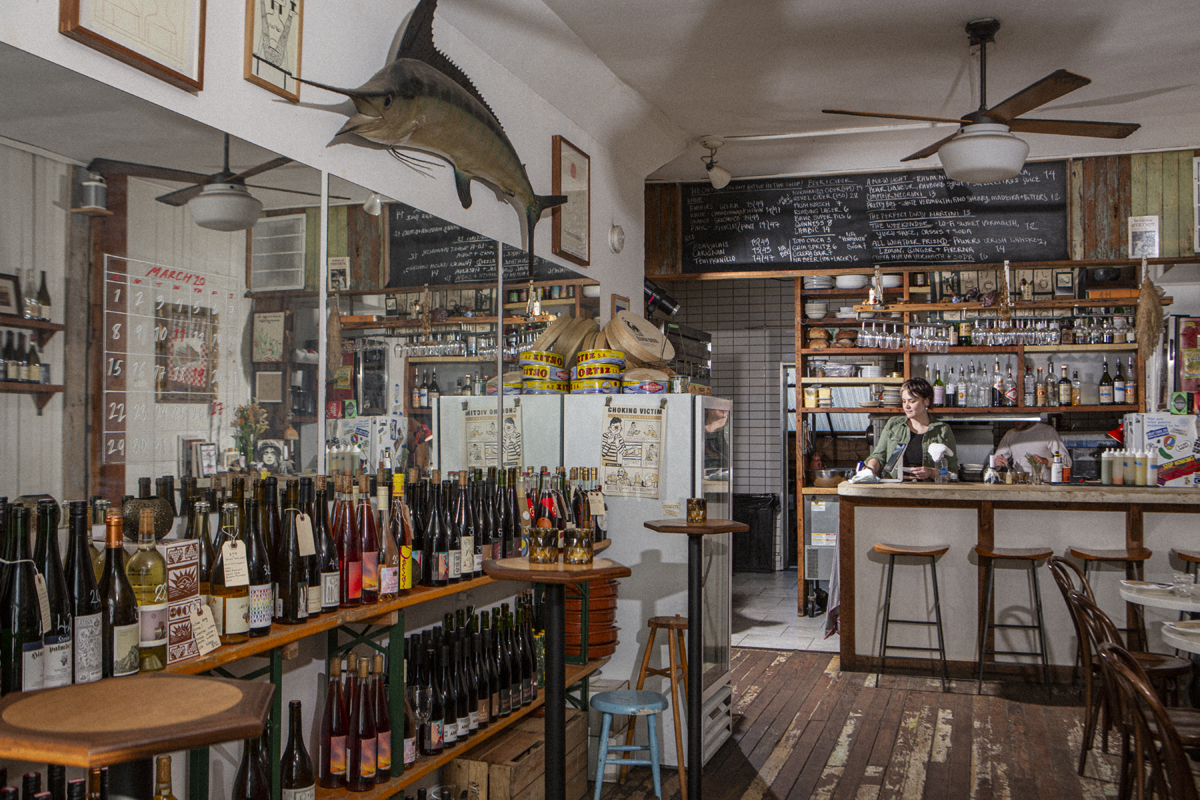
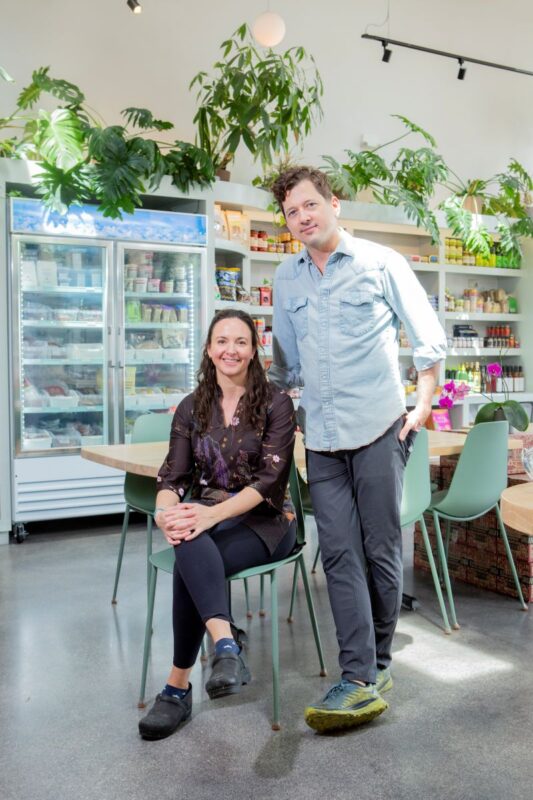
Le Comptoir du Vin, or ‘the wine counter’ in French, opened in 2018 as a natural wine bar and neighborhood bistro in Baltimore’s Station North Arts District. It immediately received national attention when it was named one of the nation’s Best New Restaurants in 2019 by Bon Appétit. However, during the pandemic, the restaurant pivoted to a wine and bottle shop, a dry goods pantry, and a sandwich shop before eventually returning to its first iteration. Six years in, owner-operator Rosemary Liss and her business partner/chef Will Mester have landed firmly back on their feet. The highly-celebrated, Eurocentric restaurant and wine bar is reclaiming its identity, and cementing its place in Baltimore’s must-dine destinations, albeit still a little hidden.
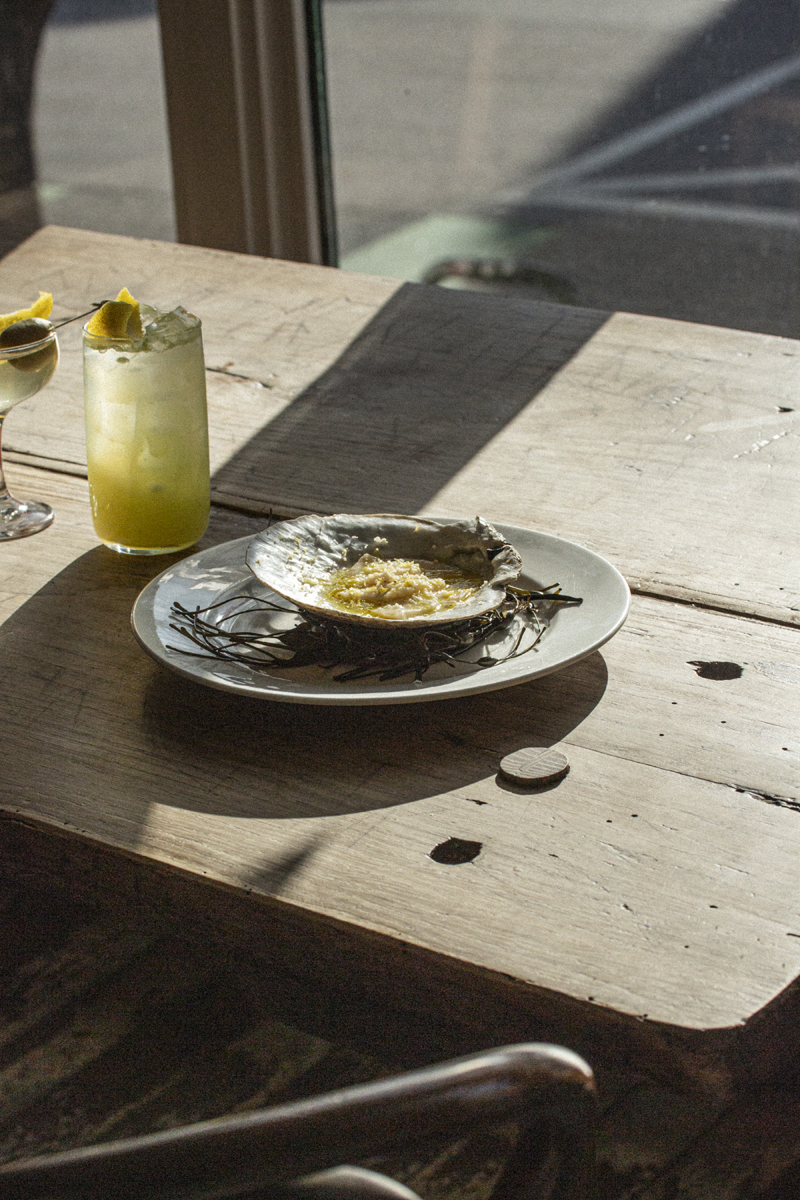
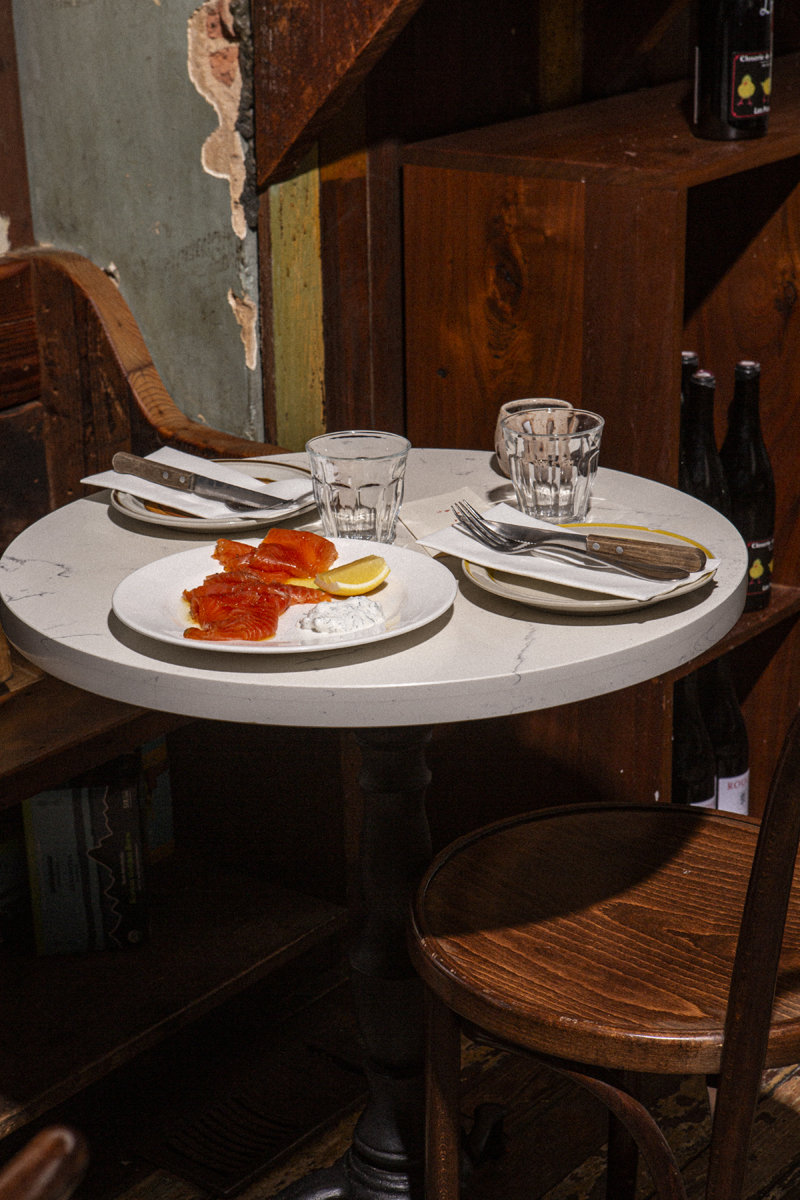
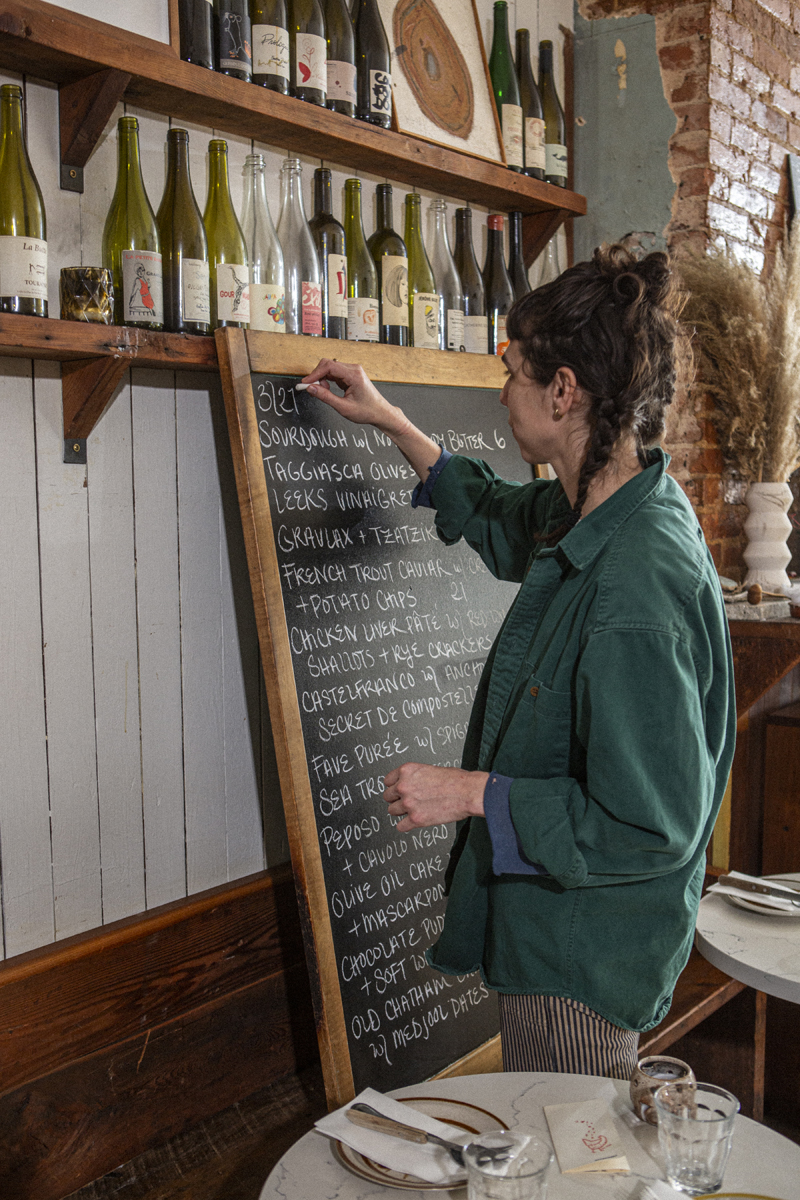
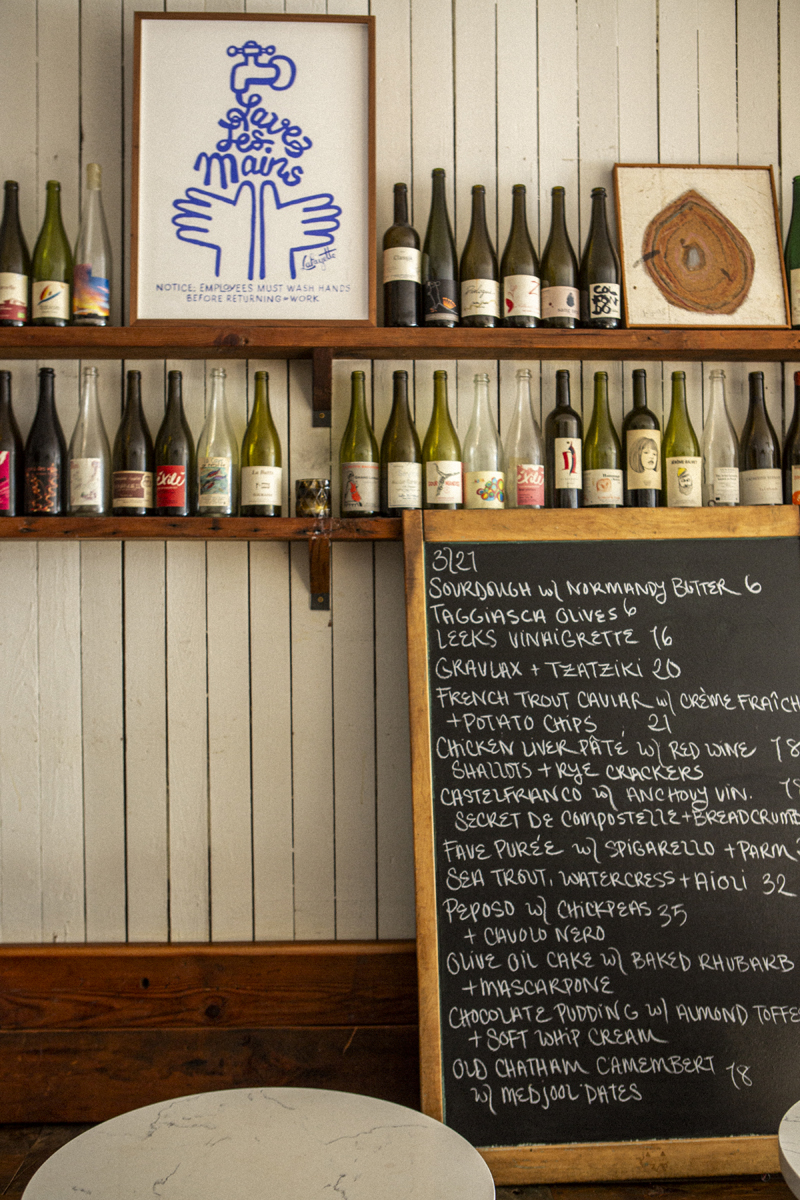
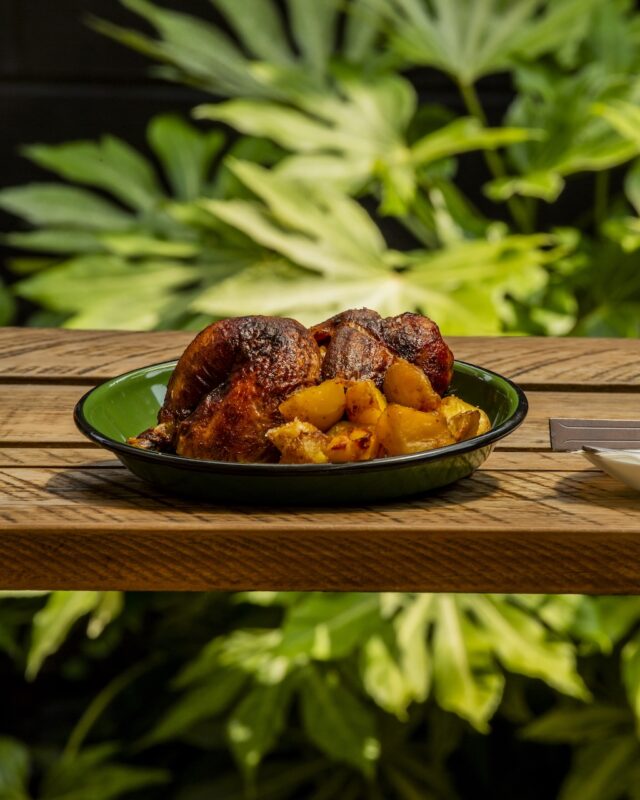
Guests can enjoy a veritable cornucopia of European plates, including the Basque-inspired Gilda. The anchovy-wrapped olive is skewered with a guindilla pepper and gives a mouthful of brine and salt with a spicy vinegar finish. A plate of rustic sourdough with Normandy butter offers a chewy crumb with extra rich and creamy butter. The Scandinavian Gravlox plate with house-cured trout, tzatziki (labneh, dill, and cucumber) brightens the taste buds.

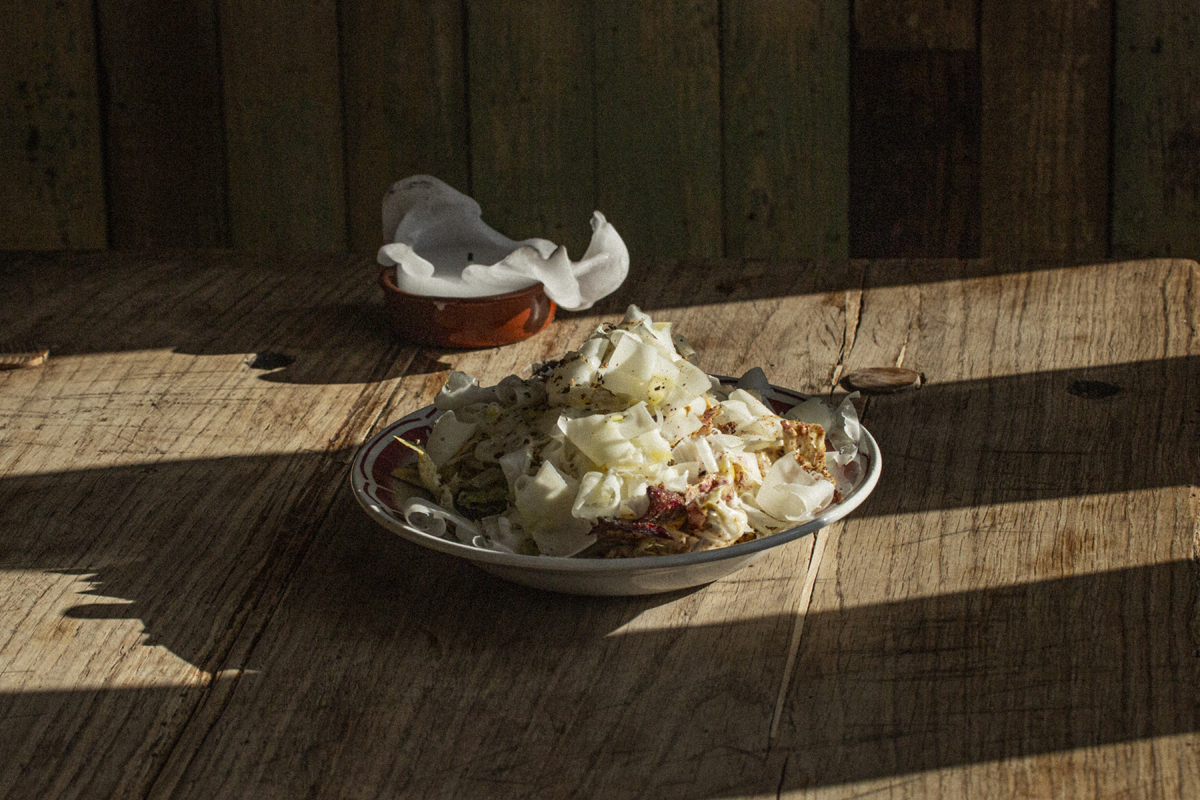
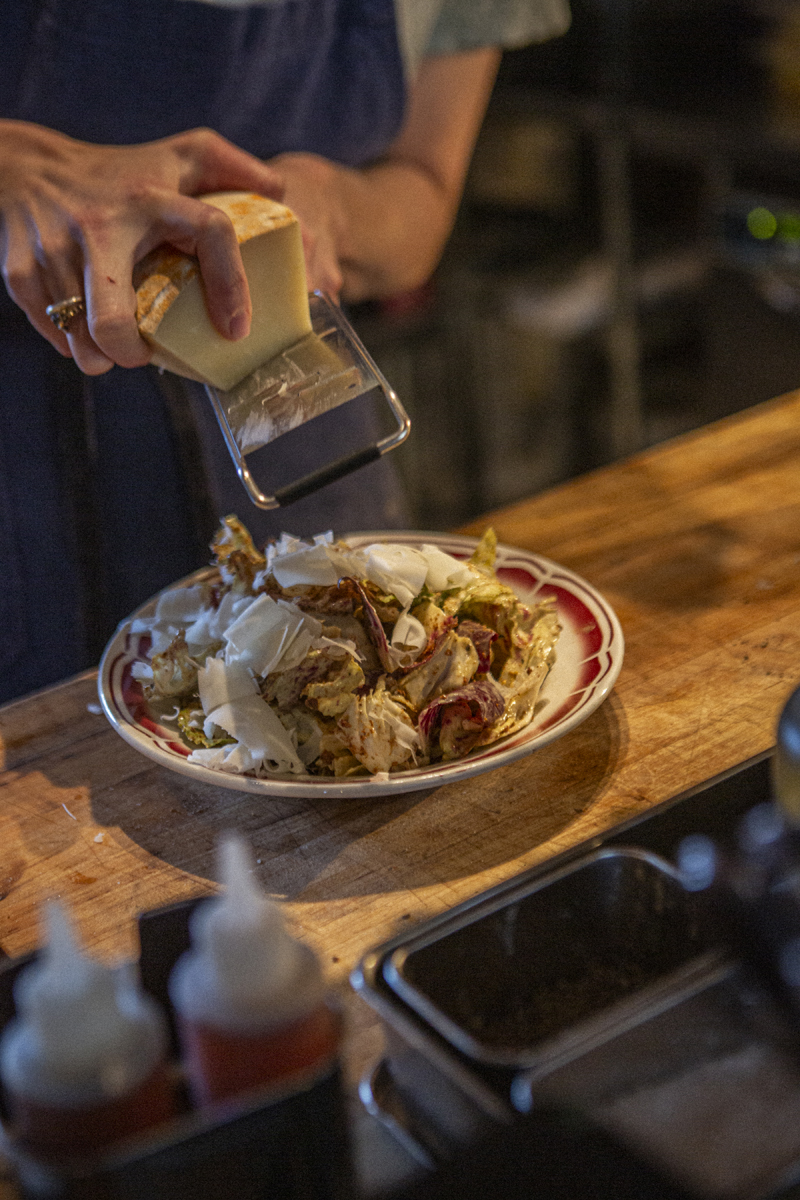
The Castelfranco Caesar Salad with Anchovy Vinaigrette is a must-try. This bitter Caesar salad is made with radicchio and accompanied by long pulls of creamy raw Basque cheese. The sheep’s milk cheese, bitter greens, crispy butter bread crumbs, and anchovy vinaigrette make every bite a full-palate experience.

There's been a lot of evolution in the different things we've had on the menu, but always going back to country cooking, really good ingredients, and often very simple plating.
Rosemary Liss

The Peposo, a Tuscan black pepper beef stew with chickpeas and cavolo nero, or Tuscan kale, is a winter delight. The bite expected from an abundance of black pepper, or peposo, is not as pronounced as you would find in cacio e pepe, but the flavor is phenomenal. The buttery texture of affordable chuck after a long wine braise elevates the economic cut of beef and it melts in the mouth. The chickpeas add an earthy component and the flash-cooked kale with vinegar and colatura (anchovy essence) offers an acidic relief on the tongue. It is hearty and vibrant.

“When we first opened, we had just come back from Japan,” Liss says. “Will is part Japanese and his mom was born in Osaka, so he was really inspired by the Japanese love affair with French cuisine and its connection to natural wine, and his background is in French cuisine with time spent in European and French inspired kitchens”

Liss’ background in fermentation and obsession with natural wine paired with Mester’s broadly European menu created an instant classic. “There’s been a lot of evolution in the different things we’ve had on the menu, but always going back to country cooking, really good ingredients, and often very simple plating. No tweezers,” Liss says.

The fermentation/natural wine education comes from years of what she calls good old-fashioned heckling. “I just kind of heckled the guys at Hex Ferments. They opened their shop in Belvedere, and I was like, ‘I want to work for you.’ I knew nothing about fermentation, and got totally obsessed,” she says. Liss holds a B.A. in studio art from Wheaton College. Her fermentation obsession and art background eventually led her to a Nordic Food Lab residency in Copenhagen.

“That [experience] introduced me to the world of natural wine,” she shares. “While I was in Copenhagen, we would go out to eat, and the somm would be pouring an orange wine and talking about how it’s biodynamic, and it was from a small vineyard and its producer was this wild man who talked about how all wines should have a song. I got obsessed,” she says frankly.

Liss ‘heckled’ a former Nordic Lab resident, Edith Salminen, who was still living in Copenhagen and growing her own grapes to learn more about natural wines. “The lab was also very male-dominated so of course I wanted to meet her,” she shares. “We got coffee and it was like we had been friends forever. She had just taken over a small vineyard and was making her own wine, and really educated me on natural wine and what it meant, how to spot it, how to drink it, and the whole fermentation process.”

Liss’ residency at the Nordic Food Lab and musings on fermentation manifested in a food-waste mobile and multi-color quilt made from dehydrated SCOBY (Symbiotic Culture of Bacteria and Yeast). SCOBY mothers are a rubbery pancake of biomass and living cultures that are vital for fermentation in making kombucha. Liss says she was inspired by the anthropocene and the ways humans, fungi, and creatures live together. Each piece holds significance in the food/ mind/ body experience.

In her thesis statement from the residency, Liss explains, “I created pieces like stained glass from ombré-hued kombucha mothers of rhubarb, cascara, and elderflower. I laminated the dehydrated membranes then pieced them into a quilt. The fibres pushed tightly against the plastic-like embossed prints. I built a frame from scrap wood… Thinking about soft sculpture and the discourse between a range of materials, I added felt corners and hung the frame with bright red thread.”

She continues, “Building these sculptures brought up questions about the importance of aesthetics when it comes to the complete sensory experience. The non-edible aspects of a space, a dish, or any experience not only inflect the edible but also form it. Our connection to food goes beyond taste and aroma. The senses are heightened or diminished by the visual, olfactory, and tactile.”

Our connection to food goes beyond taste and aroma. The senses are heightened or diminished by the visual, olfactory, and tactile.
Rosemary Liss

After the Nordic Food Lab residency ended Liss spent more time in Europe studying art ecology and exploring more food residencies. “I was really interested in that connection to fermentation and how this wine felt so different in my body than drinking other wine,” she says. “I got really excited about that and wanted to explore it. That became a key part of opening Comptoir,” she says. “I was looking for wine that I couldn’t find in Baltimore. I was often going to New York or DC to drink wine.”

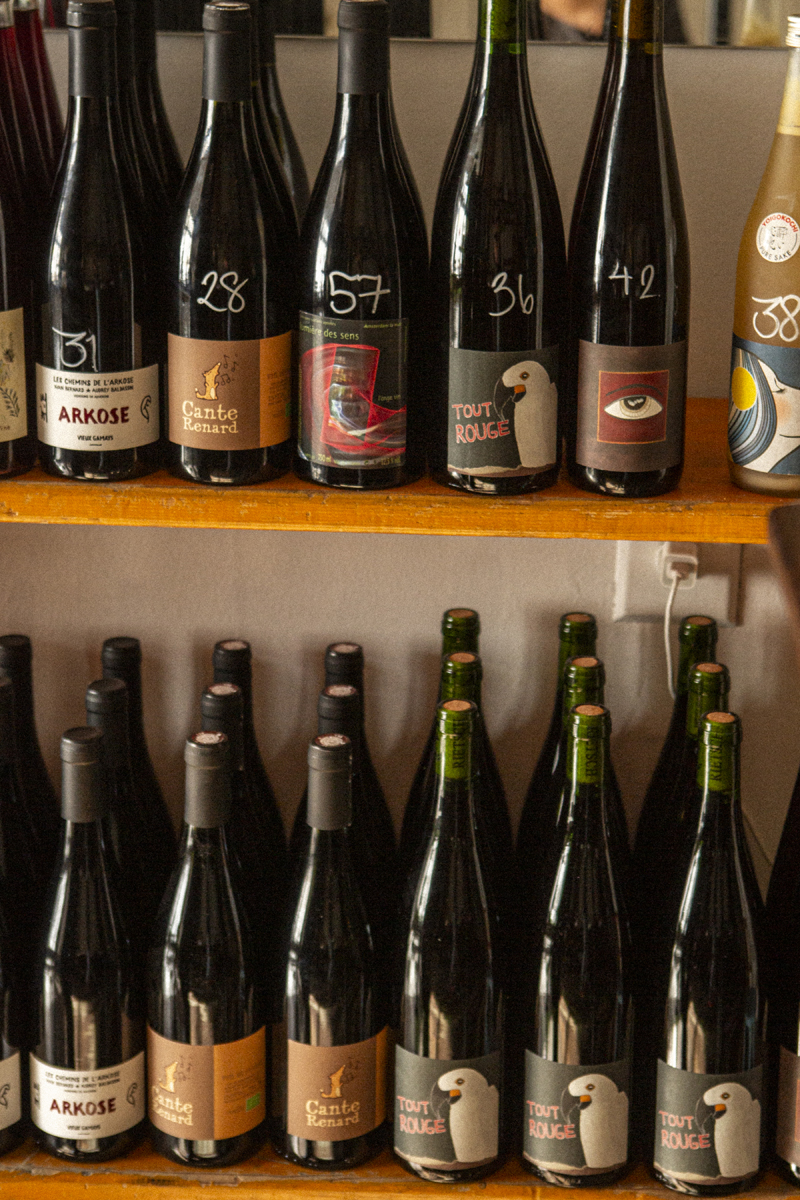
Baltimore lacked a natural wine bar until 2018 when both Faddesonnen and Le Comptoir du Vin opened. For Liss, her sourcing philosophy is not as dogmatic as some establishments. “A little sulfur isn’t problematic for me,” she says. “The big thing is no synthesized yeast,” she says. “It’s minimal intervention, native yeast and wild fermentation… Also something to think about is how the grapes are grown,” she shares. “That’s become a big component now; who’s growing those grapes, who’s picking the grapes, [and] making sure that the people that are part of all aspects of the production are treated humanely.”

There are labels for biodynamic wines and certifications for how the product is grown, harvested, and processed. Demeter, a European certification for biodynamic wine, is the most common in the United States. Worldwide, some wine producers are becoming B Corp certified to include more transparency on their business as a whole. B Corp certification measures a for-profit business’ social good in five areas, including workers, customers, environment, community, and governance. The push for more ethical treatment of workers in the industry is becoming more prevalent and today over 100 wineries are now B-Corp certified. Still, Liss notes, “A lot of the really wild, natural winemakers don’t have any certifications because it’s too expensive or rigid; it’s just like some small farms that offer beautiful organic produce but not the label: USDA Organic.”

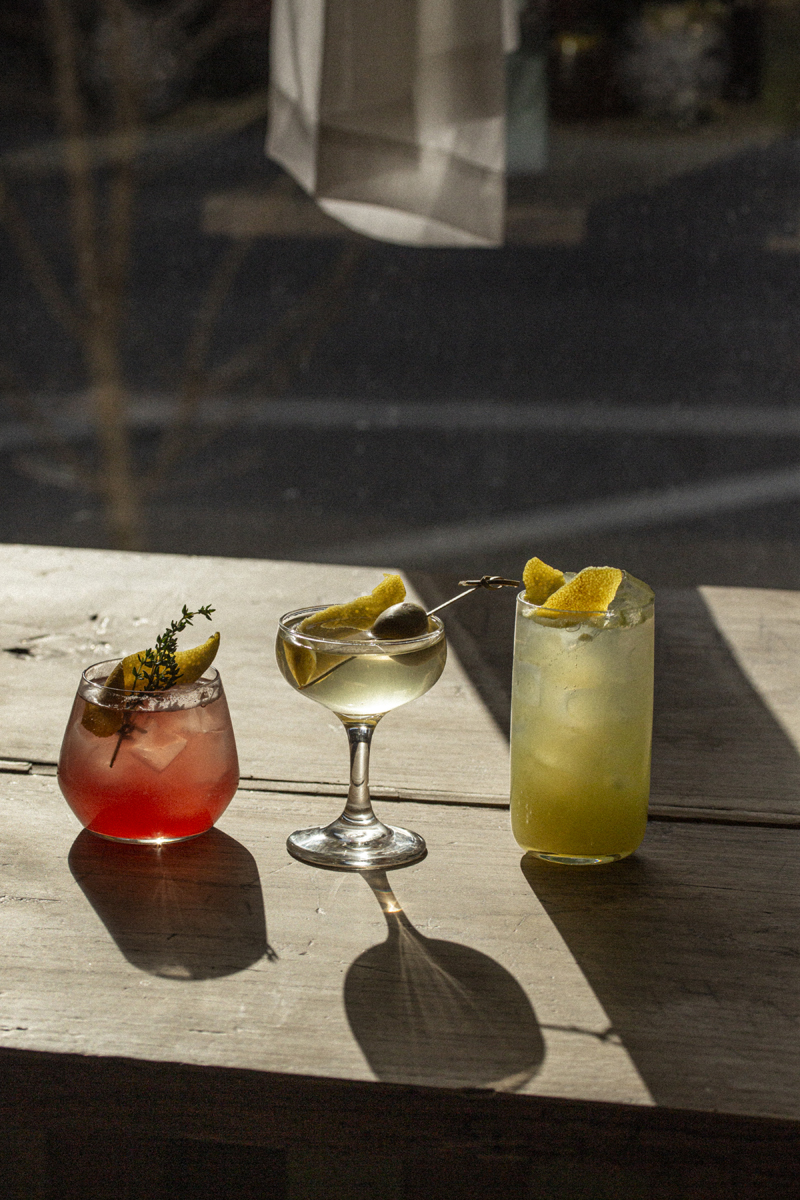
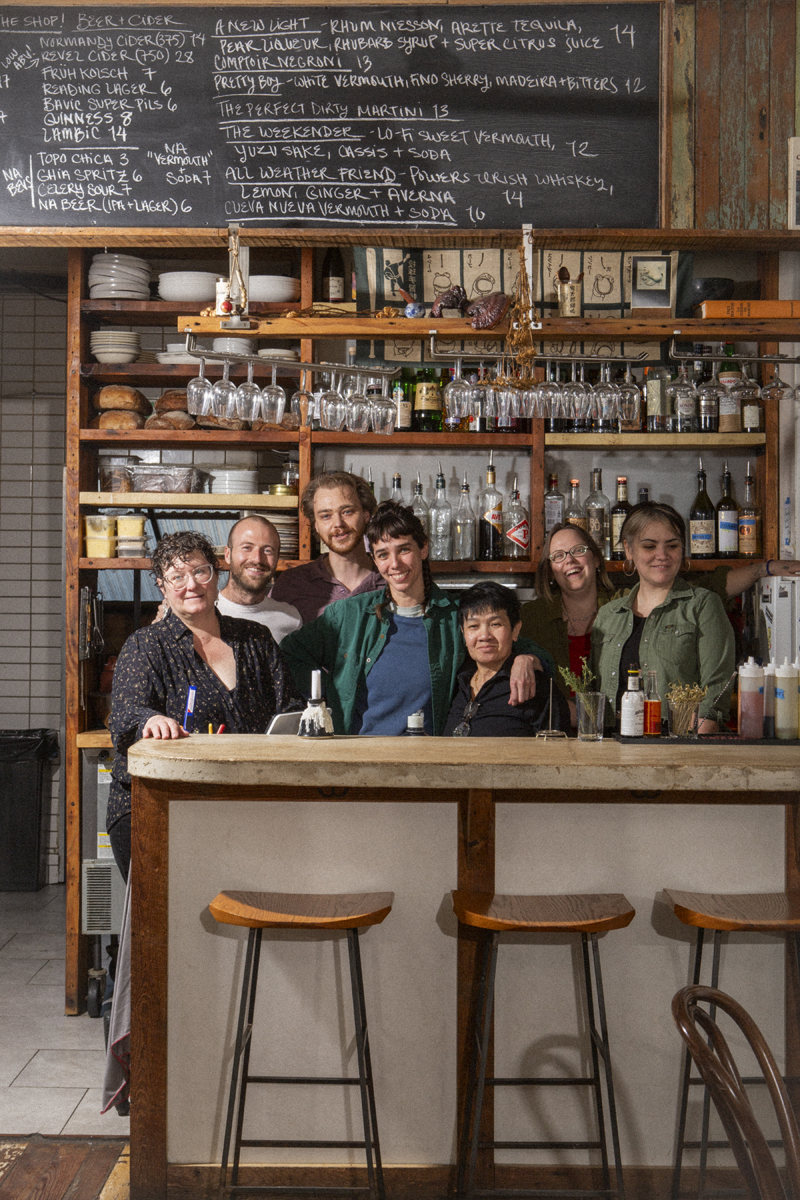
Beyond the wine, Liss is as passionate about her cocktail program. “I’m so excited that we got Anna Crooks on our team because her cocktails are so fun,” she says. “They always have poetic names, always use great ingredients, and people were ready to drink cocktails after the pandemic.”

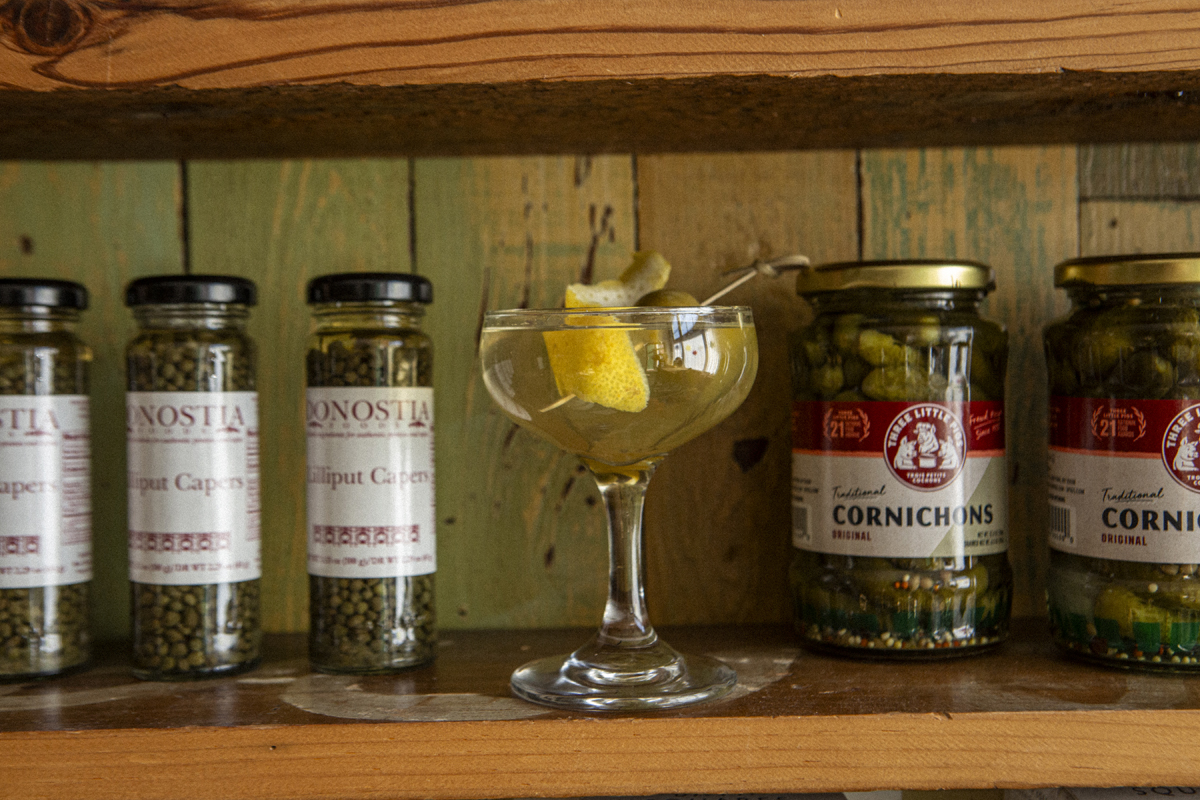
Crooks offers classic cocktails with a twist, like the Perfect Dirty Martini with aquavit (a nordic style potato based spirit infused with herbs and spices), vodka, and olive brine served with an olive and lemon twist. This sweet dill and caraway forward martini is a perfect accompaniment to the Gildas. The aromatic and herbal aquavit makes the vodka more like gin. It is a particularly wet martini and not as dirty as I would have liked for perfection, but to each their own in measurements of such matters.

Liss encourages guests to drop in. They always hold the bar and some tables for walk-ins and take reservations for groups up to 6. The Charles Theatre is just around the corner and she encourages movie-goers to walk around the block and make a night of it at the wine counter.
“We’re also trying to remind people we are a wine bar, so you can come in and just snack,” Liss says invitingly. “You don’t have to get a full meal. Come get some drinks.”

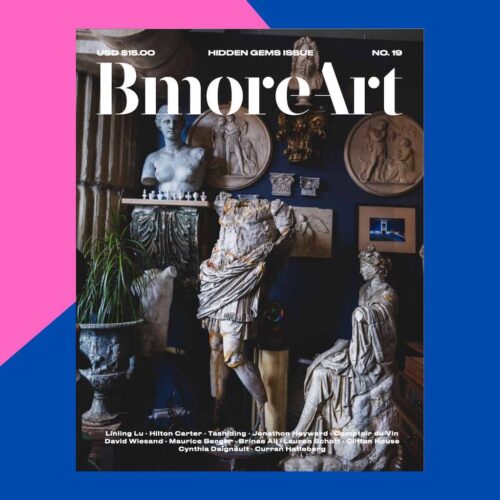
This story is from Issue 19: Hidden Gems, available here.

Related Stories
Baltimore Chef Catina Smith Joins Season 24 of Hell’s Kitchen

This fall, Chef Cat steps onto the national stage as a contestant on Season 24 of Hell’s Kitchen. We spoke about her journey, the pressures of reality TV, and the deep roots of Baltimore that shape everything she does.

Sicilian Bakery in Remington 'Doubles' as a New York-Style Pizza Joint

The pursuit of the perfect dough is a holy pilgrimage that every serious pizza establishment must embark on.

German and Polish Food Traditions Flourish at Chachi's

Step into the kitchen at Chachi’s at Fadensonnen and it won’t feel like a rotisserie chicken restaurant as much as an ode to the craft of cooking.

Award-winning Fermenters Invite the Curious to Market, Bar, and Tasting Room in Govans

In 2022, Meaghan and Shane Carpenter opened Hex Superette in the front of their manufacturing facility on York Road. The sun-drenched dining room overlooks the grocery store.