Reading

Chicken Math, Perfect Perogis, and Elevated Vegetables

Previous Story
Article Image

BmoreArt’s Picks: July 8-14

Next Story
Article Image

Guerrilla Girls: “Making Trouble” at [...]

Hand-rolled pierogies, fermented habanero hot sauce with ginger, and warmly toasted spices for a housemade za’atar are just some of the bespoke offerings found at this Old Goucher hidden gem. Step into the kitchen at Chachi’s and it won’t feel like a rotisserie chicken restaurant as much as an ode to the craft of cooking.

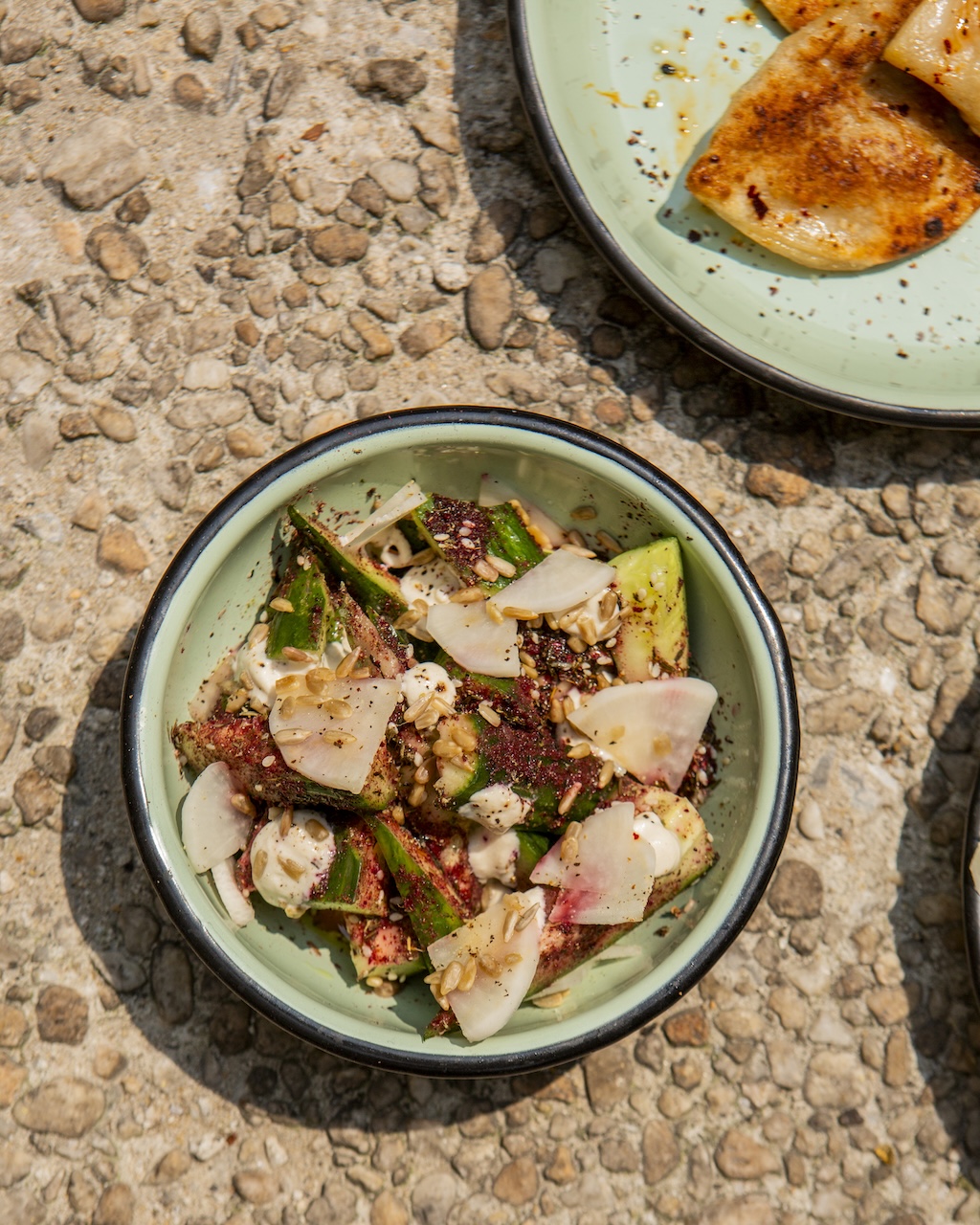
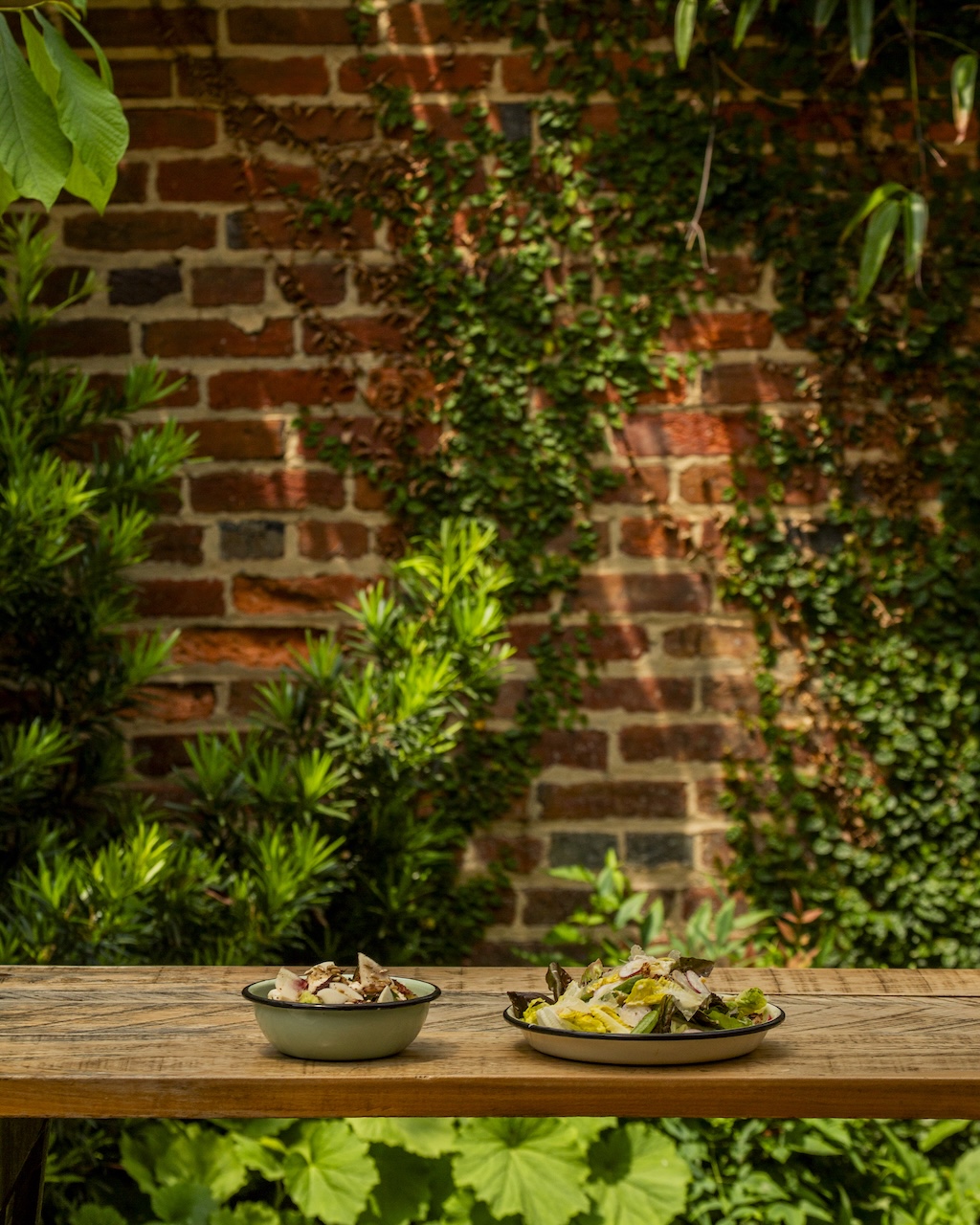
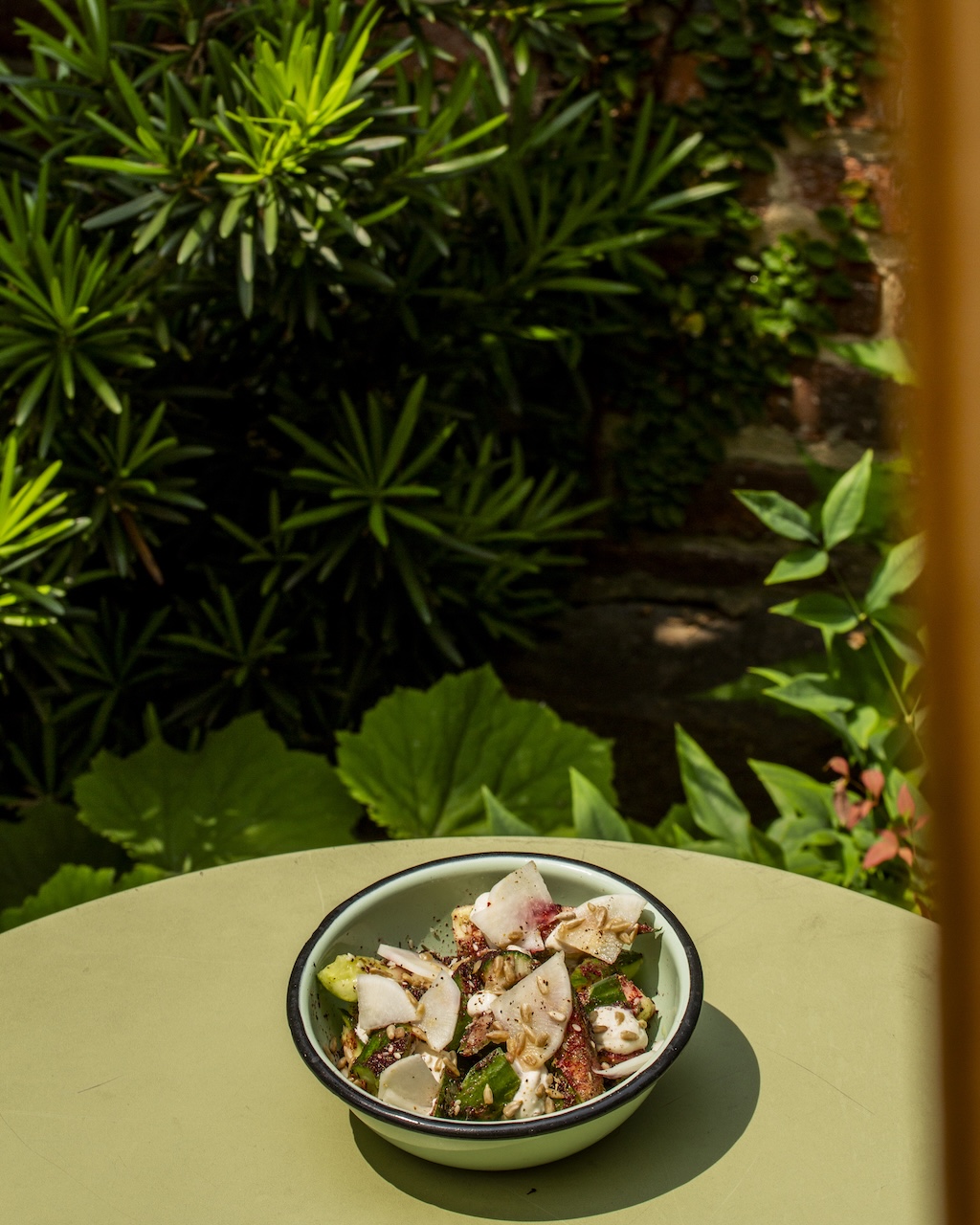
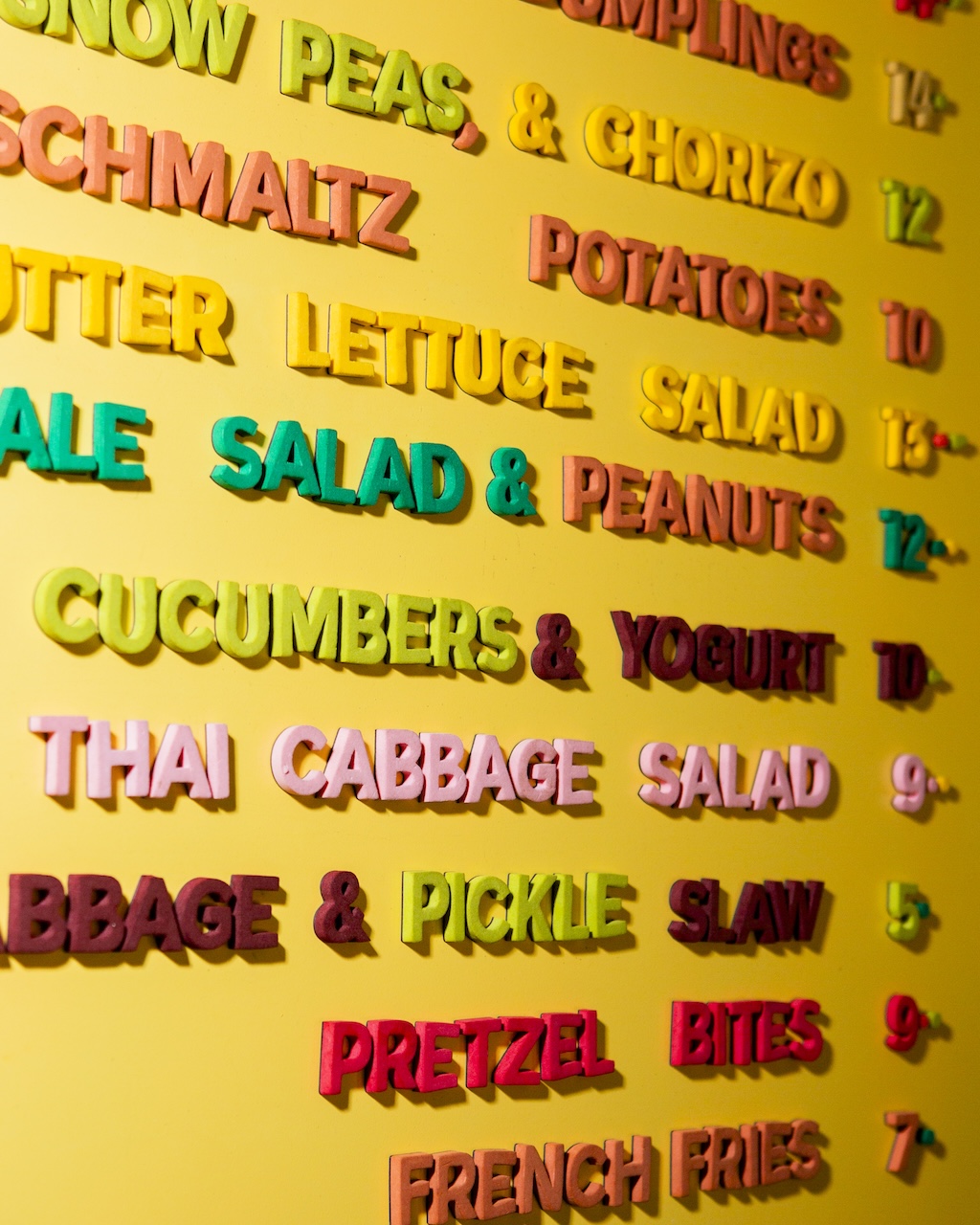
The simple menu orbits around their signature rotisserie chicken, but look closely and you’ll find that most dishes at Chachi’s are vegetarian or vegan. Seasonal vegetables adorn the menu in simple yet elevated ways. Kale salad with crushed peanuts, carrots, onions, and ginger eats so clean and refreshing, it feels like a Master Cleanse. Cucumber salad with smashed cucumbers in lemon juice, shallots, sesame, and tamari, topped with their fresh za’atar is a flavor bomb. The accouterments dance around the mouth in a savory and acidic strut while the cucumber shines through in a pure, clean bite.

On one visit this winter, I had the most delicious iteration of a beet dish I’ve ever tasted: savory sweet beets covered in a tahini sauce with za’atar and sunflower seeds for texture. Gather your vegetarian friends and bring them to this chicken restaurant asap. Vegetables have never tasted so good as they do at Chachi’s.
Gather your vegetarian friends and bring them to this chicken restaurant asap. Vegetables have never tasted so good as they do at Chachi’s.
Nani Ferreira-Mathews

“When Karl was at the CIA, he was in charge of the garden program, and we were both really into gardening, and potentially farming at points,” says co-owner Stephanie aka Chachi. “I was a produce manager at Mom’s and we love eating vegetables. The majority of our menu is vegetarian or vegan, or can be made vegan,” she says.

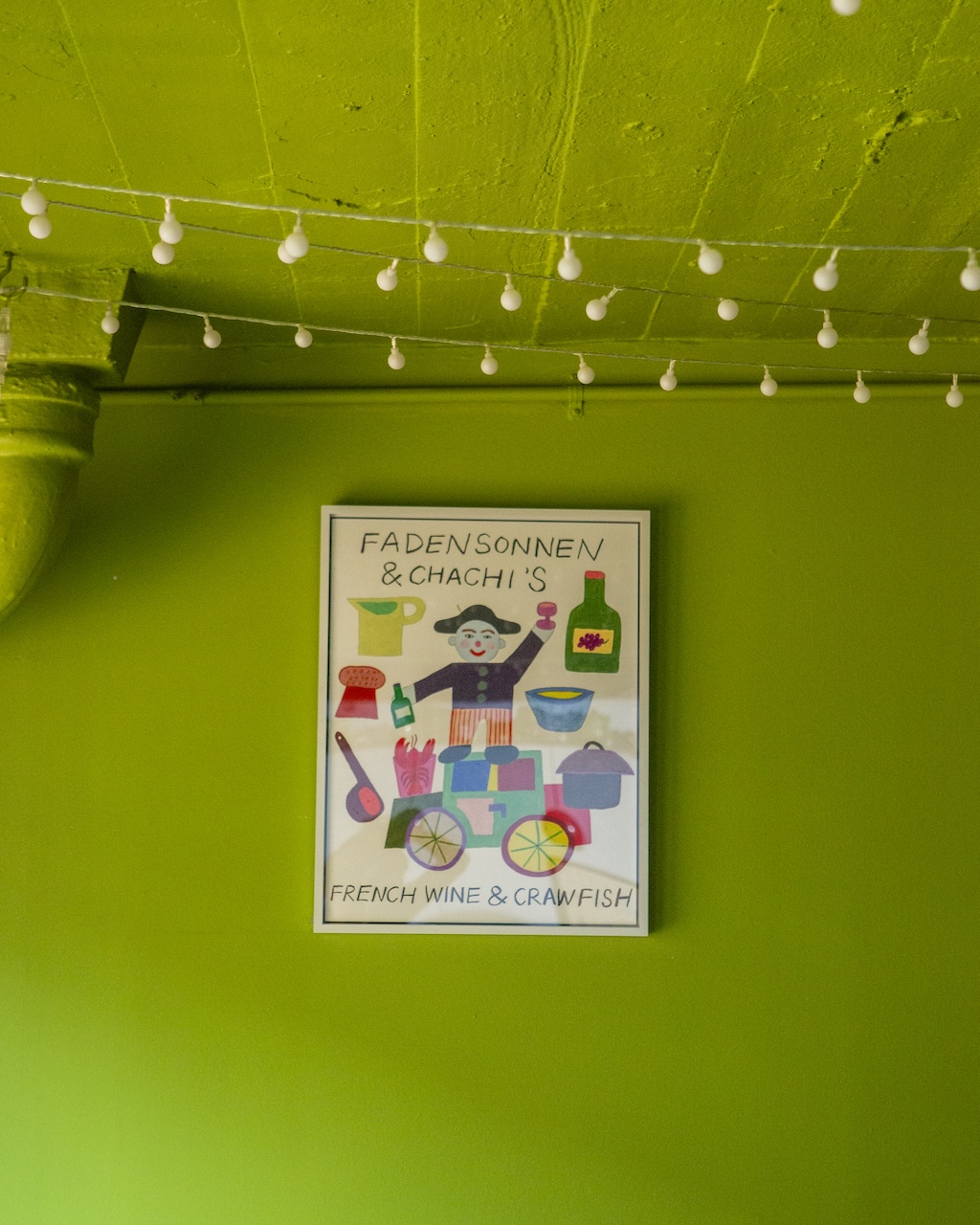
Karl, former head chef at Dylan’s Oyster Bar, and partner Stephanie opened Chachi’s in 2022 in the former Larder space within the beer garden complex of Fadensonnen. Over the three years it’s been open, the original four menu items have evolved, while the expansion of seasonal vegetable dishes has allowed for more variety. The couple draws from their European roots—German and Polish—as much as their Maryland upbringing.

Both have familial ties to Dundalk, a community east of the city that is often the punchline of a joke or referred to as the “Florida of Baltimore.” The working-class neighborhood saw an influx of Polish and German immigrants post WWI as many flocked to work in the prosperous steel industry. Further migration from Appalachia for job opportunities with Bethlehem Steel Company concentrated the Black community in the Dundalk enclave Turner Station. The unincorporated suburbs remain mostly segregated today.

“It was a huge Polish neighborhood for a very long time,” Stephanie says. “When my Babu, [great-grandmother], was there raising my grandmother, it was an open farm area with [dairy] cows…I was at her house in Dundalk, and it looked like Dundalk now [and I thought] she’s making all this up.”

The couple’s European heritage shows up on the menu in two delightful, full belly warming dishes.

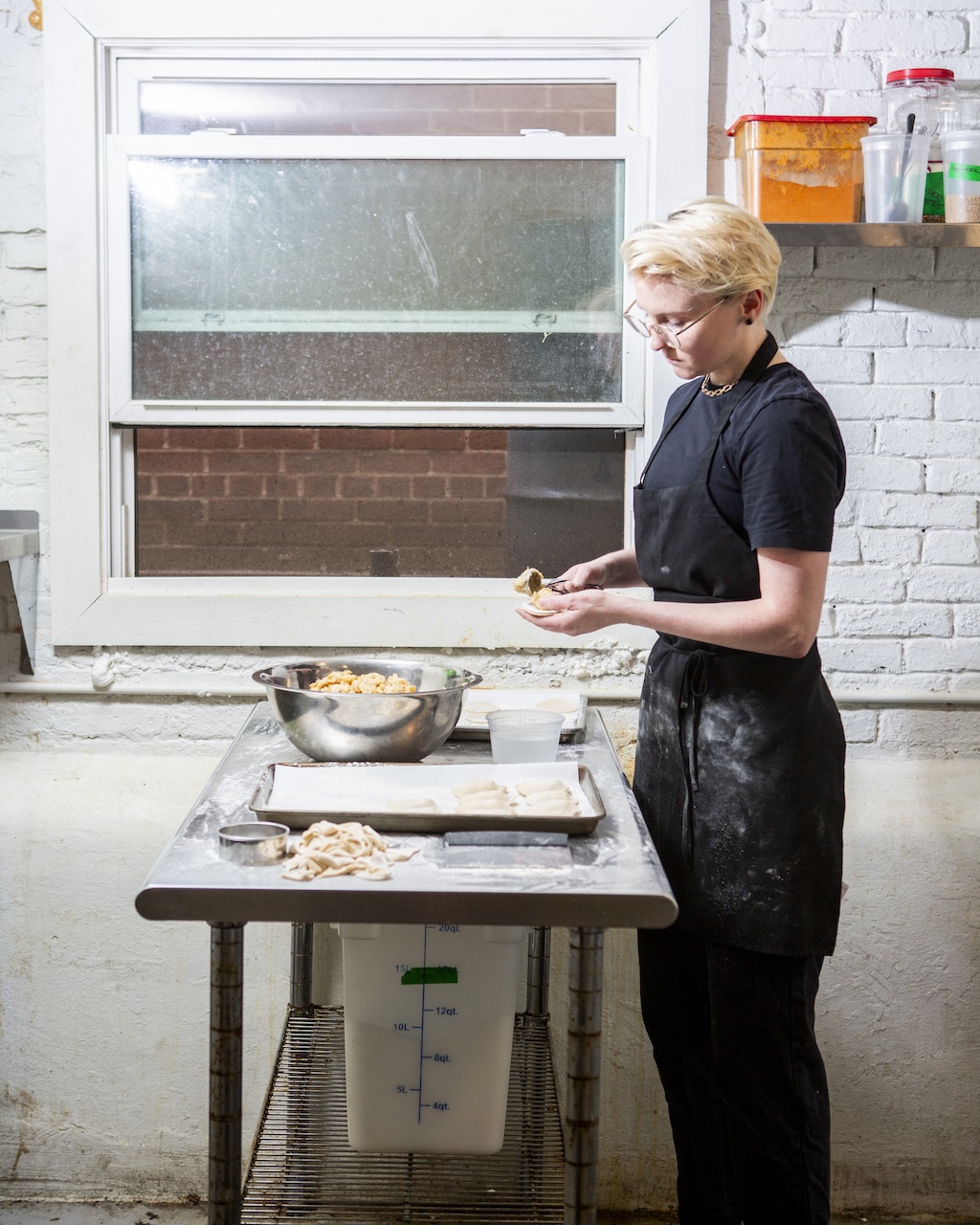
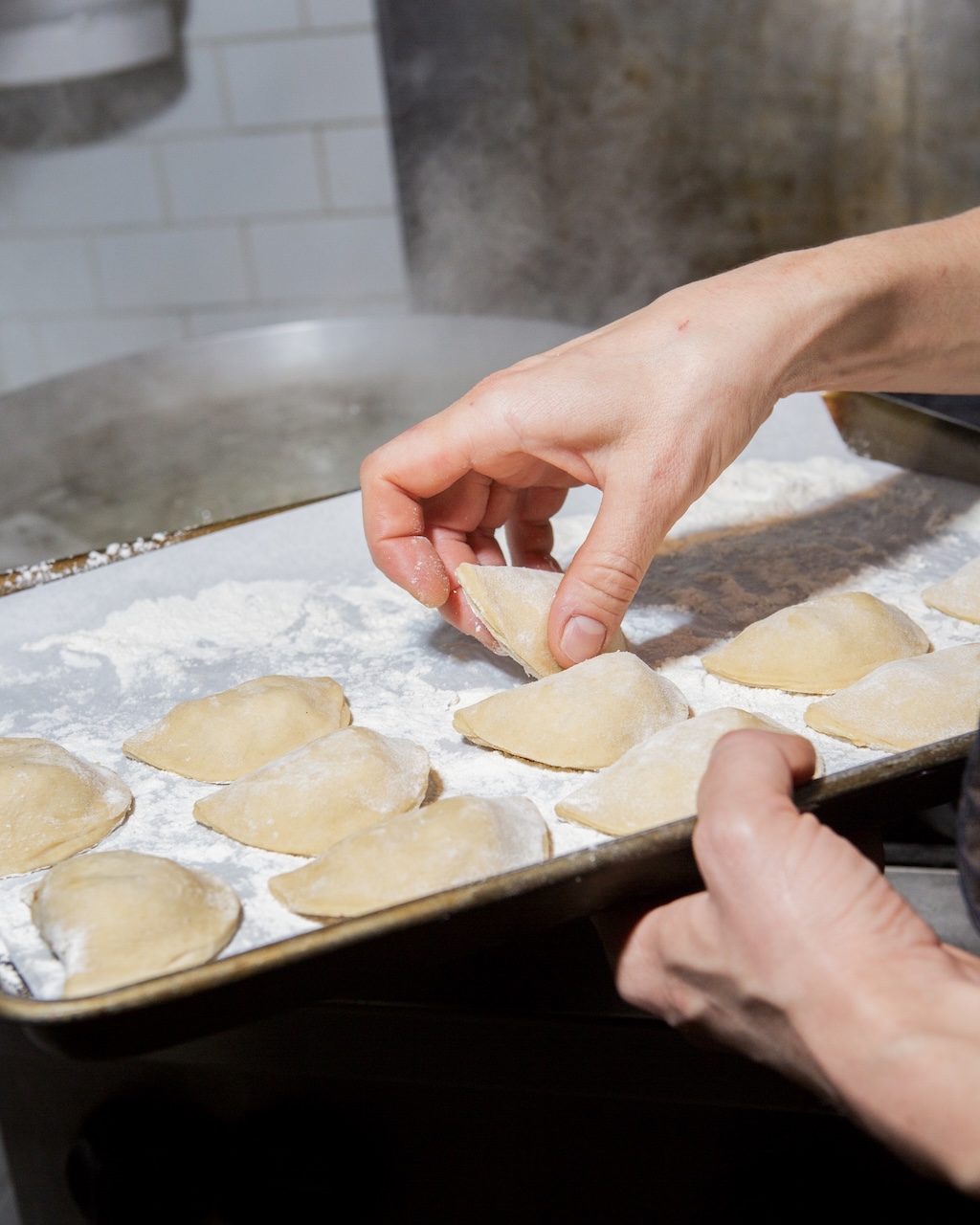
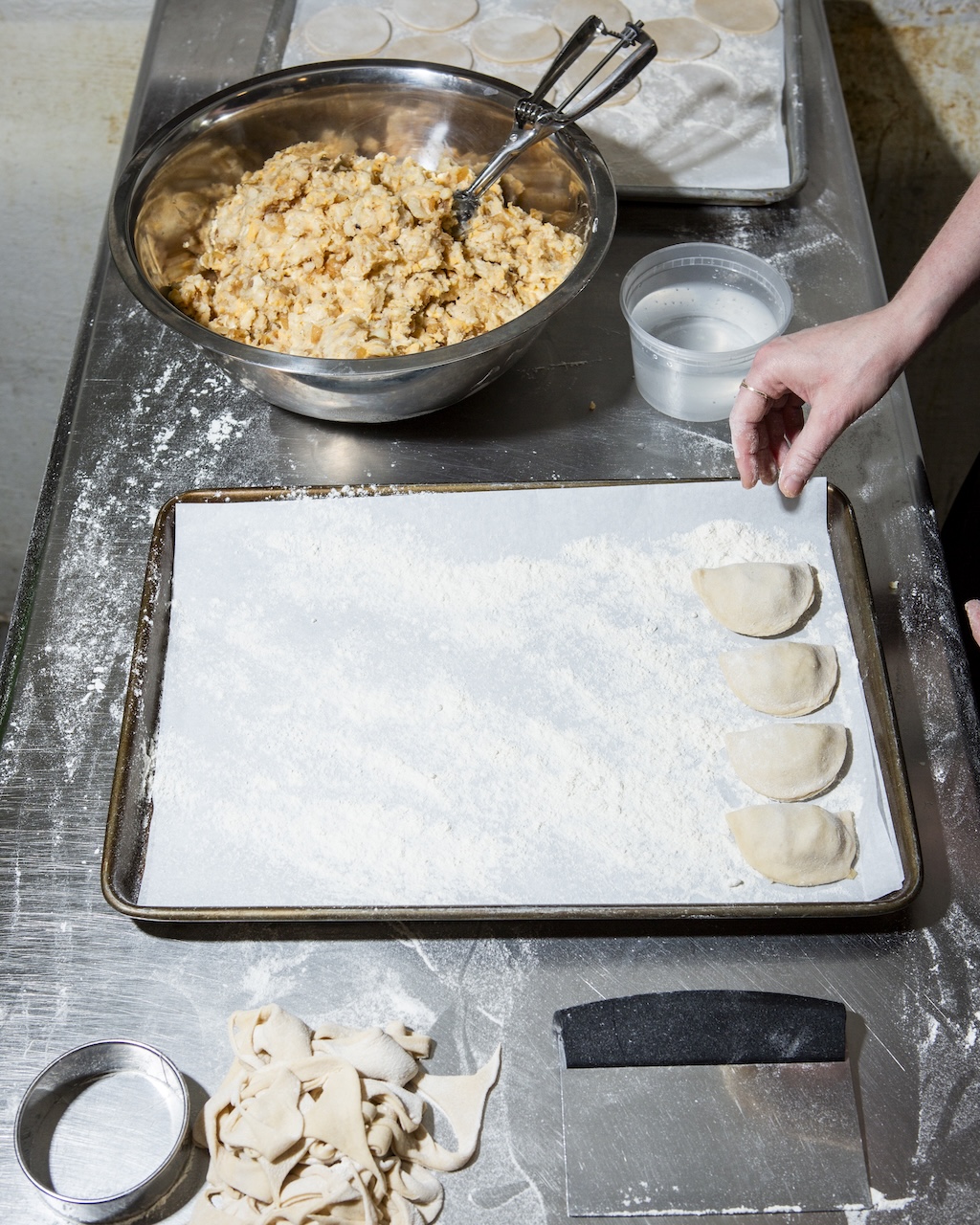
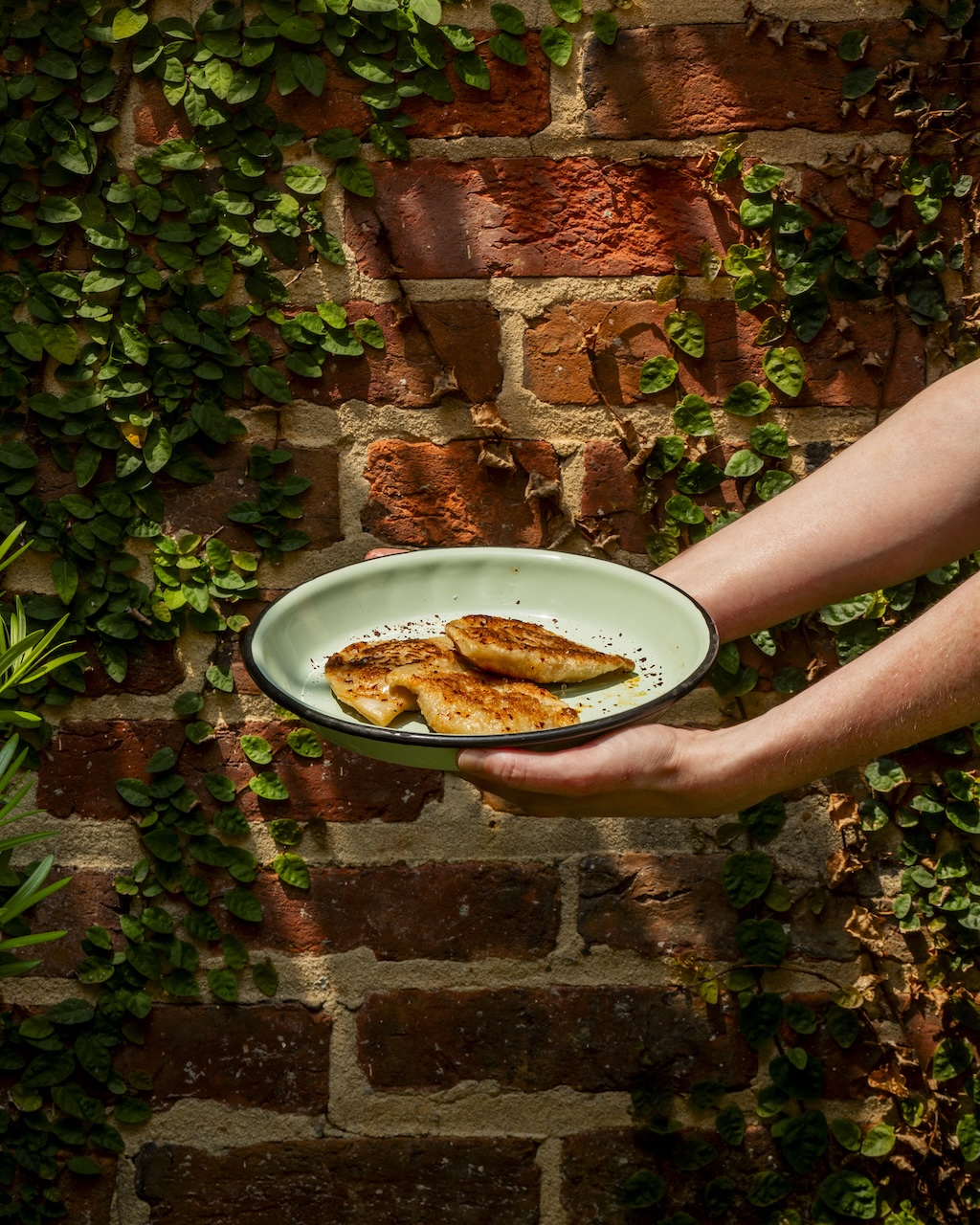
Polish hand-rolled pierogies filled with cheese, potato, and onion are cooked to perfection and served over a slaw of your choice, either savory caraway butter cabbage or a tangy cabbage and pickle slaw. The tender dough is kneaded, rested, and rolled out with a dowel until the gluten relaxes into a velvet vessel for the smooth cheesy potato filling.

“We sell out of the pierogi a lot, but it’s because we make it by hand from start to finish. One of our cooks, Stef, is rolling it out with a dowel every other day… the recipe is a mishmash of something my mom had traditionally and then Karl elevates that to be a little bit more practical here,” Stephanie says.

Bars across Baltimore serve pierogies, often frozen and disappointing. If you’re looking for an authentic pierogi experience or craving something your grandma used to make, this is a must-try. The pierogies are savory, lush, and perfect. The $14 bowl is worth every penny. Order on the days they are rolled fresh for the best quality (Tuesday and Friday). I’ve had them on the in-between days, and the dough isn’t as tender.

Karl taps into his German heritage with a German-style potato dumpling, served with garlic ricotta, preserved lemon and sherry glaze. This hearty and filling dish is available on Sundays and Tuesdays. When he’s not in the kitchen, you can find him  out at the farmer’s markets every week looking for the best and freshest local produce. The menu changes daily to accommodate the produce coming in the kitchen.

“The seasonal produce stuff is really fun for us, but sometimes I worry that it doesn’t always translate super well, because it’s just new dishes every day,” Stephanie shares. She tells a story of an Annapolis-based guest who recently returned for an asparagus dish, but with the changing menu, it was not available. “It’s not fun to disappoint someone,” she laments. While the menu changes daily, there are constants too, like the kale salad (a green available year-round), and of course, the chicken.

The ubiquity of the rotisserie chicken in the American grocery store, paired with its everyday low price, can bring a dinner together like magic while simultaneously making the protein feel cheap, overused and overcooked. Grocery stores use kitschy sales slogans on their rotisserie chicken deals, like Five Buck Cluck, to lure customers into the stores in an attempt to get them to spend more.

Costco has kept its rotisserie chicken price steady at $4.99 since 2009, reporting over 130 million birds sold annually. These loss leaders attract customers into the big box store and entice them to spend. Costco’s CFO reports a loss of $30-40 million a year on gross margin on the cooked birds. The average grocery store rotisserie chicken is injected with saltwater brine, covered in a spice blend, cooked, bagged, and held under heat lamps for 2-4 hours. Two hours after cooking, food safety becomes more critical.

The chickens must be kept at 140 degrees Fahrenheit to be considered food safe after two hours. Beware reaching for that bagged chicken after the deli crew leaves for the night and the birds are no longer rotated. I recommend a visit to Chachi’s the next time a rotisserie chicken craving hits, where the crew strives to serve only the freshest chicken.

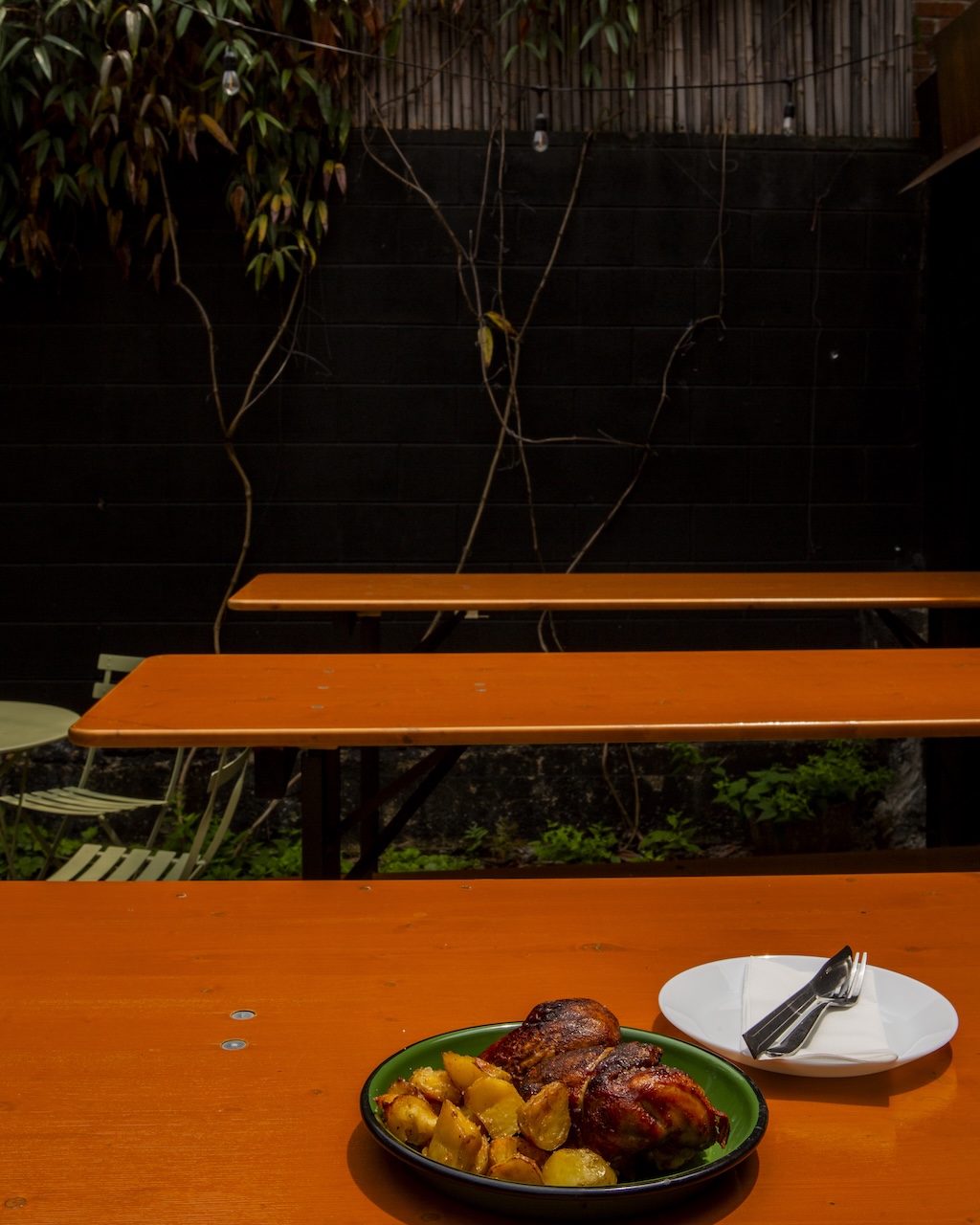
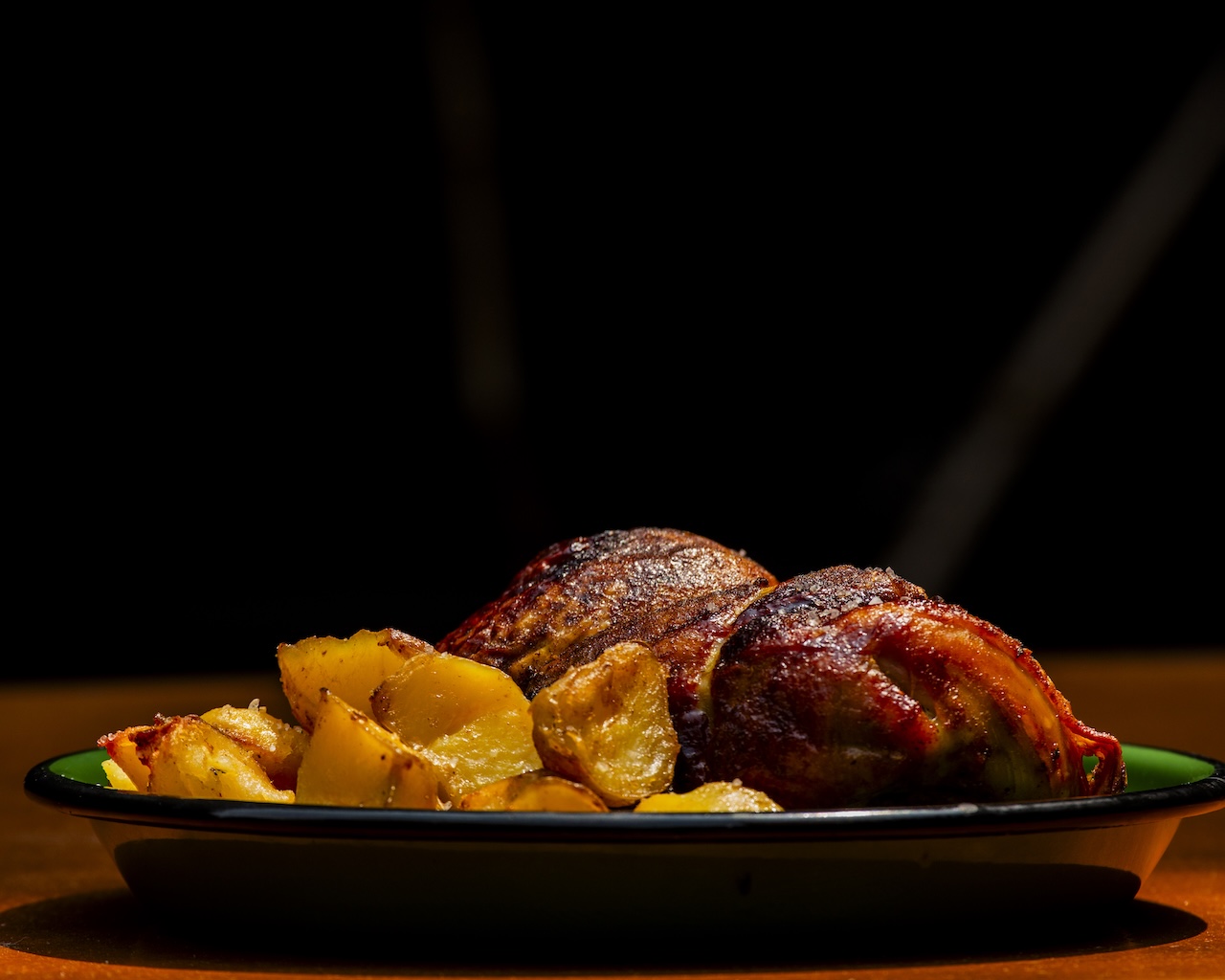
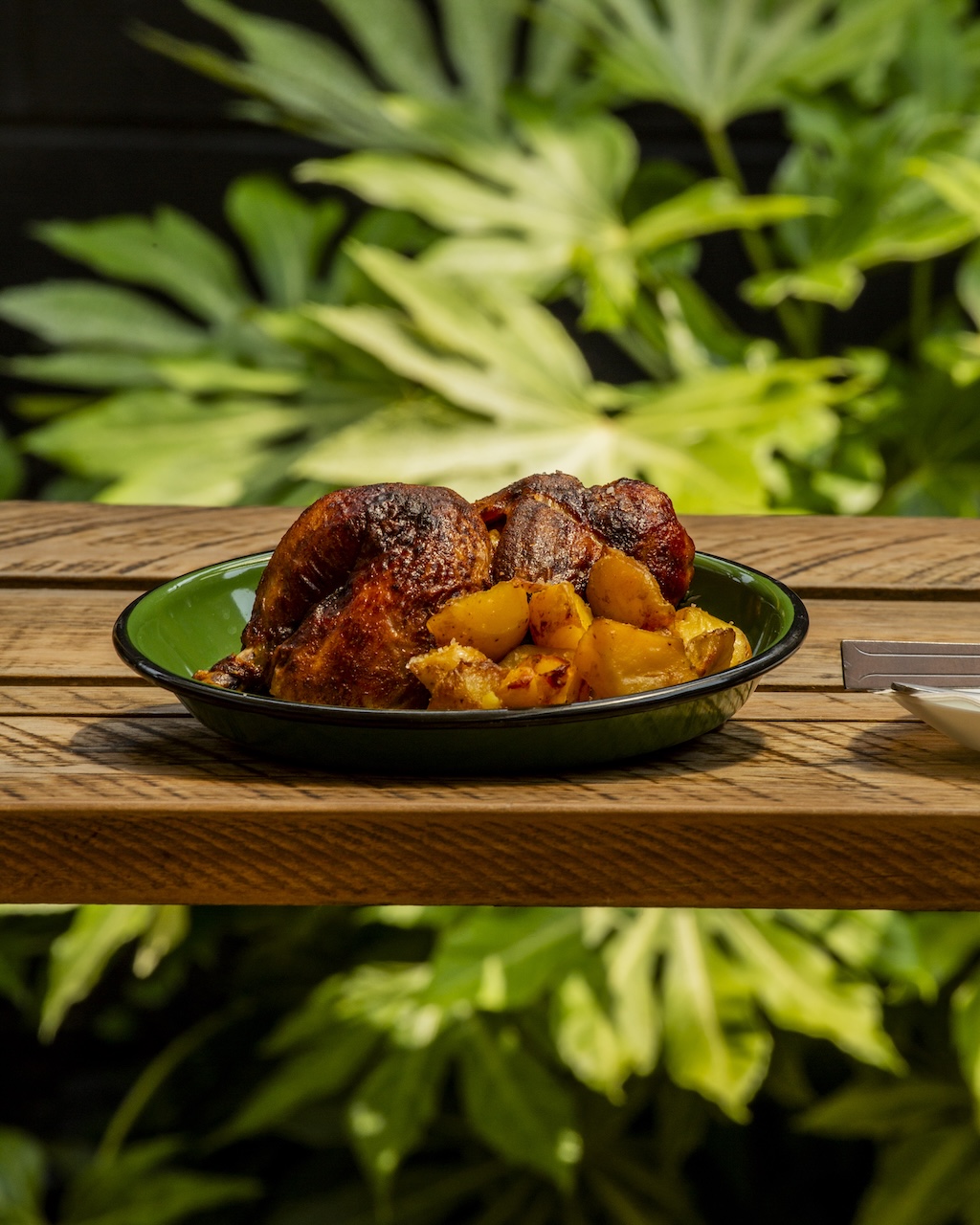
“There’s a lot of figuring out the chicken math, as we call it,” Stephanie says of their operation. “We really work hard to only serve fresh chicken.” They source their free-range halal birds from a local purveyor, each weighing between 3.5-4lbs. The chicken is dry brined for 18 hours in their proprietary solution before it’s covered in their signature seasoning.

Stephaine coyly reveals two components in their spice blend, freshly ground fenugreek and coriander, but keeps the other ingredients a secret. The birds head to the rotisserie spit, cook for one hour, and are served fresh. While the rotisserie can keep the birds fresh for up to six hours, she says, “I’d rather people get that fresh [so that] when I first cut it up it’s burning my fingertips off, but it looks so good.”

Chicken is served by the quarter for $10, half for $15, or the whole bird for $28, and served with a side of schmaltz potatoes. Gold potatoes are cooked in schmaltz, the Yiddish word for rendered chicken fat, until soft and creamy. The well-cooked potatoes are a perfect accompaniment to their chicken and was one of the original four items on the menu when they opened. I remember them being more “schmaltzy” in the first year.

“What an evolution. That product has changed so much since we opened, and I’m so much happier with it now, just from the style of potato that we ordered to the way we’re preparing it. I love the way it is now. I hope that everyone else agrees with me,” she says before waffling, “I’m happy to change things up and think about things.”

I suggest a schmaltz pump like the butter pumps at the movie theaters, but my earnest suggestion is retorted with a fancier iteration, “We could put a little quenelle of schmaltz on top of every order with a little salt,” she offers. I’ll take it.

Chicken is served with two housemade sauces, and you can’t go wrong with any of their sauces, but I recommend the green anchovy and hot sauce but beware of the hot sauce. The spice of the ginger hits up front while the habanero lingers. It’s not a long burn, but it’s definitely complex. The fermentation on the peppers and the fruitiness of the ginger is a palate puzzle unlike any hot sauce I’ve had before.

In its third year of operations, Chachi’s is in its flow state, but the unpredictability of the space creates challenges.

“We are trying to do bespoke food, but in a setting that is more [casual]… we don’t have a server that can come over and explain every dish. It is a little more hands-off and can be challenging for people who haven’t been here before,” Stephanie shares.

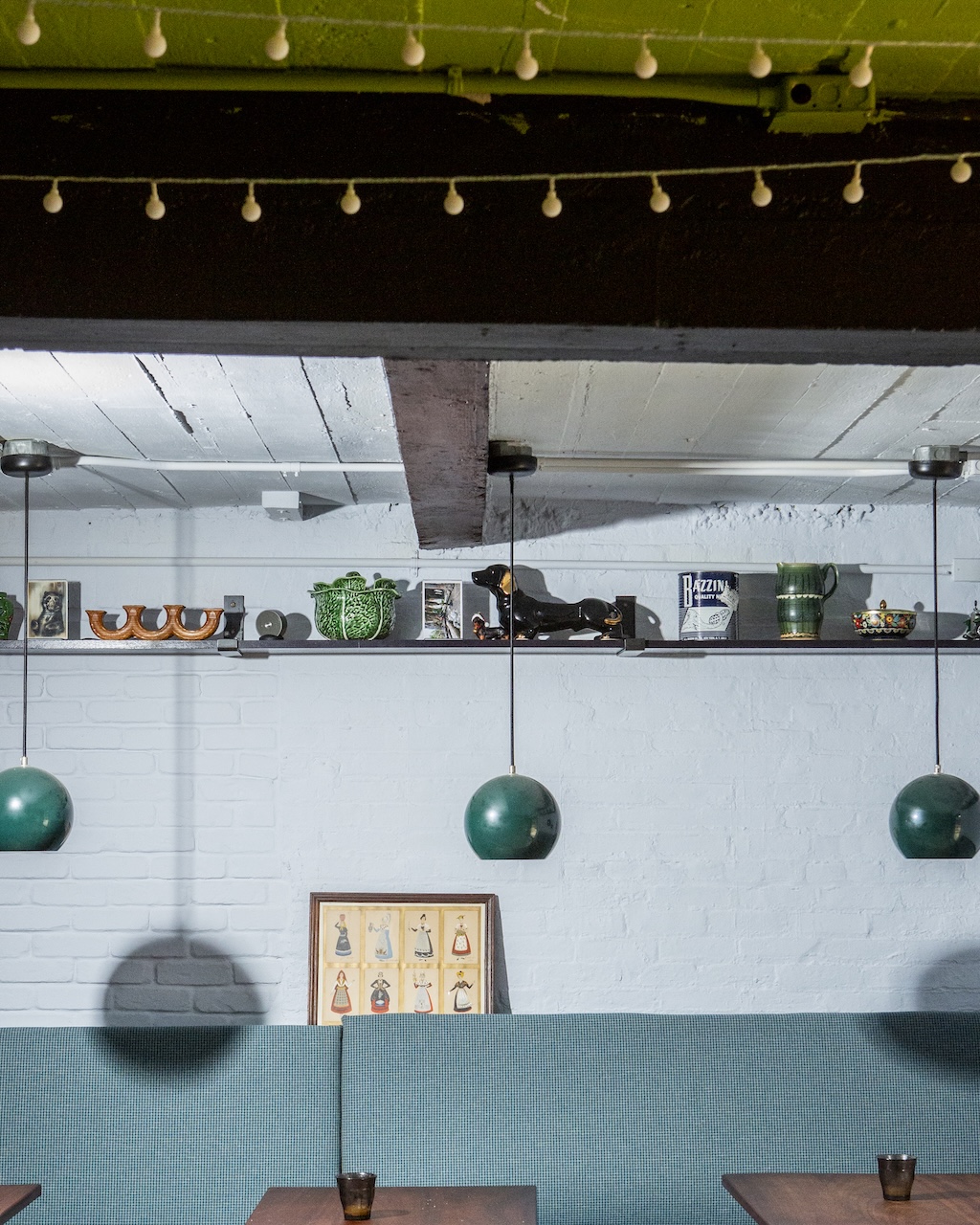
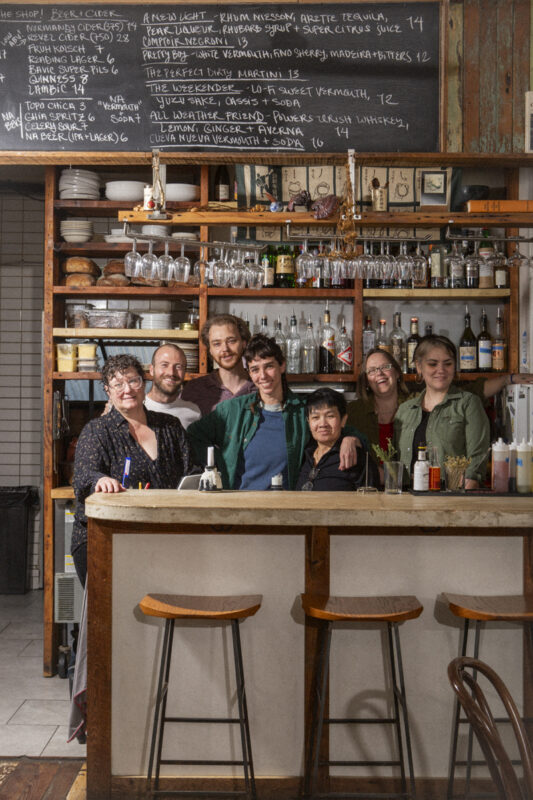
The Fadensonnen complex offers a big beer garden for larger gatherings, a dark and sexy bar on two floors for more intimate date nights. Guests can order food and sit anywhere in the complex to enjoy their meal. First-timers might get confused about the multiple points of commerce, but the concept lends itself to casual gatherings at an unhurried pace. Groups can easily gather, and kids are welcome.

When someone needs to jet, they can pay their tab and get going without the hassle of a single check. Note, that there is an 18% auto-gratuity included at all points of sale in the complex. The open-air picnic tables are covered with sunshade in the summer and enclosed in the winter with heaters and a fireplace. It’s a cozy neighborhood spot.

“The vibe is so great here,” Stephanie says. “There are people that are waving to each other from across the courtyard. I’m waving to people as I walk around. And it’s just so sweet.”

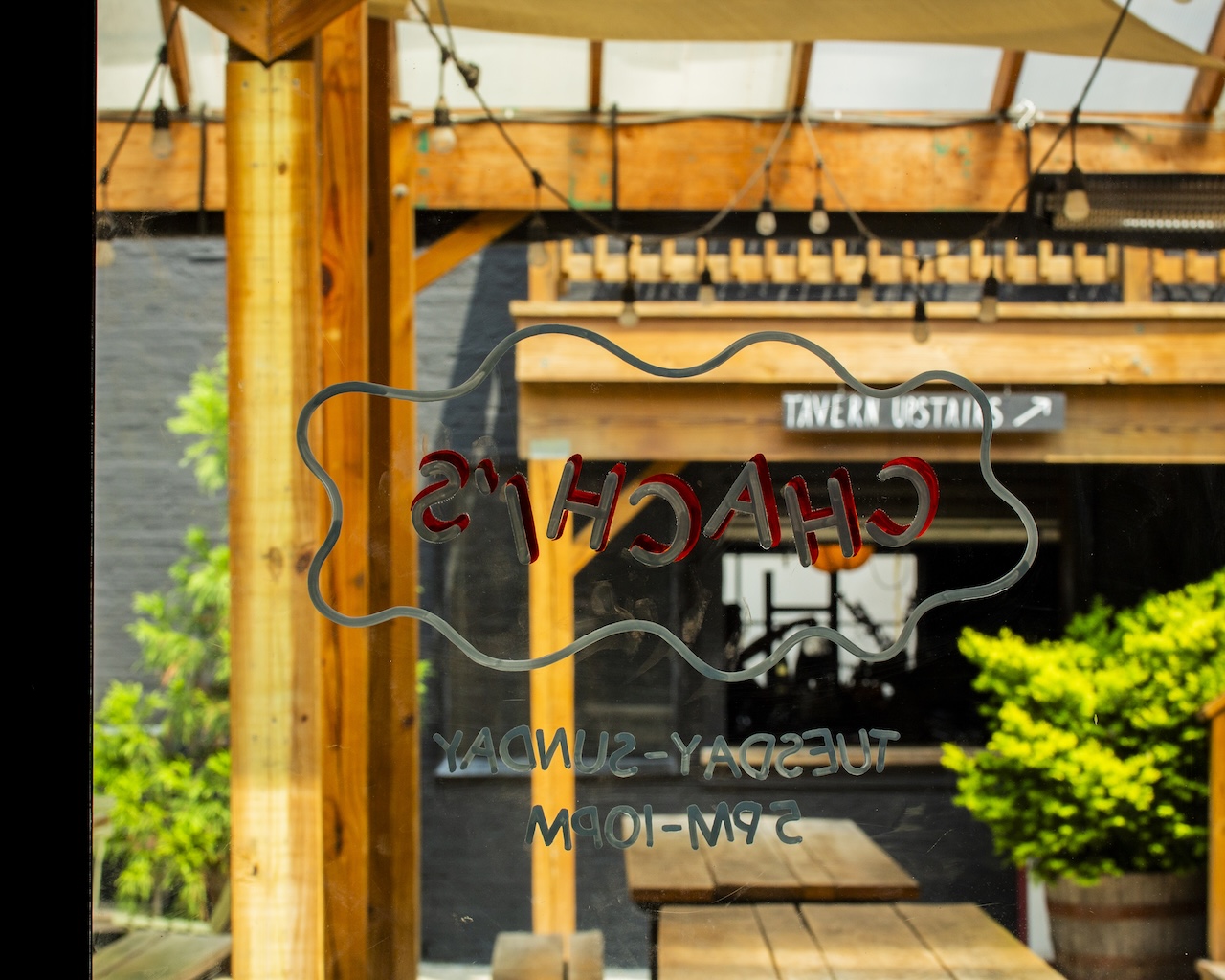
Chachi’s is open Tuesday-Sunday 5pm-10pm.

Related Stories
Baltimore Chef Catina Smith Joins Season 24 of Hell’s Kitchen

This fall, Chef Cat steps onto the national stage as a contestant on Season 24 of Hell’s Kitchen. We spoke about her journey, the pressures of reality TV, and the deep roots of Baltimore that shape everything she does.

How an Unassuming Storefront on Maryland Ave Became a Site of Foodie Pilgrimage

Le Comptoir du Vin in French, opened in 2018 as a natural wine bar and neighborhood bistro in Baltimore’s Station North Arts District. It immediately received national attention when it was named one of the nation’s Best New Restaurants in 2019 by Bon Appétit.

Sicilian Bakery in Remington 'Doubles' as a New York-Style Pizza Joint

The pursuit of the perfect dough is a holy pilgrimage that every serious pizza establishment must embark on.

Award-winning Fermenters Invite the Curious to Market, Bar, and Tasting Room in Govans

In 2022, Meaghan and Shane Carpenter opened Hex Superette in the front of their manufacturing facility on York Road. The sun-drenched dining room overlooks the grocery store.