


All Articles
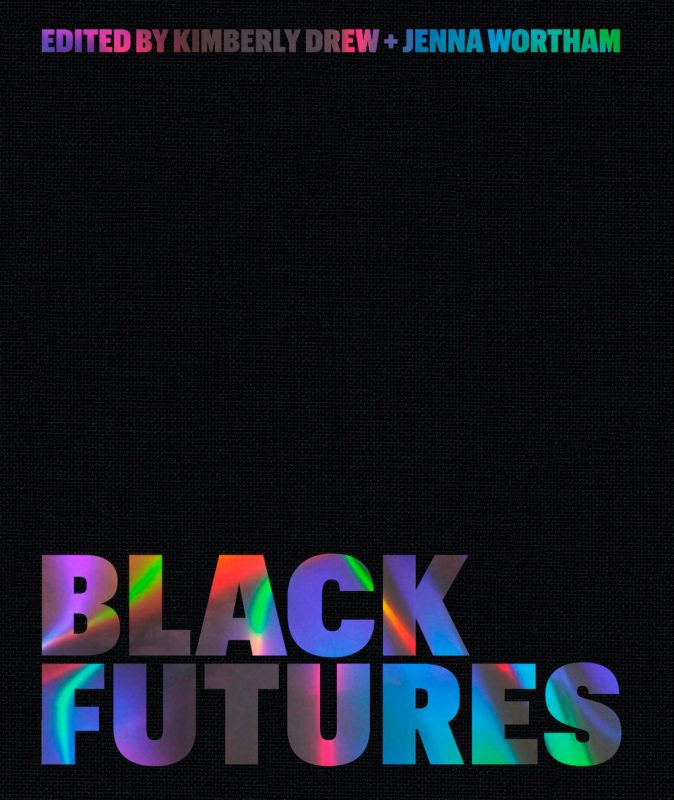
While forward-thinking, Black Futures is simultaneously about Black pasts and Black presents.

A lively and mostly persuasive argument that the Shroud of Turin is not Jesus Christ's funerary cloth, but was instead likely fabricated by an artist in the 1350s, and then slowly embraced by Catholic officials who saw an opportunity for profit.
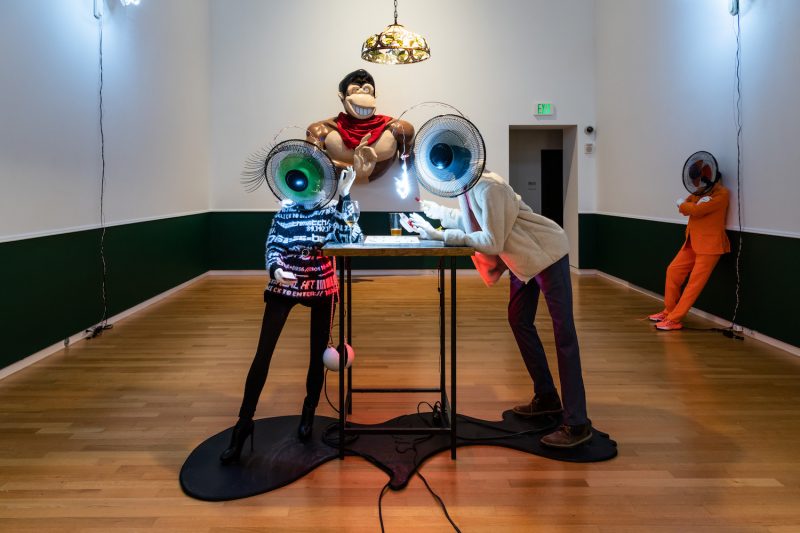
Polyphemus, on view at Goucher College’s Silber Art Gallery, is an installation that takes its title from Homer’s Odyssey.
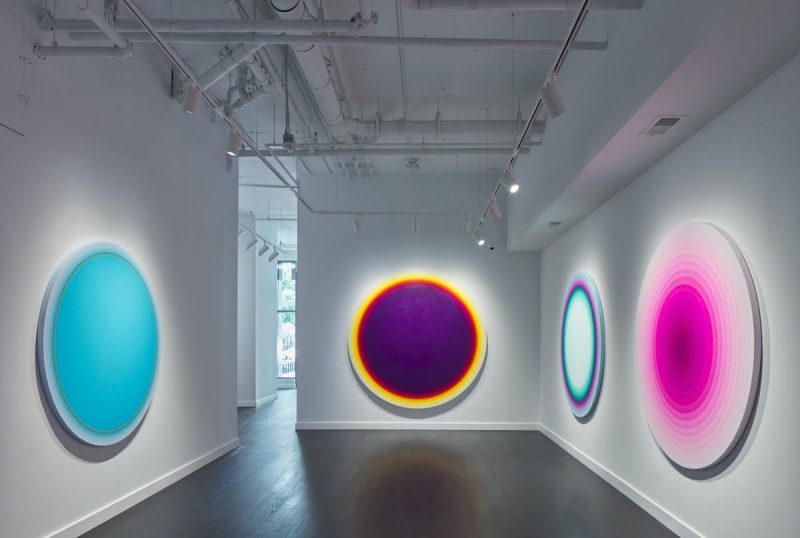
The colorful abstract paintings of Linling Lu at Hemphill Fine Arts in Washington, DC seemed at first to be formal abstractions but expanded into spiritual, cultural, and personal visions.

The horror and trauma here are more implicit and embedded into the place, more chronic than acute, and all too familiar.
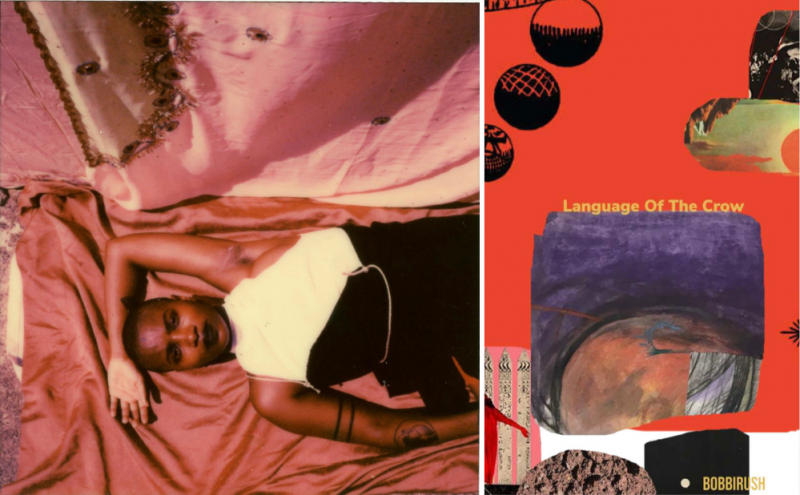
Short, spiritual, succinct, and sincere, Language of the Crow is a primer on liberation, self-discovery, introspection, and intuition.
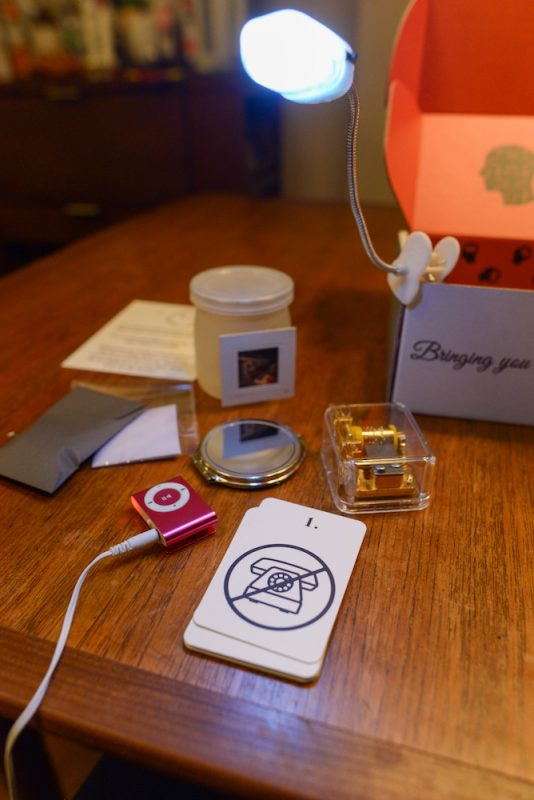
The experimental nature of this play is not simply for the sake of experiment but to highlight all of our assumptions that make us comfortable and therefore passive, forgetful, and complicit.

In truth, I am drawn to Glenstone for the same reasons I question its efficacy.

Without trans persons behind the camera, the spectacle of The Right Girls offers few answers for those of us with a personal stake in the outcome of this journey.

Global pandemic notwithstanding, the future was always bleak. But the desire for the good life, or some semblance of it, is a stubborn flame.
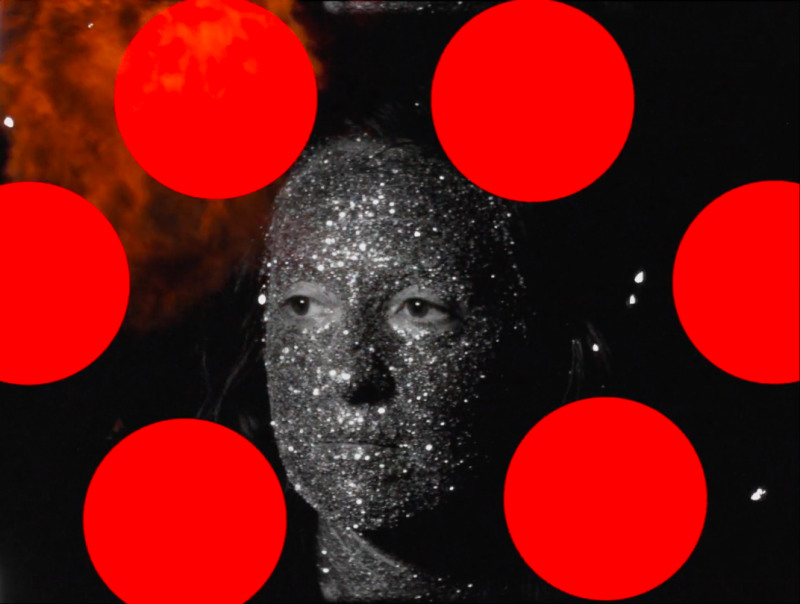
It's like reality is bending.

Each vignette is a high-wire act, teetering along the razor’s edge separating shame and desire, passion and violence, actualization and obliteration.

Weather takes an atmospheric view of dread, from domestic to existential, that is particular to our 21st-century life.

Never Rarely Sometimes Always is something of a procedural, except the procedure here isn’t a police investigation or anything along those lines, it’s an abortion.

Fantastic Fungi is also a portrait of a community of mushroom obsessives—who journalist Eugenia Bone beautifully describes as, “bloated pleasure-seekers with a scientific bent.”