


All Articles
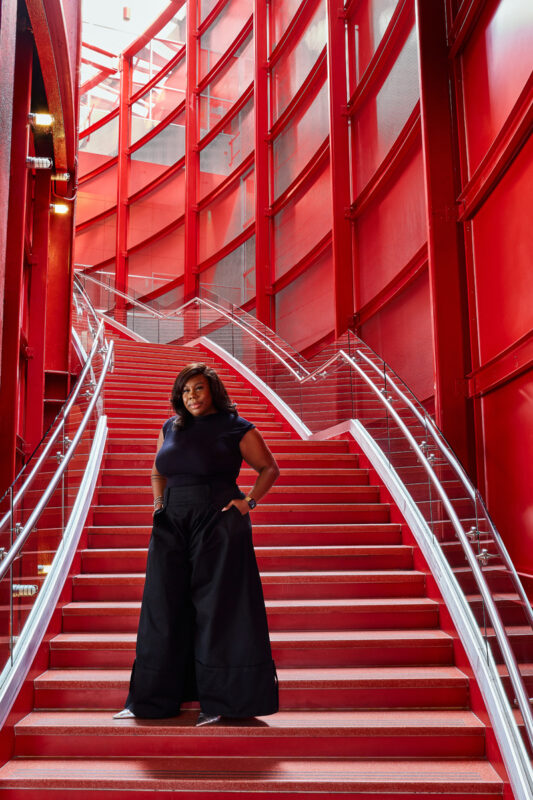
"The stories you tell and the artwork you choose have the power to transport people—to new times, deeper understandings, and different vantage points. That’s a sacred responsibility. Reshaping institutions begins with grounding yourself in purpose." "
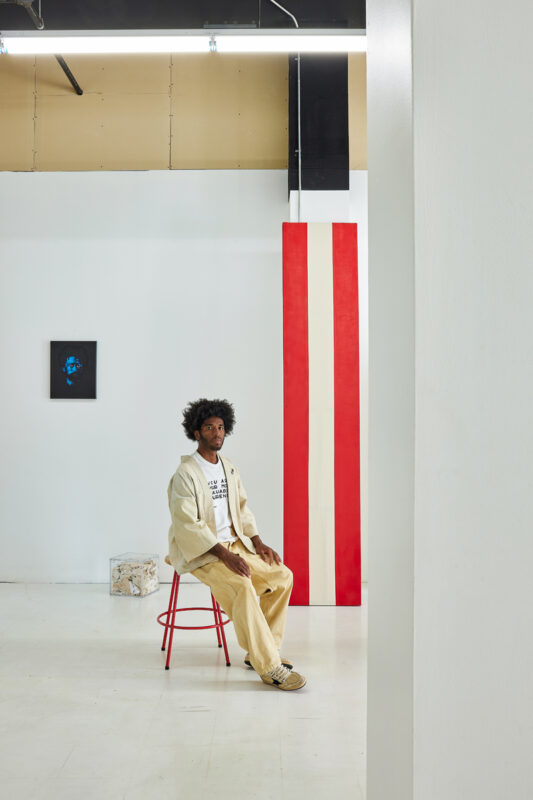
There’s nothing quite like Michael E. Haskins’ Currency Studio in the city. Looking around the space, you’ll find everything from hats, baby vests, jewelry, stools, tote bags, speakers, and more. The self-proclaimed visionary does it all: He paints, sculpts, makes furniture, clothing, and more.
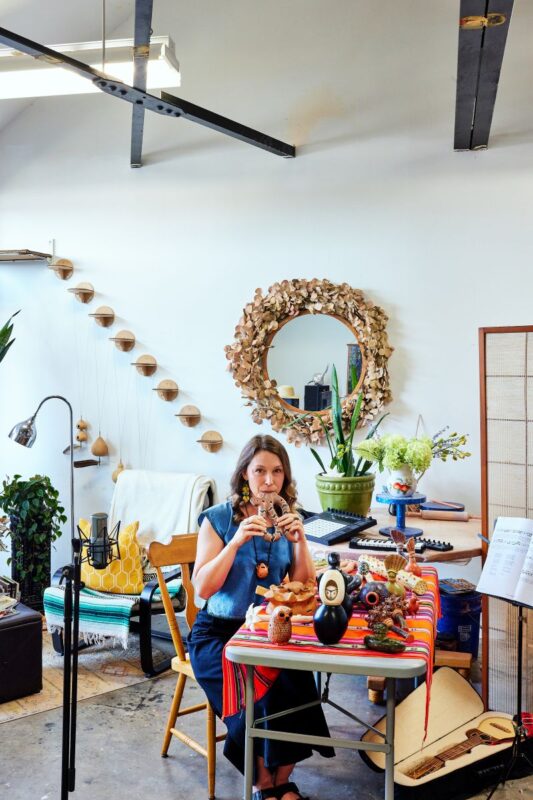
"I like to think that sound has information, so when we build and play and listen to these kinds of instruments today, it's like opening a portal to an experience that was designed in another time, in another world."
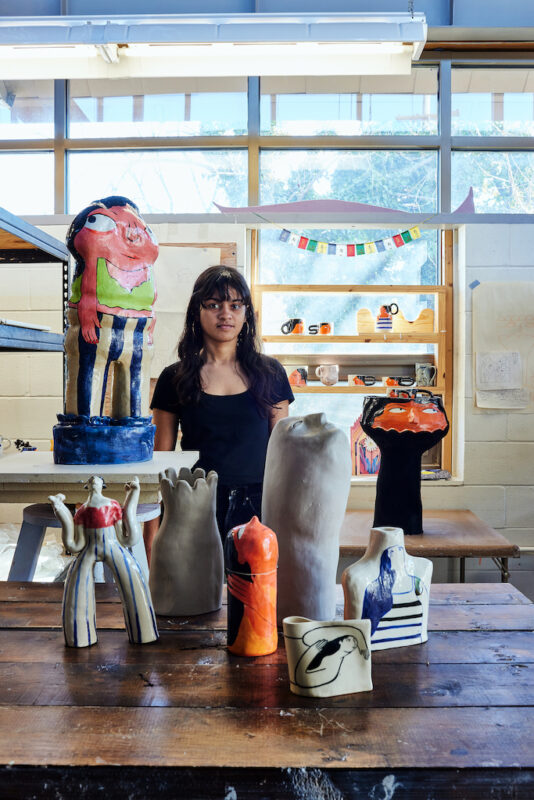
Kiran Joan creates ceramic sculpture and functional pieces, but also regularly publishes illustrations in major US Publications
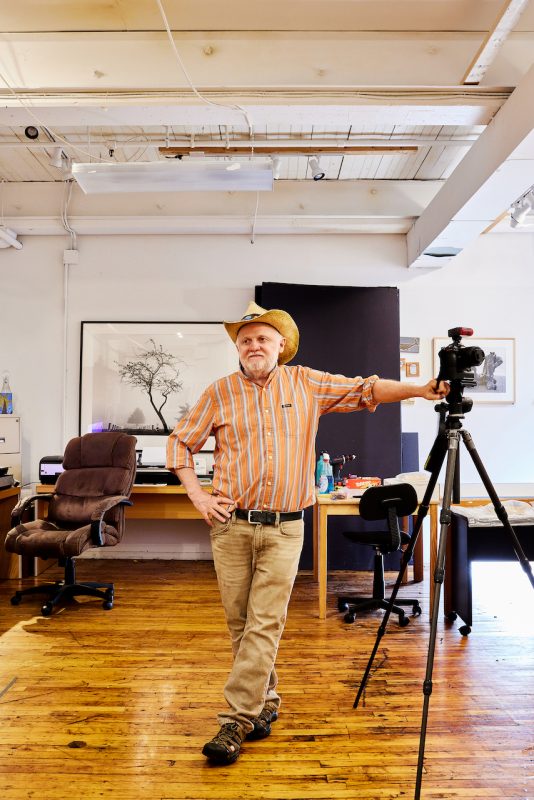
Timeless nature, without the compromise of any man made structures, is Joe Hyde's most inspired subject.
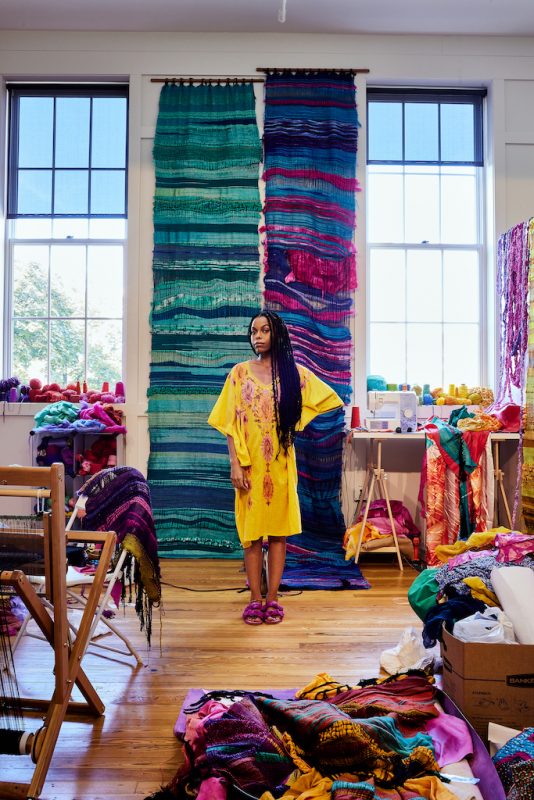
“Find your life’s passion, make your life’s work, and give back to others.”
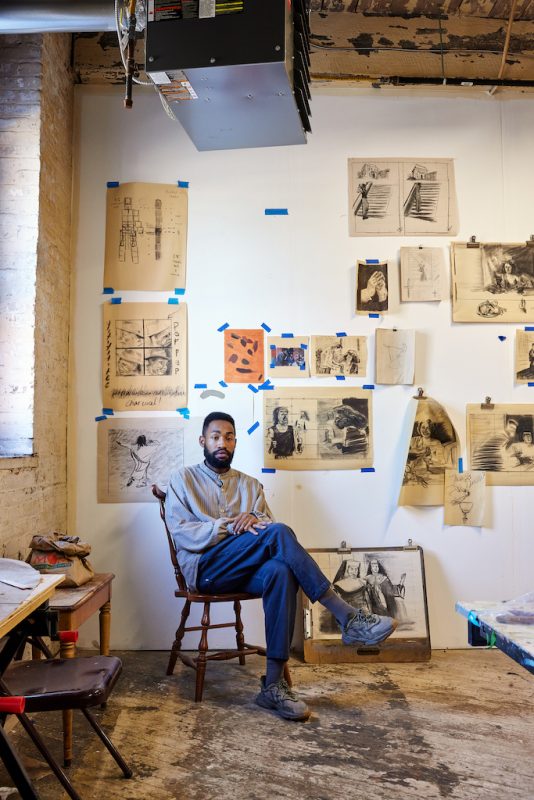
“I came back to oil, my first love, because it's how I move—it's slow, rich, flexible and giving. I needed this generosity and consistency after so much searching.”

How Fitsum Shebeshe's studio work and curatorial projects explore a wide spectrum of cultural and existential questions

"Nothing is ever failed. It's just going to take a form that I don't know about yet.”

Working with everything from moss and money plant membranes to artificial ivy and metal, Laura Amussen creates thematic exhibitions around singular ideas, such as the buoyancy of water as a metaphor for overcoming struggle.
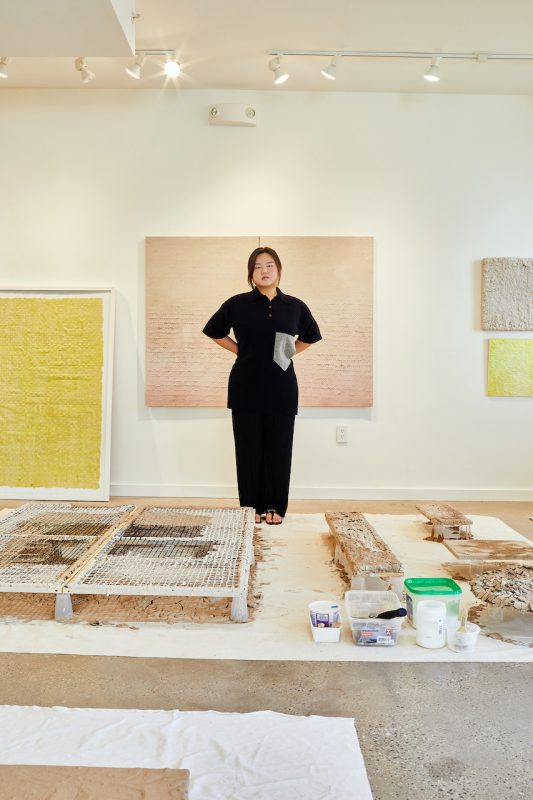
Koh is a Hamiltonian Fellow in Washington DC, but originally studied fine arts at Hongik University in Seoul, and later earned an MFA from Alfred University in New York
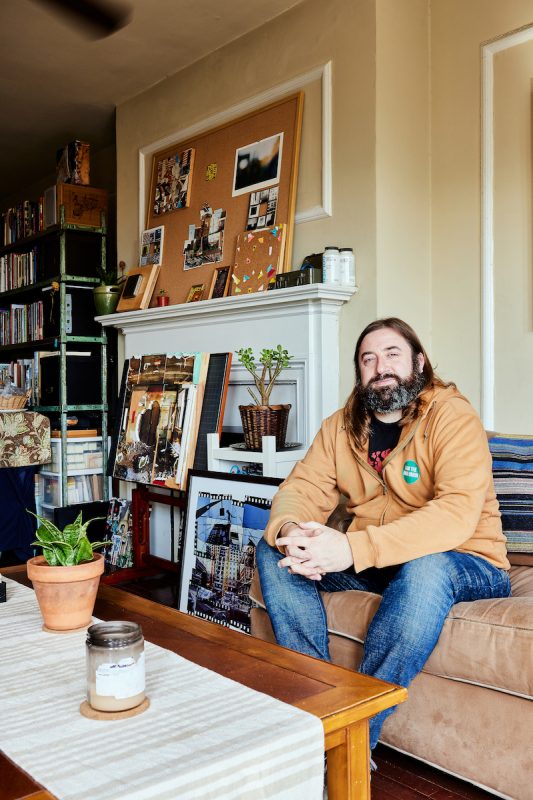
For Mangus, an artist, writer, and museum guard, space for reflection is essential to a strong end result.
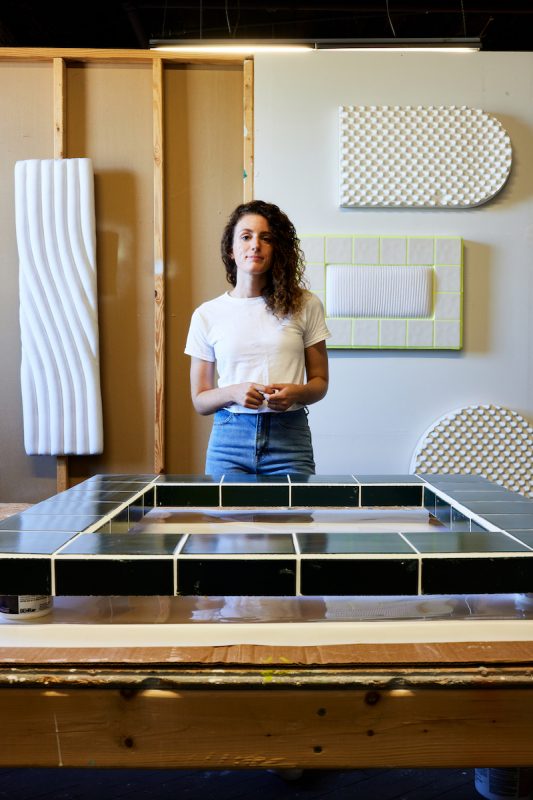
Livi is an artist who moves between media seamlessly, always seeking out material that speaks to the domestic space and figuring out how to manipulate it after.
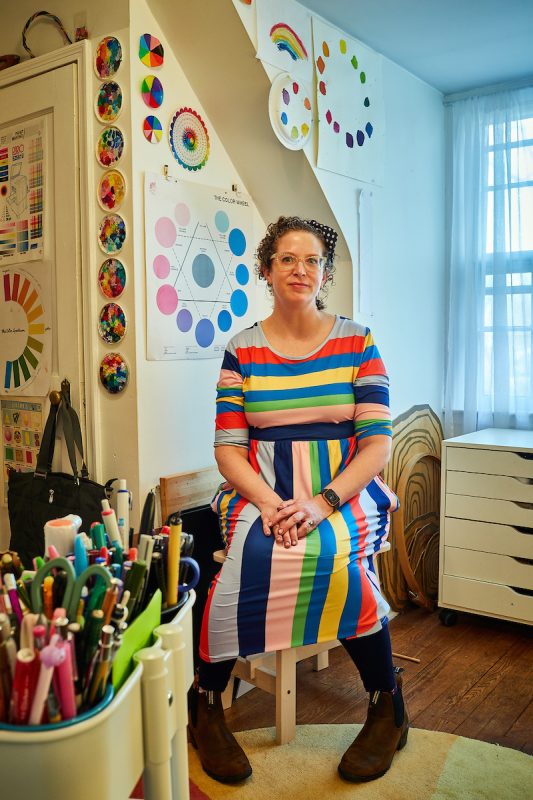
On taking things apart to put them back together
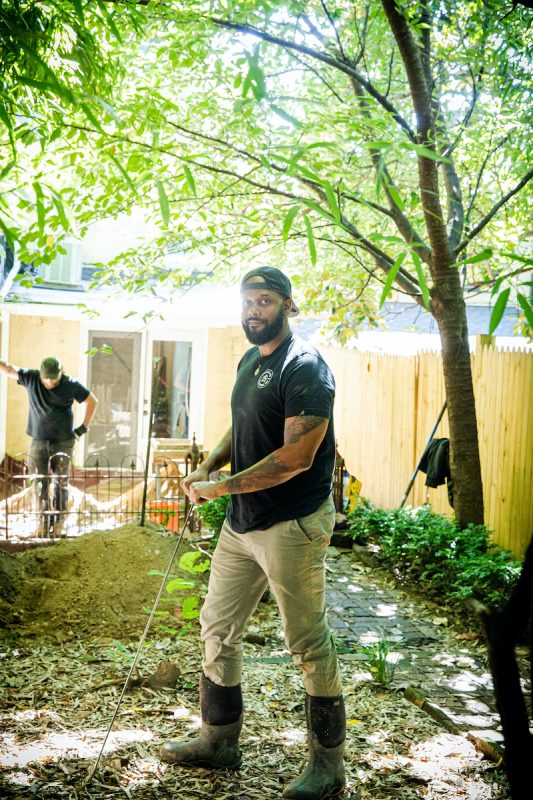
To arrive at their resting place, items found at the bottom of a privy had to fall often ten or more feet, often out of someone’s back pocket, the same way many of us have dropped a cellphone in the modern toilet.