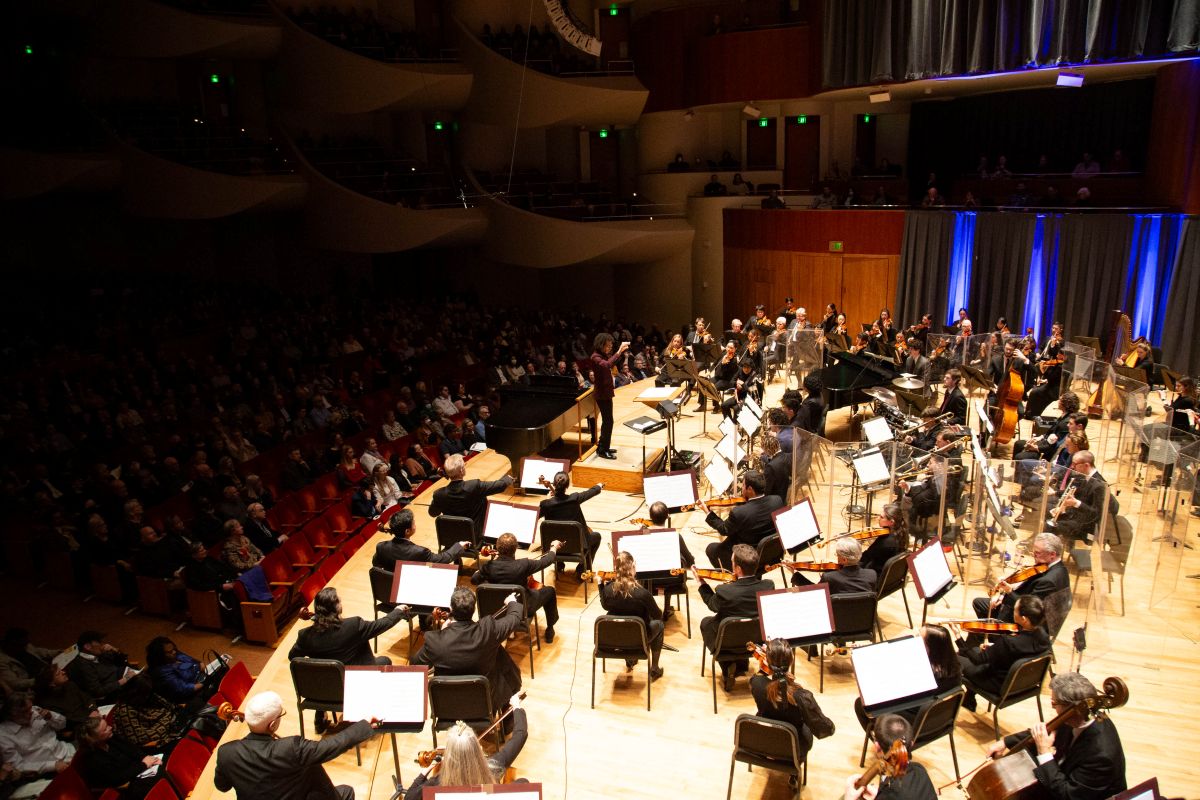
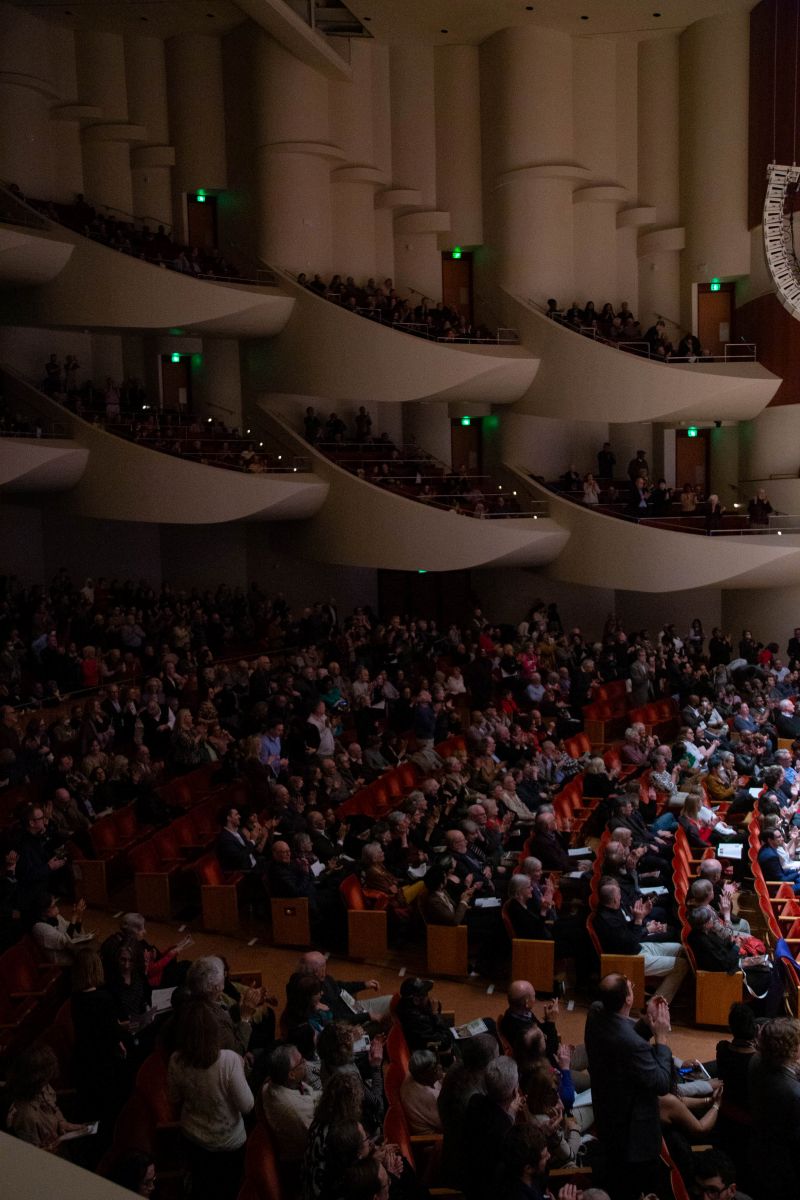
Heyward describes a sense of curiosity and openness he sees in Baltimore audiences, compared to other US cities. “It comes from history,” he says. “It surprised me, and then didn’t, because once you peel back the layers to examine what has happened in this city—the cultural movements, the people, and the artists that came through Baltimore—it’s incredible. And you start to realize this is what the city’s always been about, and being able to tap into that is crucial.”
In addition to conducting, Heyward’s programming creates opportunities to do just that. His Afterwards with Heyward series offers a platform for direct dialogue, where audience questions often spark Heyward’s curiosity and influence future programming. The Symphony in the City series is another opportunity to build connections, taking the orchestra beyond the traditional concert hall into neighborhoods across Baltimore, breaking down the sense of formality and exclusivity often associated with classical music.
For classic symphony lovers, Heyward builds pathways of connection to new voices and emerging trends. “I love discovering new composers, definitely composers of various cultural minorities,” he says. “For me it’s always been a great pleasure to be able to put those right next to some of the warhorse pieces that we know and love so we can share that sense of fusion and commonality between them.”
In a genre with a 500-year-old canon, deeply rooted in tradition and shaped by a complex history of Eurocentrism and white superiority, any departure from convention can spark anxiety and mistrust, giving in to the fear that accessibility will degrade the integrity of classical music. What Heyward challenges is not the music’s integrity, he says, but the culture of gatekeeping that prioritizes tradition over progress. “We need to elevate the art without this idea of separation or the idea that it’s only for a certain type of audience,” he says.
Long term, Heyward is working to create a blueprint with the BSO that other orchestras and cities can follow, where the orchestra is meaningfully integrated into the fabric of its community. “I want us to be a beacon for what it means to be a symphony for the city. I want us to have a playbook for how to do this.”
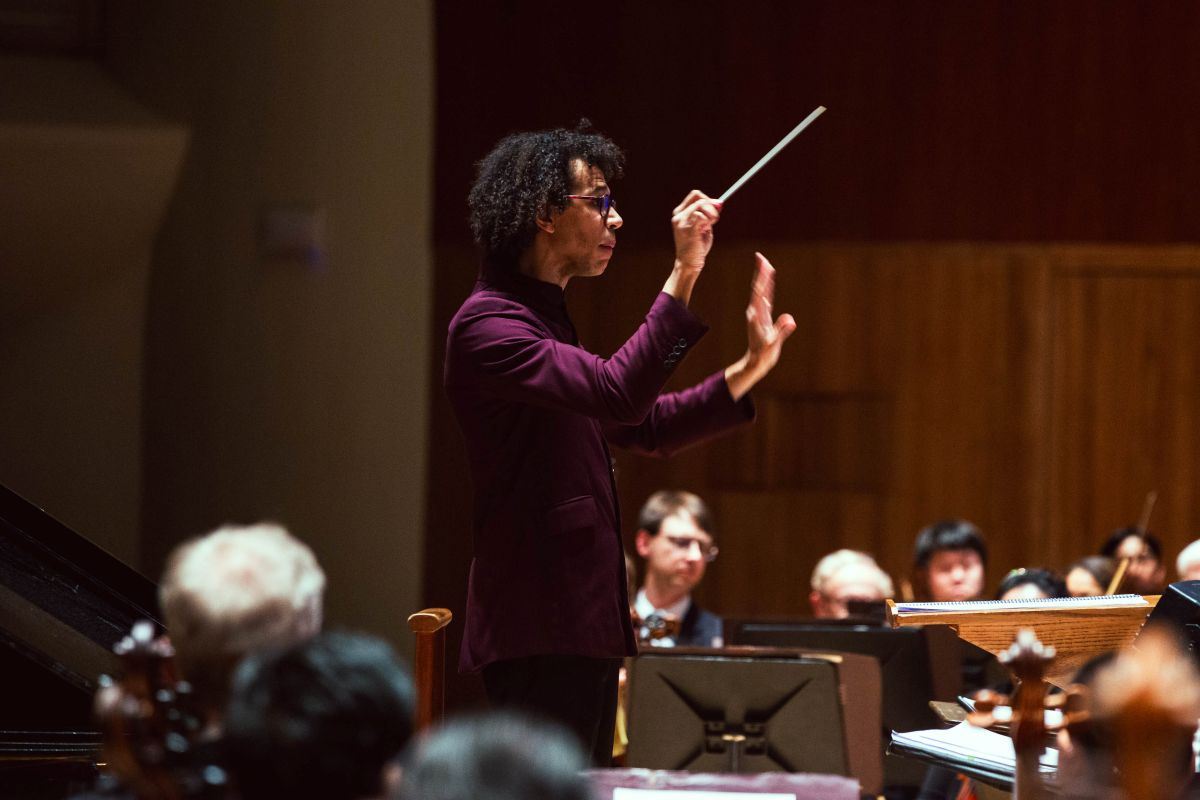
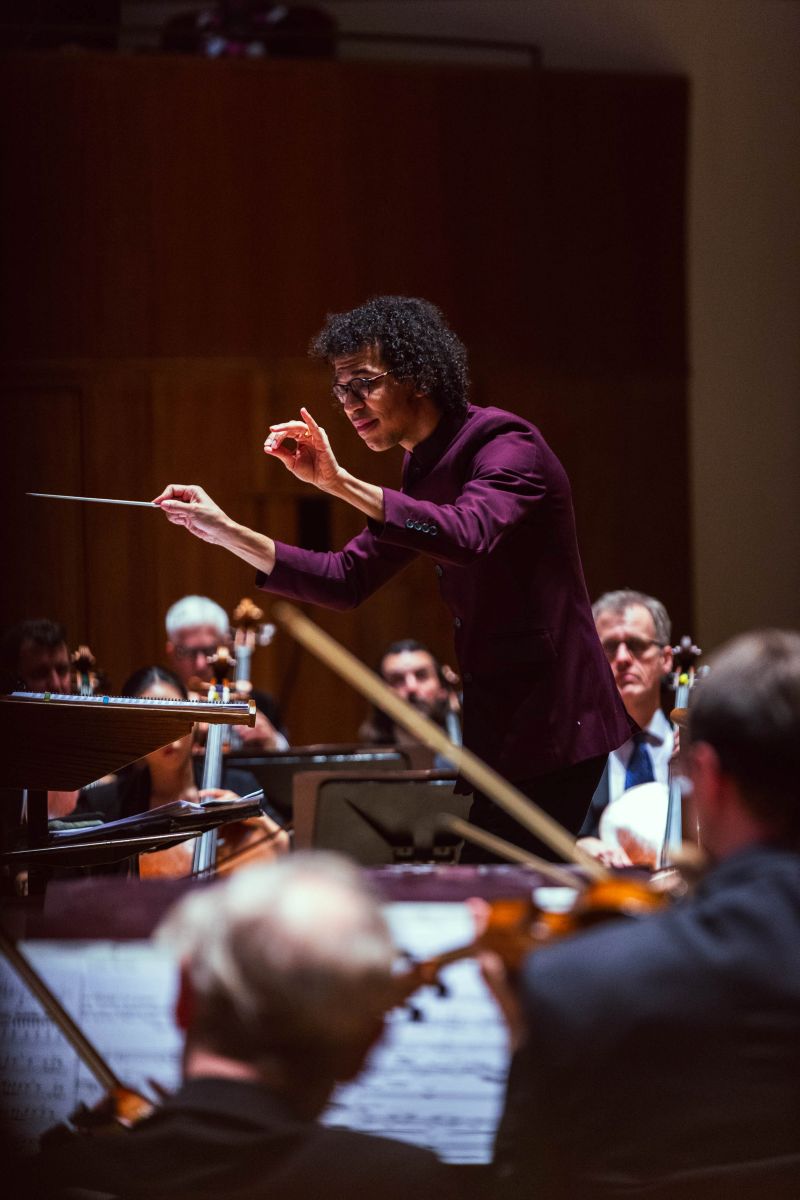
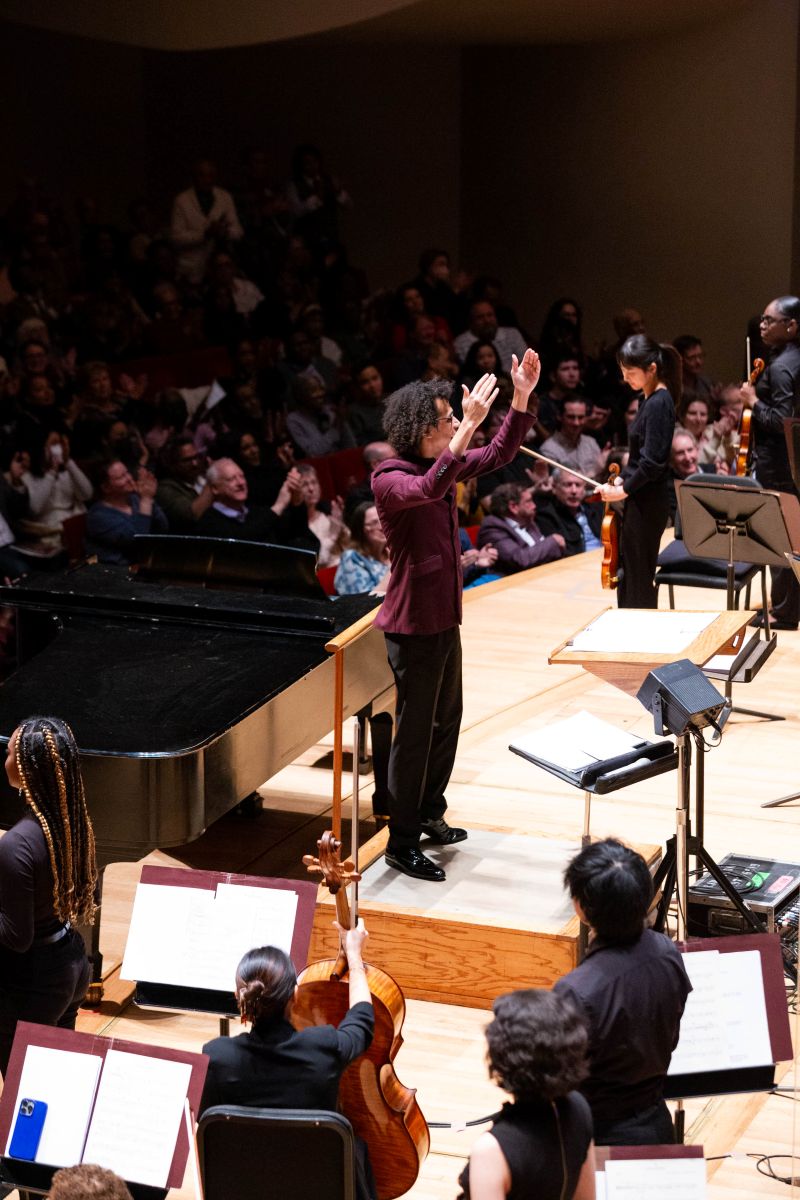
It’s a bold vision, and one that Heyward is uniquely positioned to fulfill. As the first Black music director of a major orchestra and also the youngest, breaking barriers and leaning into a bold vision is at the core of his personal playbook.
“There’s a pressure that comes along with having so many eyes on me and sometimes that pressure can be really intense,” Heyward shares. “But my escape from all of it is a tremendous amount of focus on the why. My mission as an artistic leader is that I’ve got barriers to break. I’ve got some convincing to do for communities. I’ve got convincing to do for the world. And I cherish that responsibility.”