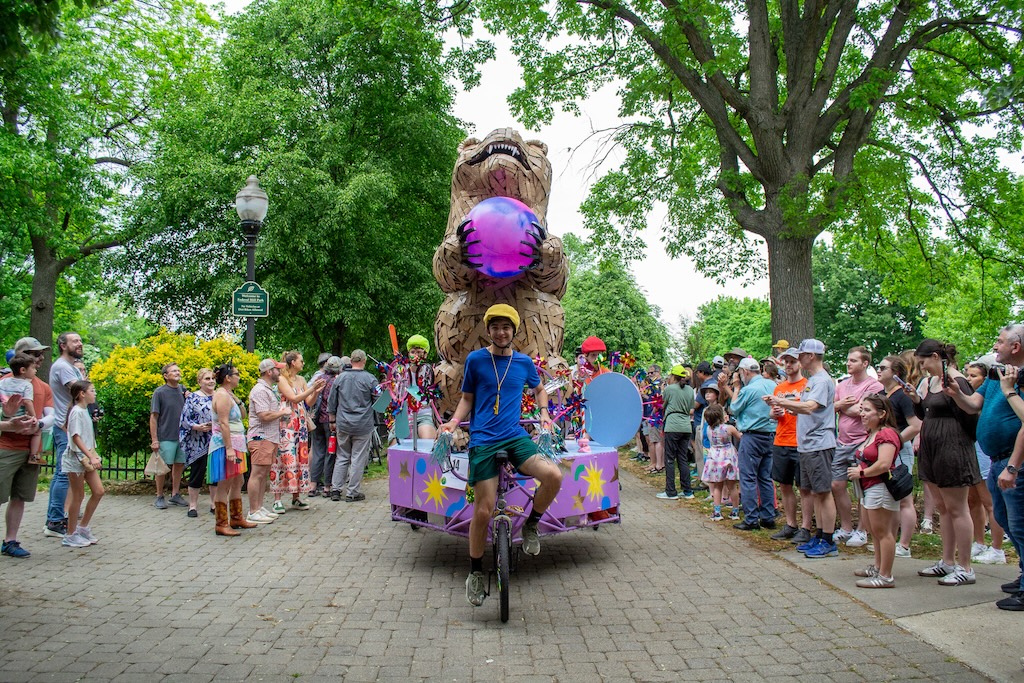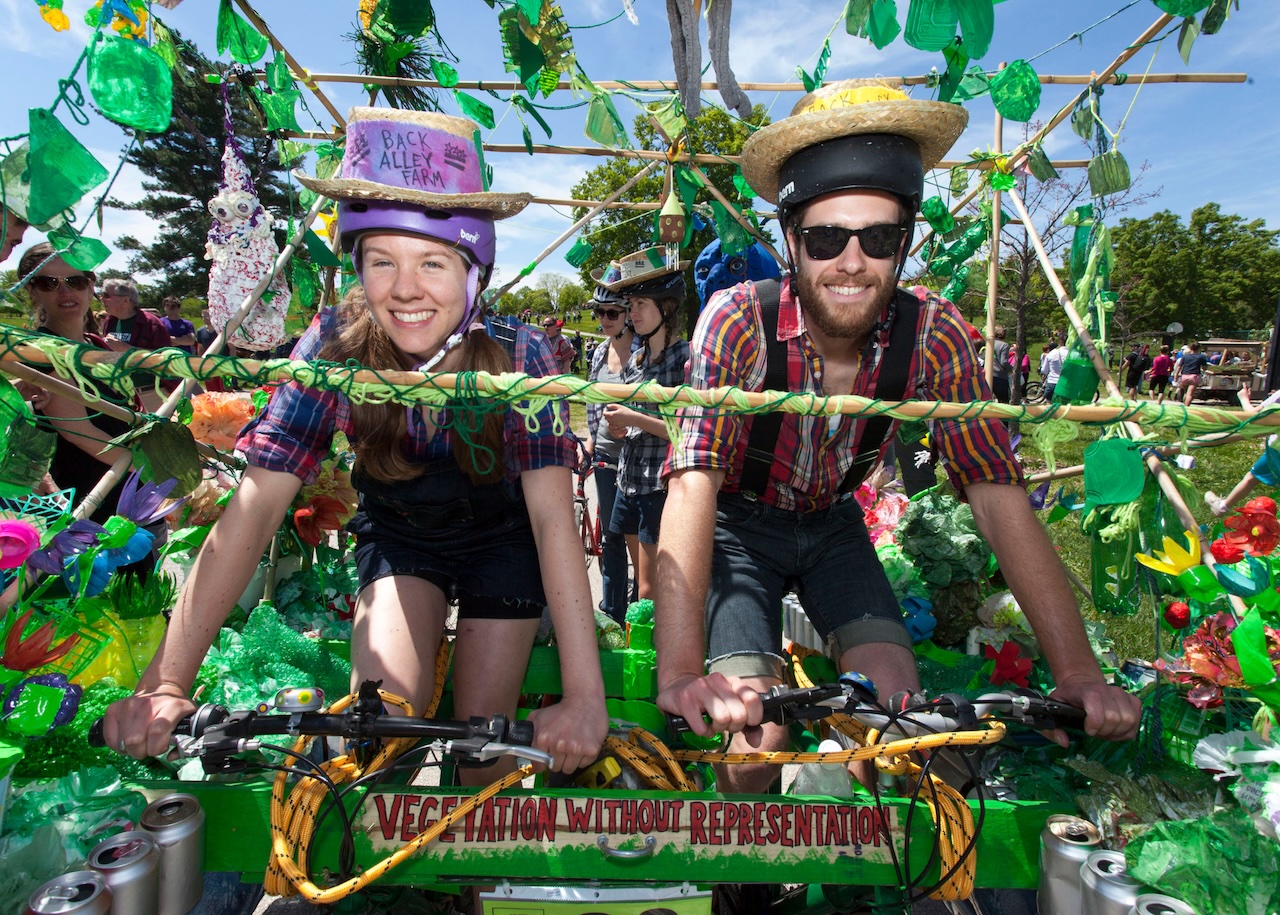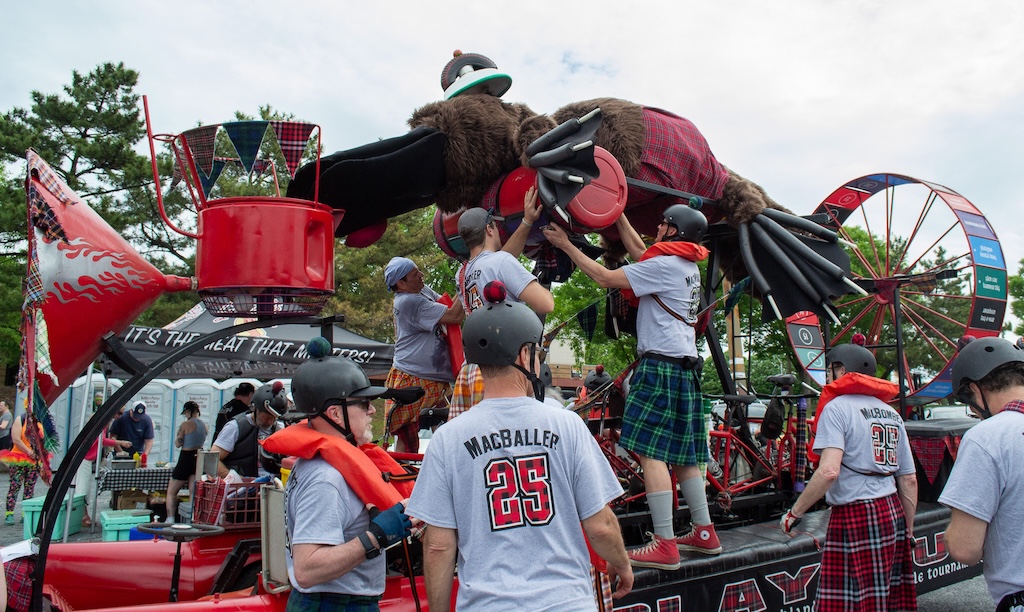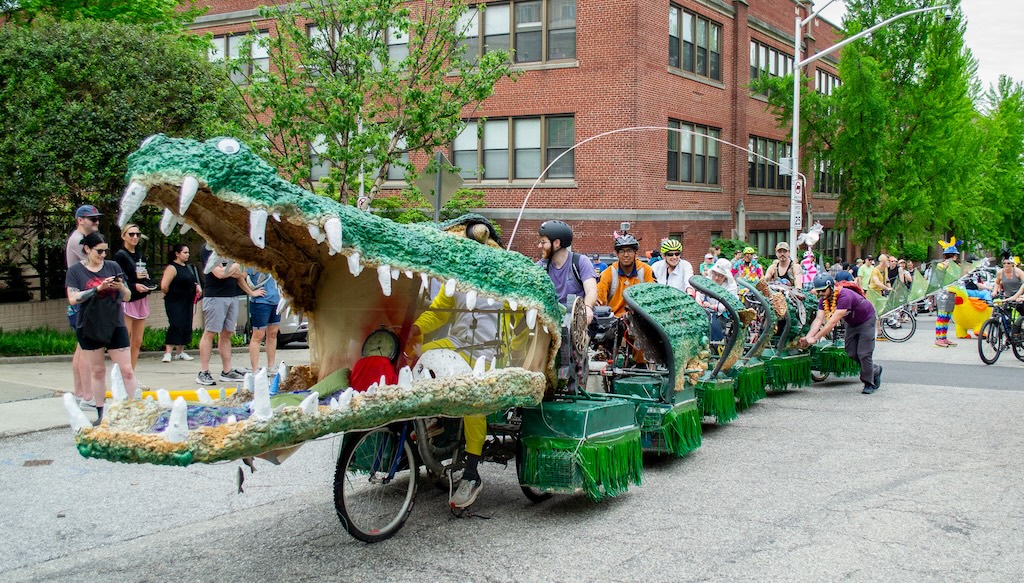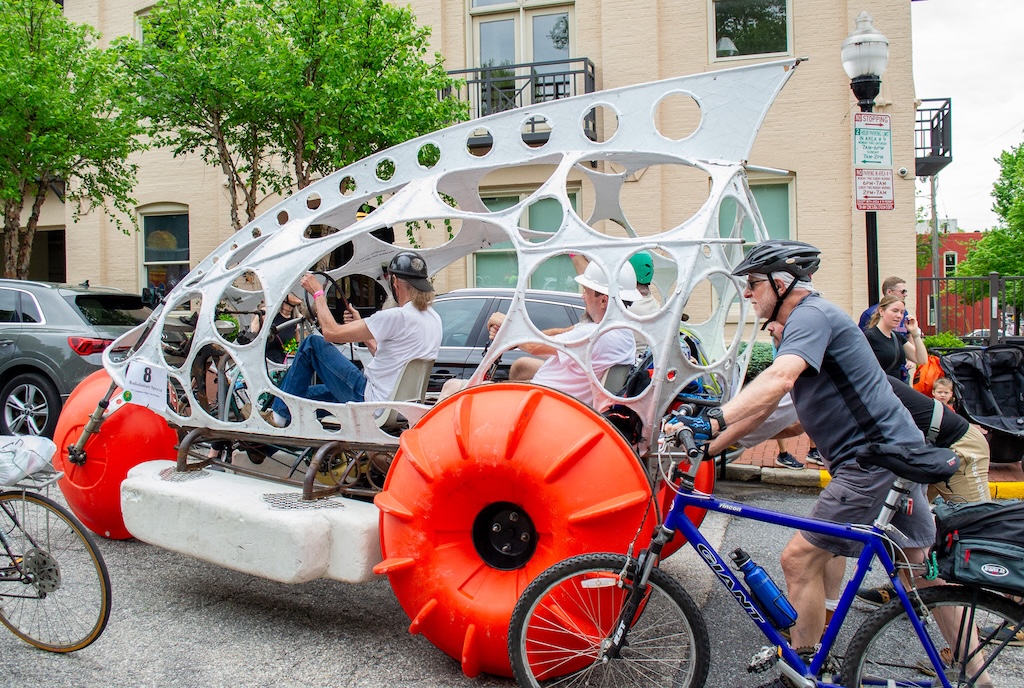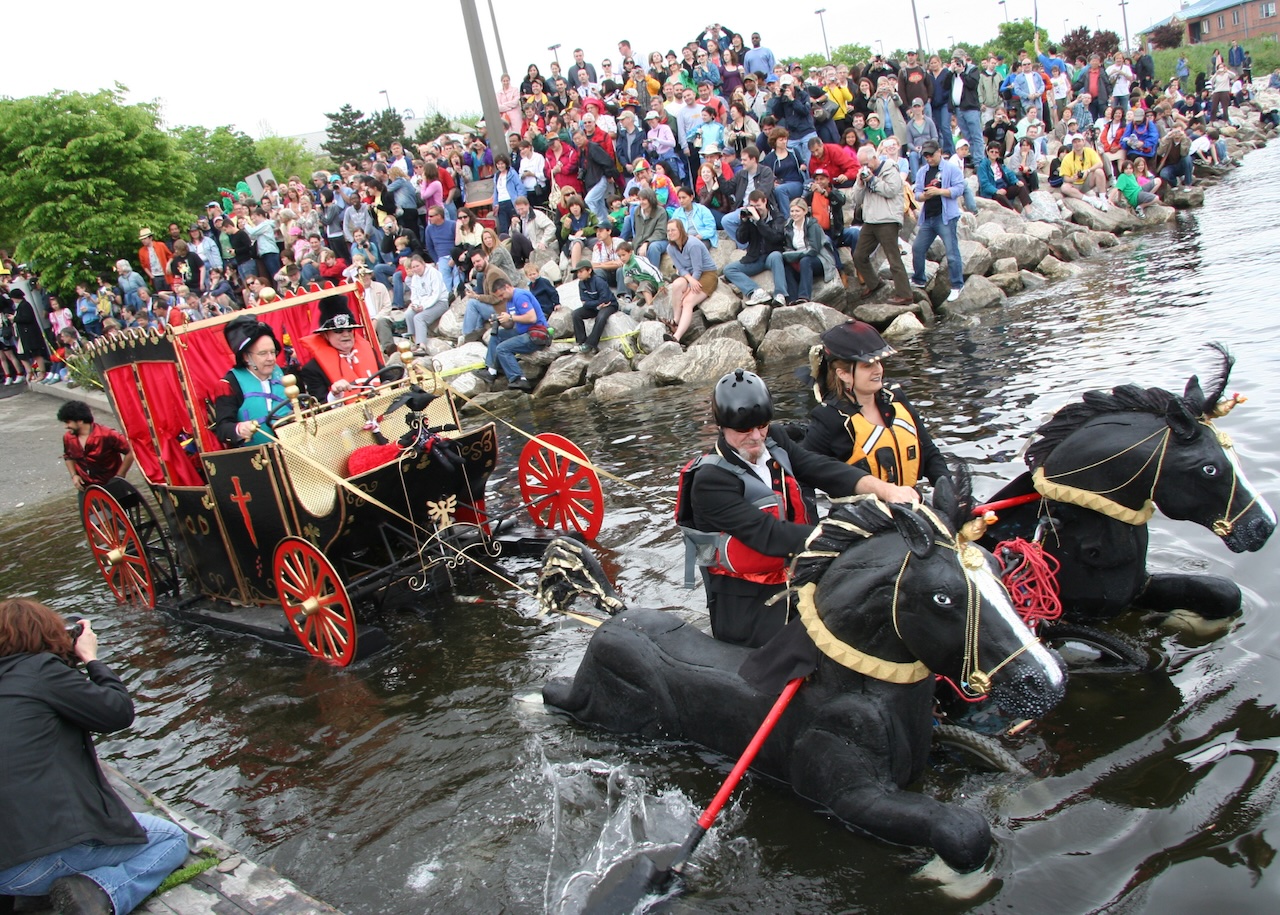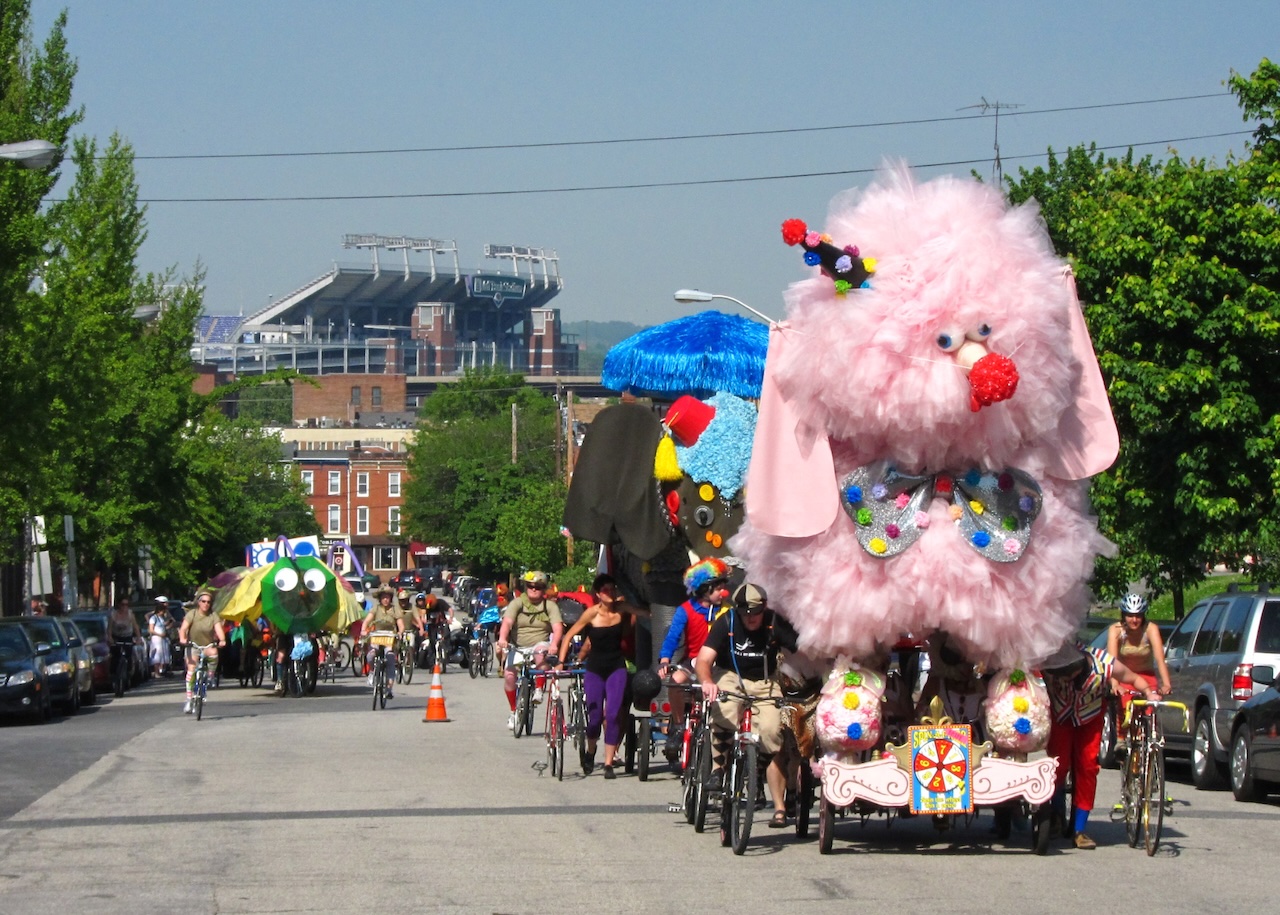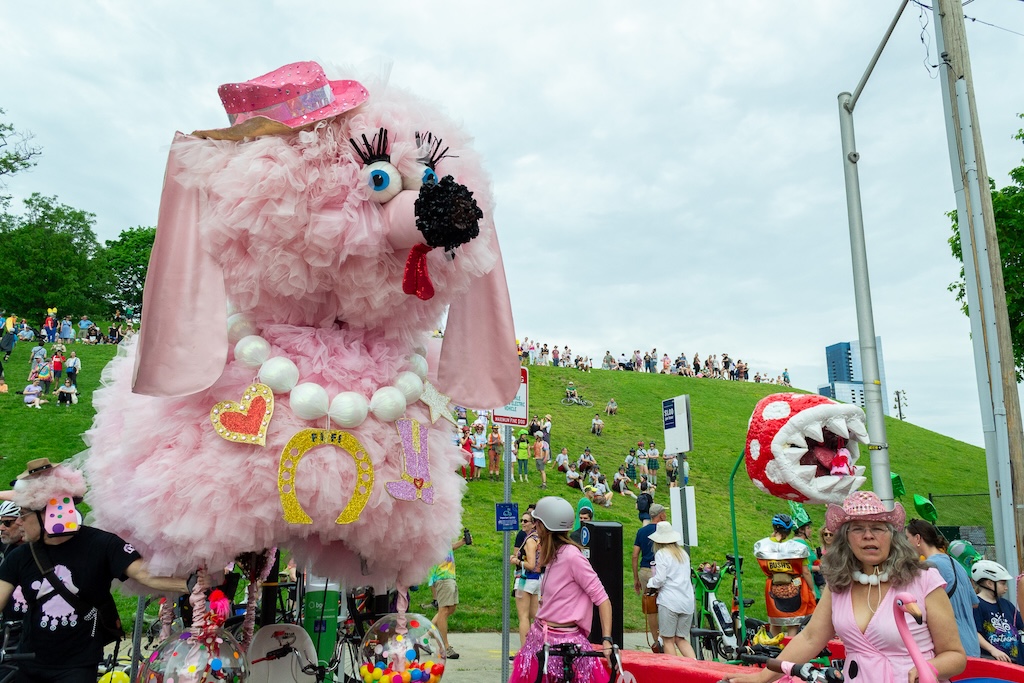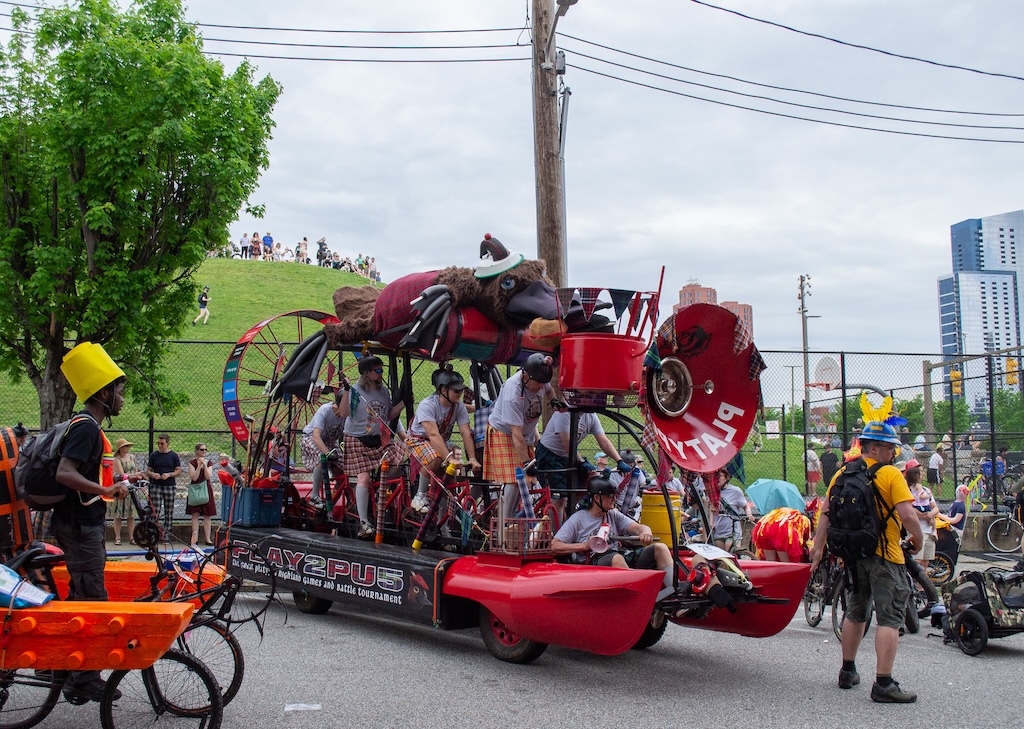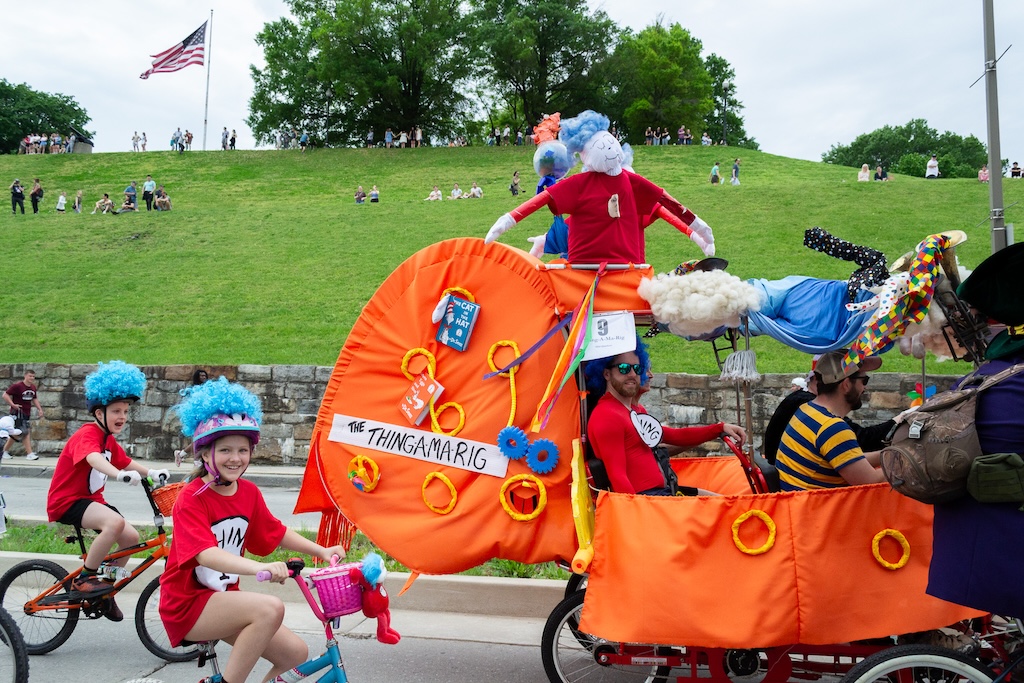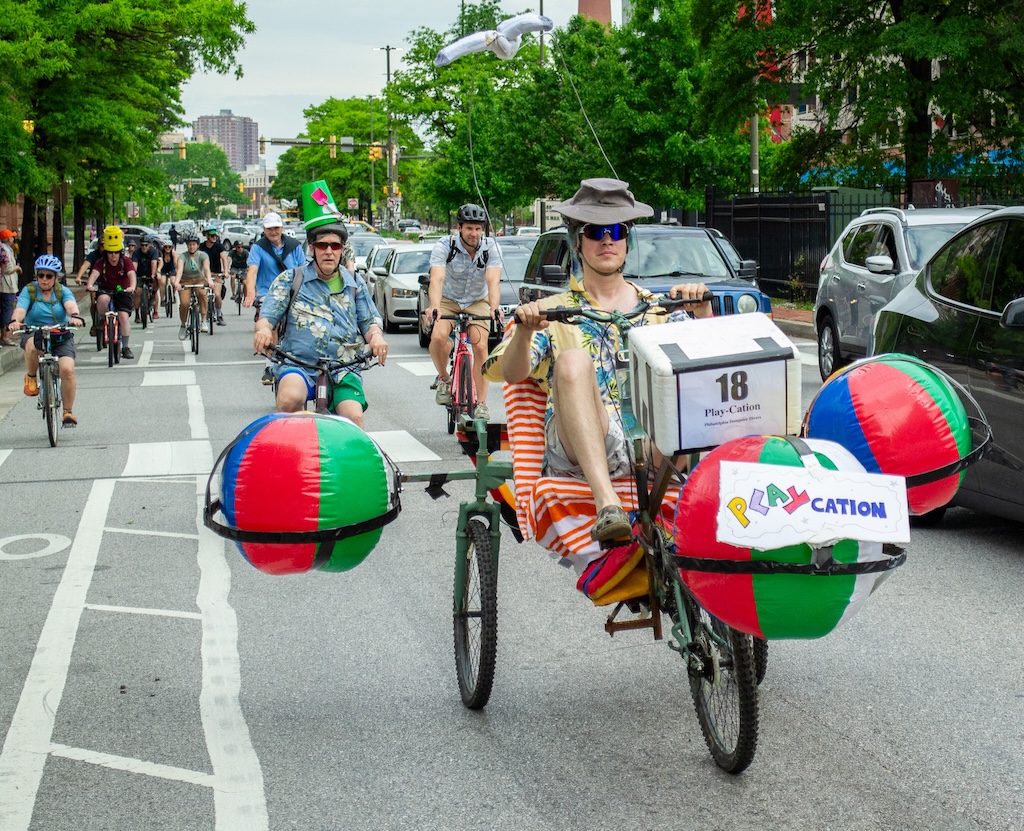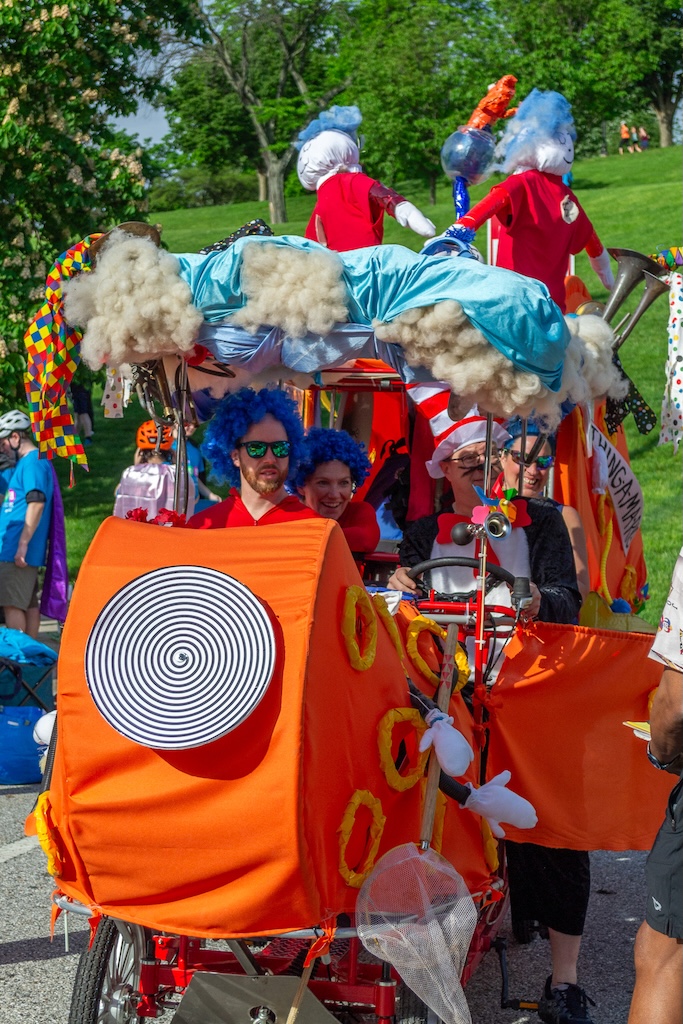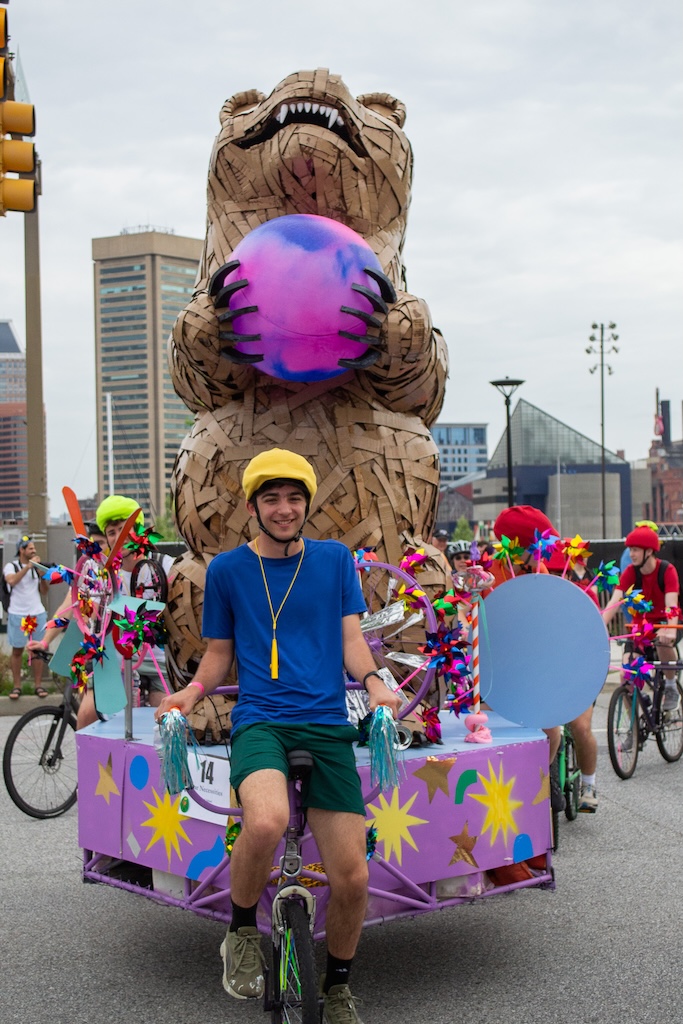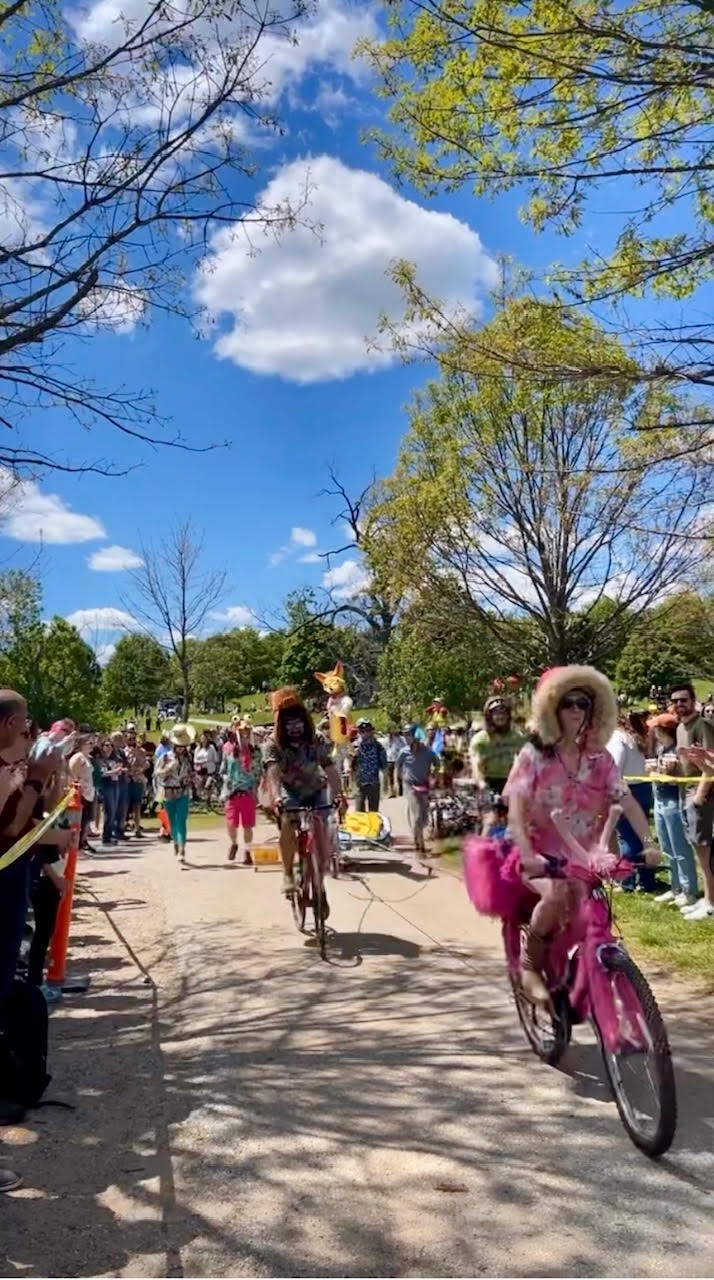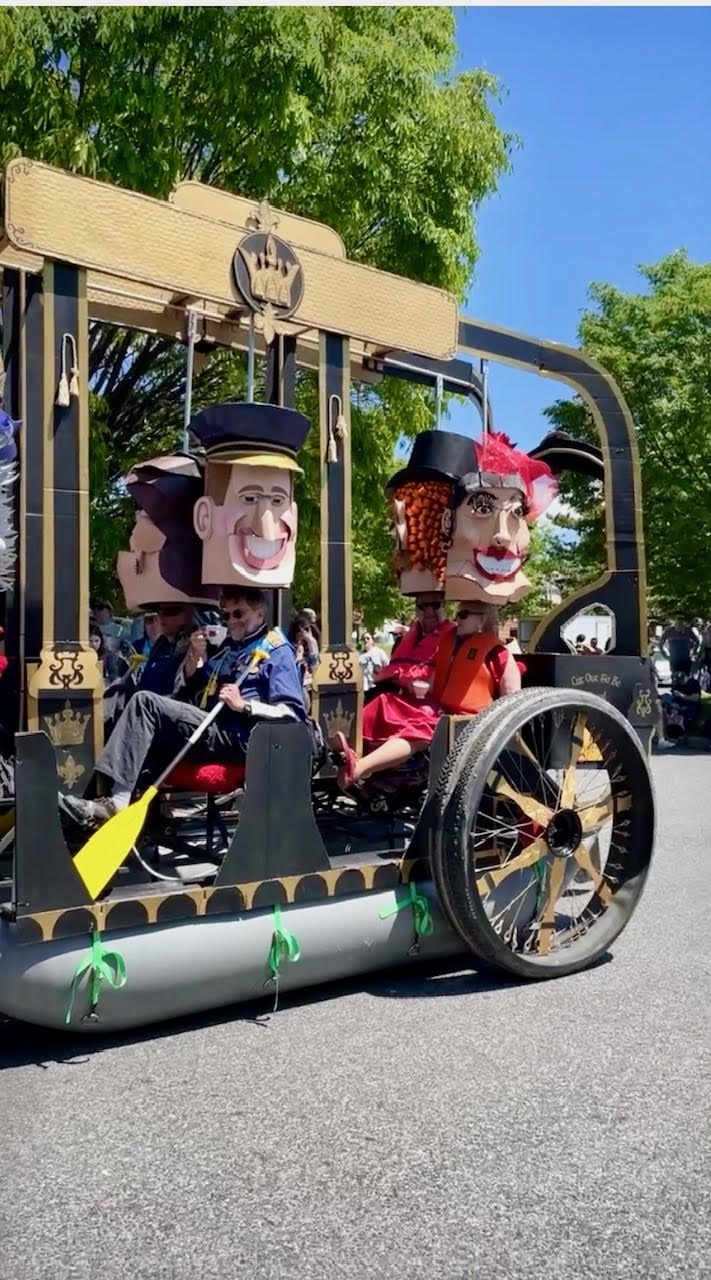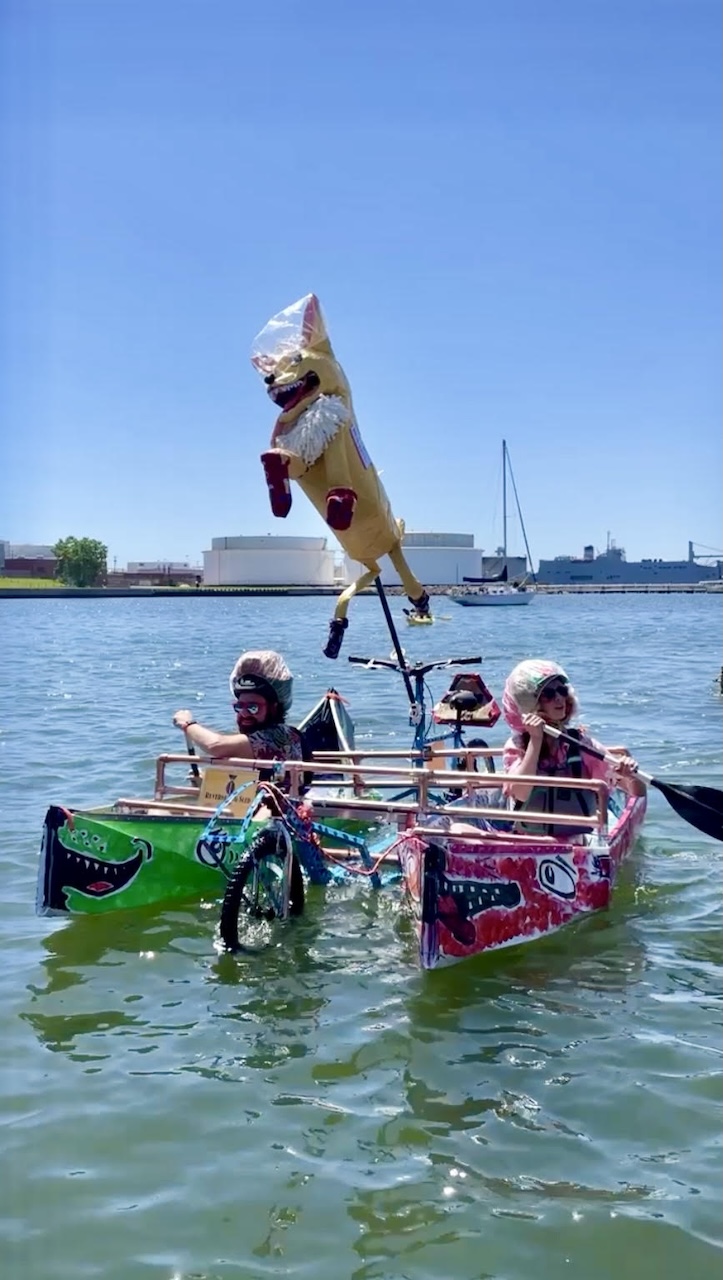

Art can be a cerebral experience that transcends space and time for creators as well as observers. But there is an inescapable physicality when it comes to sculptures. No matter how conceptual an idea may be, a sculptor must consider length, depth, and height when rendering an object into a three dimensional form. And how does a sculpture interact with space?
When Pablo Picasso was working on a public sculpture for the Daley Plaza, he built a maquette and studied the way light and shadows passed through it. That’s just one example of the many variables that sculptors reckon with. But what happens when movement is added to the equation?
In 1969, California artist Hobart Brown toyed with this idea when upgrading his son’s tricycle into a “pentacycle.” He didn’t re-invent the wheel by adding two extra ones, but his silly tinkering became the vehicle for something revolutionary. Not only was his artistic neighbor Jack Mays inspired to make a similar moveable sculpture, but he challenged Brown to a race. The race garnered more participants as well as media attention. Soon it became an annual event in Ferndale, California.
Three decades passed since the pentacycle’s debut race, but that didn’t mean things were slowing down. In 1999, staff members from the newly established American Visionary Art Museum in Baltimore caught wind of Brown’s adventures through a segment on Good Morning America. Theresa Segreti, the Director of Design (and All the Fun Stuff), described Brown as a “cowboy hippie. He looked like the Monopoly Man. He wore a little top hat, he had a big mustache, but he wore overalls. He was this little crazy guy who invented this race.”
Segreti, who has since retired, recalls those early years at AVAM. “It was really in the front of all of our minds to come up with projects that would be galvanizing for the community,” she says. A kinetic sculpture race seemed like the perfect thing. “The race was just wacky and it celebrated things we were interested in. It celebrated creativity. It was art meets engineering.”
Segreti reached out to Brown on a whim to pick his brain and he was receptive. He had helped influence races all over the world, but there was something that piqued his curiosity about Baltimore. “He was really interested in what would happen if the race was in an urban setting.”
Brown visited Baltimore a few times to consult with the AVAM team. “He was very generous with his information,” Segreti remarks. But there were a lot of logistics to consider. “Him telling you how to make it happen and then making it happen were two incredibly different things.”