Reading

Book Review: The Avenue

Previous Story
Article Image

BmoreArt’s Picks: October 14-20

Next Story
Article Image

Creating the Learning Space We Need: Pedagogy Stu [...]

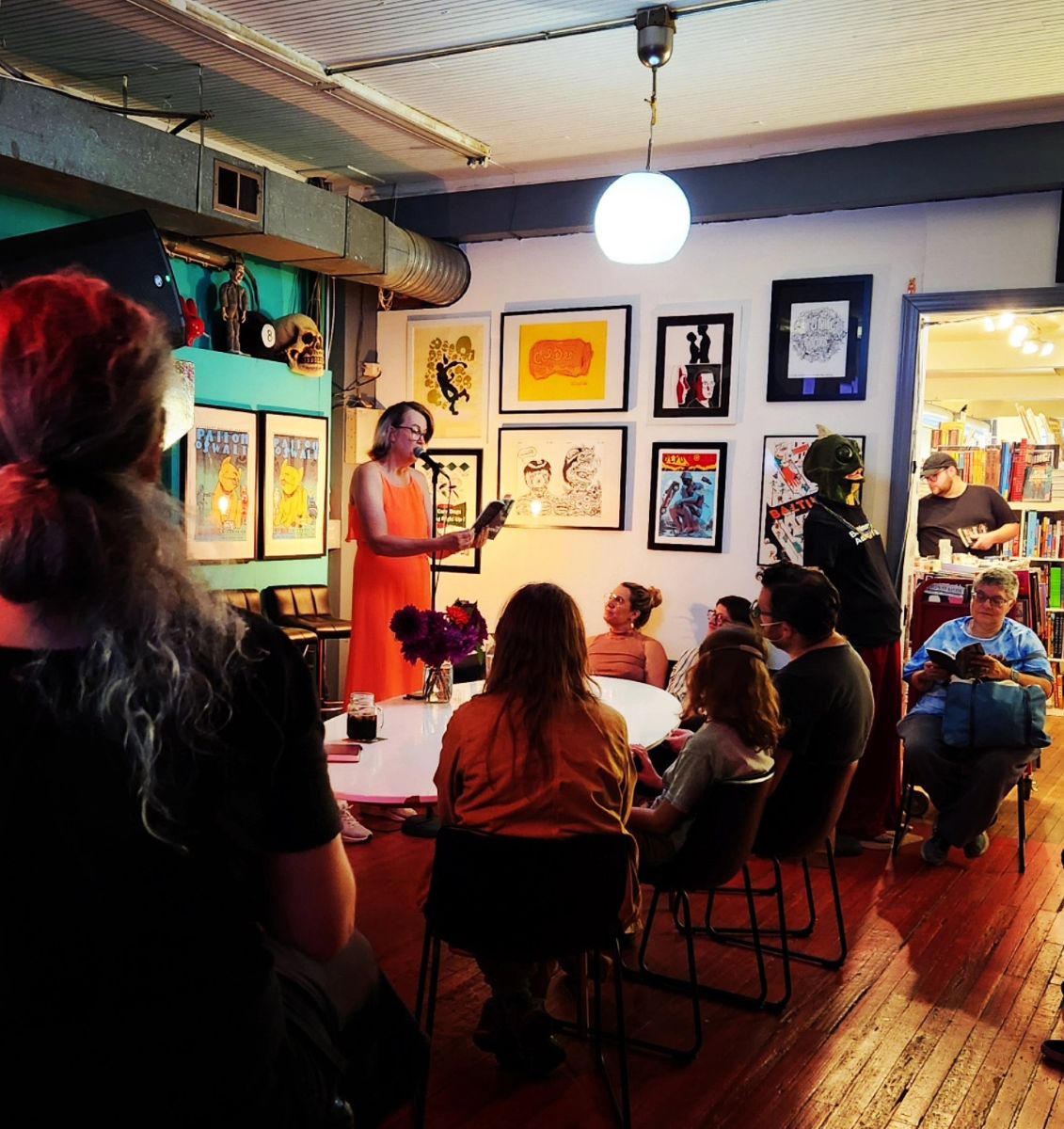
China Martens steps up to the microphone at The Eight Bar in Atomic Books with a bit of glee after store co-owner Benn Ray warmly introduces her. They have a long-standing connection. Martens is a well-known social activist, a zinester who published alt parenting advice long before the internet made it mainstream. Atomic Books assisted her in publishing her past collected zine works, The Future Generation: The Zine-Book for Subculture Parents, Kids, Friends & Others, in 2017. Over the years, she has written many articles for magazines, edited several collections, and participated in numerous activist efforts. But tonight is different. We are here for the inaugural launch of Martens’ first novel, The Avenue.

Atomic Books is the perfect location—it sits on Falls Road, right at the west end of the novel’s namesake thoroughfare in Hampden, a couple of blocks from where Martens lives, and more importantly, across the street from where much of the story in the book takes place. At Atomic Books, you can look out the front window and see the real-life “Avenue” (actually 36th Street) in all its flittering, busy, sometimes messy glory.

Martens discusses her challenging publishing journey with this book. She then reads the first short chapter, which is punchy and engaging, with a sly sense of humor. The crowd erupts in enthusiastic support. The author is relieved; she had worried no one would show up. While a fierce advocate for others, she is sensitive and more willing to admit it than most. Her emotional vulnerability is one of the reasons her writing is so relatable. 

The Avenue, Martens’ short novel, which is precisely one hundred pages long, was first drafted over twenty years ago. It chronicles a fictionalized version of a moment in the author’s life when she, a single mother to a teenage daughter, moved to Hampden and struggled through the mundane of everyday life. Martens put the manuscript aside at the time. She felt it was too revealing and raw, and it contained too much about her daughter, whom she had promised not to write about anymore.

She had reconsidered the novel periodically since. Then, a few years ago, inspired by a retreat and by meeting another writer who took the risk to tell their story via self-publishing a book, Martens decided the time was right, and everything aligned. She worked with an editor to polish the text, and finally pushed through and published through Literary Kitchen.
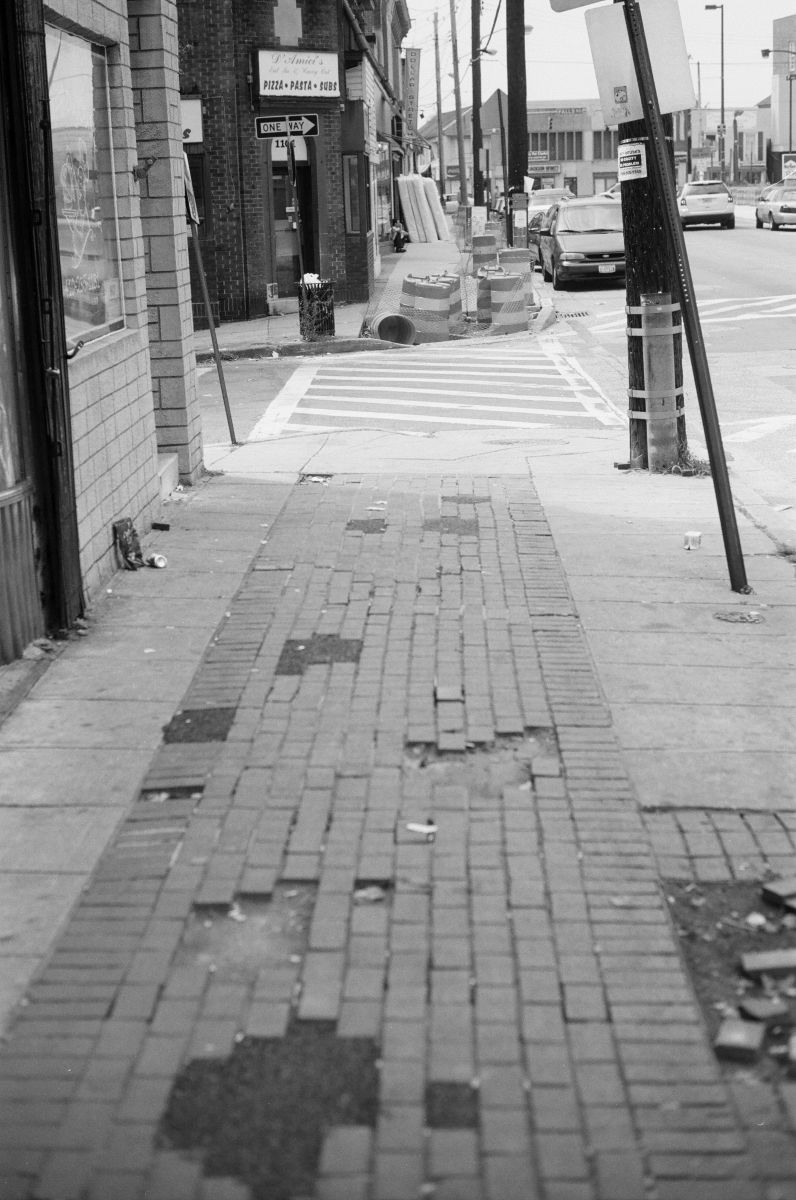
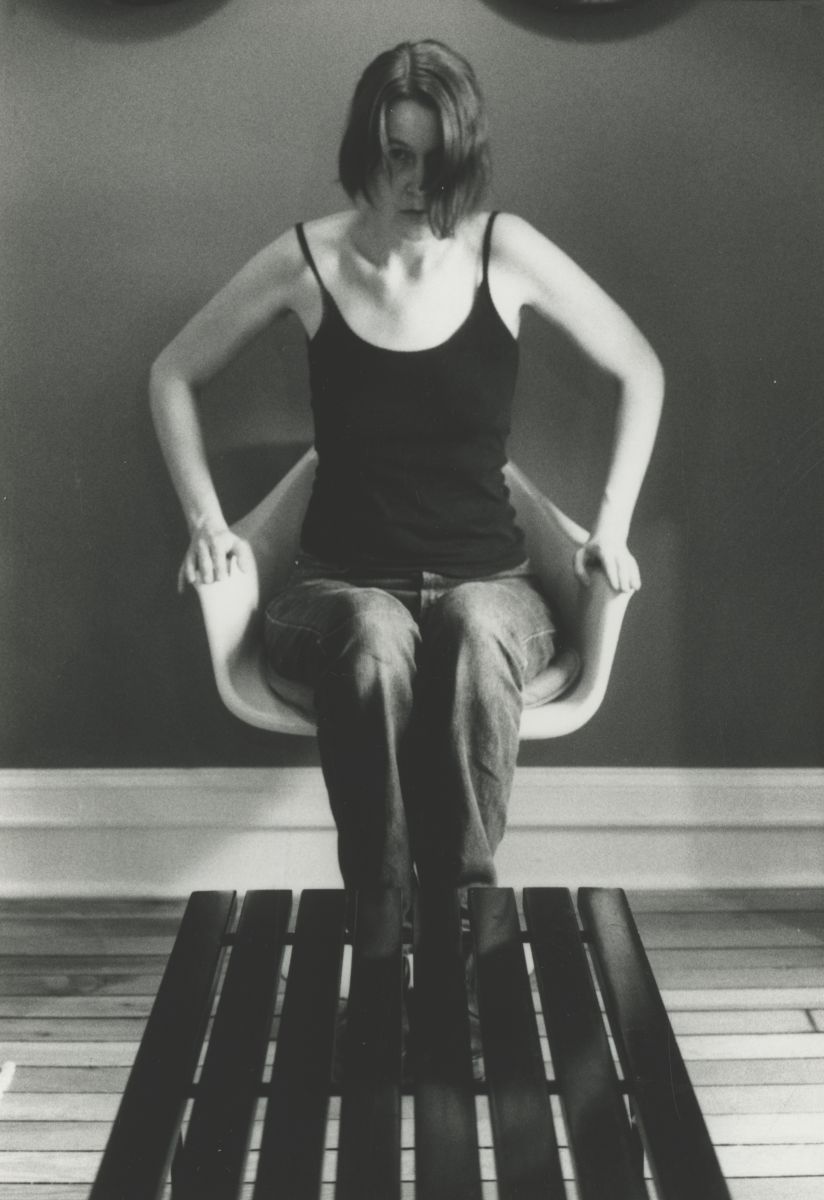
 

Photo of The Avenue in Hampden, Baltimore, circa early 2000's, by China Martens
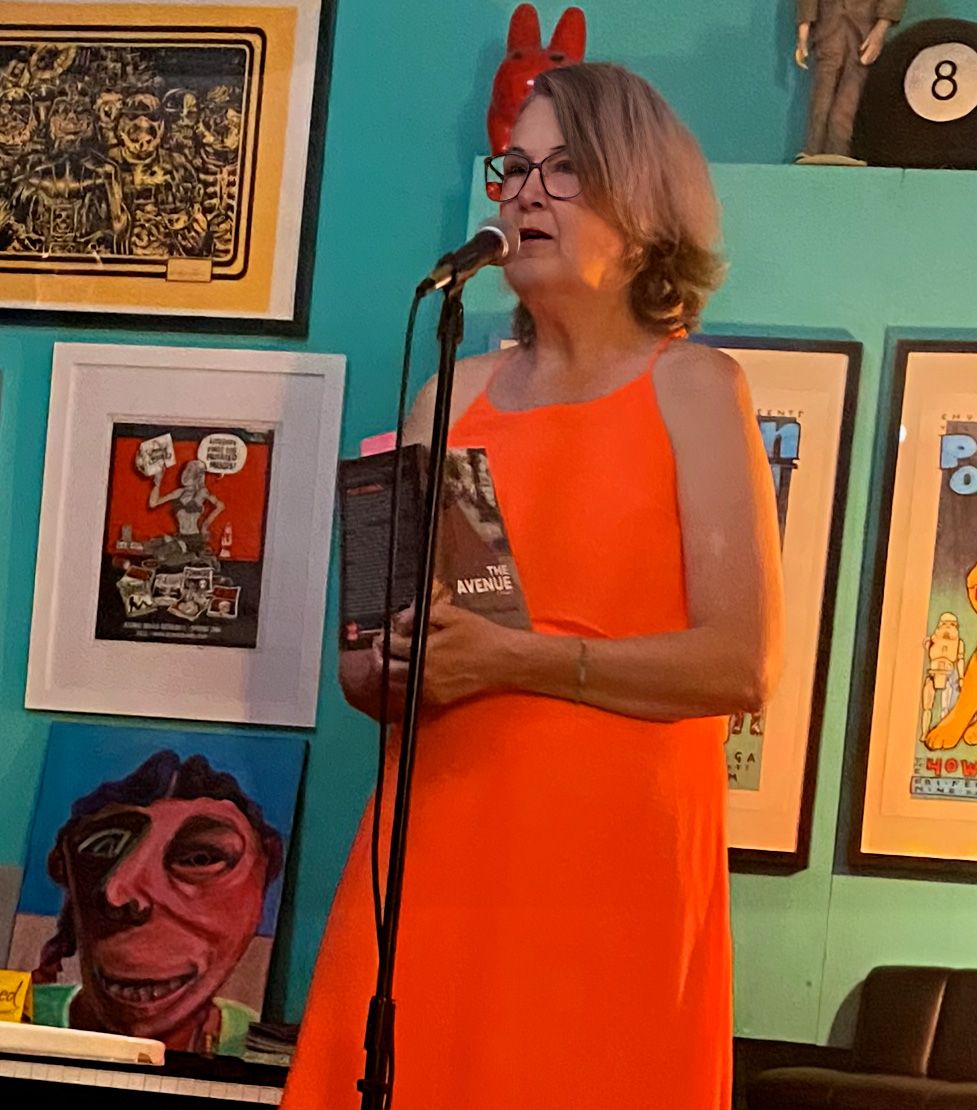
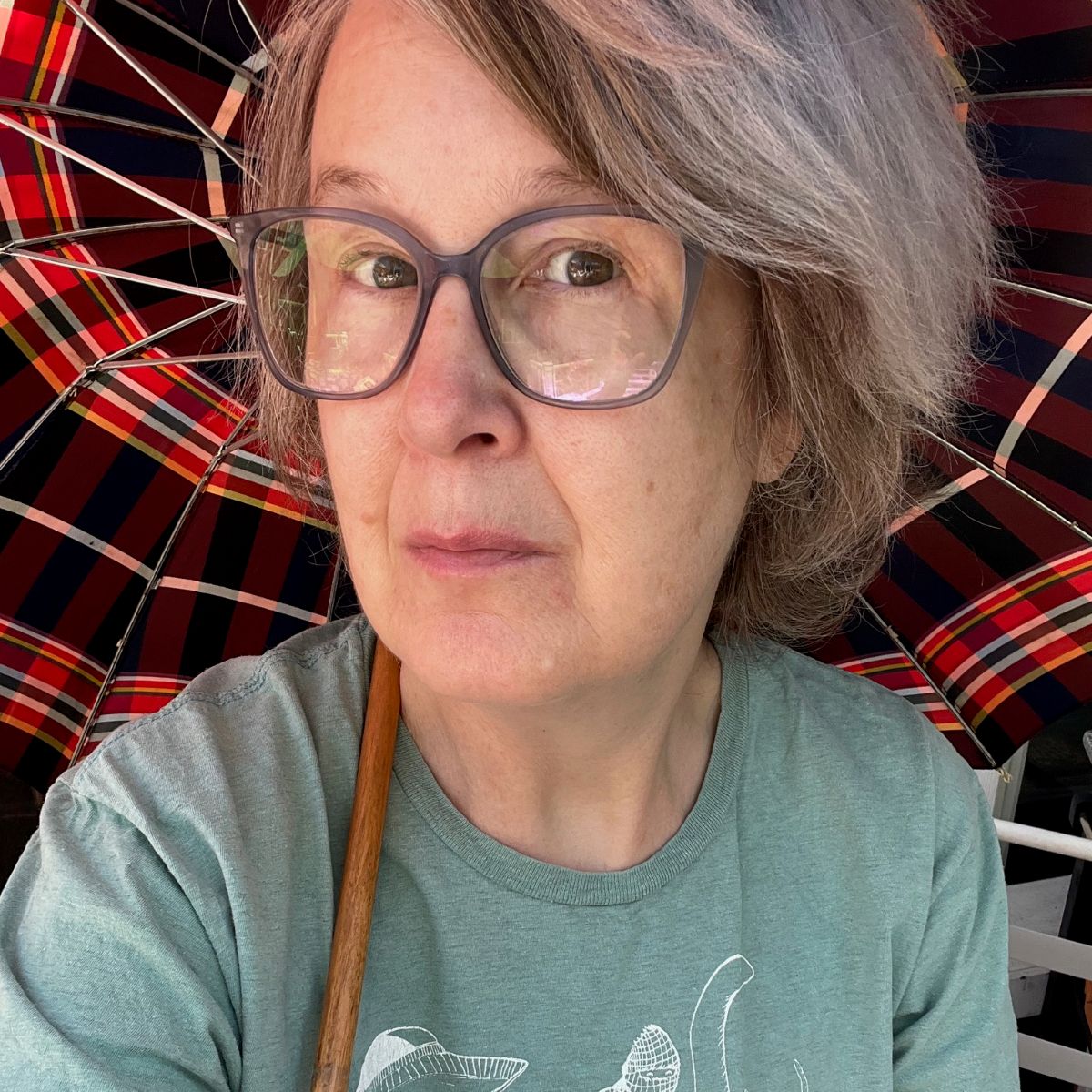
China Martens, photo by Lorin Neiderer

The Hampden neighborhood is well known in Baltimore for its white, migrant working-class roots, primarily from Appalachia, who came to work the nearby mills that once thrived along Jones Falls and were known for their clannish nature. When I moved to Baltimore in the late 1990s, it still had a reputation for segregation and was full of rough-tumble, wiseacre street kids from families you didn’t want to mess with. 36th Street, known as The Avenue by locals, is Hampden’s main street, with all that implies.

In 2004 (when the story takes place), the neighborhood was undergoing rapid change. White-on-white gentrification was underway; property values had skyrocketed, attracting investors. Many nearby warehouses were converted into studio spaces, and more artists began to move in. The Avenue became home to a variety of new restaurants, antique stores, and other boutique businesses, which flourished, pulling clientele in from all over the city, including numerous tourists. The 1998 film Pecker, by John Waters, famously uses the Hampden neighborhood and some of the same issues as the subject of one of his best and most sincere films.

The gentrification of Hampden continues to this day and is now even more displacing, but Marten’s book is less about the outside politics of these changes and more about the main character Mattie’s internal life with her family and work friends in that milieu, focusing on the exploration of the social through the personal. It is an intimate portrait written with spark and delight, even as the characters grapple with the drudgery of the mundane.

Each chapter is focused on a particular place and tale, weaving through relatable stories of motherhood, love, and lust amid day-to-day life. We follow Mattie through one job at a grocery store salad bar (with a group of coworkers described in delightful detail) to another at a rollicking antique store right on The Avenue where we get to glimpse the wheeling and dealing  lives of pickers who resale at a profit through a bevy of tricks while dealing with a fickle public, some alcoholism, and a sex drought.

A main plotline involves Mattie falling slow and sweet for a trickster local record store owner, who has just opened shop and whose charismatic charm turns lubricious even though he is married.

Particularly compelling though, is Mattie’s frazzled parenting of a sparky thirteen-year-old daughter who bursts with riveting determination, pushing back against her former punkster mom. To make things more complicated, Mattie has taken in another, more feral girl at her daughter’s request—an in-need “tomboy” (the confused wrong language of the era left intact for important reasons the author explains in an insightful afterword). The girls’ relationship is more intertwined than initially thought, evident in their chaotic, youthful blossoming lives that include some obvious neck blemishes.

Martens is a focused storyteller who delivers a strong narrative. The book is achingly heartfelt yet a whole lot of fun, a heady read by a writer who knows her craft and lets it fly. The book can be read quickly in one sitting yet the heart of the tale lingers enough to make you want to reread it.

China Martens reading at Atomic Books, photo by Rachel Whang
China Martens reading from The Avenue at Atomic Books

Many of the characters and locations in the book can be recognized if you lived in that area during this time period (as I did). Still, Martens says that events have been significantly altered from her experience; people have been reimagined. At the reading, this sparks a lively discussion about what this kind of fiction is exactly. Auto-fiction, a relatively new term, was introduced by some in the audience, but the author rejects it as too limiting. She prefers the traditional term—just “fiction,” she says.

She argues for an “art as art” approach to her work, allowing it to stand on its own, and hopes for a critical response to it that understands her approach. She is right. The major writers of the late twentieth century that I admired growing up mined their lives in precisely this way, and critics often deciphered it with knowing revelations as well. 

Since the story is based twenty years ago, Mattie feels fictional to Martens despite the resemblances. She often finds her thirty-eight-year-old younger self perplexing. That said, she omitted anything she thought might be hurtful to others or seriously wrong, and throughout the process, she remained, above all, committed to her daughter, whom she had first sought and received permission to write about again.

At the end of the night, when a line forms to get books signed, Martens reveals that a second book is in progress, a kind of sequel. The Avenue clamors for a follow-up, maybe more than one. She participated in the recent Baltimore Book Fair in Waverly and her book did well after people realized its story was connected to Hampden. 

Baltimore takes pride in its own and in the writers who tell its stories. There’s a whole list of them—big names like Anne Tyler, Laura Lippman, Adrienne Rich, Ta-Nehisi Coates, Madison Smartt Bell, and many, many others, of course. But even more numerous and possibly more important are the many local writers who highlight the diverse stories of this region. You can find them through local publishers, excellent organizations like CityLit and The Pratt Library, numerous academic programs, bookstores (like the gem in Hampden—Atomic Books), and at all the readings around town. China Martens has long been part of this community, and with the publication of The Avenue, a new chapter in her already impressive creative career has begun.

As I leave the reading, The Avenue is lively on the cool fall night. Next door, a huge craft beer place with wide open front windows blasts pop music as it fills with noisy clusters of customers. A variety of contemporary eateries, many now offering vegan options, line the street. The latest record store (not the one in the book, but similar) and skate board shop attract a younger crowd. But the 7/11 across the street feels same as it ever did: generations of Hampden residents struggling and thriving, all living through variations of Martens’ universal true life tales—parents confused, bored workers looking for connection and meaning, some street folks struggling—everyone tumbling through some version of lust amid crazy love. In this way, The Avenue, as Martens has noted, is just like every Main Street around.

Pick up or order your copy of The Avenue from your favorite local bookstores, (in particular Atomic Books) or buy it through China Martens’ website.

China Martens

All images courtesy of China Martens

Related Stories
The Definitive Design Textbook's Seventh Edition Diversifies the Canon

The idea of a master narrative and the Eurocentric bias of earlier editions of this text have been pressured, and forced to make room for multiplicity and inclusivity. The history of graphic design appears here fresher, livelier, and more relevant.

MDFF Celebrates the 55th Anniversary of "Multiple Maniacs" with a Special Friday Night Screening at the Parkway

As America deindustrialized, John Waters and his keen observations of Baltimore's decadence have become a chief export. What more content can be extracted? Refined?

BmoreArt’s Not to Miss List

This weekend, September 12-14, indulge in your lit-love with the return of the Baltimore Book Festival. With over 80 authors and six stages, the sheer number of events, readings, and panels on the itinerary could fill a library in itself. Here are a few recommendations from our team.

Plant Stylist and Social Media Influencer Reigns King of the Urban Jungle

A Baltimore native and a creative force, Carter is changing the way people think about greenery in their homes, encouraging the masses to bring nature indoors.