
Reading

The Future is Possible at the Clifton House and So Are You

Previous Story
Article Image

Moonlight Center of Art: New Pigtown Gallery Carv [...]

Next Story
Article Image

BmoreArt’s Picks: August 19-25

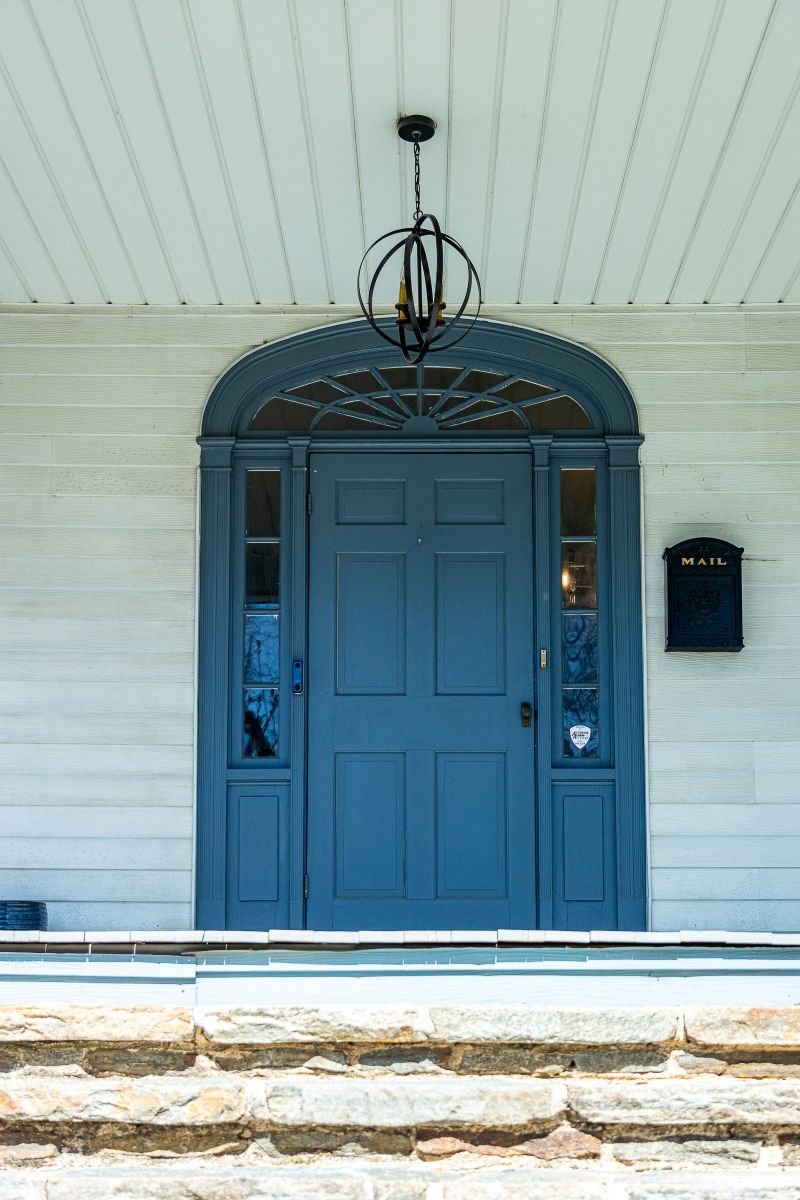
The Clifton House is an undeniably majestic figure. Sitting atop Talbot Road, the 117 year old house overlooks the hills and ravines of Gwynn Falls Park from a stony perch. Arriving at the curb I huff my way to its summiteach step unfalteringboth exhilarated and grounded.

This feeling of responding to a call must be a fraction of what Sidney Clifton felt waking up on the ninth anniversary of her mother’s passing to discover her childhood home was put on the market that very morning. And maybe it’s even a fraction of what the owner had felt when the daughter of renowned poet Lucille Clifton reached out about the status of the property. Six years later, the house is growing into a vibrant community art center and cultural ecosystem unto its own. As its programs gain momentum, the Clifton House is already drawing a steady stream of writers and organizers to its front door.

First as homeowners from 1967 to 1980, and now as ancestors, Lucille and Fred Clifton have called many Black artists and activists into their home this way. Lucille Clifton was a legendary poet-in-residence at Coppin State College, earning the title of Maryland’s Poet Laureate from 1979 to 1985 and publishing tens of celebrated titles alongside a stunning collection of children’s books while in Baltimore. 

Active in the city, Lucille worked with teenage mothers to publish poetry in Chicory Magazine. She became a trustee at Enoch Pratt Library. Sidney’s father, Fred Clifton, did most of his work behind the scenes as a community activist and professor. His political savvy was matched by expressive and technical talent as a sculptor, critic, and visual artist. Some locally may know him as one of the planners of Dunbar High School relocation. Others might remember his leadership of Maryland’s delegation to the National Black Political Convention. 

During the family’s residence they raised Sidney along with five of her siblings, created seminal works, and strategized with elected officials, educators, and other artists to organize political and cultural transformation in Maryland and beyond. The home was blessed by the presence of community—neighbors who would join Fred Clifton for yoga, Lucille listening to the little ones playing in the family room or yard while she wrote at the dining room table. In the hands of the Cliftons, the home became a sanctuary for artists, activists, and children. 
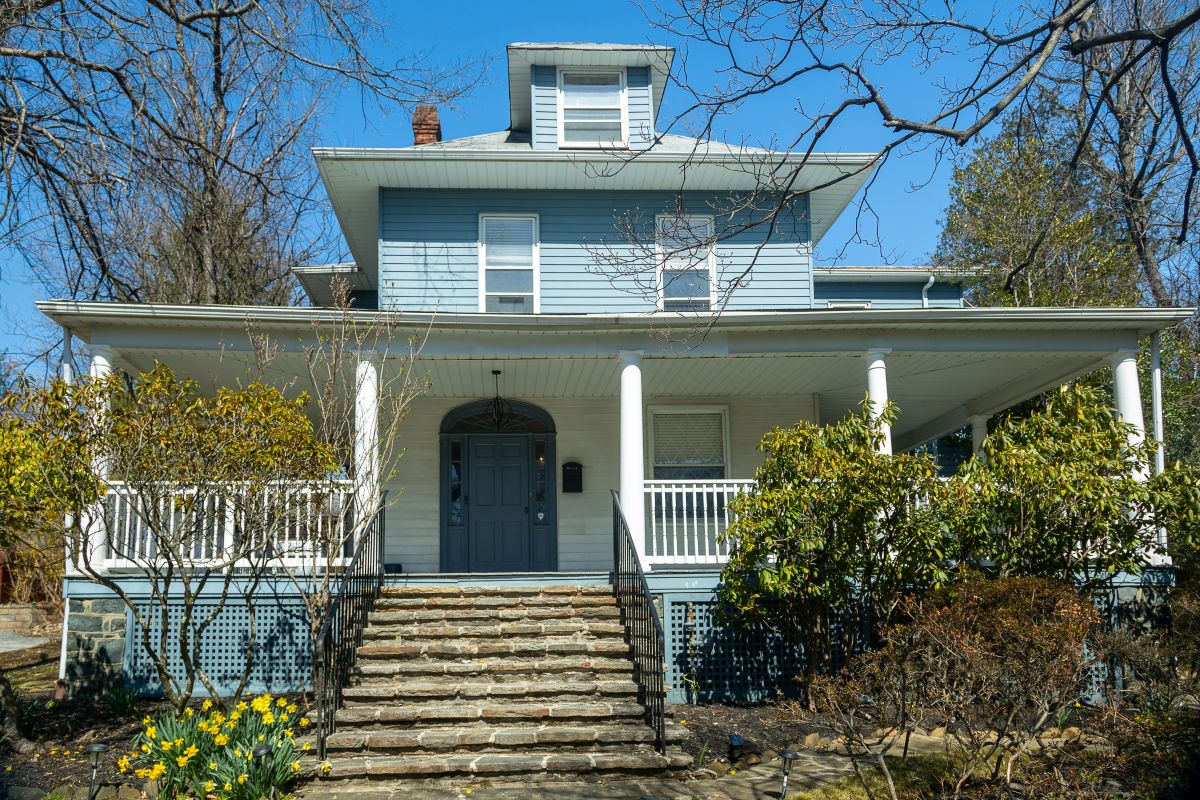
 

First as homeowners from 1967 to 1980, and now as ancestors, Lucille and Fred Clifton have called many Black artists and activists into their home.
MacKenzie River Foy

The mission of the house today sits in alignment with this history, expanding under the steadfast stewardship of Sidney Clifton to nourish the creative ecosystem in Baltimore City. Sidney remembers growing up and feeling safe in the tight-knit community of Windsor Hills, often exchanging creative inspiration with her parents as they worked. Her vision for the house seeks to reclaim that culture of connection, cooperation, and cross-pollination. She describes the space today as a womb where poets, artists, and creative activists can be nurtured and reborn, returning to the world fortified. “Growing up I wanted to be a midwife or an architect,” she says. “Here, I am both.” 

In service to this vision, Sidney is joined by Director of Programs Joël Diaz and Programming Coordinator Jenné Afiya Matthews in curating in-person and virtual gatherings throughout the year and maintaining the home. Together, the Clifton House team is stoking the flames of Baltimore’s creative ecosystem, becoming a unique nexus of poetry, pedagogy that bell hooks would certainly recognize as homespace—a political sort of domesticity. Homespaces, hooks theorizes, are a domain allowing respite from the domination that affects every aspect of our daily lives while challenging the racist and heterosexist order by making room to practice vulnerability, creativity, and cooperation. 

“This is a place where people come to feel more possible,” Diaz emphasizes. While Baltimore was recently recognized on a global arts stage for the vibrancy and character of its creative ecosystem, he acknowledges that this moment is no renaissance—cultural richness is a longstanding feature of Baltimore City. He points out the fact that, “In a lot of ways, this is the result of many, many decades of artists pouring into the city.”  

The practice of leading with generosity is a core feature of the Cliftons’ legacy in Baltimore. Watching Diaz and Matthews think through programming that connects local photographers, writers, and filmmakers to visiting artists from out of town, it seems they share the Cliftons’ commitment to gifting space, resources, and relationships freely and purposefully. Matthews offers that this perhaps is what warmed Baltimore to the Cliftons so quickly. “Baltimoreans can be cautious with newcomers or outsiders, and rightfully so. Sometimes people feel like we put folks ‘through the ringer’ but we want to see who is really sincere,” she admits. “And the way the city has embraced the Cliftons stands out as a testament to the genuine love that they shared with the city. Real recognizes real, you know.” 

Stewards of these historic places play a role in the preservation not only of our culture, but of our lands, waters, and neighbors—both human and non-human.
MacKenzie River Foy

Each room in the Clifton House, even its exterior landscape, is an altar honoring the past lives of the space and all that it has contained. The house will forever tell the story of the sweet romance between a young, devoutly generous Black couple and a life they built together.

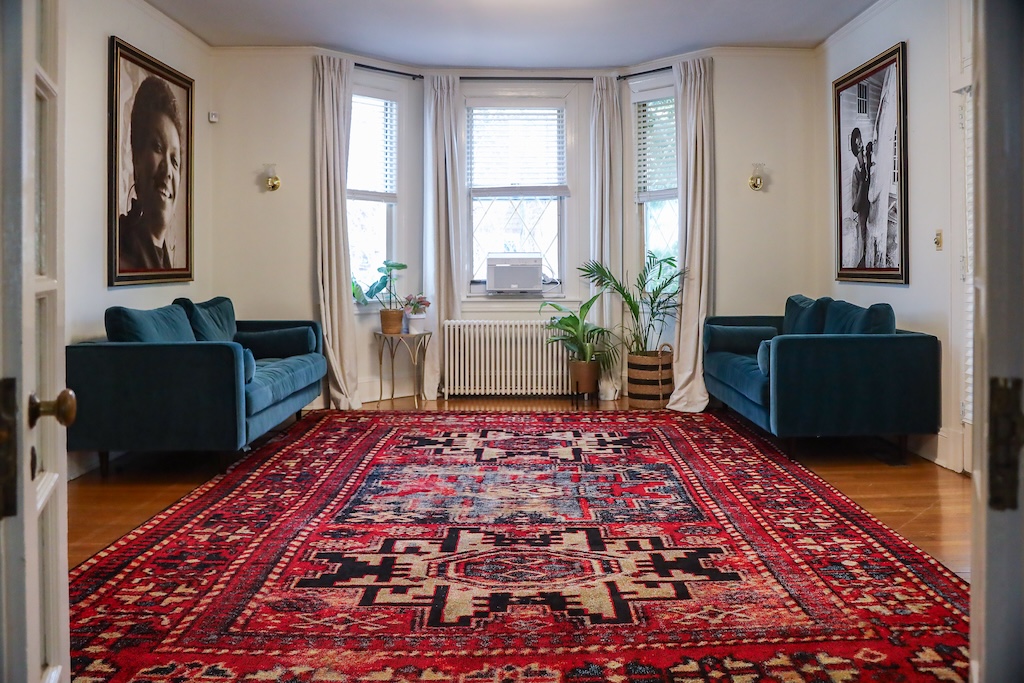
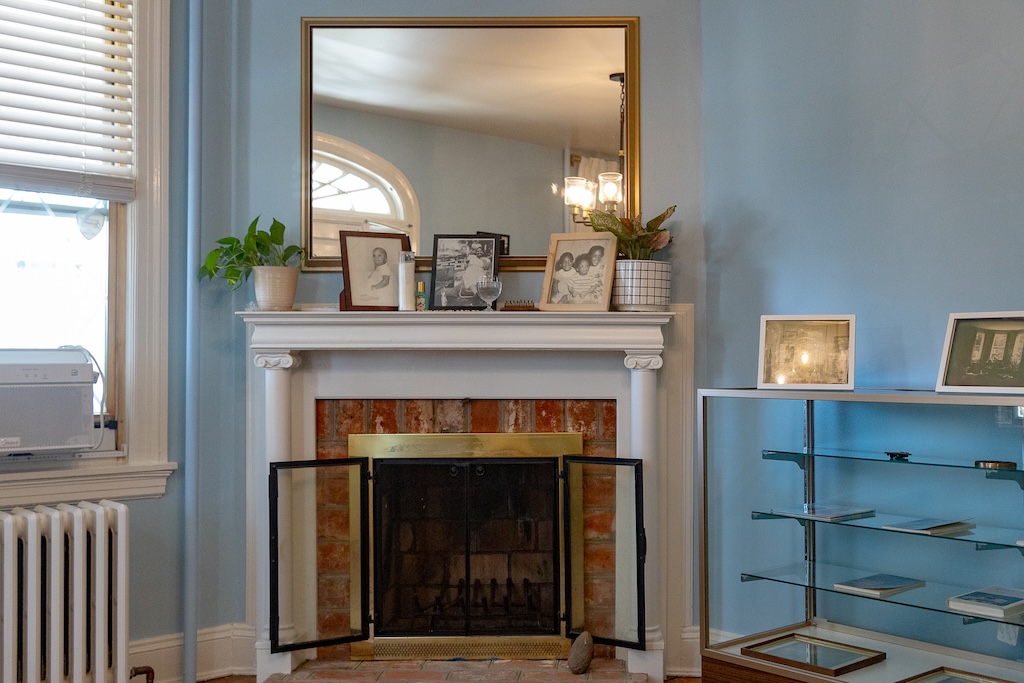
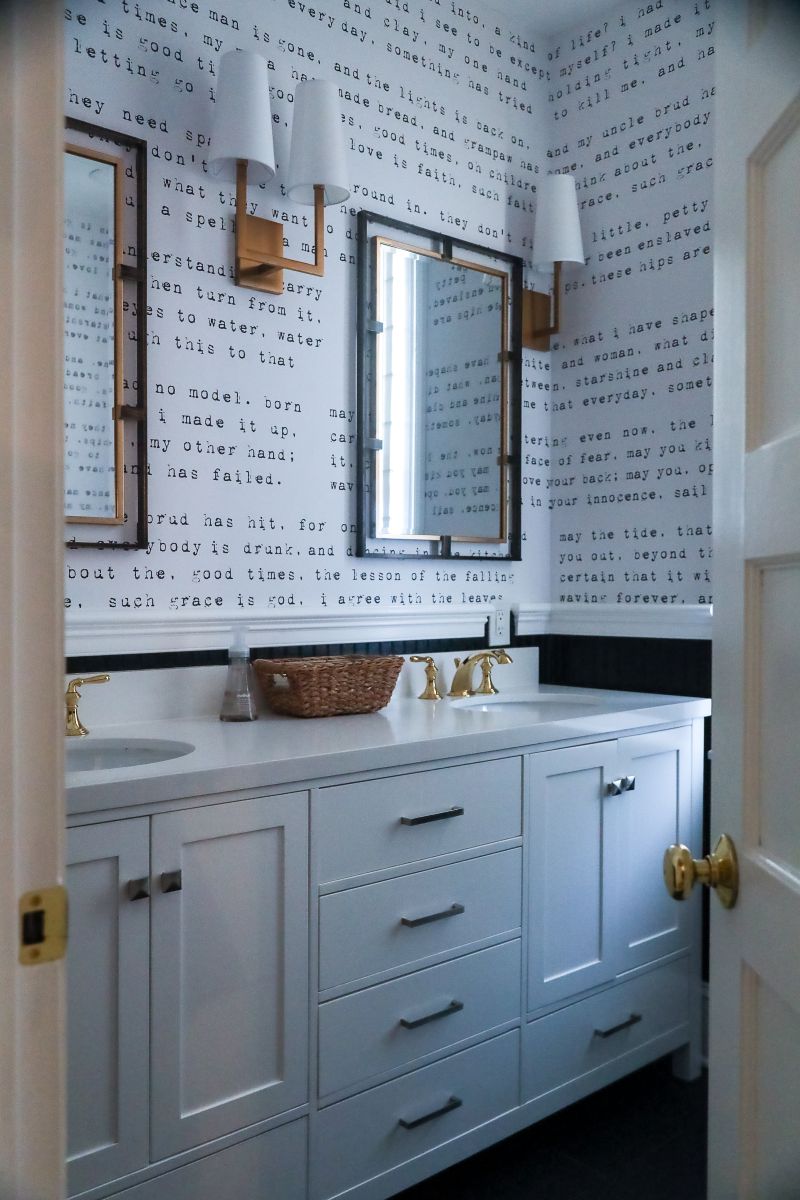
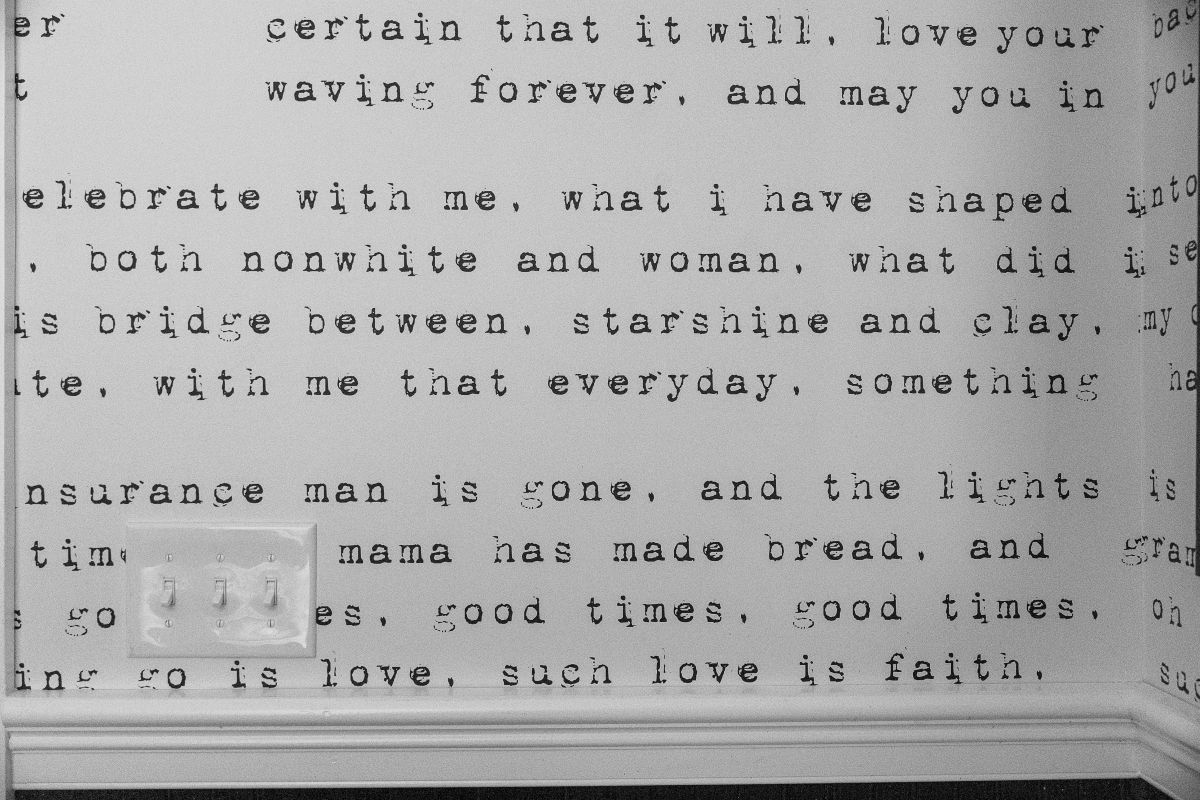
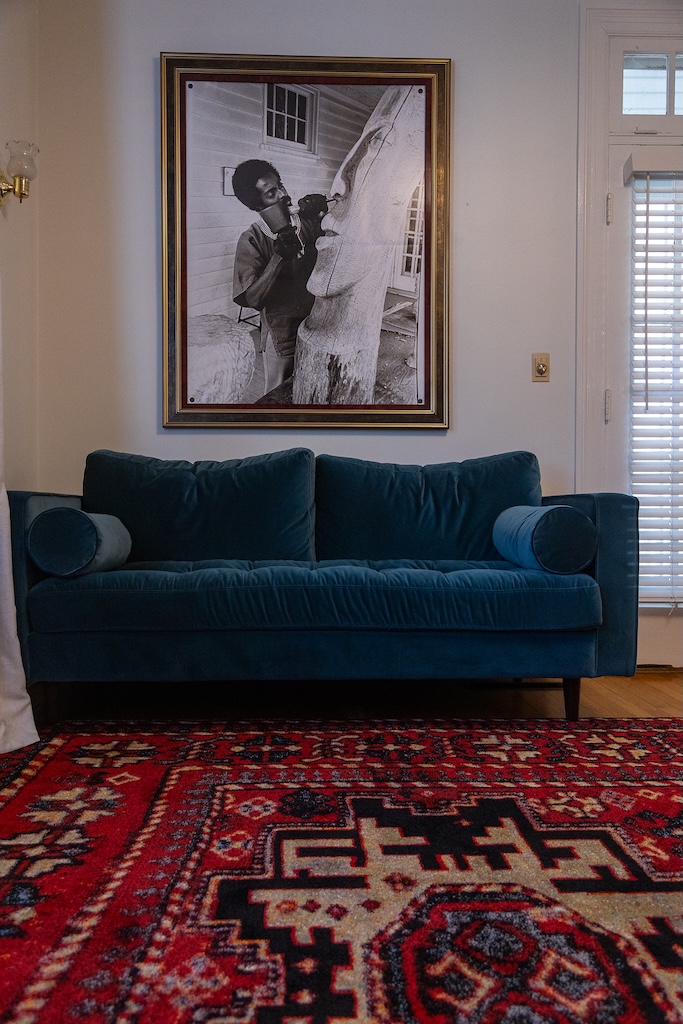
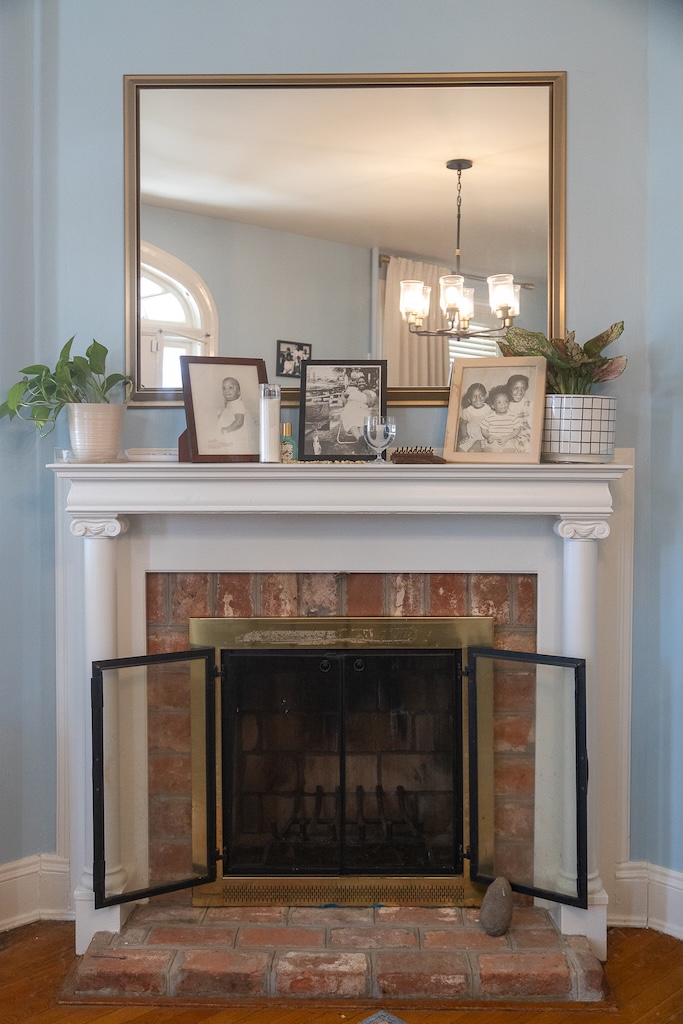
Walking into the foyer, I’m met with warm hardwood and a mantle adorned with family photos. A glass case holds artifacts brought up from the Clifton archives at Emory University, including some of Fred Clifton’s photography of the house in the 1970s. Diaz reflects on the overwhelming tenderness that the Cliftons’ archive is steeped in: “You can tell from how he photographed Baltimore that he loved [the city].” The bathroom is draped in lines of Lucille Clifton’s poetry on a custom wallpaper. A sunny lounge holds a modest library and large scale photos of the couple on the wall.

Beyond a thoughtfully arranged living room and event space, lies a classroom complete with several drafting tables for teaching illustration. This room is where a collection of children’s books authored by Lucille Clifton also live: richly textured and dynamic illustrations of Black children at play, of families holding each other together, and of tricksters planning mischief. These are documents of collaboration between visual and literary artists, and certainly a foreshadowing of what’s to come here. Diaz shows me where a young Sidney Clifton had signed her name inside the closet door. “We are also in the process of making our mark upon this house,” he chuckles. 

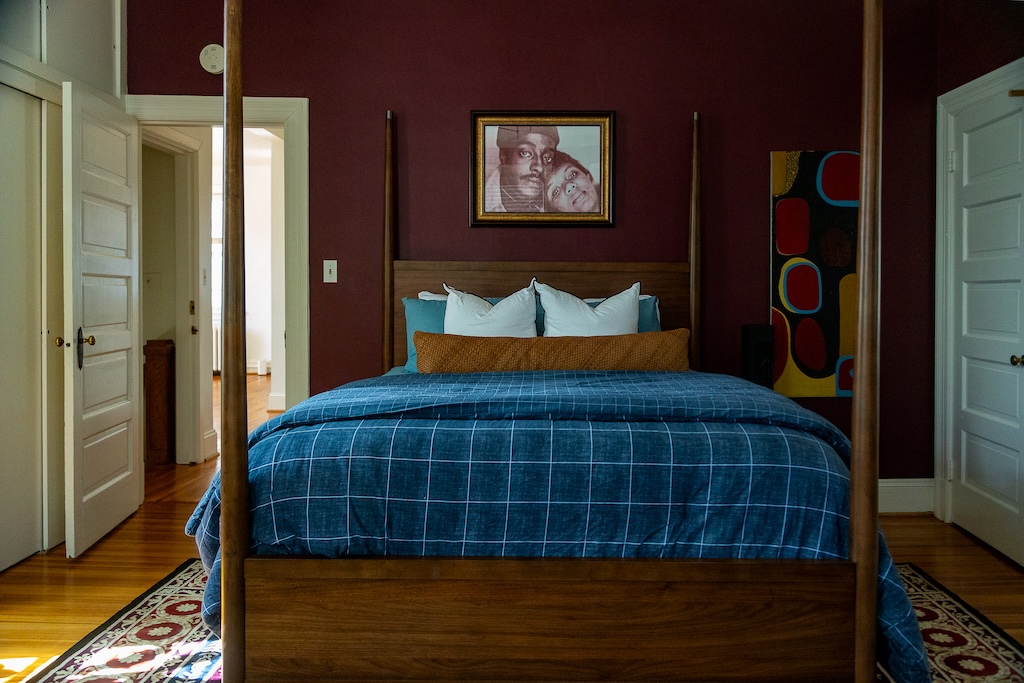
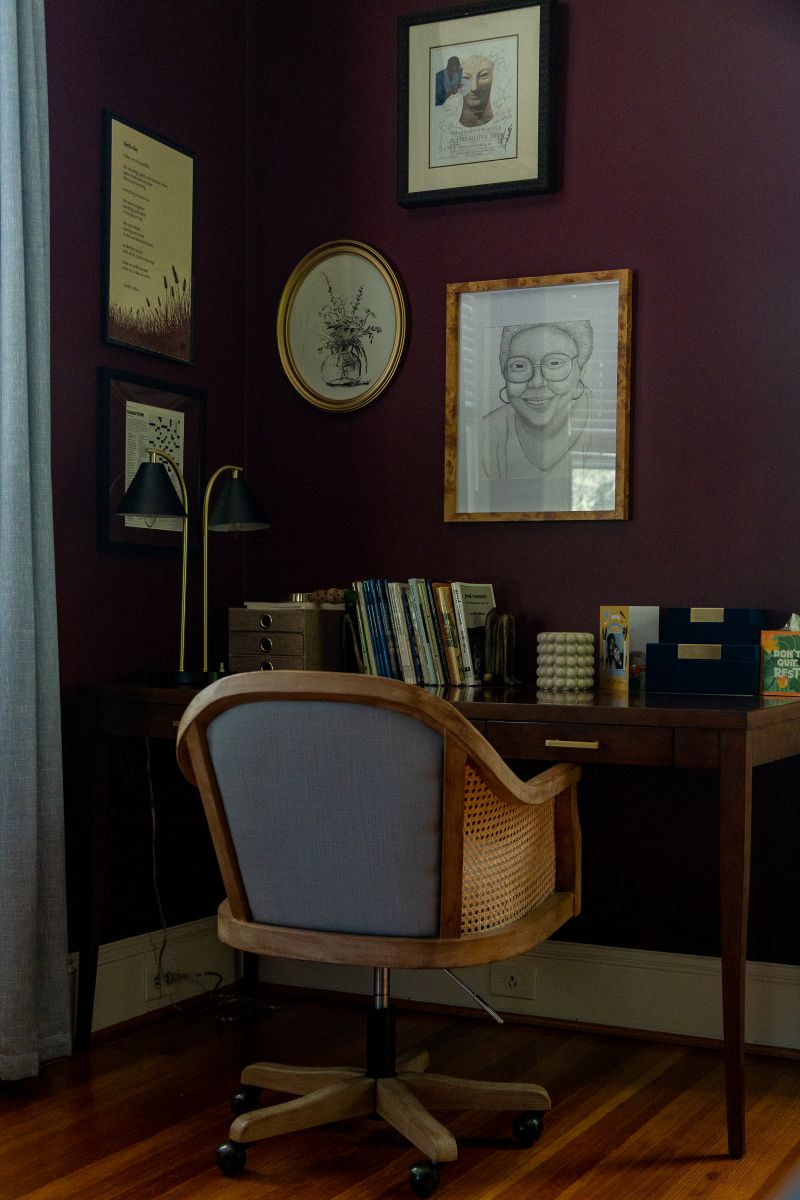
My tour continues upstairs, where Diaz tells me they hope to create a gallery space to hold exhibitions. In addition to the bedroom where Fred and Lucille Clifton used to sleep—where Lucille Clifton wrote her first book of poetry—Diaz shows me several guest bedrooms. These aspire to eventually host resident artists. For now, renovations at the house are ongoing.

Four years after its launch in 2021, the Clifton House is keeping their calendar full, even with the house under restoration. 

In the fall of 2024, the Clifton House launched a film screening series, First Films, celebrating film projects by new, up and coming, and first time writers and directors in the Afrodiasporic community. March, (2025) the Clifton House offered “Listening for the Ancestors: Sound, Place, and Spirit in Memoir/Life Writing” with Zandria Robinson—one in a string of sold out workshops. In late June (2025) the space held a 3-day commemorative event and ritual,  “All of My Bones Remember.” With guest authors, aja monet, Honoree Fanonne Jeffers, and Nikky Finney among many more, this event celebrated not only Lucille Clifton’s birthday, but other significant milestones for the Clifton House. 

As the Clifton House expands the intellectual and cultural legacy of the Clifton family, a harmonious frequency is forming in the city, a building resonance between the living legacies of Black cultural projects like AFRO Charities, the Valerie J. Maynard Foundation, Charm City Cultural Cultivation, Billie Holiday Center for Liberation Arts and those who steward them. Against a backdrop of housing instability and infrastructural failures that plague this country, and amidst local housing injustices that have no happy ending, this home is indeed a salve. 

“I don’t know a single Black person in Baltimore who hasn’t lost a home,” Matthews says, remembering the grief unearthed when participants in Robinson’s memoir writing workshop were asked to remember and write about home. Stewards of these historic places play a role in the preservation not only of our culture, but of our lands, waters, and neighbors—both human and non-human. This work—placemaking, community building, poetry—is about our survival against the precarity of empire, even as we watch it crumble around us. Reclaiming our homes and sharing them, being unprecious with ourselves, and most precious with each other is a way to remain.

While Lucille Clifton famously ‘had no model,’ she seems to have gifted us one. A blueprint of the possibilities for getting Black homes, spaces, and lands back. A mandate: Call your people home. Follow intuition. Work together. Give endlessly. Fight for what is yours. Repeat. Or in the words of Lucille Clifton, “come into the / black / and live.”

You can find more information about the Clifton House and their upcoming events here

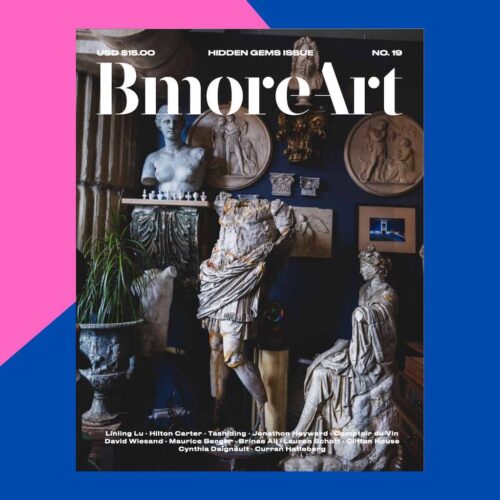
This story is from Issue 19: Hidden Gems, available here.

Related Stories
The Definitive Design Textbook's Seventh Edition Diversifies the Canon

The idea of a master narrative and the Eurocentric bias of earlier editions of this text have been pressured, and forced to make room for multiplicity and inclusivity. The history of graphic design appears here fresher, livelier, and more relevant.

MDFF Celebrates the 55th Anniversary of "Multiple Maniacs" with a Special Friday Night Screening at the Parkway

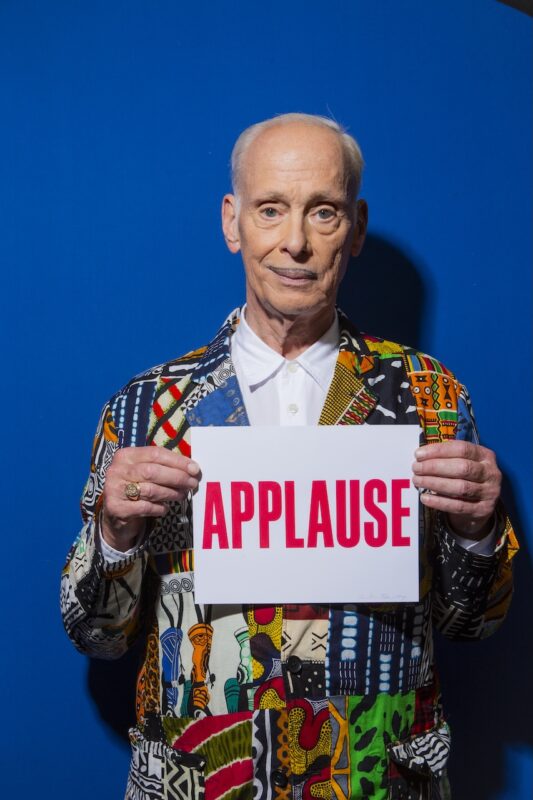
As America deindustrialized, John Waters and his keen observations of Baltimore's decadence have become a chief export. What more content can be extracted? Refined?

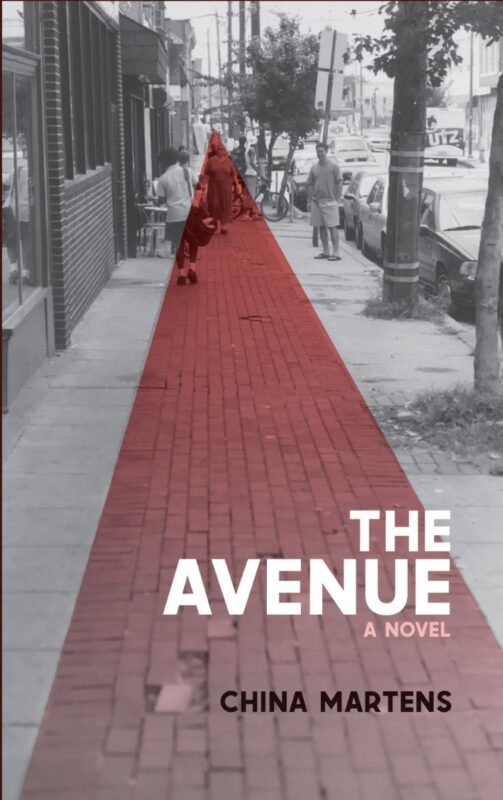
China Martens' Debut Novel is a Striking Polaroid of Early Noughties Mayhem and Motherhood in Baltimore

Martens is a focused storyteller who delivers a strong narrative. The book is achingly heartfelt yet a whole lot of fun, a heady read by a writer who knows her craft and lets it fly.

BmoreArt’s Not to Miss List

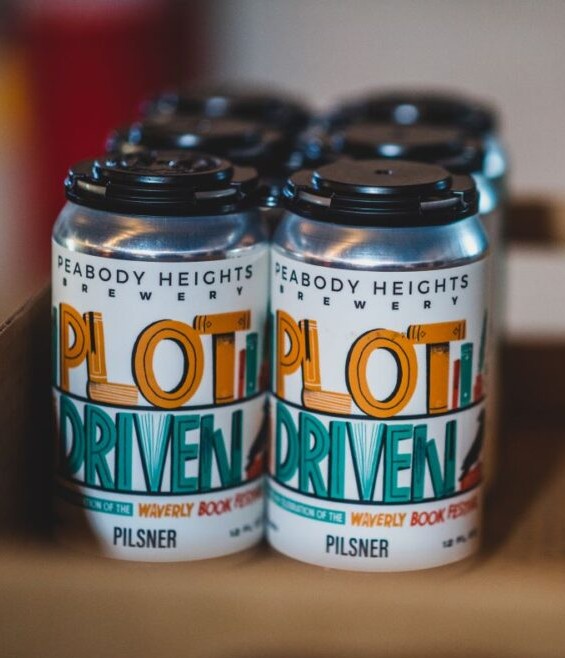
This weekend, September 12-14, indulge in your lit-love with the return of the Baltimore Book Festival. With over 80 authors and six stages, the sheer number of events, readings, and panels on the itinerary could fill a library in itself. Here are a few recommendations from our team.