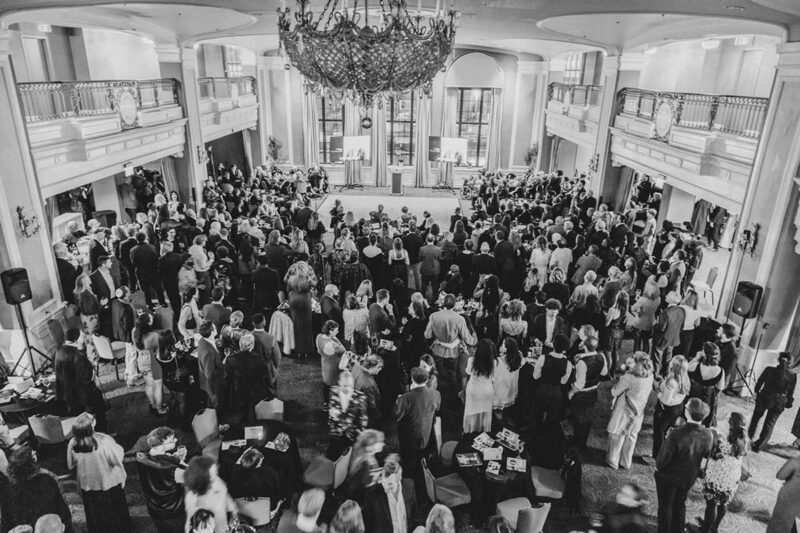

Lost on winding country roads, navigating the green hills of Baltimore County, my first introduction to Tashiding is a long private driveway neatly scaffolded by groves of copper beeches, willow oaks, and Dawn redwoods. Then, I notice the archers spread out across the hayfield, practicing their craft in front of five life-size Qin warriors, reproductions in stone from the famous terra-cotta warriors of Xi’an, China. I had received a truly unique invitation: to attend a Bhutanese archery competition at a private home in Maryland and, having arrived, find myself seemingly transported to another country or time period.
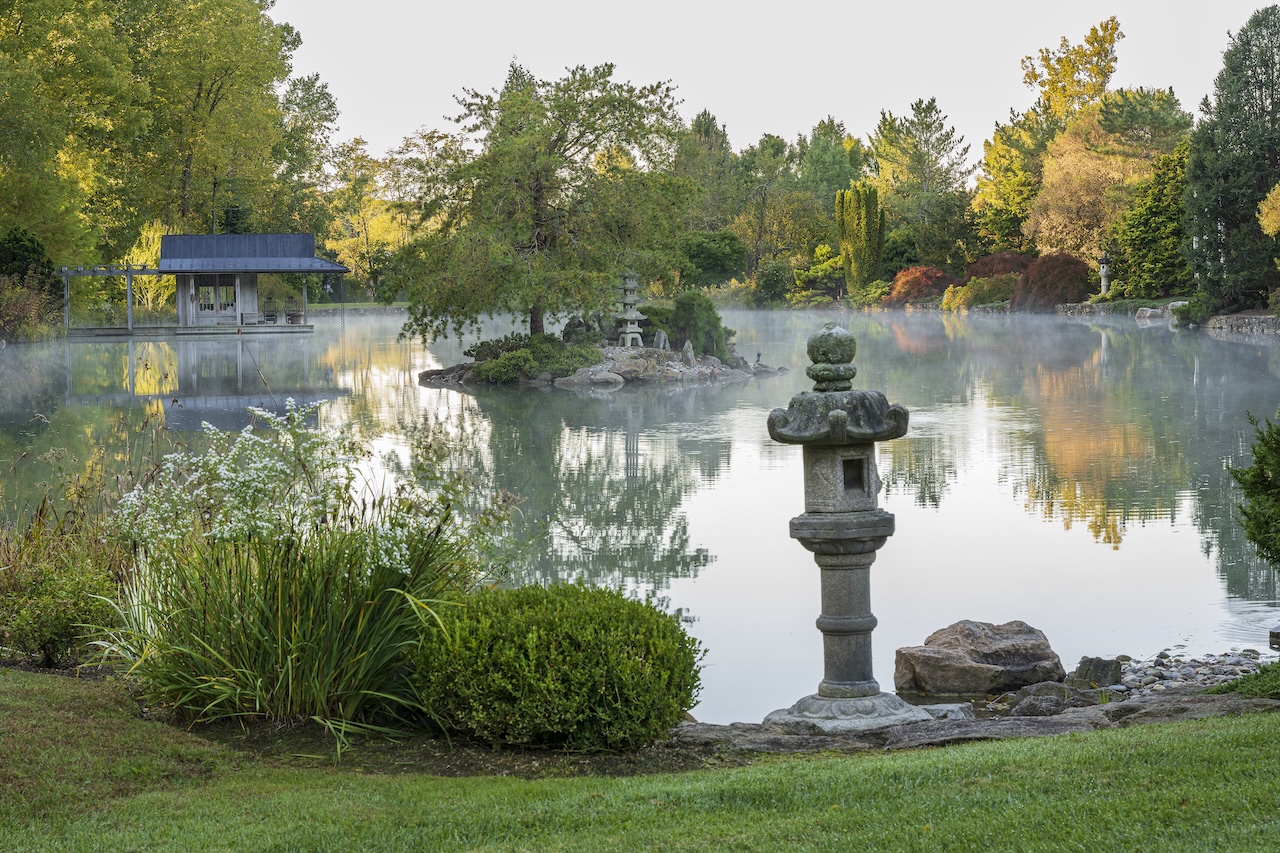
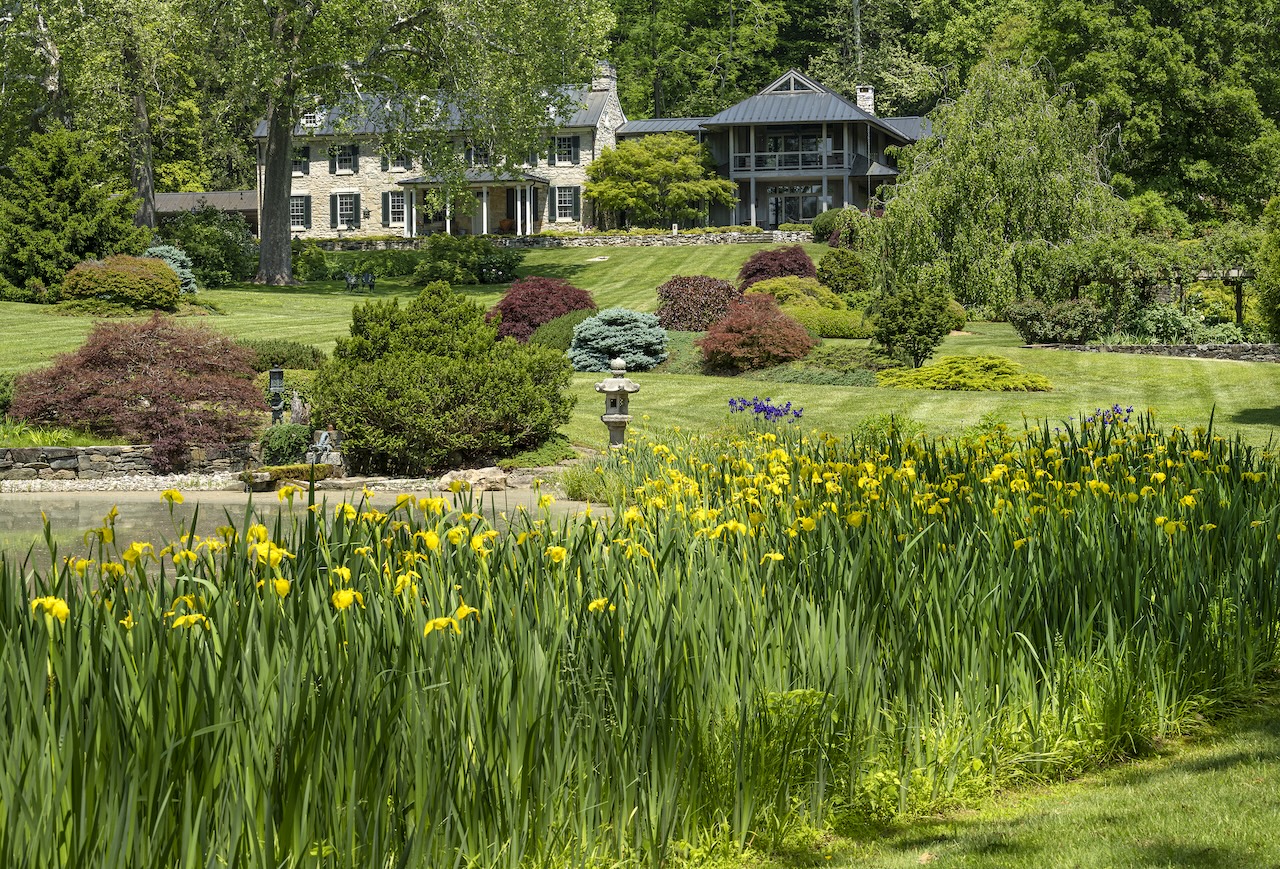
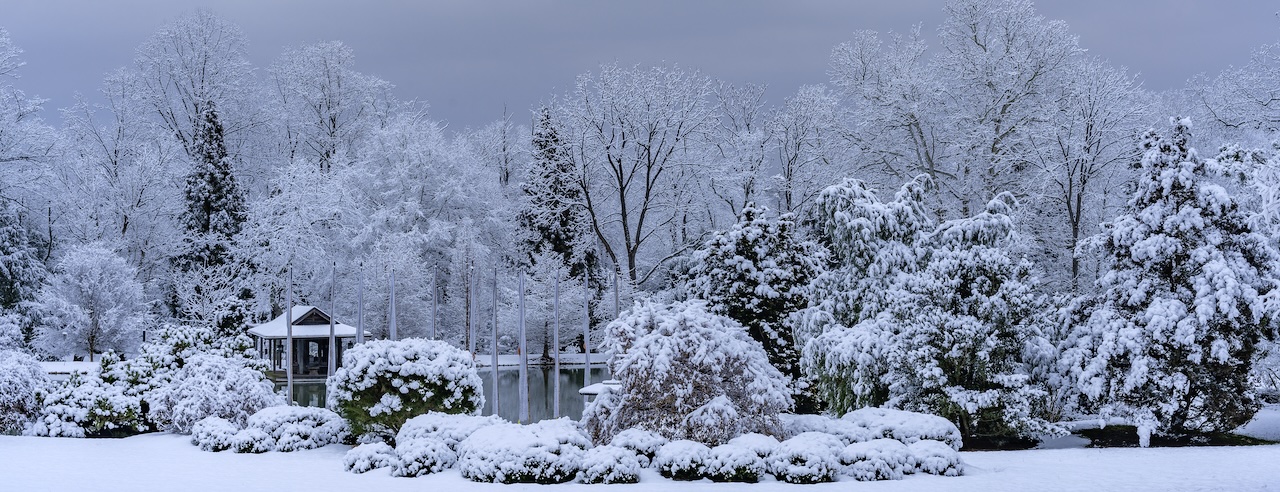
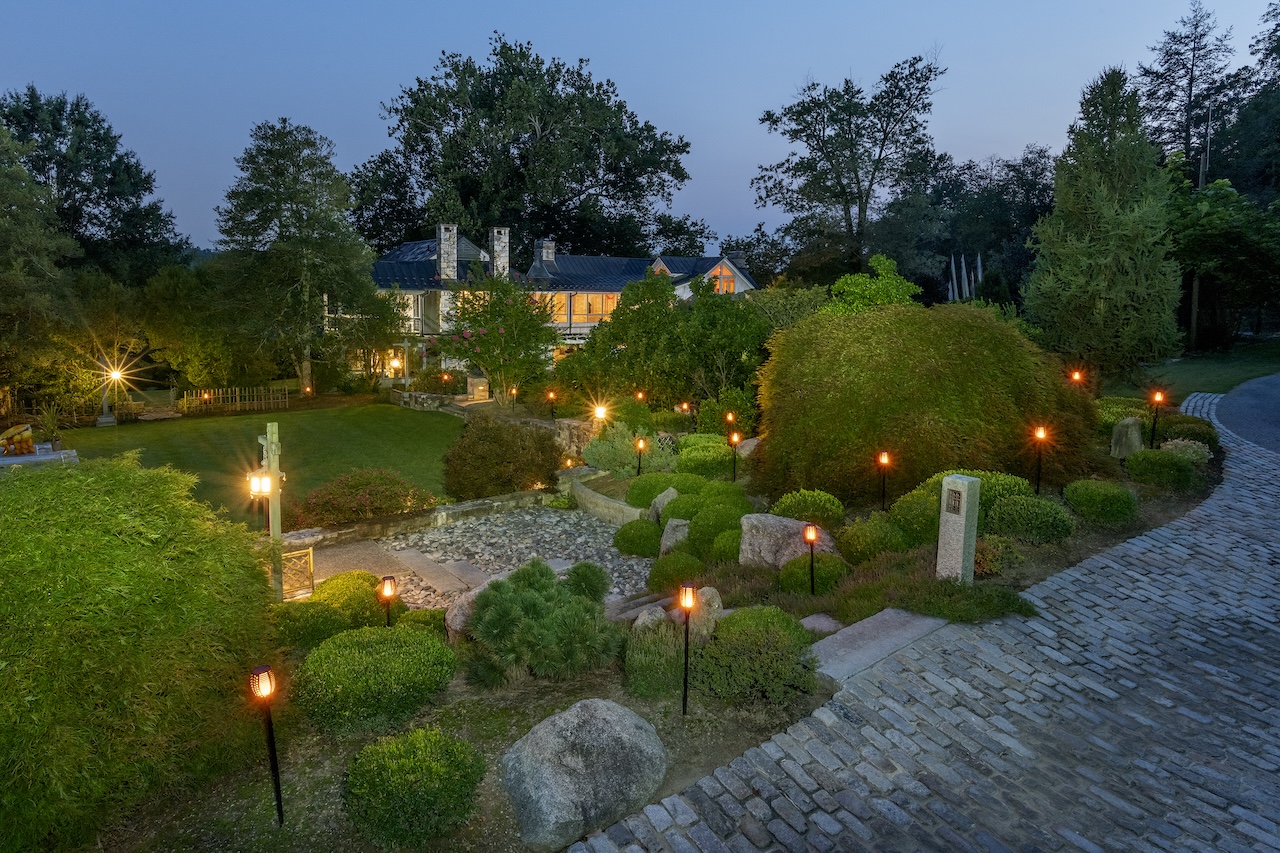
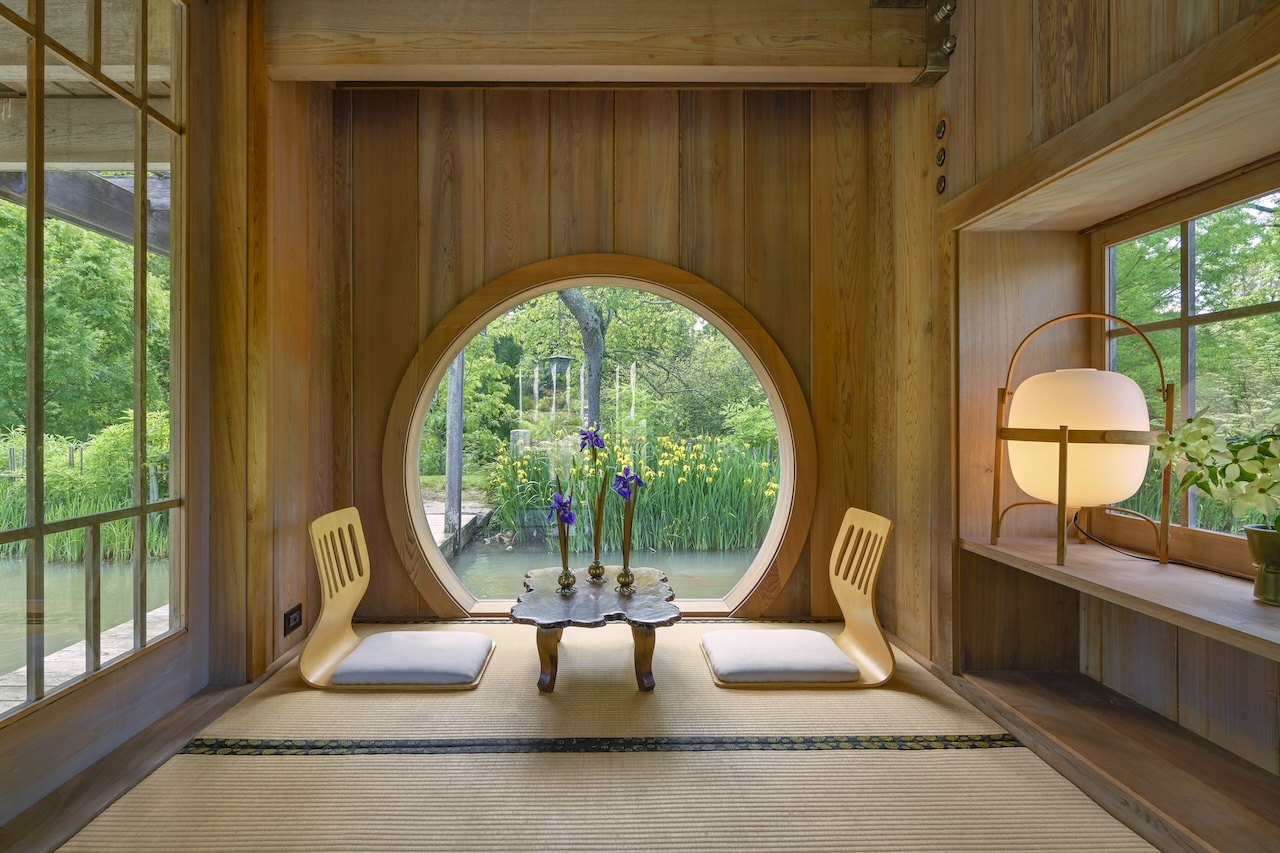
A few breezy tents frame the sidelines, guests with folding chairs and blankets dot the lawn, the archers in traditional Bhutanese garb shoot arrows at a target under the gaze of the stone figures. Parking the car nearer to the old stone farmhouse, the landscape bursts with every shade of green. Two life-sized bronze giraffes tower overhead, encircled by a grove of native walnut and mulberry trees. Rows of Himalayan Buddhist prayer flags wave casually in the breeze, printed with text to reinforce their message. Dozens of antique granite Japanese lanterns and pagodas punctuate the vast property, but the focal point is the stone and glass house located high up on the hill which faces a small lake.
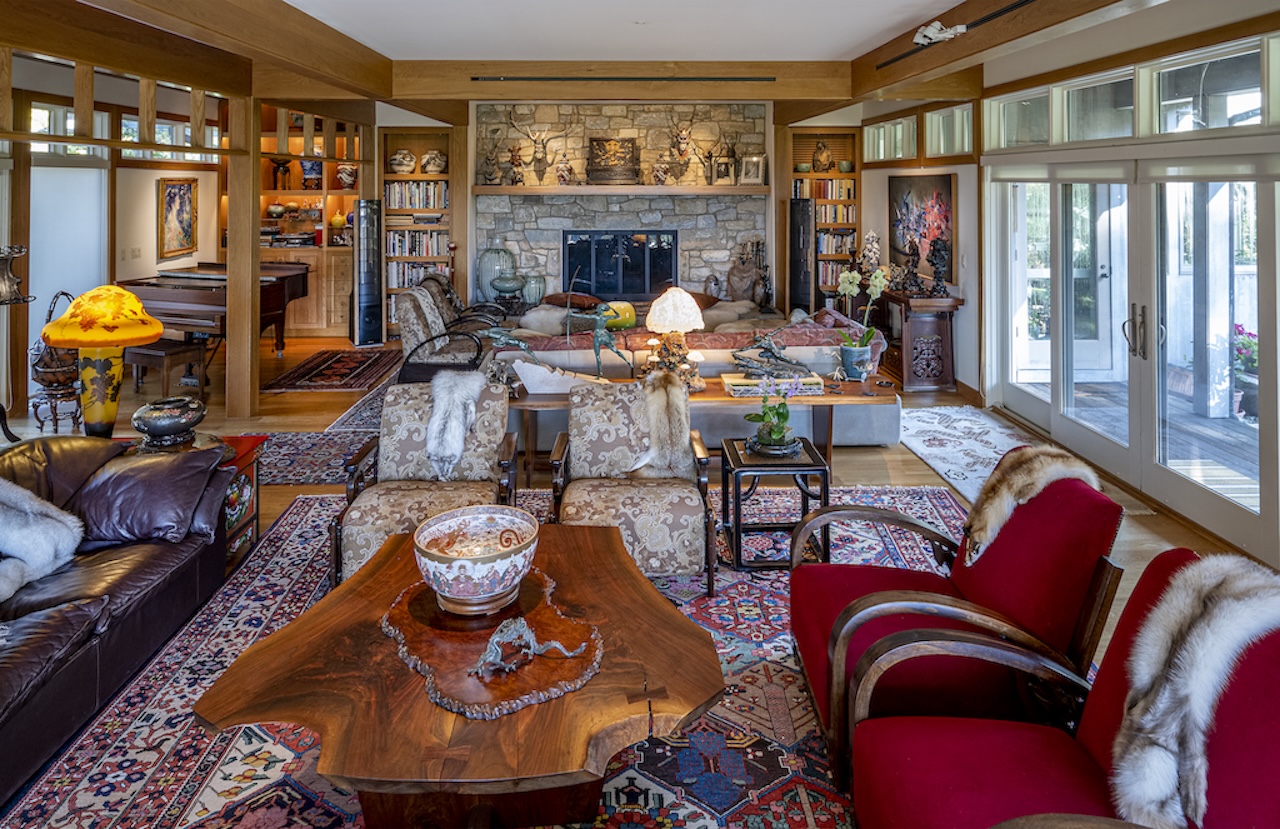
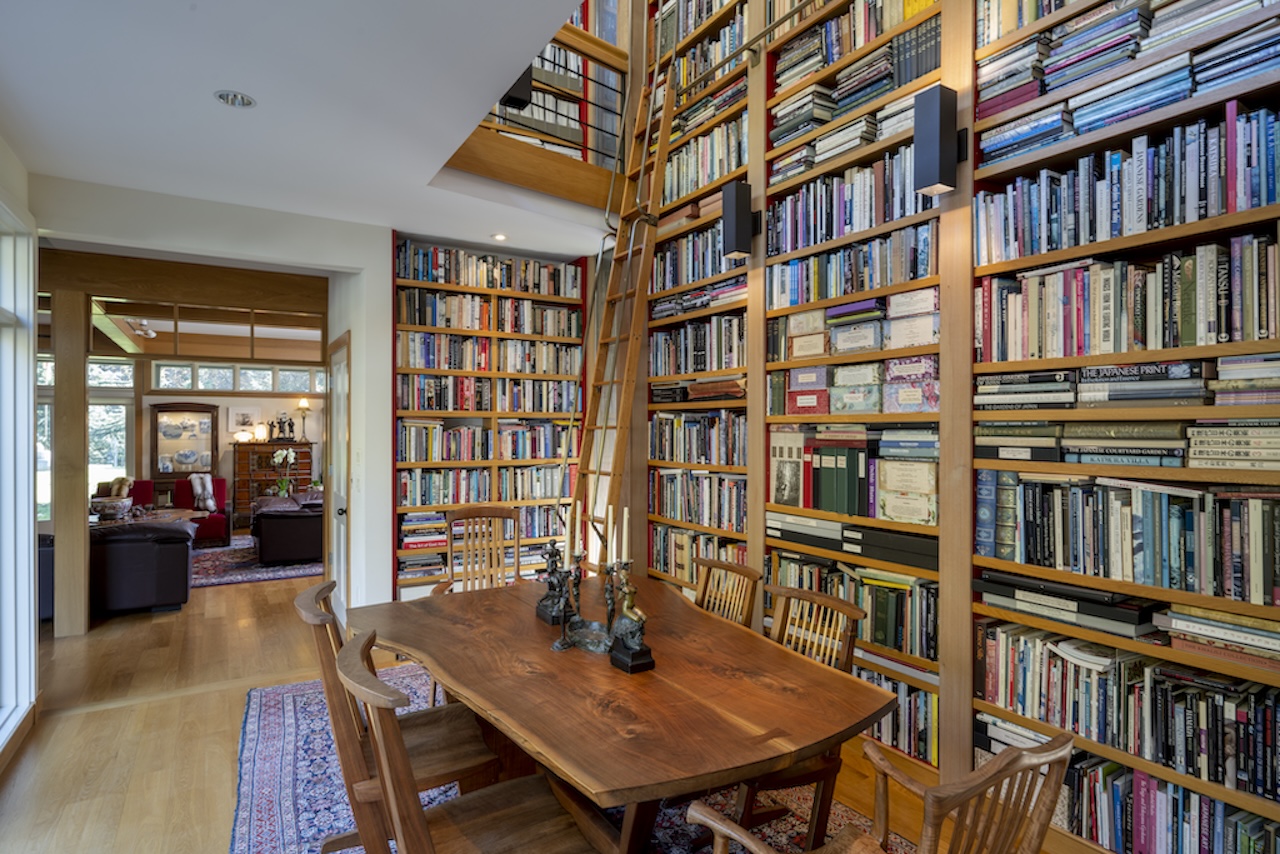
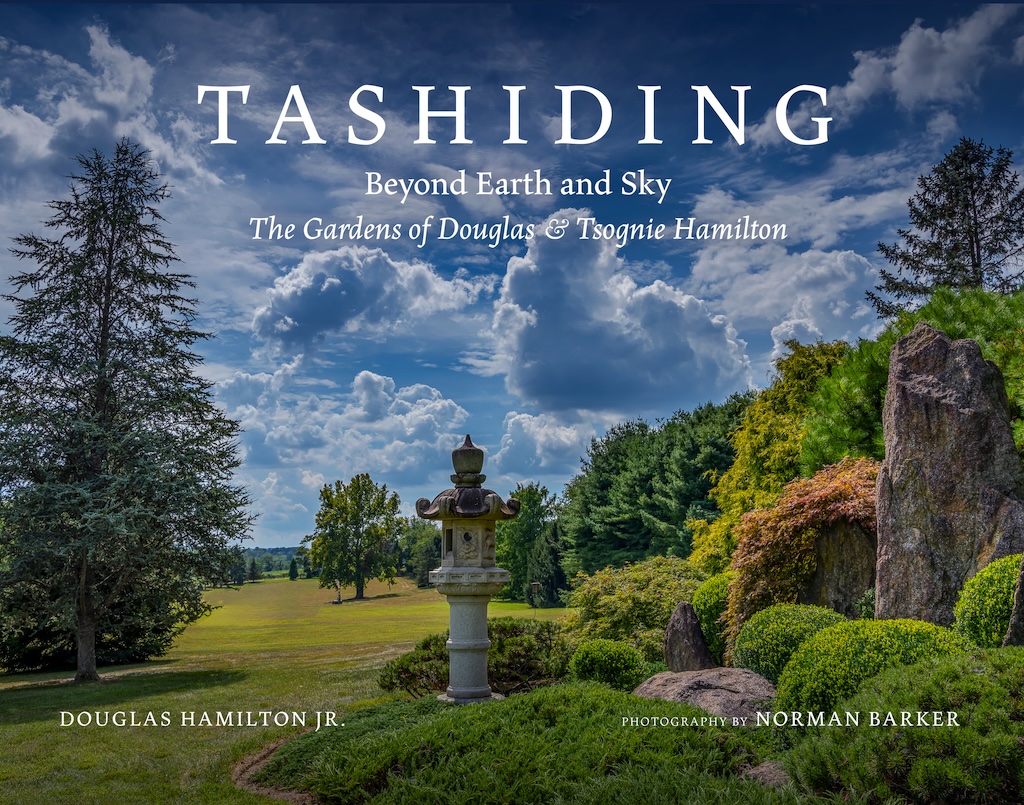
Situated anonymously among vast swaths of verdant Baltimore County farmland, Tashiding is a marvel of landscape, architecture, art, and most of all a purposeful mixture of Eastern and Western traditions, created by Douglas and Tsognie Hamilton.