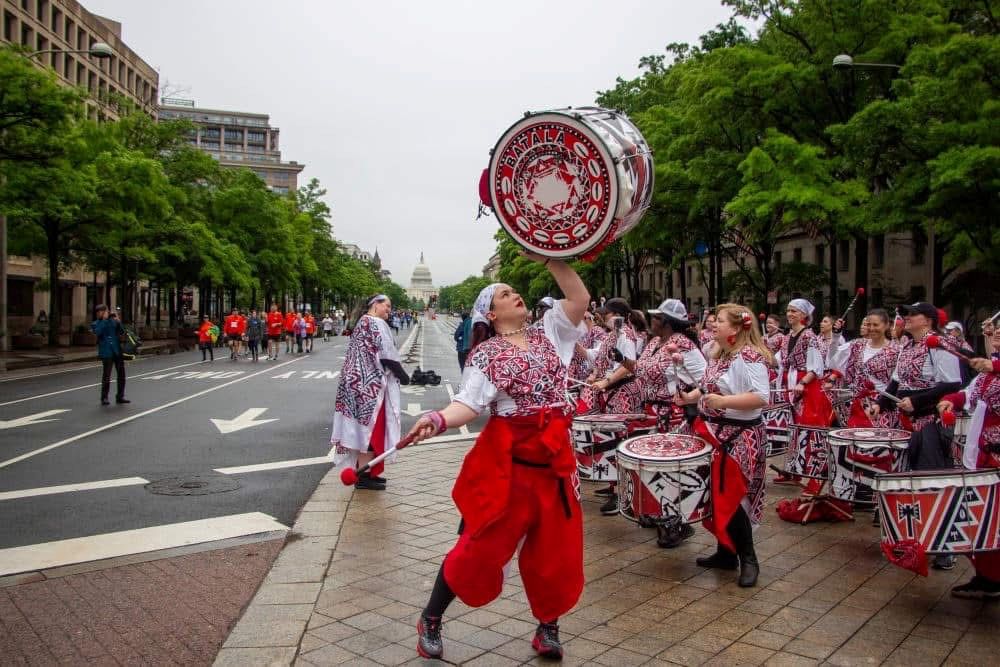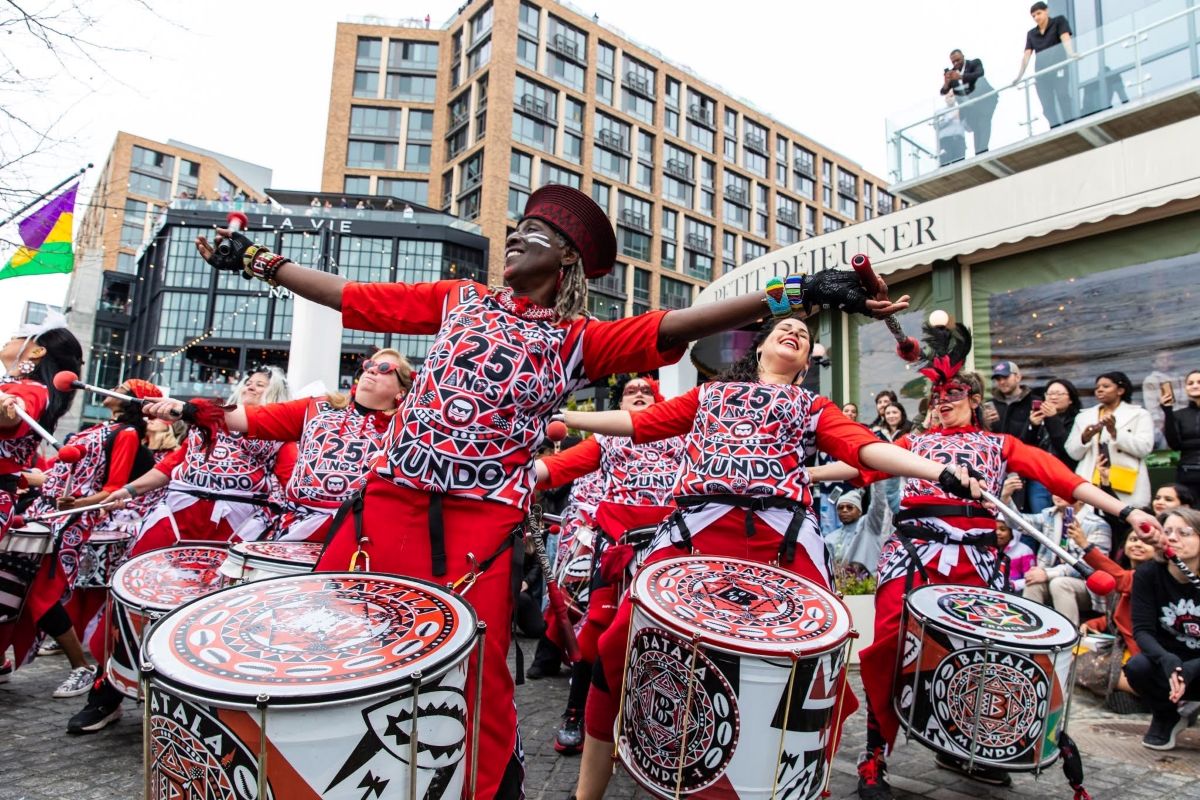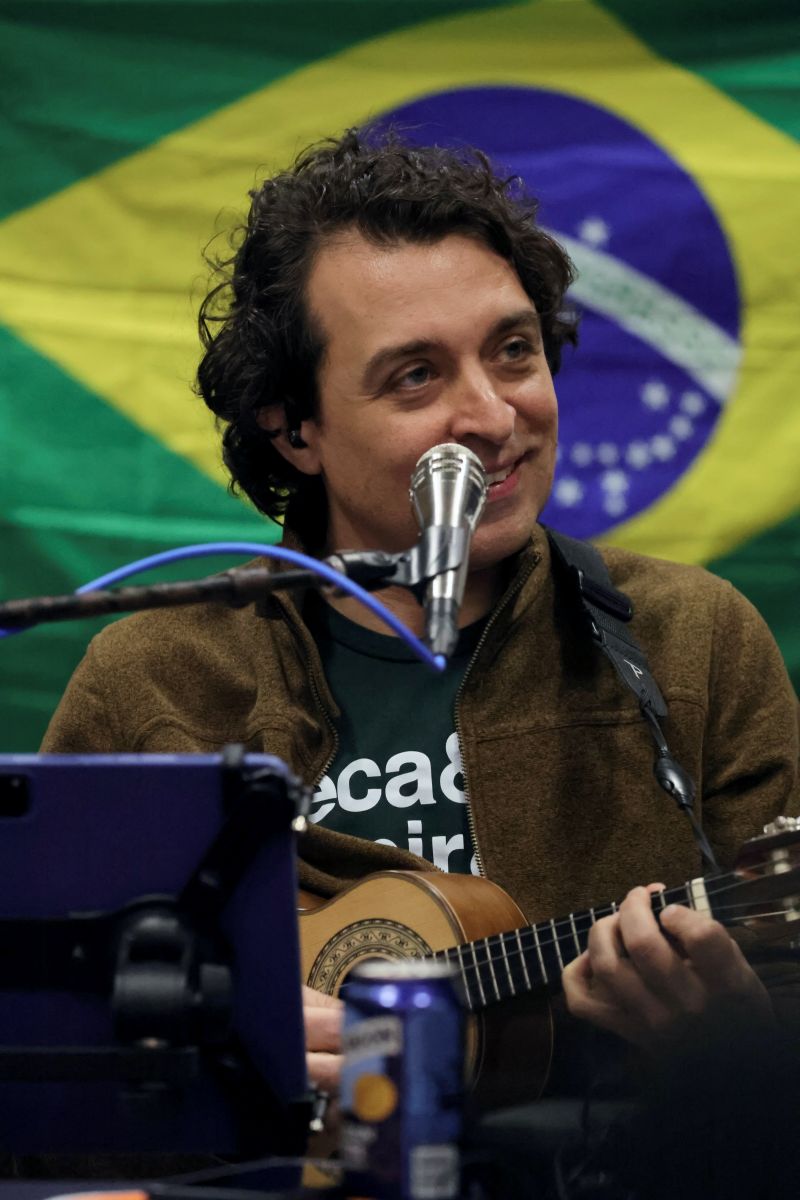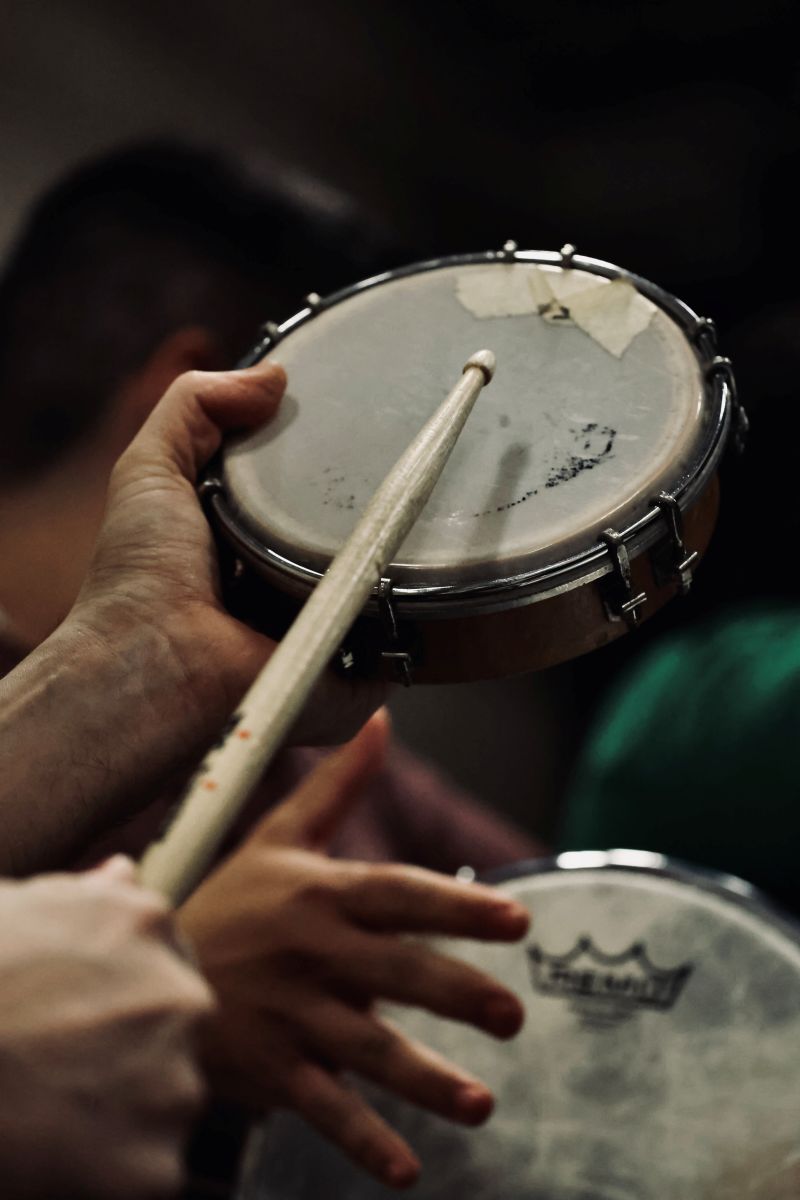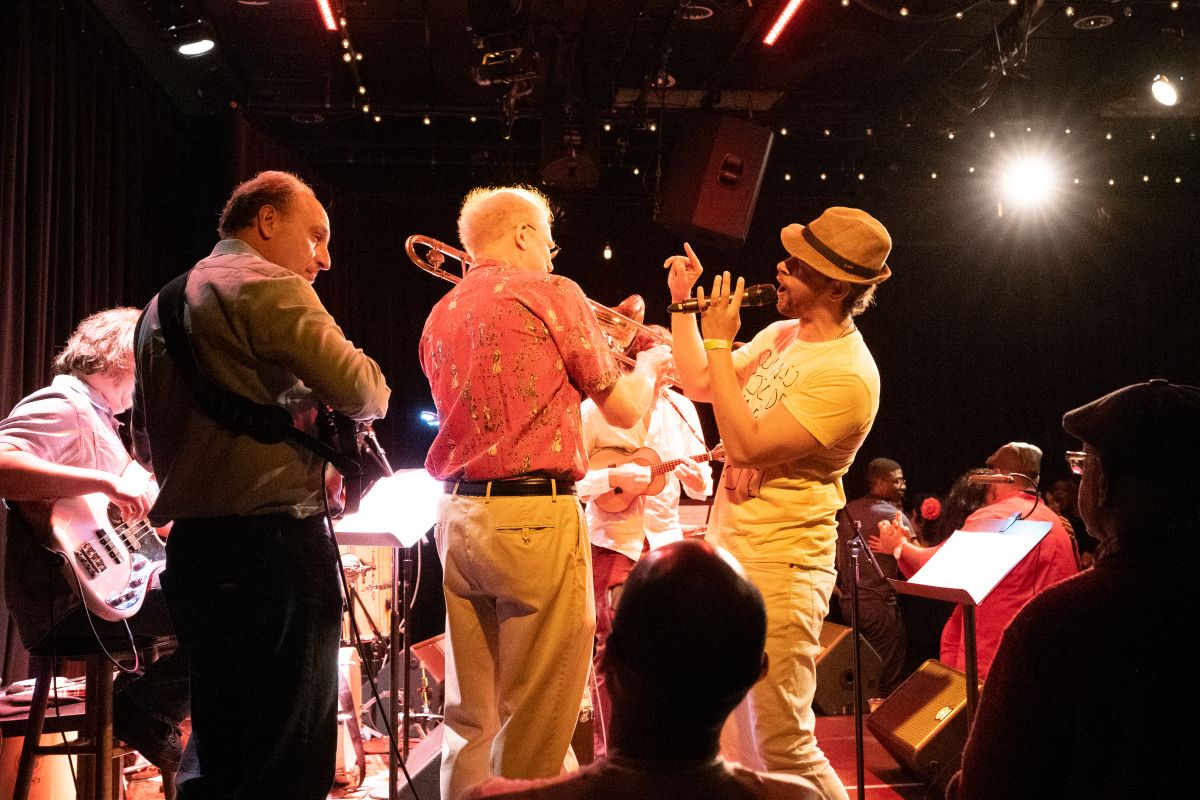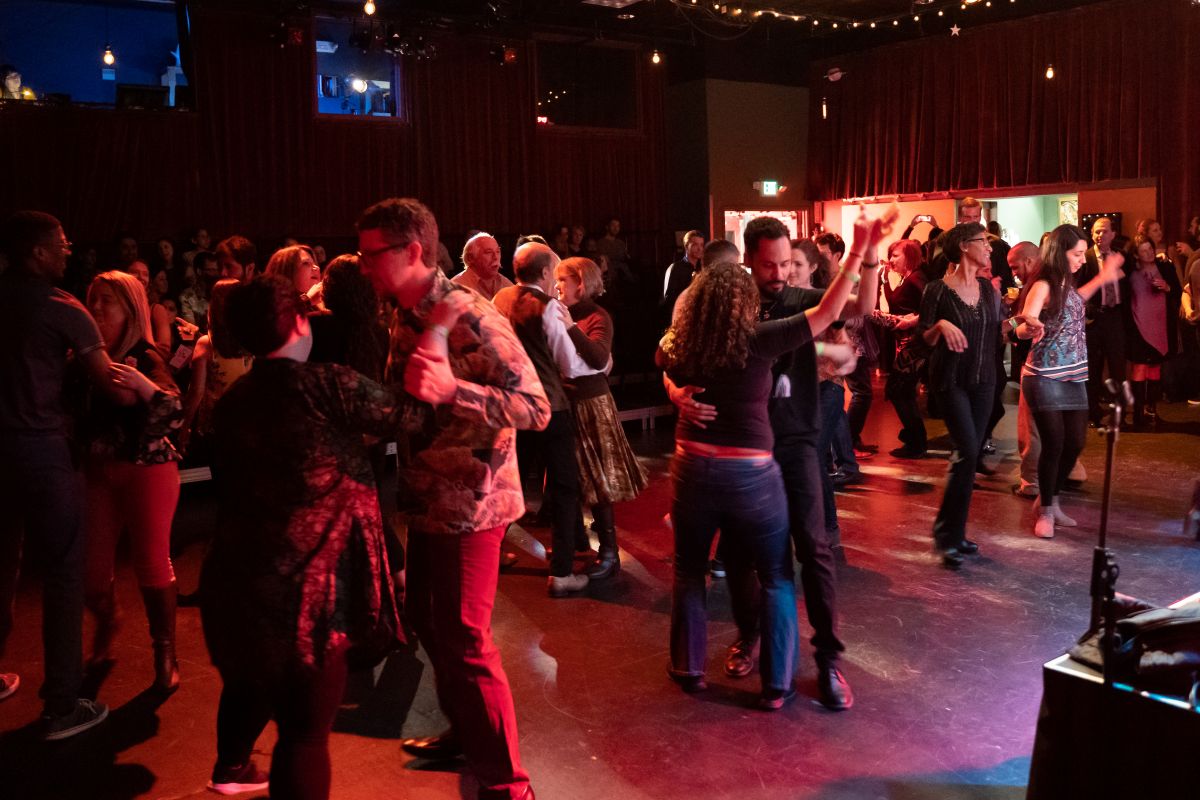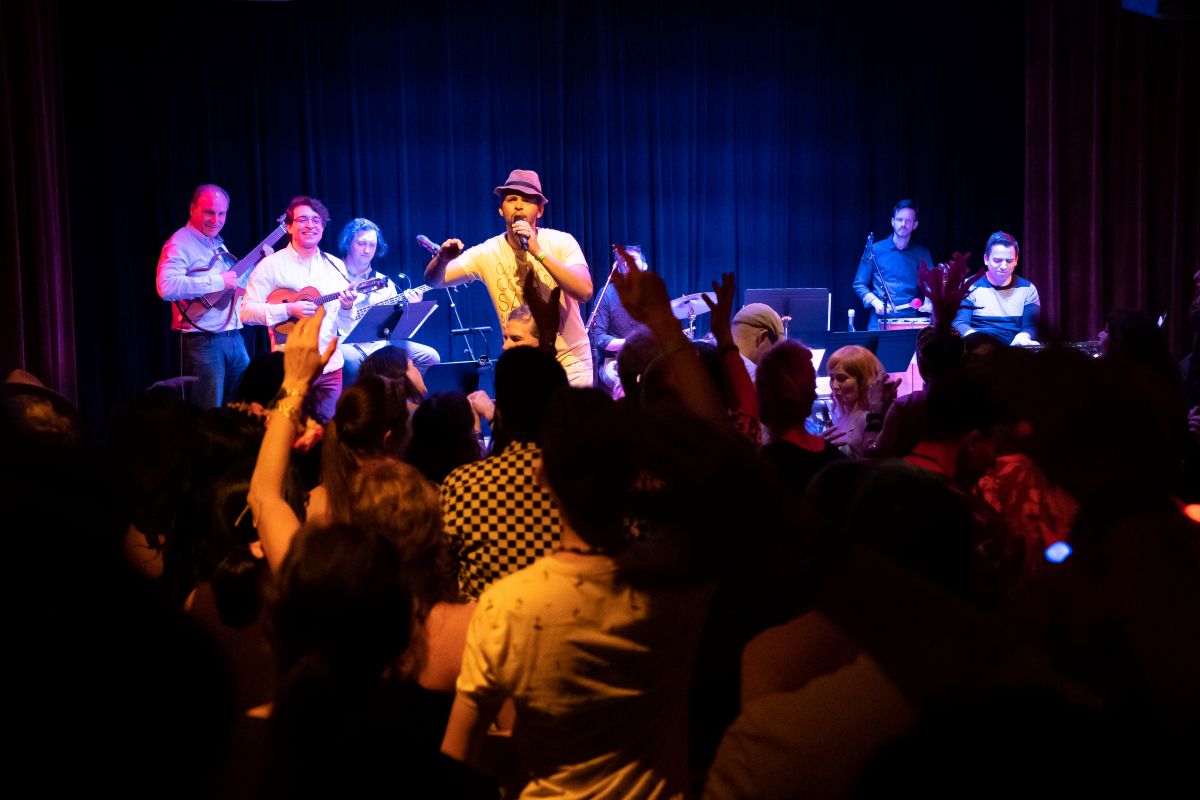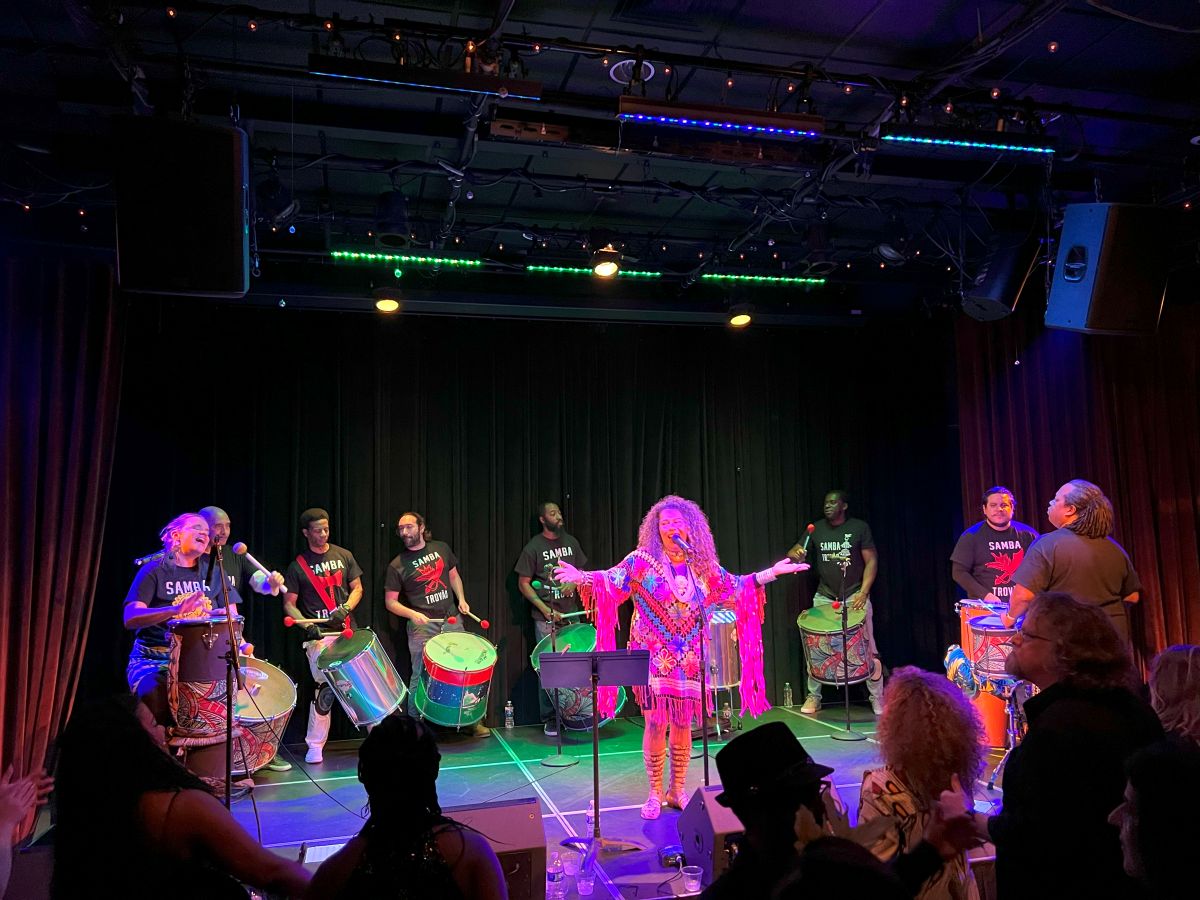
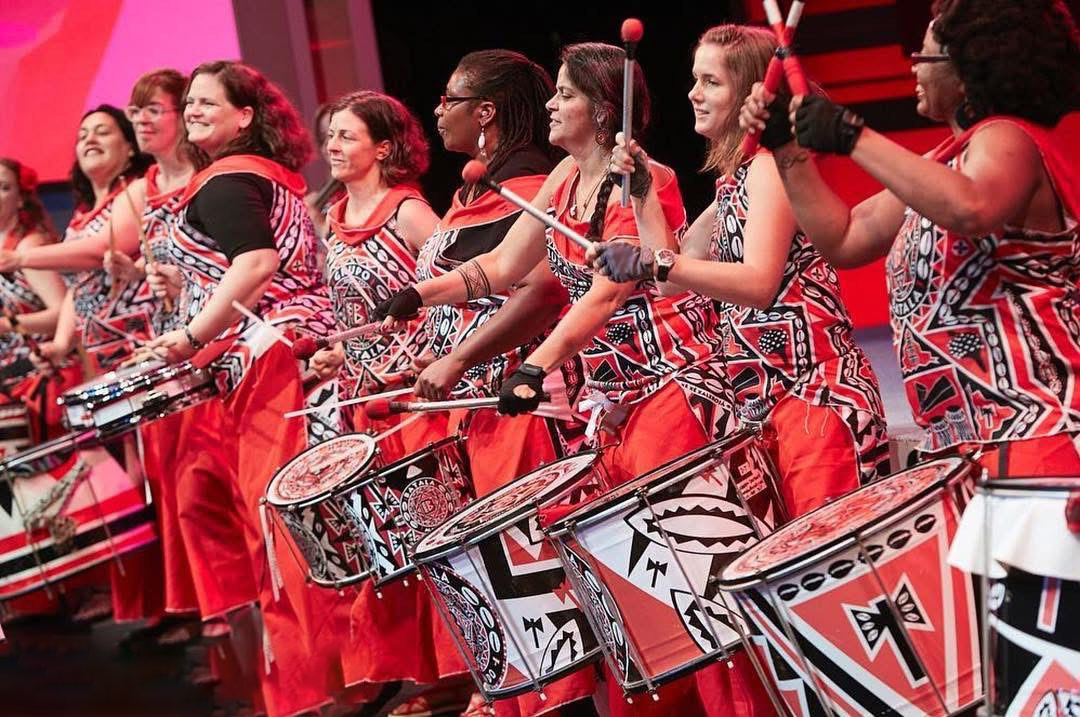
The rhythm of Brazilian music has the power to enliven all it touches, and this Saturday, July 19th, it will transform the Creative Alliance with a vibrant celebration of culture, community, and connection. For immigrants like myself, these moments of cultural recognition become lifelines, bridges that span the distance between home and new beginnings.
I was born in Brazil, in the city of Porto Alegre, and moved to Baltimore in 2018. Through my background in dance, I quickly connected with Baltimore’s dance community, and my friends, knowing my origins, enthusiastically told me about a Brazilian party at Creative Alliance, an annual carnival-themed celebration. In previous years, the event took place in February or March, during Baltimore’s winter, shortly after carnival season in Brazil. This year, the organizers decided to move the celebration to summer, aligning with Brazil’s seasonal rhythm, and it will take place on July 19th.
Discovering this event, with its high-quality music and energetic crowd, immediately filled my heart. As an immigrant, staying connected to Brazilian culture is deeply re-energizing for me. Brazil is a continental country where regional cultures maintain their unique identities, yet something powerful unites us: our love for the country and its traditions. The warmth, the joy, the desire to dance, all of this creates an atmosphere that transcends geography.
The Viva Brasil party has become an icon of Brazilian culture in Baltimore, drawing audiences from throughout the DMV area. I attended two celebrations before the pandemic, in 2019 and 2020, then returned in 2023 and 2024. For my husband and me, attending this party has become a cherished tradition.
Carnival in Brazil is one of the country’s most traditional holidays, occurring 40 days before Easter when many Christians maximize their enjoyment before entering a period of restraint and introspection. The celebration explodes with rhythms and dances that reflect the cultural diversity of Brazil’s regions. From samba in Rio de Janeiro to frevo and maracatu in Pernambuco, from axé in Bahia to carimbó in Pará, each place transforms the festival into a unique expression of identity and joy.
I grew up wearing costumes my mother prepared for children’s carnival, throwing confetti and paper streamers while listening to “marchinhas” (songs that are characterized by their simple, catchy melodies and playful, often humorous lyrics). During adolescence, I’d go out with friends to beach parties at the end of summer. In adult life, these celebrations inspired vacation trips to the southern seashore of Brazil, particularly within the state of Santa Catarina, to enjoy the extended holiday that sometimes lasted an entire week.