Reading

Ivory, Bloodroot, and Agate: Earth as Medium at the BMA

Previous Story
Article Image

BmoreArt News: The Peale, Free Fall Baltimore, Di [...]

Next Story
Article Image

Nancy Proctor Named New Executive Director of the [...]

It’s an easy thing to overlook, but quite stunning when we remember it all over again: all art derives, ultimately, from natural materials. Surrounded by digital tools, familiar with synthetic rayons and acrylic paints, and breezily comfortable with conceptual art, we might imagine that art is made from artificial and immaterial elements. But no—for those processing chips, that paint, that ink, and even that gallery space are all made from naturally occurring minerals, from once-living plants and animals, and from the water that covers so much of our earth. Art is, and always has been, a product of the earth.

Earth as Medium: Extracting Art from Nature (at the Baltimore Museum of Art through August 17) takes that basic but galvanizing observation as a starting point, and goes on to provide a modest but satisfying sense of some of the ways in which artists have historically drawn on and responded to nature in creating work. Curated by Brittany Luberda and Kevin Tervala, it’s a physically concise show: nineteen objects (all from the museum’s permanent collection, and many likely unfamiliar to most visitors), in one spacious gallery.

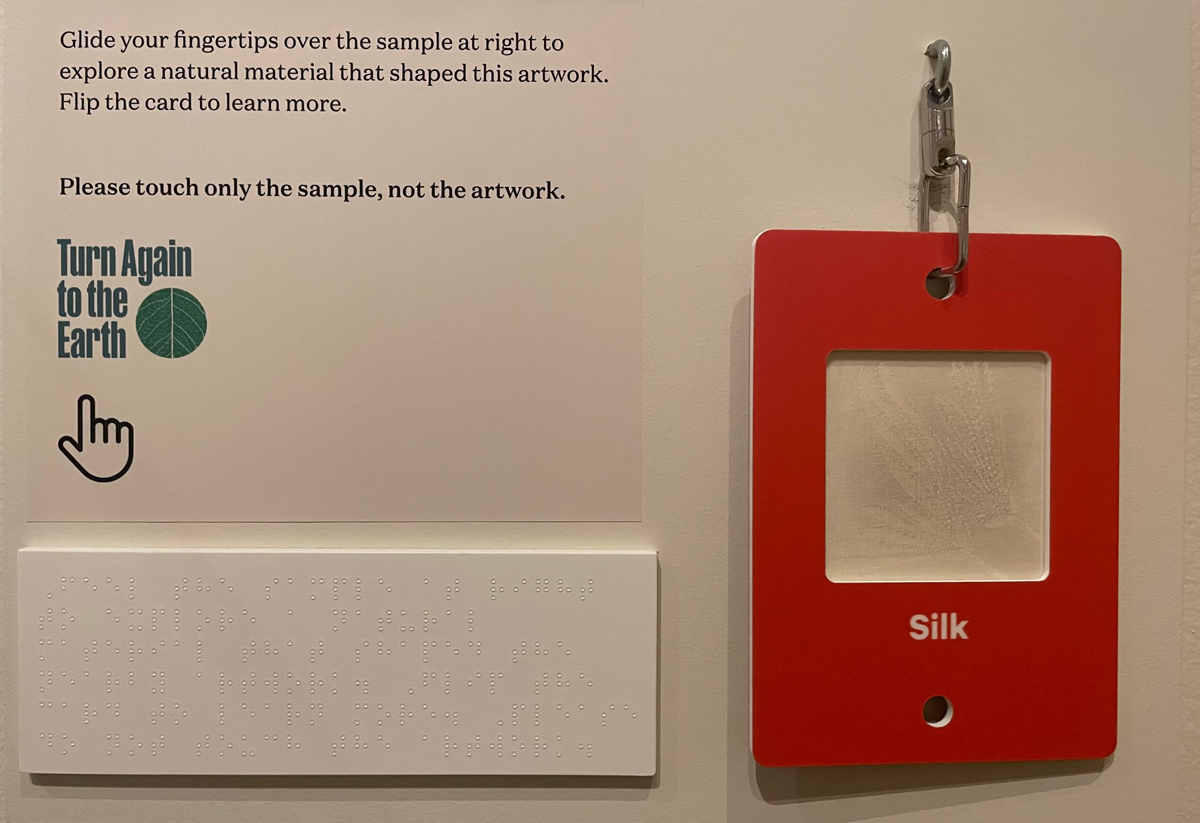
In spirit, though, it’s inclusive and ambitious. Featuring pieces made in six continents and a range of media, the show is gently divided into three sections that emphasize mineral, plant, and animal elements. The wall texts do a fine job of contextualizing the works and accentuating specific materials, while three swatches encourage viewers to touch samples of silk, copper, and painted bark cloth. Three QR codes, too, lead to interviews with historians and makers, who underscore the place of materials in larger patterns of cultural transmission and change.
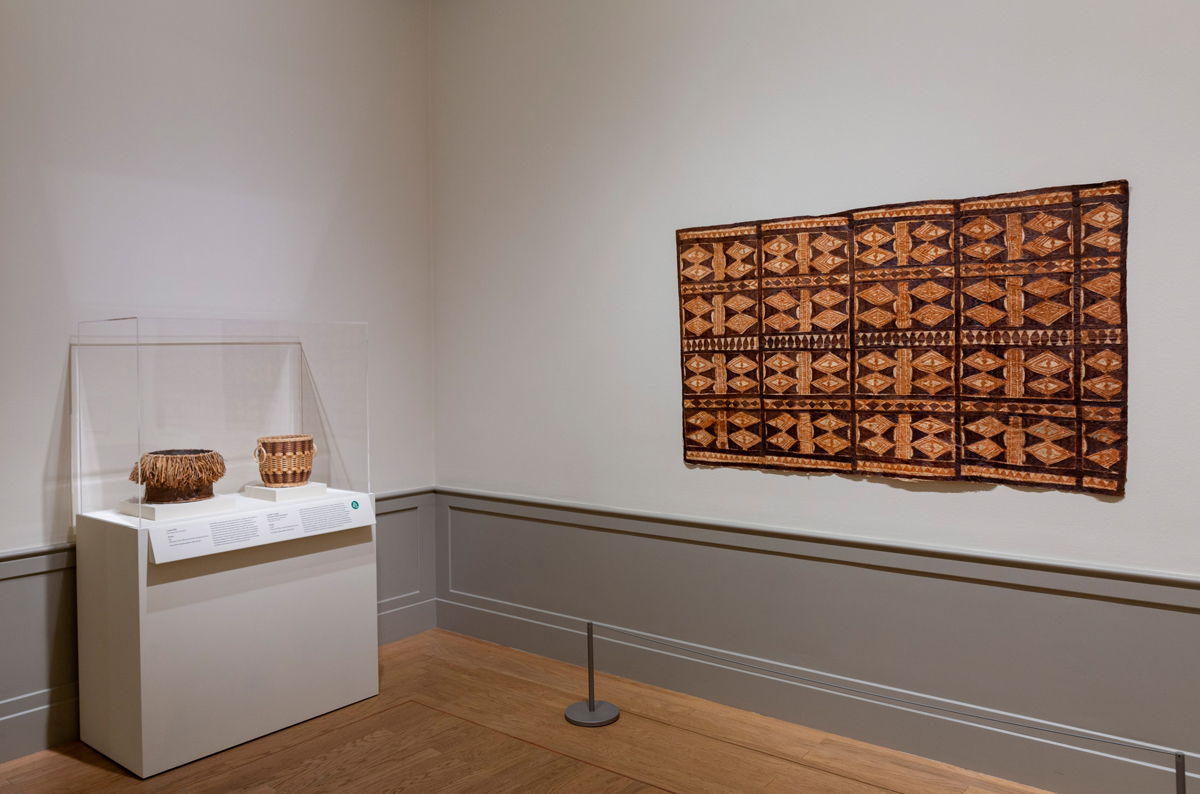
Installation view of "Earth as Medium: Extracting Art from Nature." Photograph by Mitro Hood.

But this isn’t just an exhibition; as the provocatively worded title implies, it’s also an argument. Or, really, several arguments. A large placard avers that “art museums often overlook art’s natural origins in favor of human-centered stories”—positioning, of course, this exhibition, as a corrective to that tendency. Other wall texts, in turn, accent the destructive processes by which materials have historically been obtained and stress “the importance of caring for our shared environment.” For a small show, then, it doesn’t think small.

And does it work? Certainly, the works of art are generally compelling, and offer a collective testimony to the vast range and potency of materials used by artists across the centuries. In my view, though, the accompanying materials occasionally resort to a simplistic analysis, and the show doesn’t quite reconcile its various aims. In repeatedly alluding to a violent European desire for raw materials, for instance, the wall texts erect a convenient but reductive foil—and ironically center, once again, humans rather than nature. A more nuanced and more object-oriented approach would be welcome.

Interactive sample. Photo by Kerr Houston.
Installation view of "Earth as Medium: Extracting Art from Nature." Photograph by Mitro Hood.
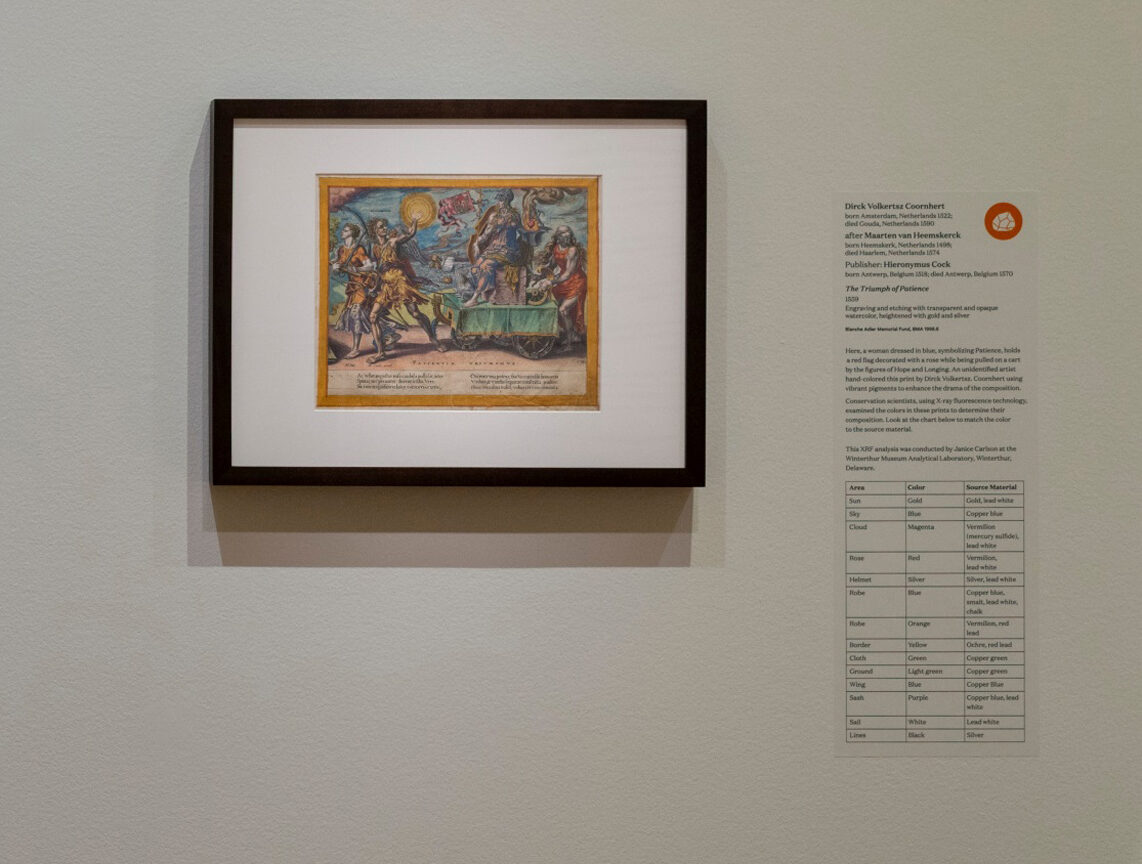
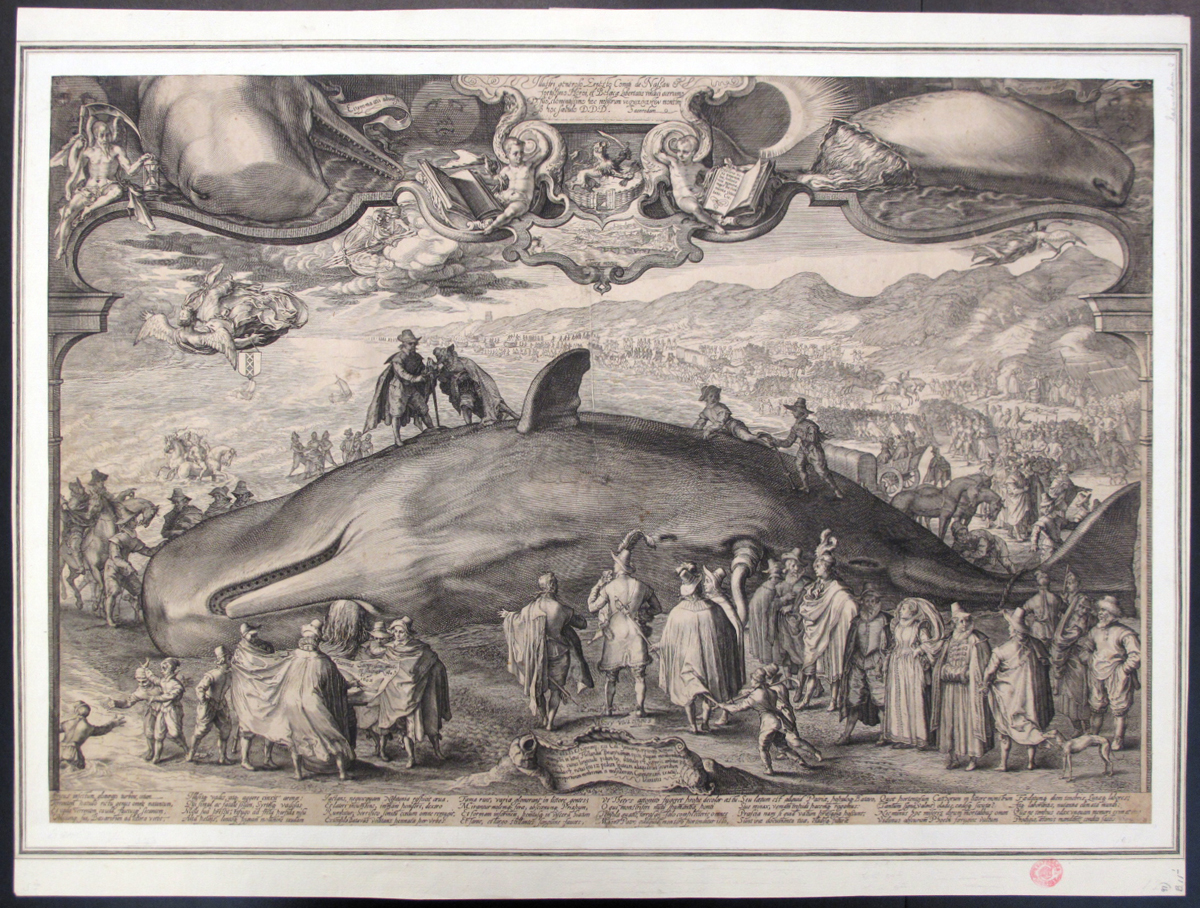
Dirck Coornhert engraving, 1559, photography by Mitro Hood

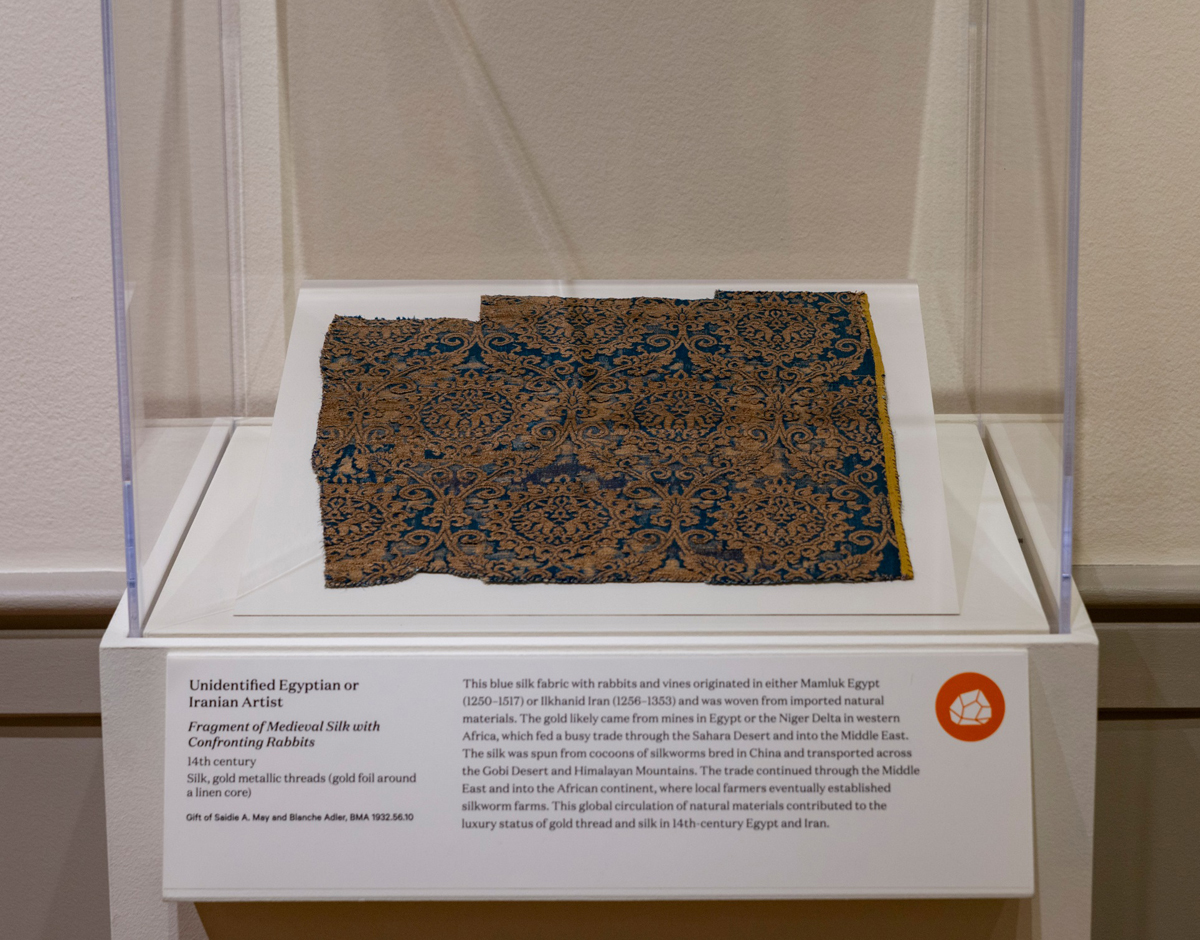
But a walk through the show rewards, in any event. You might start with the fragment of medieval silk, which may have been made in Mamluk Cairo in the 1300s. The rich fabric features a repeating pattern of roundels, in which lively rabbits pose in pairs. If you look closely, you can make out the individual threads from which the cloth was woven. Made of silk, gold foil, and linen, they’re the products of global trade routes that led between medieval China and western Africa. Delicate but resolute, pliable but metallic, the fragment is the product of rare materials, measured exchanges, and manual skill.

Nearby, a 1559 engraving by a Dutch artist named Dirck Coornhert depicts the allegorical Triumph of Patience. Ignore the starchy, contrived subject matter for a moment, and focus instead on the impressive roster of materials, which are helpfully summarized in an accompanying wall text. A sun made of gold and lead white, a magenta cloud rendered with vermillion (or mercury sulfide), and a sky tinted copper blue: it’s a fictional world made out of resolutely natural minerals. And it’s a reminder, too, that the Renaissance artist was as much a chemist, or an alchemist, as a painter.

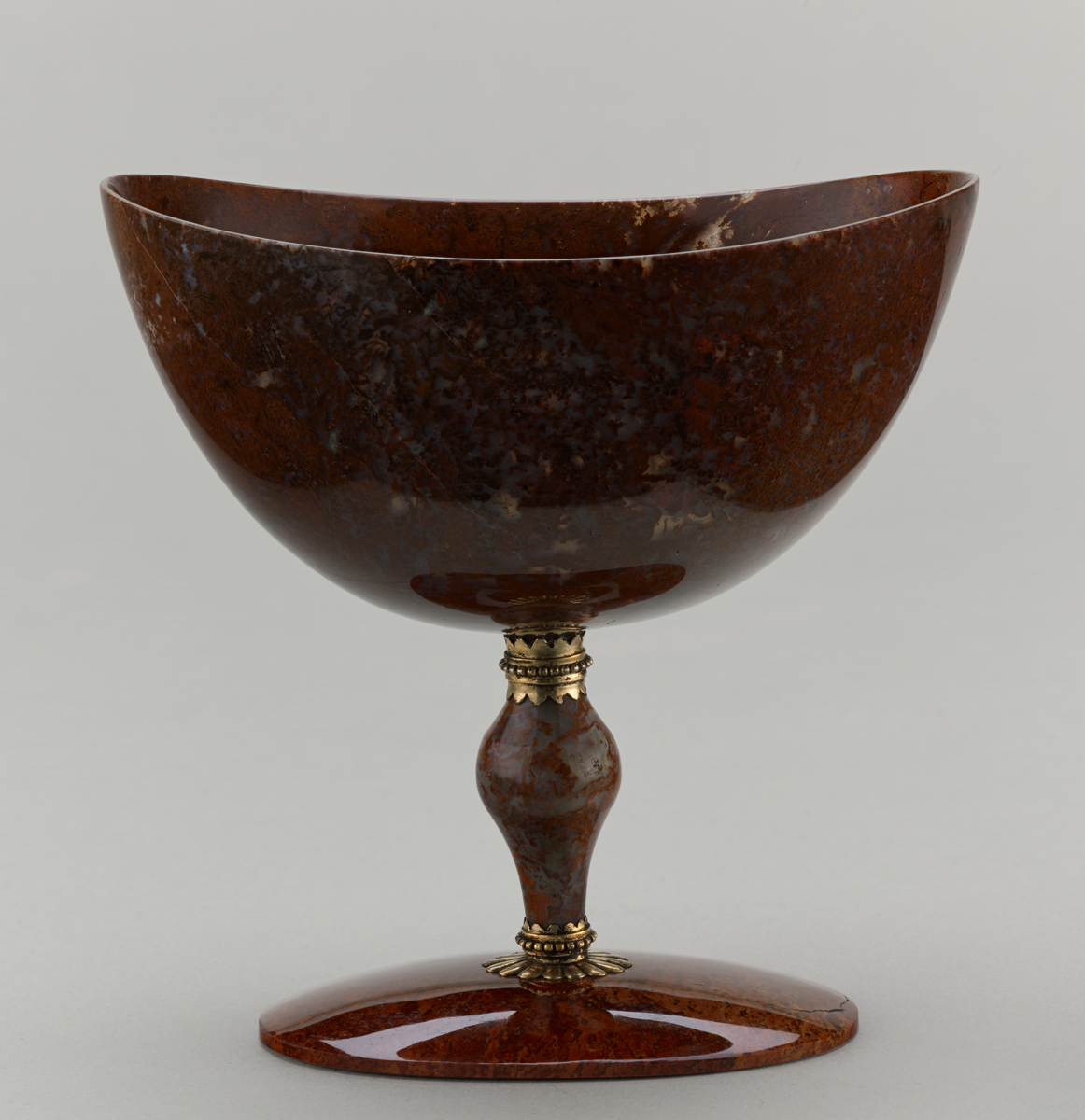
Unidentified Maker, "Cup," Baltimore Museum of Art, The Mary Frick Jacobs Collection. BMA 1938.725
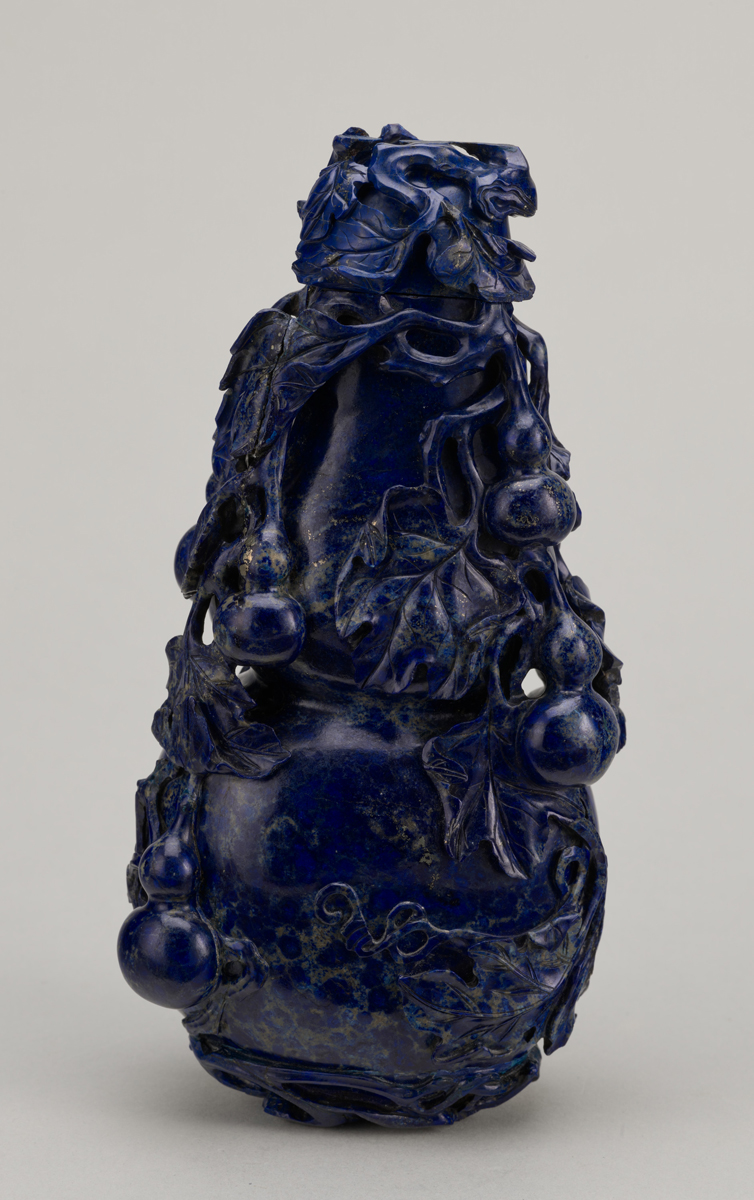
Unidentified Artist, "Double Gourd Vase," Mid-late 18th century China. Baltimore Museum of Art, The Mary Frick Jacobs Collection, BMA 1938.307

But materials can also speak their own language. In a vitrine to the right, a brown agate cup and a lapis lazuli vase are quietly affecting in their cool materiality. Geologists are still learning how the colored bands in agate are produced, but of course the stone from which the cup was carved (in around 1700) cares little for science. Translucent but sturdy enough to permit a wafer-like thinness, the agate accommodates, in a sense, the cup grinder’s intentions. And the vase, probably made in China in the late 1700s, has a dense visual heaviness that reminds us of its origins in the quarries of Afghanistan. Lapis lazuli was coveted by artists as a source of deep blue pigment—but to traders along the Silk Road, it was also dead weight, with an innate obstinacy all its own.

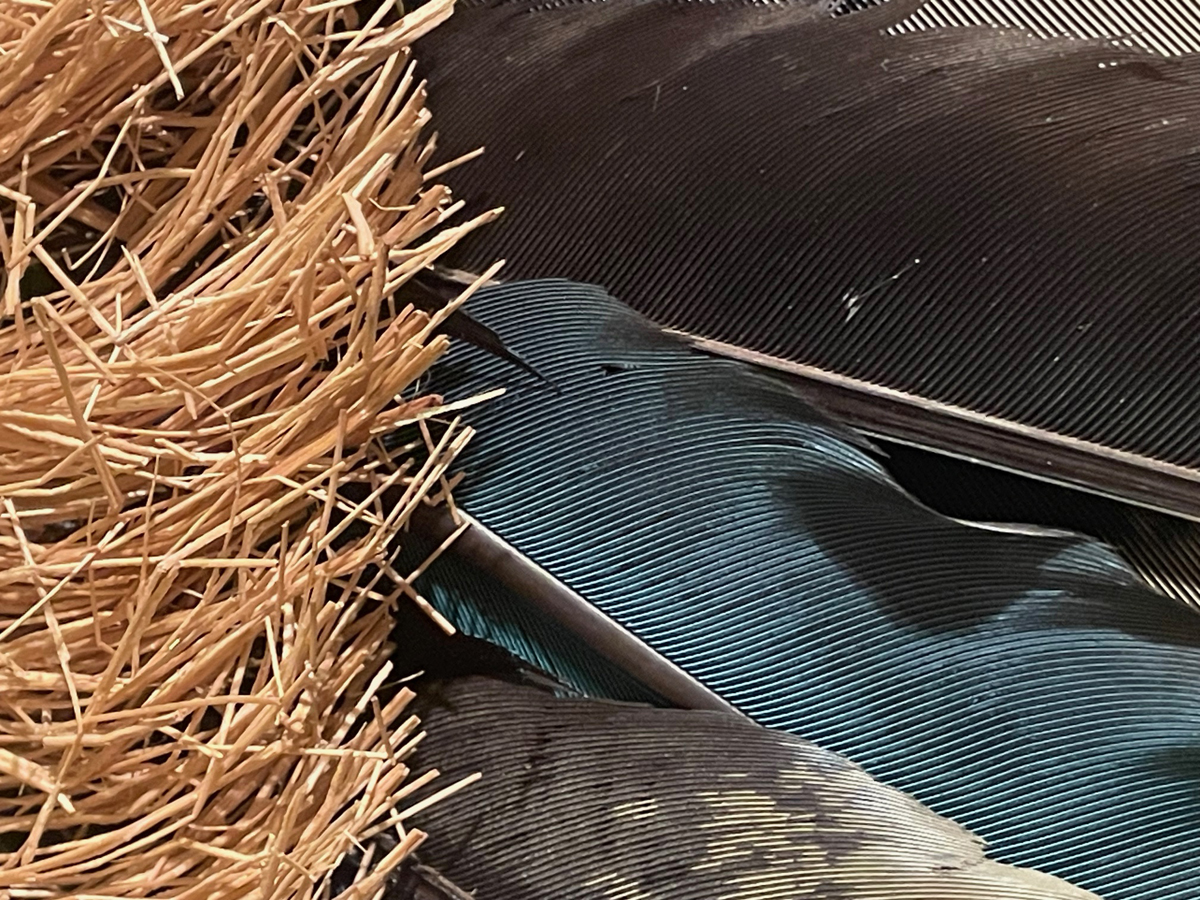
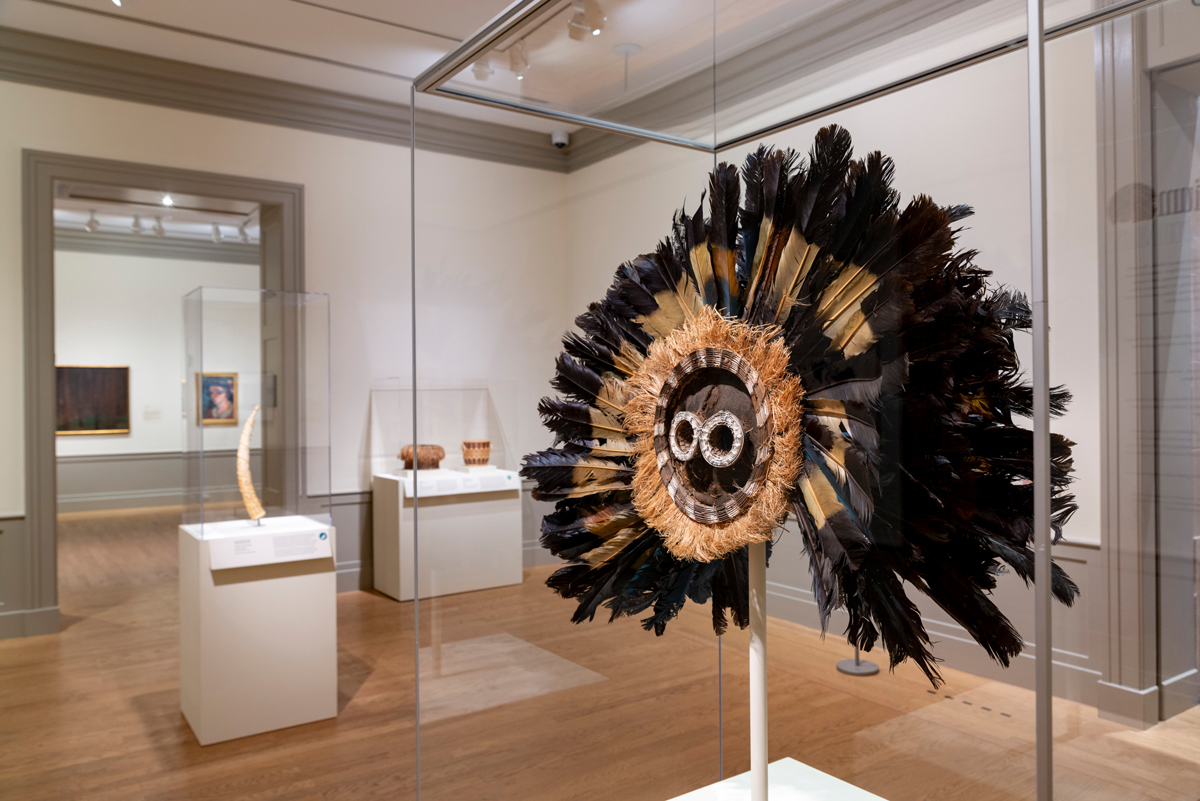
In the center of the gallery, a remarkable mask made in the Democratic Republic of Congo in the mid-1900s easily holds its own. A wooden core supports a flurry of feathers obtained from the great blue turaco, a handsome bird that is often hunted and eaten, and raffia fibers encircle two painted white eyes. It’s an intense, explosive ensemble, with its effect generated largely by the clever juxtaposition of iridescent feathers and dry, bristly fibers. Virtually demanding to be touched, they act upon us; we, in turn, merely respond to the solicitation of the materials.

Unidentified Artist, "Gitenga Mask," Mid-20th century. (Democratic Republic of the Congo). Baltimore Museum of Art, Purchased as the gift of Amy Gould and Matthew Polk, Gibson Island, Maryland, BMA 2015.148
Detail of Gitenga mask. Photograph by Kerr Houston.

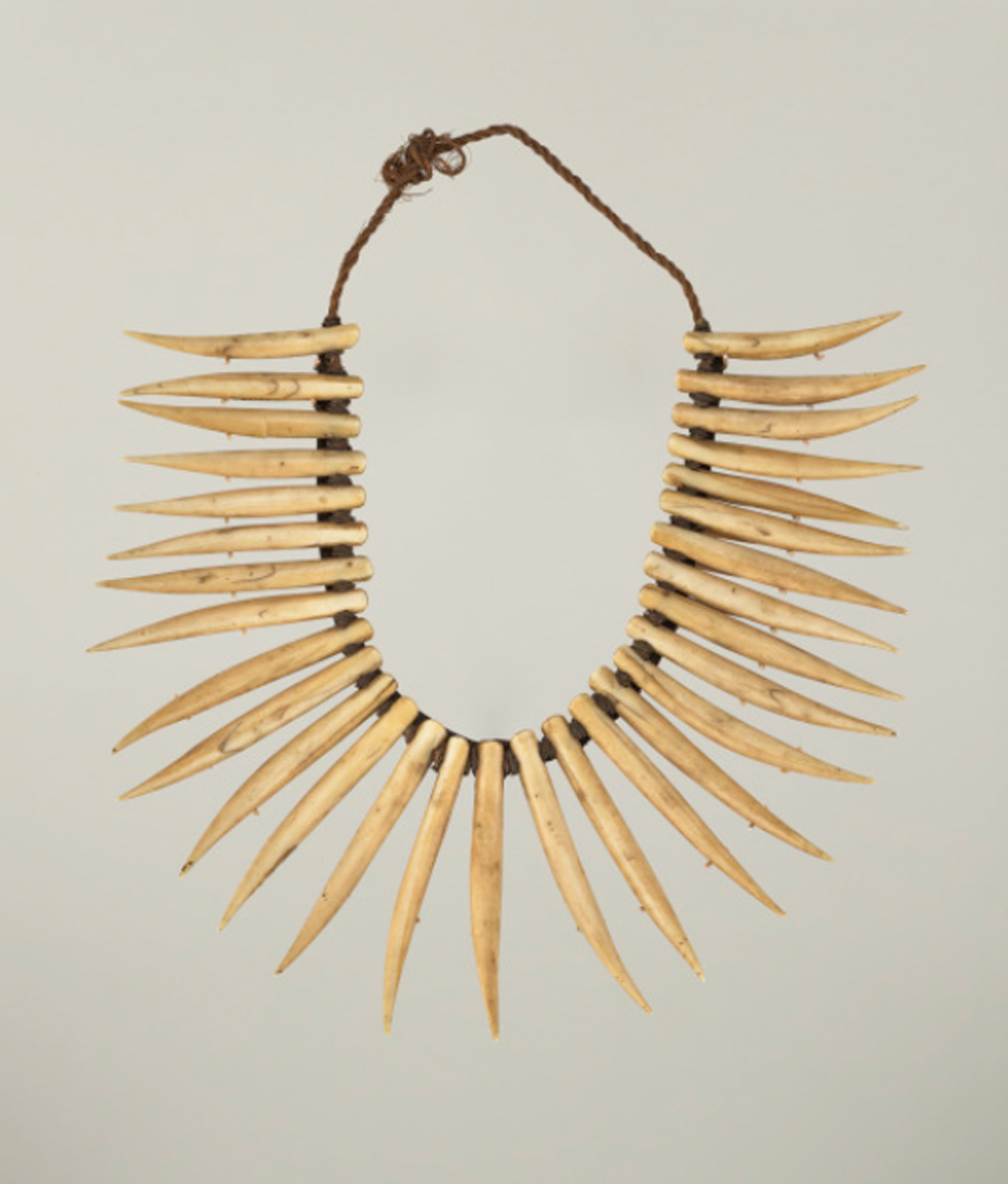
Not far away, a Fijian necklace features a profligate array of spiked elements made of sperm whale ivory, while three prints center on European attempts to understand and represent unfamiliar species—such as whales. The prints are interesting in the abstract, and were clearly chosen to relate to the Fijian piece, but in this small show they feel like a tangential indulgence. The curatorial point, which echoes a section of Ernst Gombrich’s famous Art and Illusion, could be made with any one of the prints. And why, since materials are the issue at hand, is there no analysis of the paper on which the prints were executed? This section of the show could be tighter.

Unidentified Artist, "Necklace (Wasekaseka)," 1870-1900. Fijian peoples (Fiji). Baltimore Museum of Art, Gift of Alan Wurtzburger, BMA 1955.251.162

But the curators redeem themselves in the selection and display of two baskets, in a nearby vitrine. The first was made in 1981 by Linda Bills, a Baltimore-based artist who used bark from a scavenged felled tree in Druid Hill Park as the basis for her cylindrical form. And the second was fashioned in around 1993 by Lucille Lossiah, an Eastern Band Cherokee artist who used walnut and bloodroot dyes to enliven a wicker pattern of oak withes. Each basket was made with an eye towards what nature gives. But their respective forms—tenderly improvisatory; tautly geometric—are wholly distinct: a crisp reminder of the very different ends to which natural materials can be used.

Linda Bills, “Basket,” white pine and Siberian iris, 1981; Lucille Lossiah, “Basket,” white oak, walnut and bloodroot, c. 1993. Photograph by Mitro Hood.

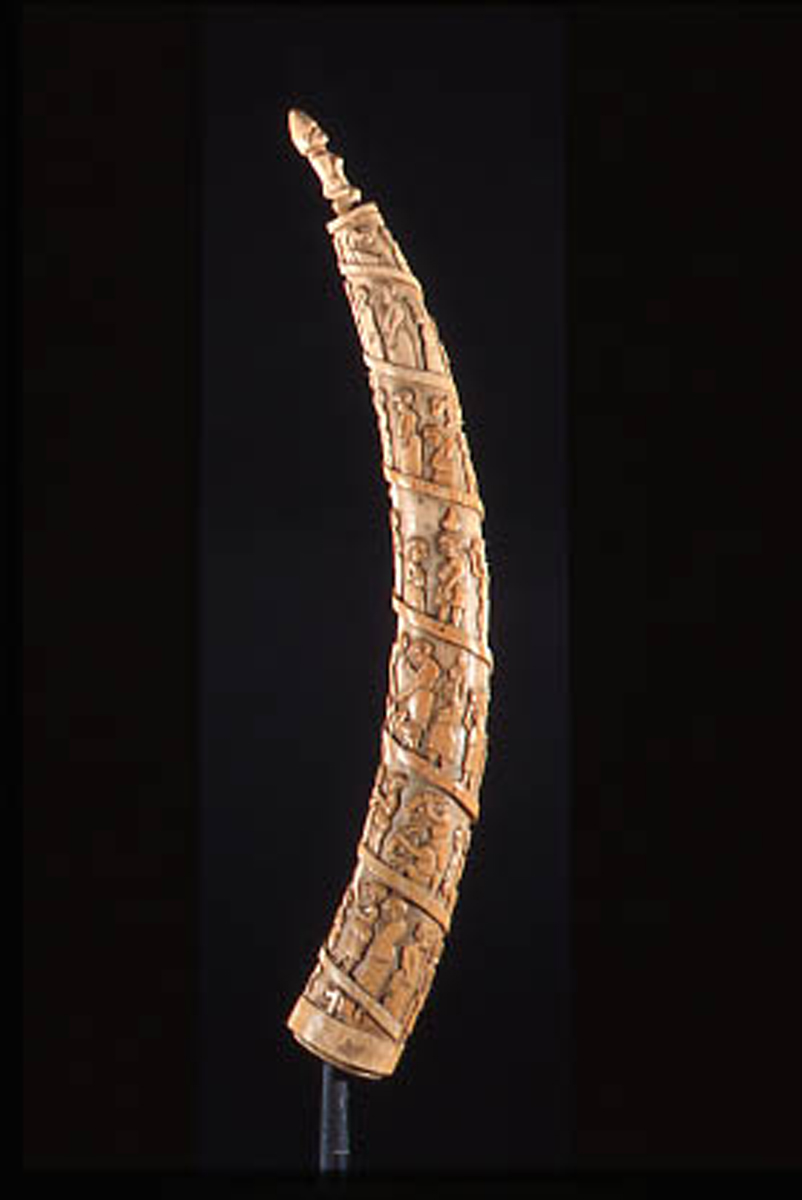
Unidentified Artist, "Tusk Carved in Relief," Late 19th-early 20th century. Kongo (Vili group) peoples (Republic of the Congo, Cabinda/Angola). Baltimore Museum of Art, Gift of Alan Wurtzburger, BMA 1953.133a

Finally, it’s also worth spending some time with the late 19th-century Congolese ivory tusk, which features a spiraling series of carved figures. As the late Johns Hopkins professor Pier Larson observed in an accompanying recording, the procession seems intended to evoke the caravan trade, by which materials such as ivory were carried from the African interior to the coast. Ultimately, they were then often sold to European travelers or traders, completing an arc from living animal tissue to inert souvenir.

Oh, those European traders… as the curators note, European demand for novel artistic materials profoundly affected global history. Miners enslaved by Spaniards worked the brutal silver mines of Potosí; British whalers destabilized the Fijian trade in whale teeth. But of course Europeans were not the only people intent on obtaining exotic materials. In the royal court of Benin, the oba sold enslaved individuals in exchange for the copper used to make brass casts for the palace walls. And in Cairo, the Mamluks imported tons of spices from Egypt but then watched uneasily as the ruler of Mali spent such a huge amount of gold in Cairo that he unsettled its economy for years to come. The desire to amass natural materials, it seems, is all too human.

But, again, must we really focus on human actors? This show is laudable for calling attention to a general overreliance on human-centered stories. But in foregrounding individual makers and in using language (“are transformed,” “are harvested,” “are incorporated”) that positions nature as a passive resource to be manipulated by humans, it misses a chance to be even more ambitious. For decades now, thing theorists have shone a light on ways in which natural objects can affect us, and legal theorists and Indigenous communities have made compelling arguments for the legal rights of mountains and rivers. The basketmaker bends the oak, but the oak exerts a pressure on her hands in the process. And gold isn’t simply transported; viewed from another angle, it leads men to travel great distances, at great risk.

In sum, then, this is a welcome show that can be applauded for exhibiting a wide range of objects and for highlighting the irreducible importance of natural materials in the history of art. (It’s also a nice pendant to the Walters’ recent exhibition If Books Could Kill, which focused on the use of several toxic materials in the making of books and manuscripts.) But once you’ve come to appreciate the show’s central claim that natural materials serve as the building blocks of artistry, you might be tempted to ask a further question. Given how much we have taken and learned from nature, that is, what might nature in turn require of us?

Related Stories
Ikhide's "Tales From Future Past" is on View through November 22 at CPM

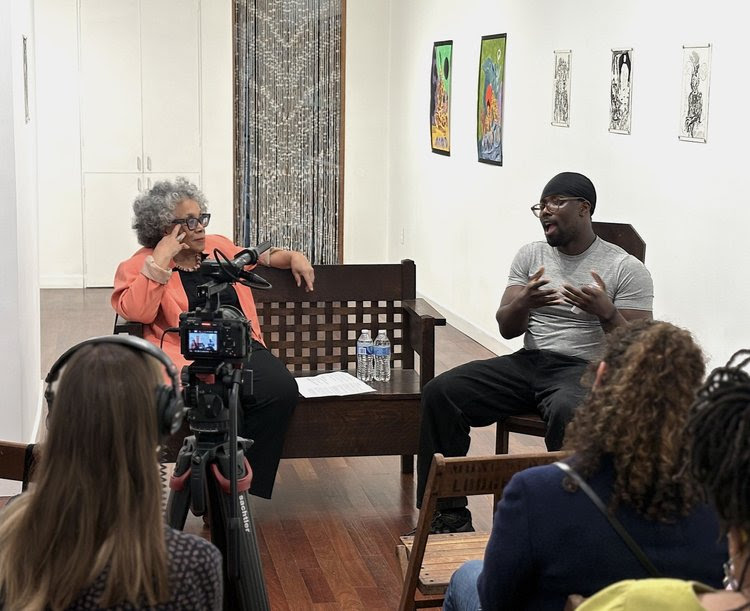
CPM Gallery recently announced that the run of Richard Ayodeji Ikhide's solo exhibition "Tales from Future Past" would be extended to November 22 by appointment. At the opening on September 27, the British-Nigerian artist was interviewed by luminary art historian, curator, and educator Lowery Sims.

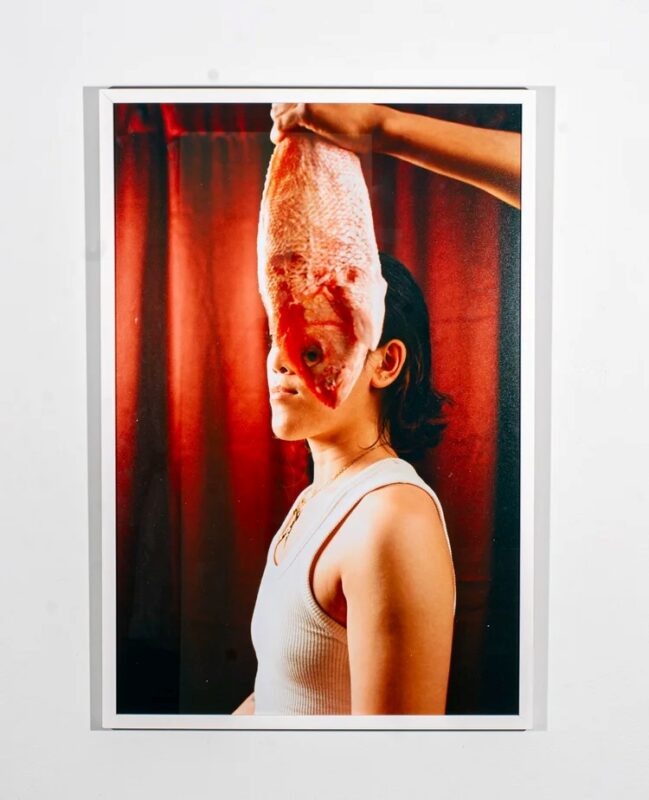
In "Pandarayuhan: Home is a Memory" Divinagracia Explores Immigration and Identity at Creative Alliance

"One of my biggest intentions with this show was to really spotlight Filipino presence in Baltimore and specifically immigrant lives and journeys.”

Baltimore art news updates from independent & regional media

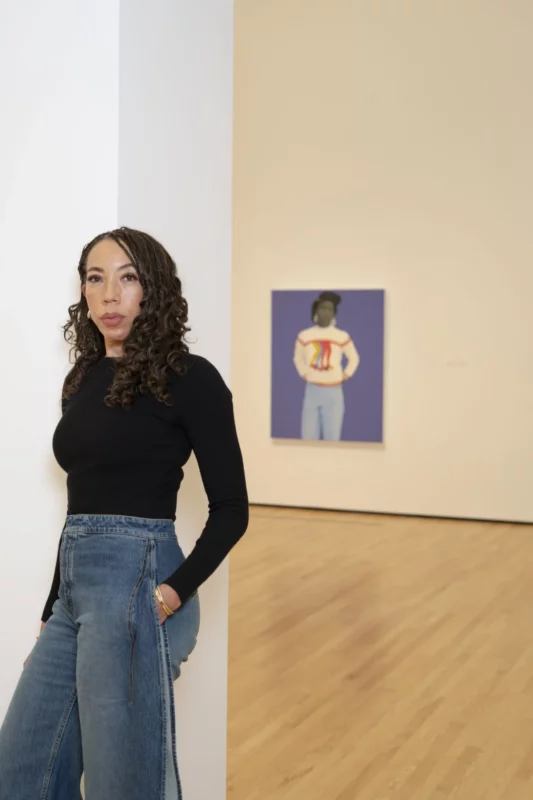
This week's news includes: Amy Sherald shines brightly in Baltimore, Hilton Carter makes his house a home, Inviting Light returns with a Wickerham & Lomax, John Akomfrah moving image + sound installation opens at the BMA, mayorial portraits unveiled at City Hall, Maryland Film Fest is here, and more

Swagger and Style at the BmoreArt Release Party for Issue 20

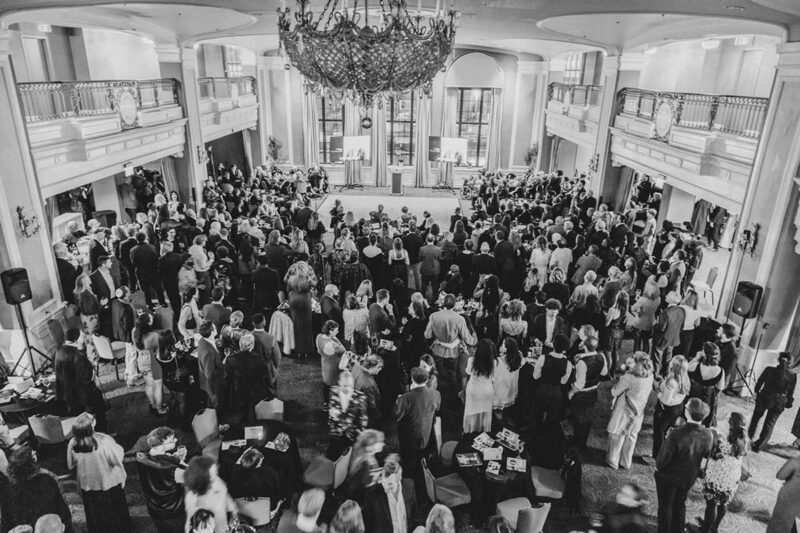
On Saturday, November 1, BmoreArt hosted 400+ guests at the Icons Ball & Benefit at the Lord Baltimore Hotel.