Reading

The Sweet Spot: A Movement Beyond the Stage

Previous Story
Article Image

Crafting Cadences of Connection: An Interview wit [...]

Next Story
Article Image

New York Art Week Recap: Are We Ever NOT in ̶ [...]

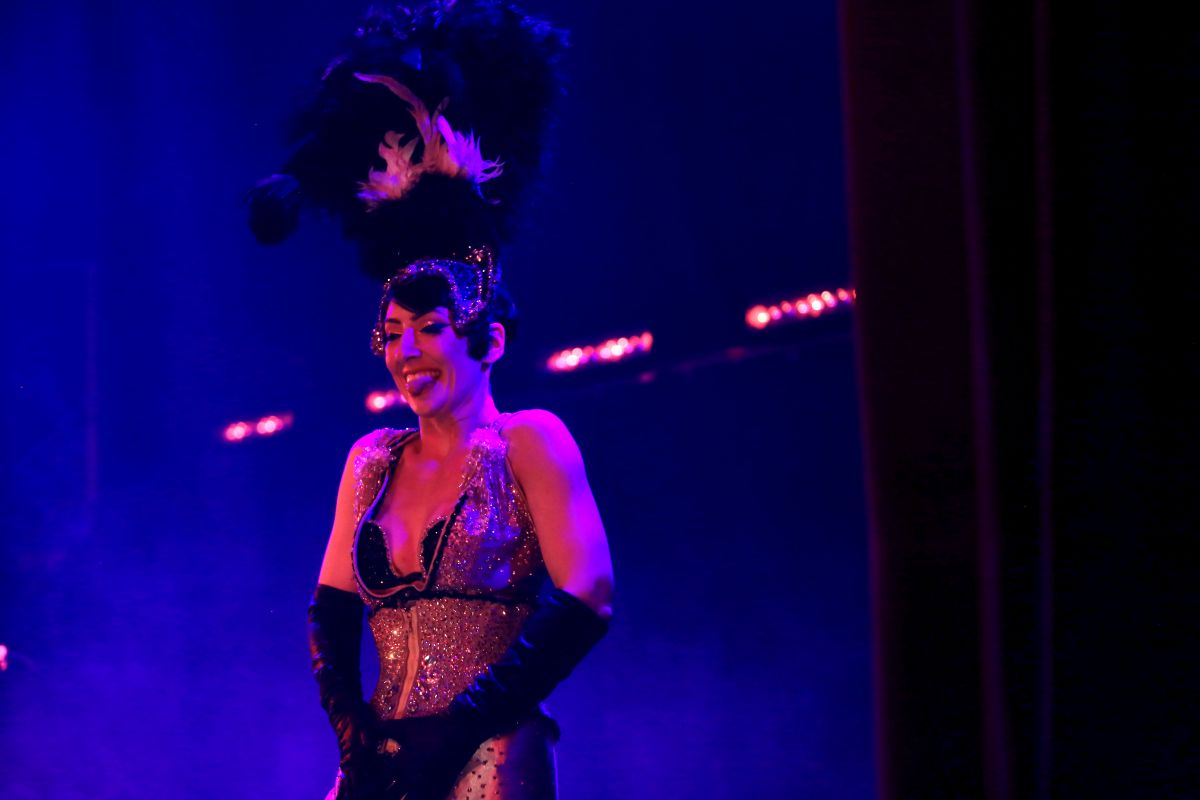
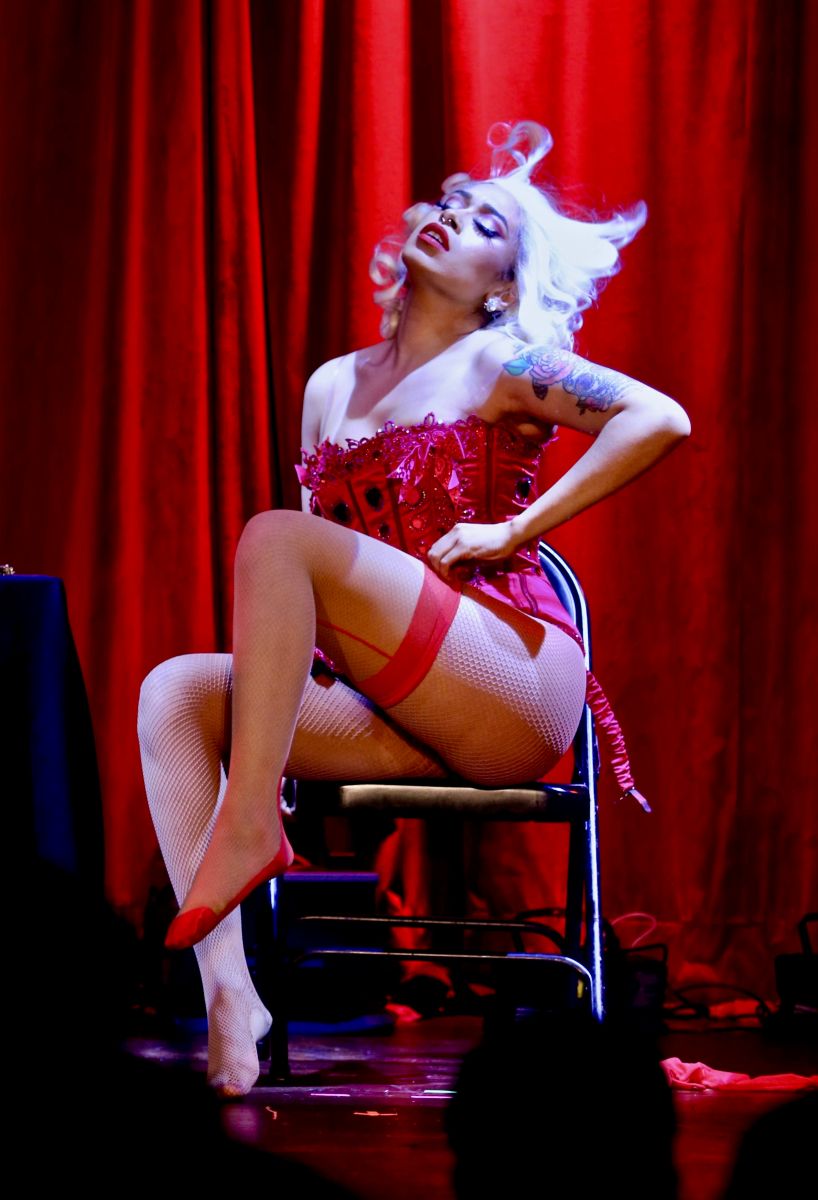
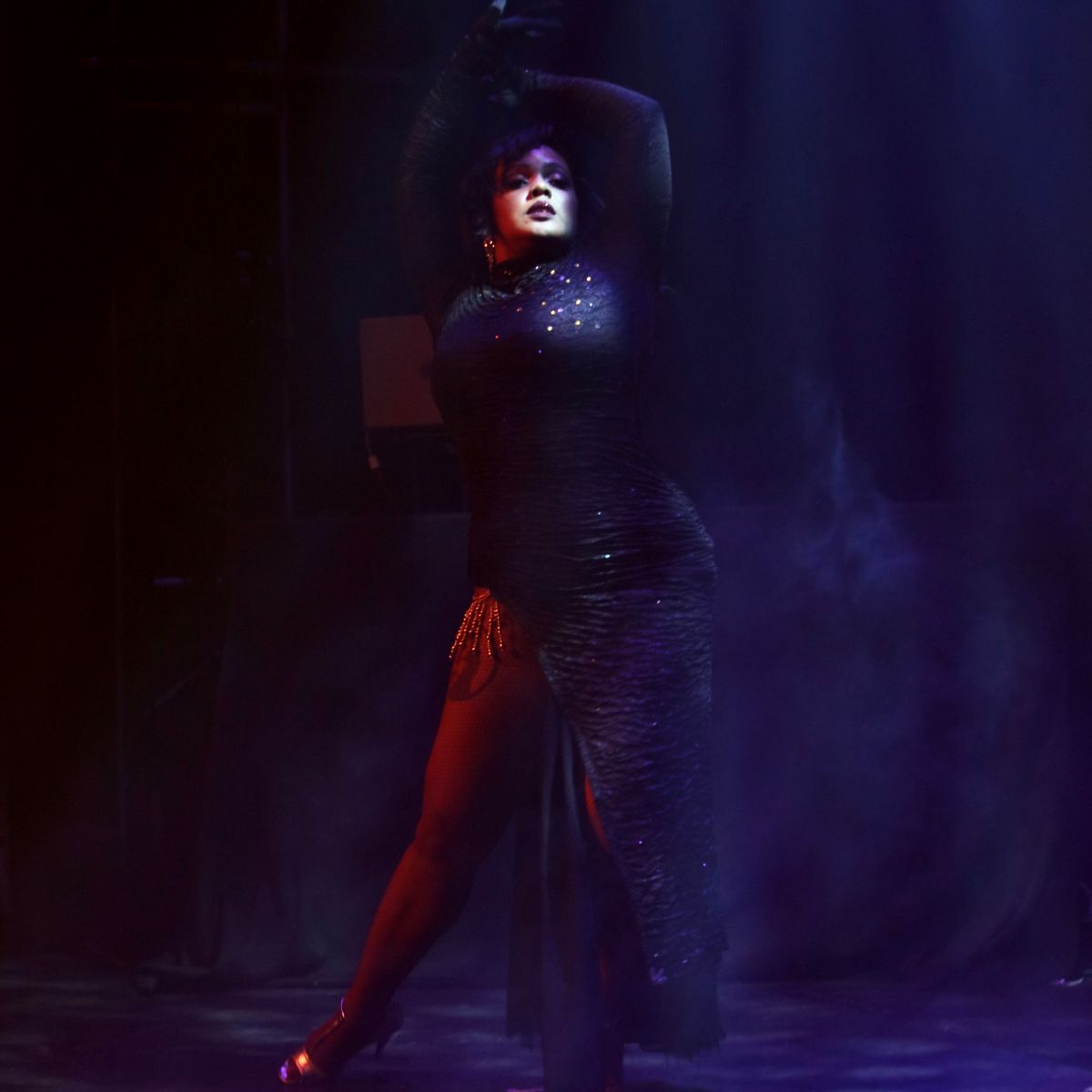
In a long pink robe, Eva Mystique steps onto the stage as the horns of a jazz song play. Her magnetic movements begin with subtle rolls of the shoulders or wrists. Keeping her eyes on the audience, she twirls her robe, so it floats open like a fan. Embracing the power of a woman in control, she decides what the audience can see. 

When she sprawls on the floor with stiletto heels aimed to the sky, it is as if she is pointing to how the art form operates on a grander scale.

After preparing hand sewn costumes for months, developing choreography for weeks, and perfecting makeup for at least an hour, Mystique says, “I have seven minutes to convince people that they’re safe, that there is nothing to be ashamed of and that it is okay to enjoy the experience. In the first minute, they’re scared. By the end of it—I have them in the palm of my hand.”

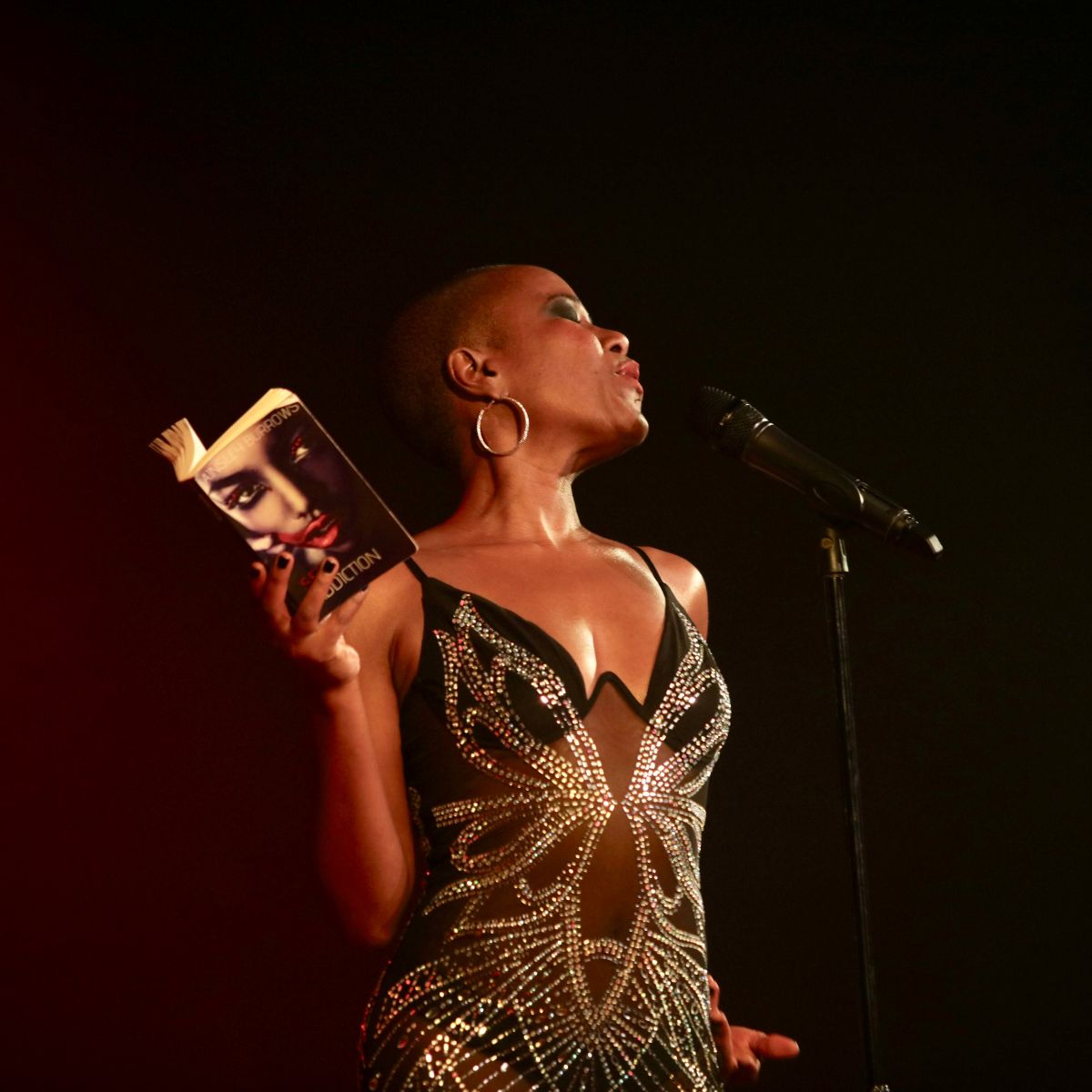
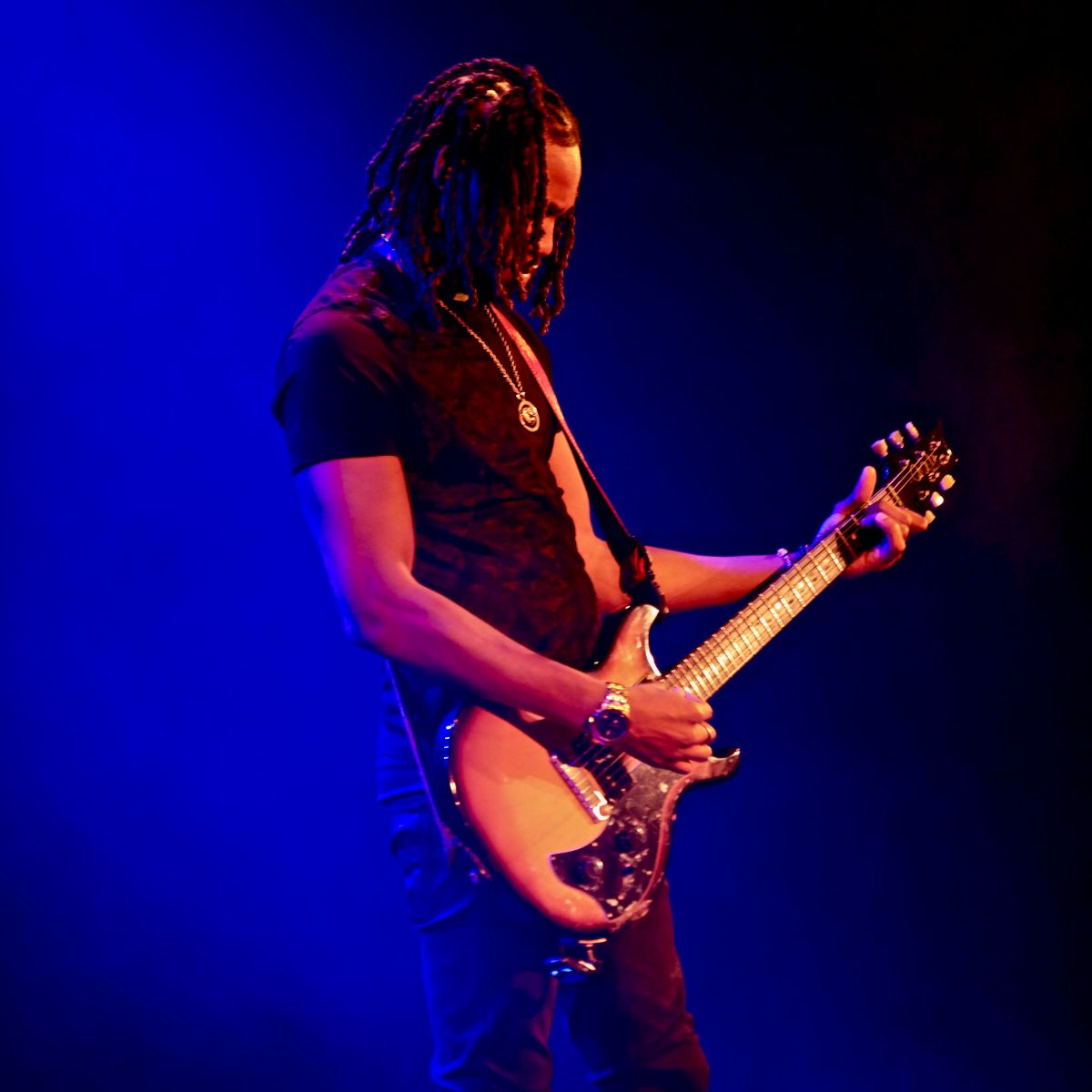
Mystique is one of the cast members of The Sweet Spot, an all-Black burlesque variety show created by Ainsley Burrows and his producer and wife, Laurielle Noel. 

The Sweet Spot initially began as an erotic poetry event in New York City in 2006. Today, it has evolved to include comedy, dance, and music in addition to poetry. As Burrows describes on his website, the production champions “sex positivity, inclusivity, and self-expression, offering audiences a liberating space to embrace their individuality.” By now, the cast can boast more than 600 performances in over 40 cities around the country and in Canada. 

“What we found was that burlesque dance is a beautiful, artistic, vehicle,” Noel says. 
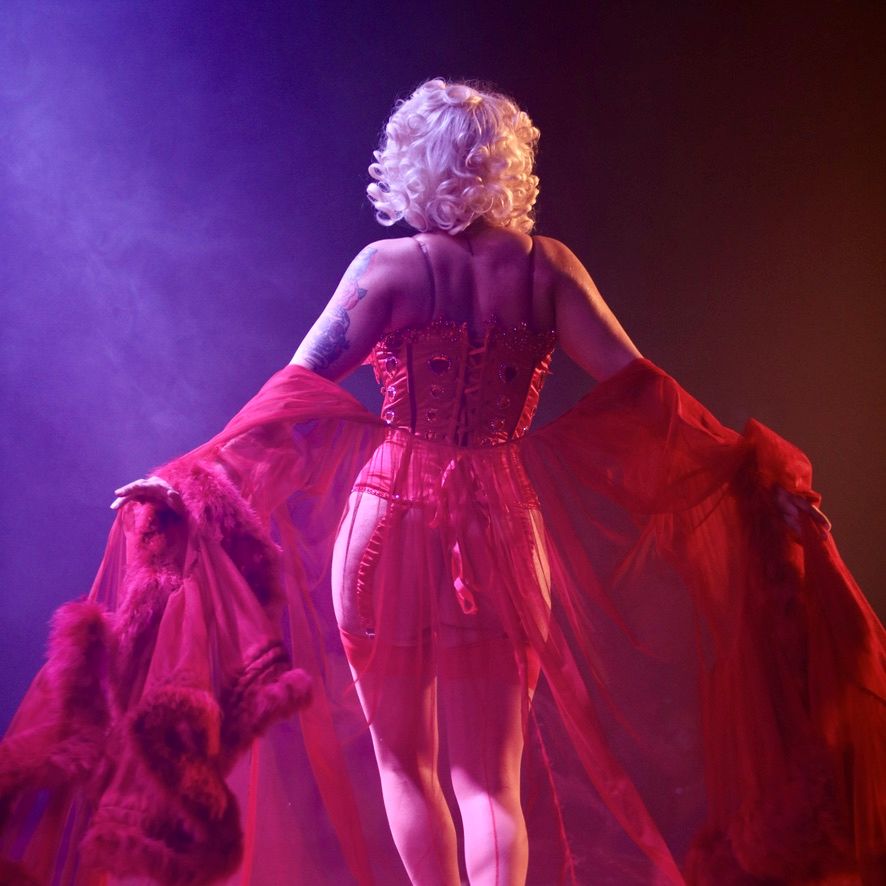
Eva Mystique, photo by Dennis Manuel
Apathy Angel, photo by Dennis Manuel
Laurielle Noel, photo by Dennis Manuel
NYC Hollywood, photo by @Namkcalb(Will)
It is not to turn a man on. We create the art to express what we see as sexuality and what we see as beauty.
Eva Mystique

With origins dating back to mid-19th century Europe, burlesque has a long history of subverting societal expectations, centering the body on performers’ own terms. From Paris, to London, to New York, Eurocentric worlds that often objectified the female body while saddling it with taboos provided plenty of fodder for burlesque artists to play against. The possibilities of such subversion and reclamation of the body would offer even more to Black artists. 

In 1926, Josephine Baker famously performed her danse sauvage before a white audience at the Folies Bergère in Paris. She wore little more than a skirt made of 16 rubber bananas. Demanding the audience’s attention with crossed eyes and swaying hips, she was taking control of the ridiculous stereotype of the African “savage” and juxtaposing it with her own commanding beauty and power of presence. The performance made her an instant star. She would go on to work as a spy for the French resistance against the Nazi’s in World War II (her status as “France’s most famous woman” was cover) and refused to perform for segregated audiences. 

“[Burlesque] is liberating because it gives us visibility,” Chicava HoneyChild said in an interview with Splinter in 2013. For thirteen years, she served as the creative producer of and a performer with Brown Girls Burlesque, a New York City-based troupe founded in 2007. “We’re owning our brown skin and our sexuality and we’re putting it out there, making ourselves vulnerable for the sake of our beauty.” 

Mystique’s view echoes this sentiment. “It is not to turn a man on. We create the art to express what we see as sexuality and what we see as beauty,” she says. “When you see a woman on stage who is not yielding to you, it can be intimidating.” She considers herself fortunate to be surrounded by mostly Black women who supported her when she first began performing but has seen others not receive the same opportunities or be paid the same amount as their white counterparts. 

While The Sweet Spot works to provide fair pay as well as sick and maternity leave for their dancers, Burrows and Noel agree that the broader options presented to Black burlesque performers too often fall short. They recounted seeing one of their cast members perform at a Baltimore show and witnessed her having to tone down her sexuality. Burrows refers to it as “psychological nullification” when Black burlesque dancers are invited to perform, take off their clothes, but are asked to not make it too sexy—limiting their agency and empowerment. 

The inequities Black people face both on and off the stage can also affect how they feel about themselves, their bodies, and sexuality. But The Sweet Spot makes a strong effort to remove shame from the room—not only for its performers but for its audiences. “That is one of the beautiful platforms that we create,” Noel says. 

Eva Mystique, photo by Dennis Manuel
Right Now Rouge, photo by Kenneth Newman
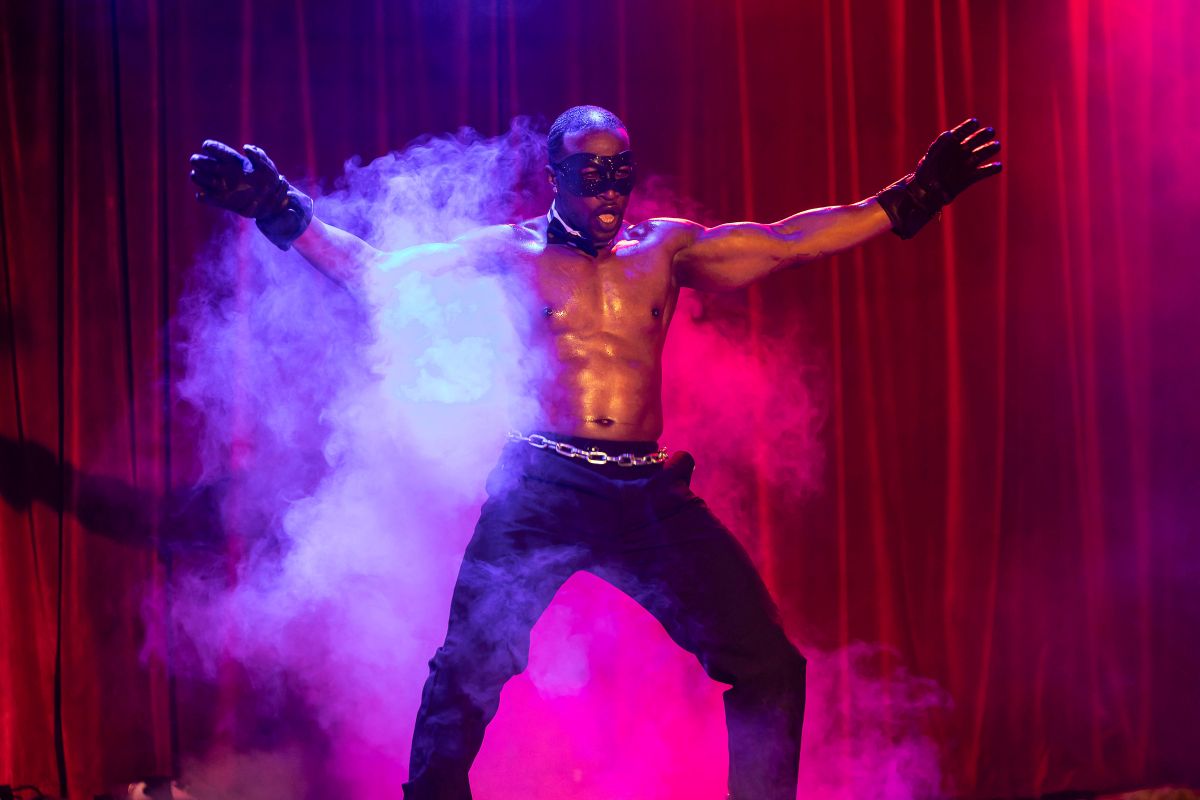
Xiiim, photo by by Dennis Manuel
Adagio, photo by Dennis Manuel
Ainsley Burrows, photo by Dennis Manuel
Art is a form of resistance. Burlesque is a form of resistance. It is subversive.
Ainsley Burrows

What can burlesque offer to this moment in history? The Trump administration is penalizing diversity, equity and inclusion efforts; has carried out sudden deportation even with protected status; is investigating universities for supporting students of color through PhD programs; and continues to limit access to reproductive rights, to cite only a fraction of it. With all these efforts to undermine the visibility of marginalized people in the US, baring oneself on stage may seem riskier than ever before. 

Yet in the face of such a divisive political and social climate, burlesque is poised for performers willing to transform themselves and their audiences.

Burrows recounted the first time President Trump was elected in November 2016. The same week, the group was preparing to drive to Charlotte, North Carolina. “Everyone was still in shock,” he says. They were a car full of artists. And from their clothes to their hair to their general presence—they stood out. But the performers gathered together and decided that what they could do was bring joy and connect the audience to new or undiscovered emotions. 

“We got there, and we gave the best show that we could. The audience walked out feeling great. That’s what we do,” Burrows says. “We’ve always done it. Art is a form of resistance. Burlesque is a form of resistance. It is subversive.” 

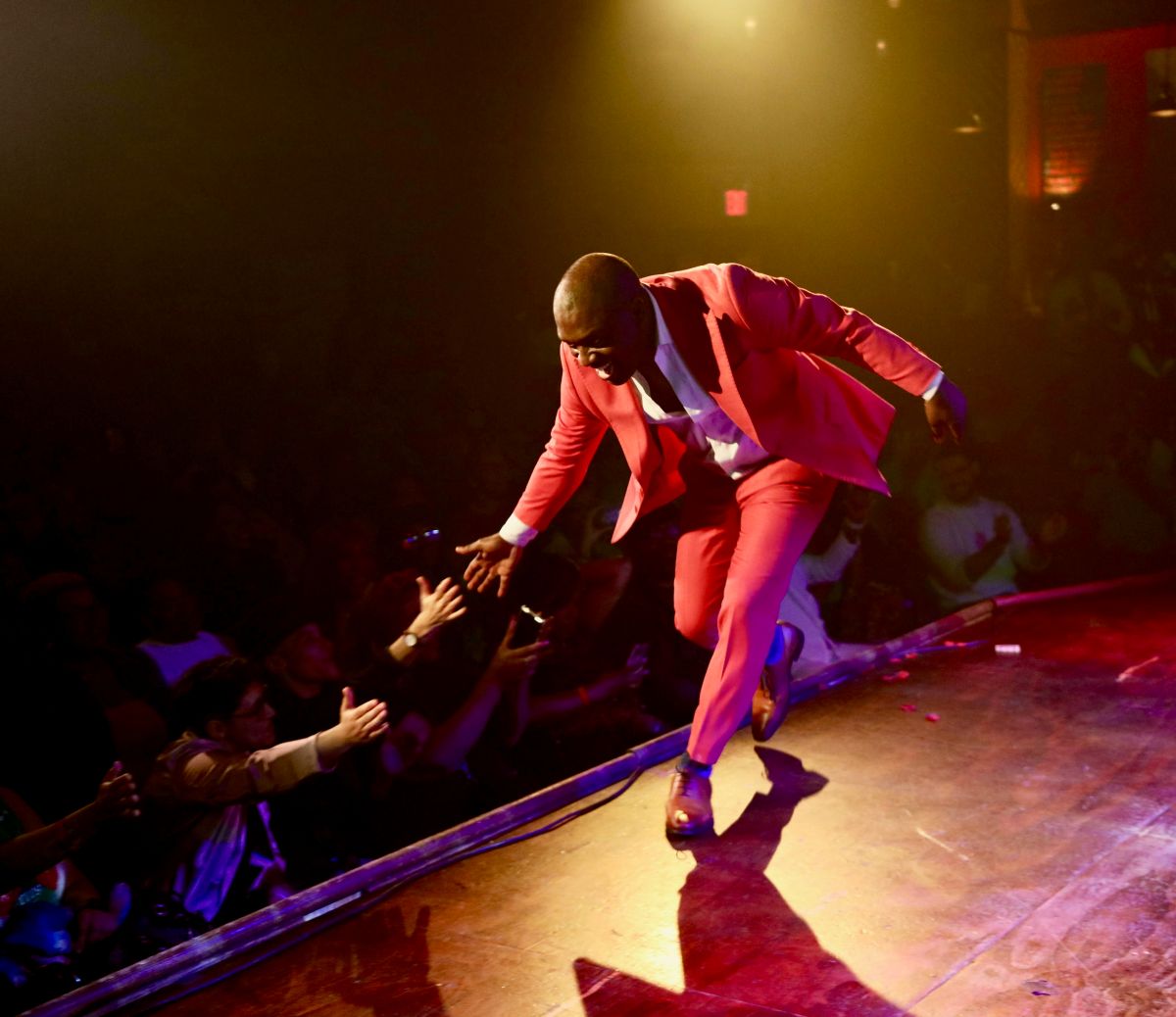
Noel adds that when guests arrive at the show, they discover they’re not just there to watch. They are part of the experience. The cast will also greet and usher the audience to their seats and often interact off the stage—so everyone present can feel seen and celebrated.

“We lean into the erotic nature of it. We lean into the artistic nature. We lean into the transcendent nature of it,” Burrows says. “If you’re feeling good about yourself then it is more difficult for you to do something that will oppress someone or will oppress yourself.” 

Audiences can discover these revelations with the The Sweet Spot Burlesque show at Baltimore Soundstage on May 18th at 6 p.m. Doors open at 5:30.  

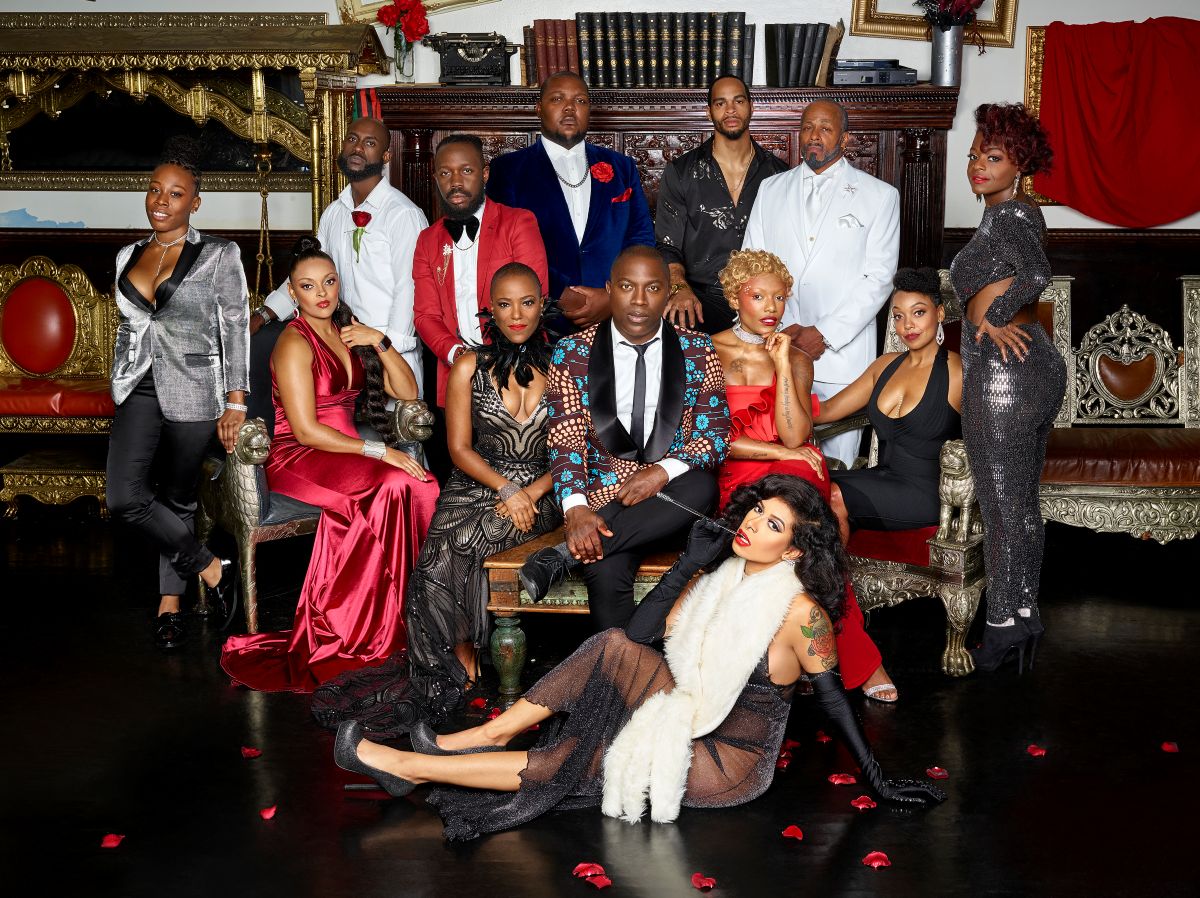
The Sweet Spot Cast and Team, photo by Keith Major

Header Image: The Sweet Spot Cast and Team, photo by Keith Major. All images courtesy of The Sweet Spot.

Related Stories
"You, Me, The Reign" is a Soulful Album with Decades of Influences but Very Much of Baltimore 2025


Where Archive Meets Queer Magic

For me, going to the archives is a mental health and wellness practice. Seeing queer memories feels really healing.

A Photo Essay of Baltimore's Free Underground Music Festival

This October 10-12th, Subscape showcased experimental and genre-defying music from punk and noise to electronic and indie rock with a strong emphasis on local and regional talent. 

How a Silly Idea Evolved into the City's Beloved Competition

"In 2025, we were proud to return for the second straight year as presenting sponsor of the Kinetic Sculpture Race Powered by PNC," says PNC Regional President for Greater Maryland Laura Gamble.