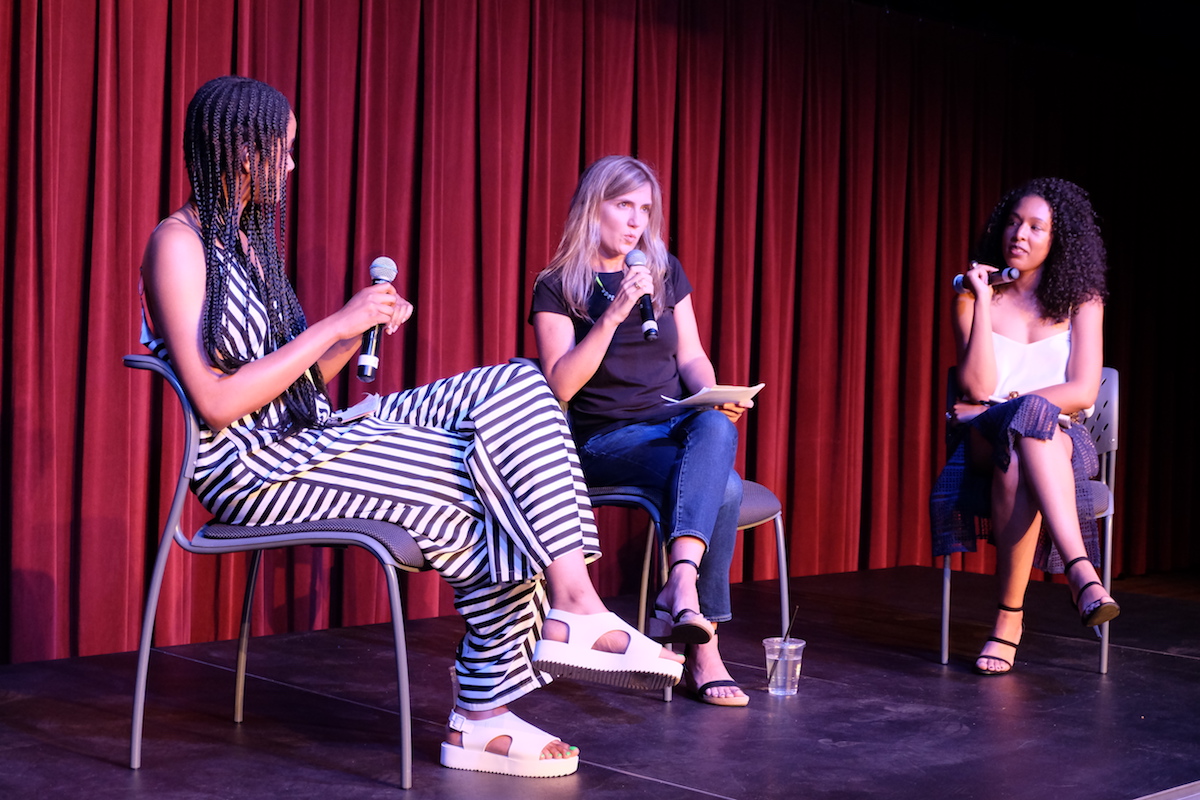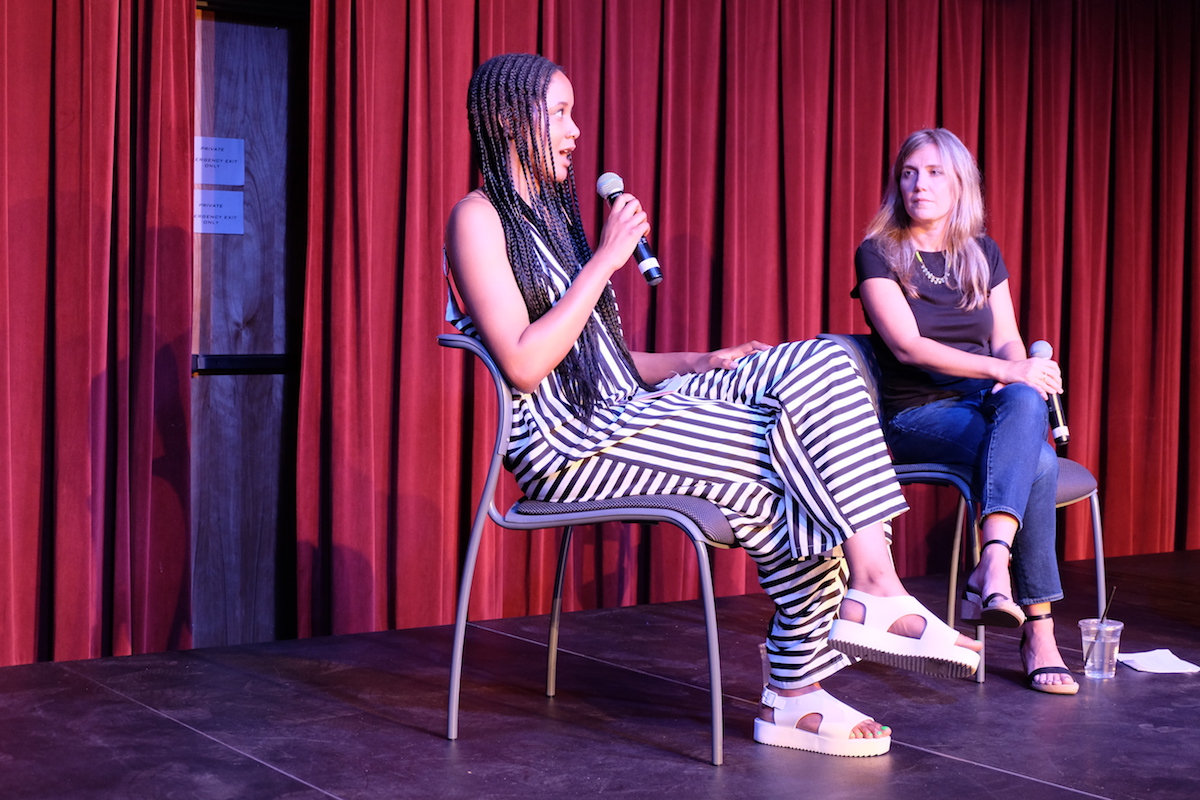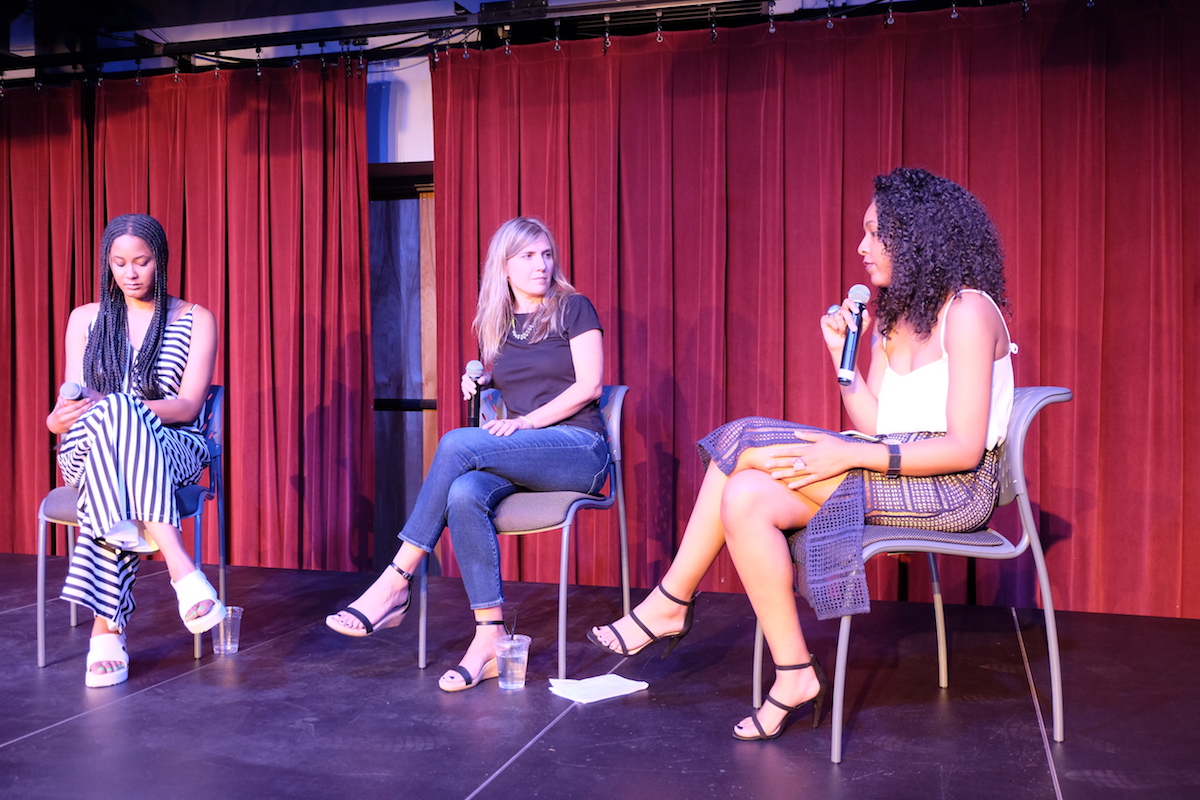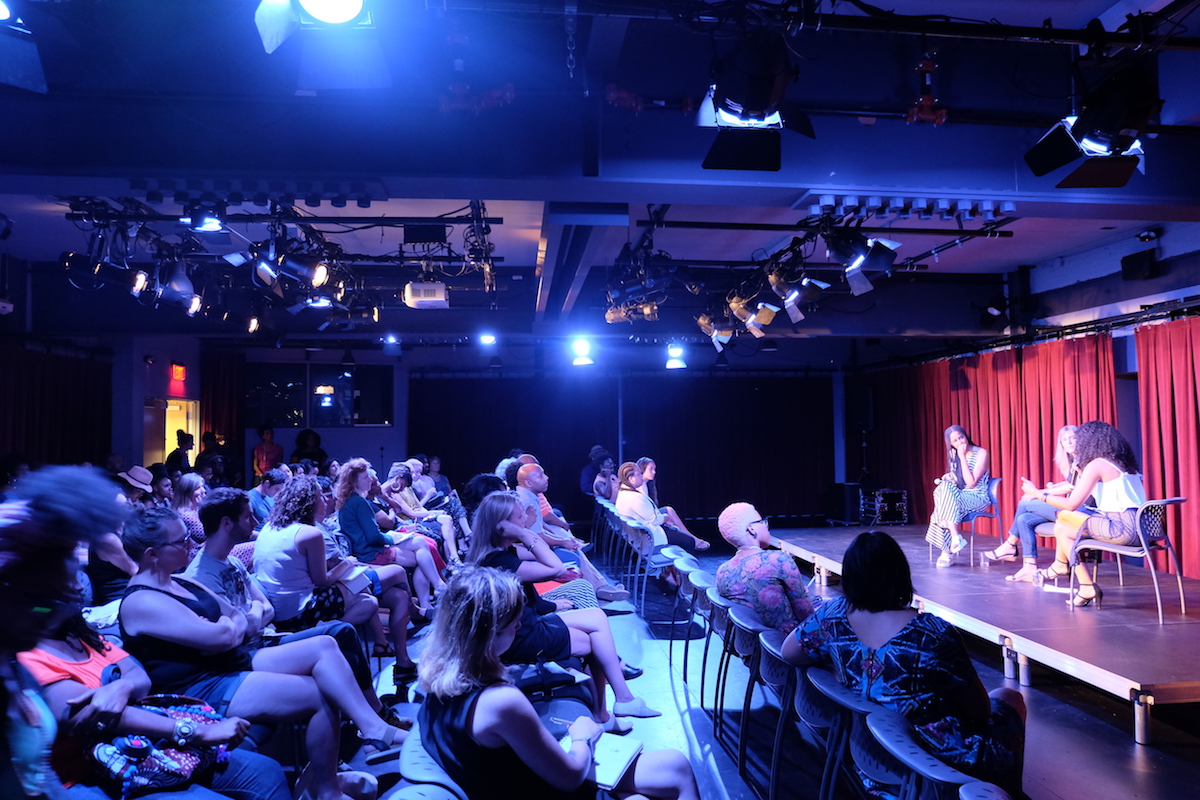
A Panel Discussion with ARTS.BLACK Editors Jessica Lynne and Taylor Renee Aldridge moderated by Cara Ober
Photos by Thea Harvey-Brown and Audio Editing by Jack Livingston
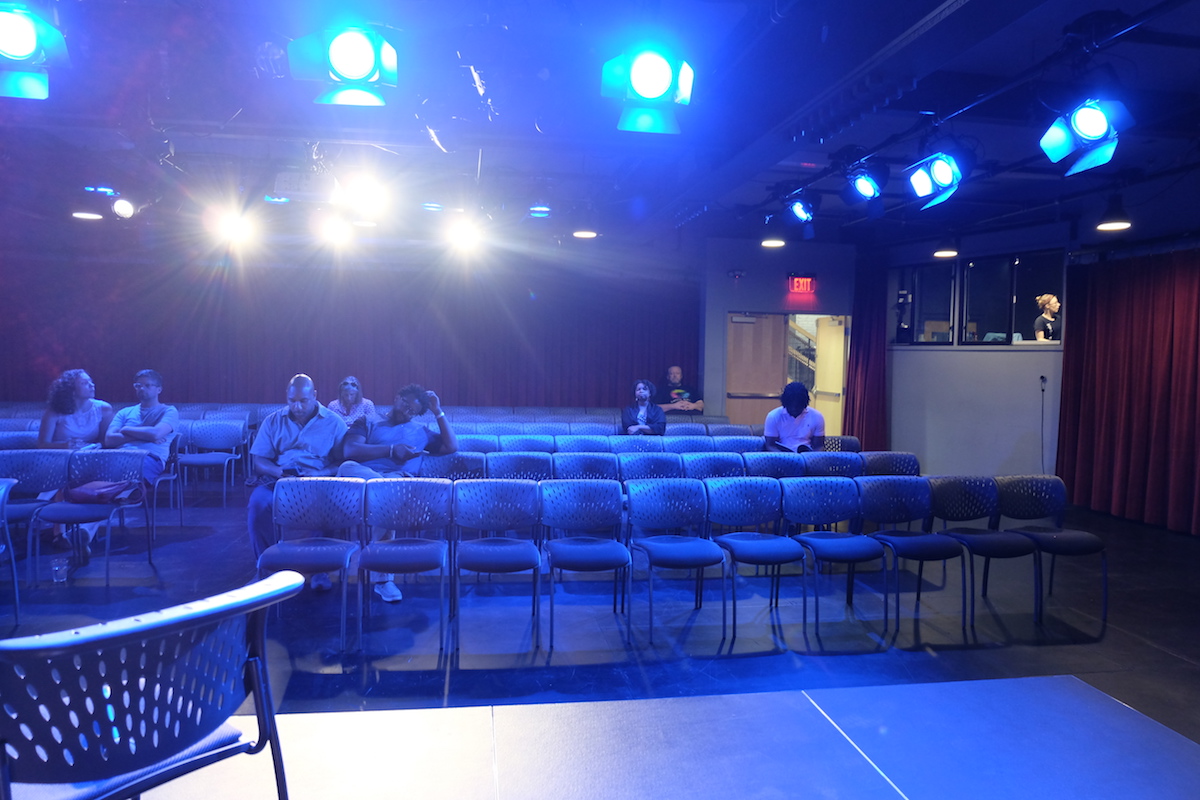
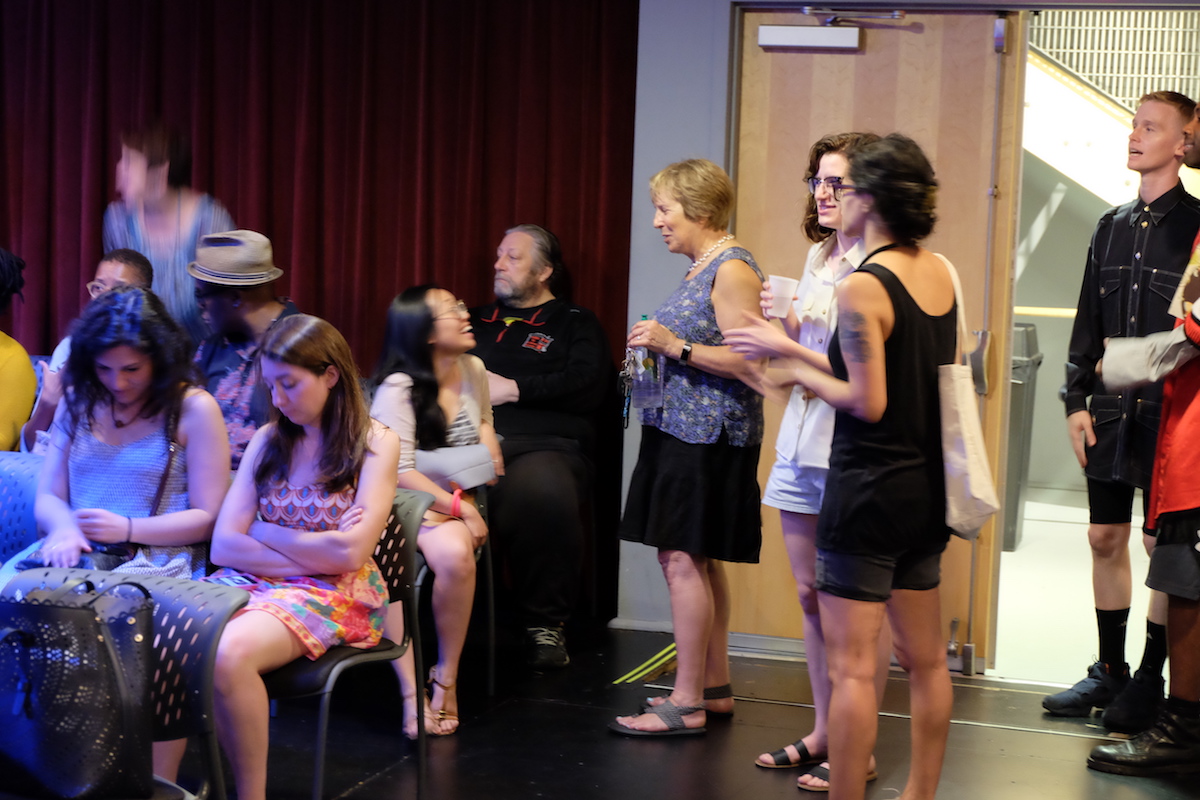
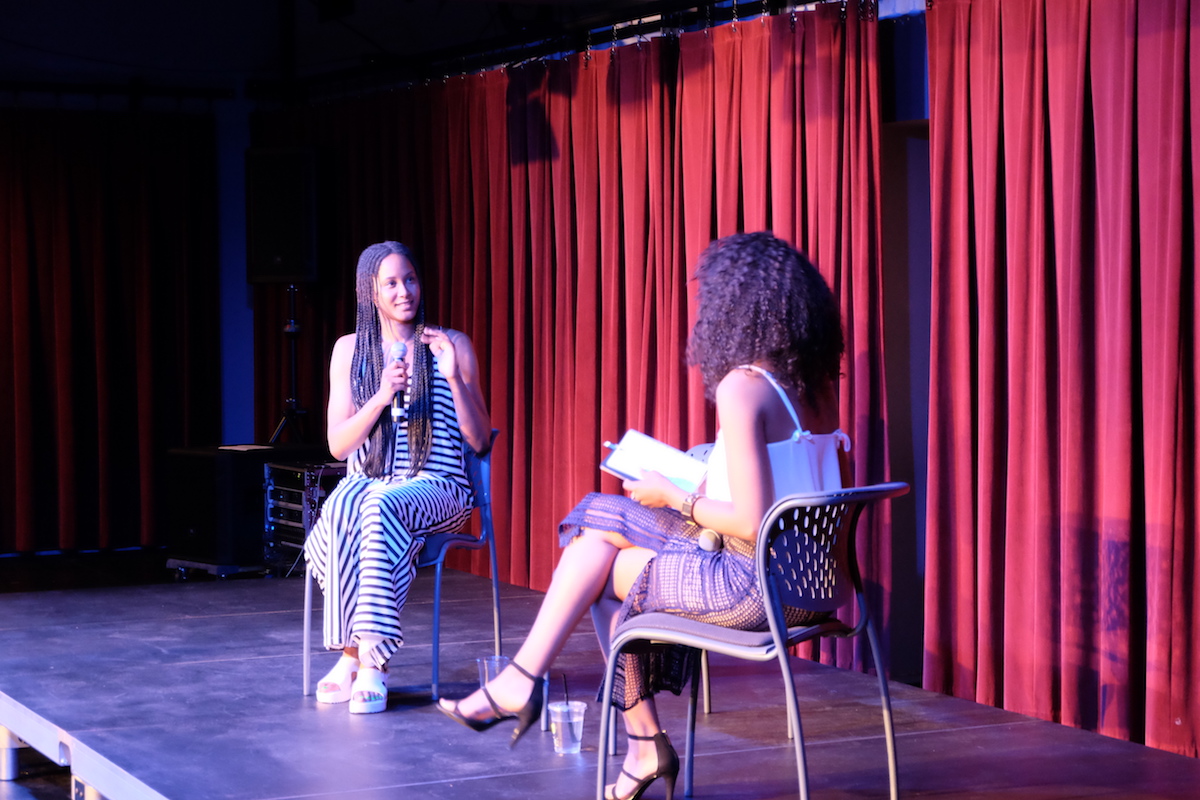
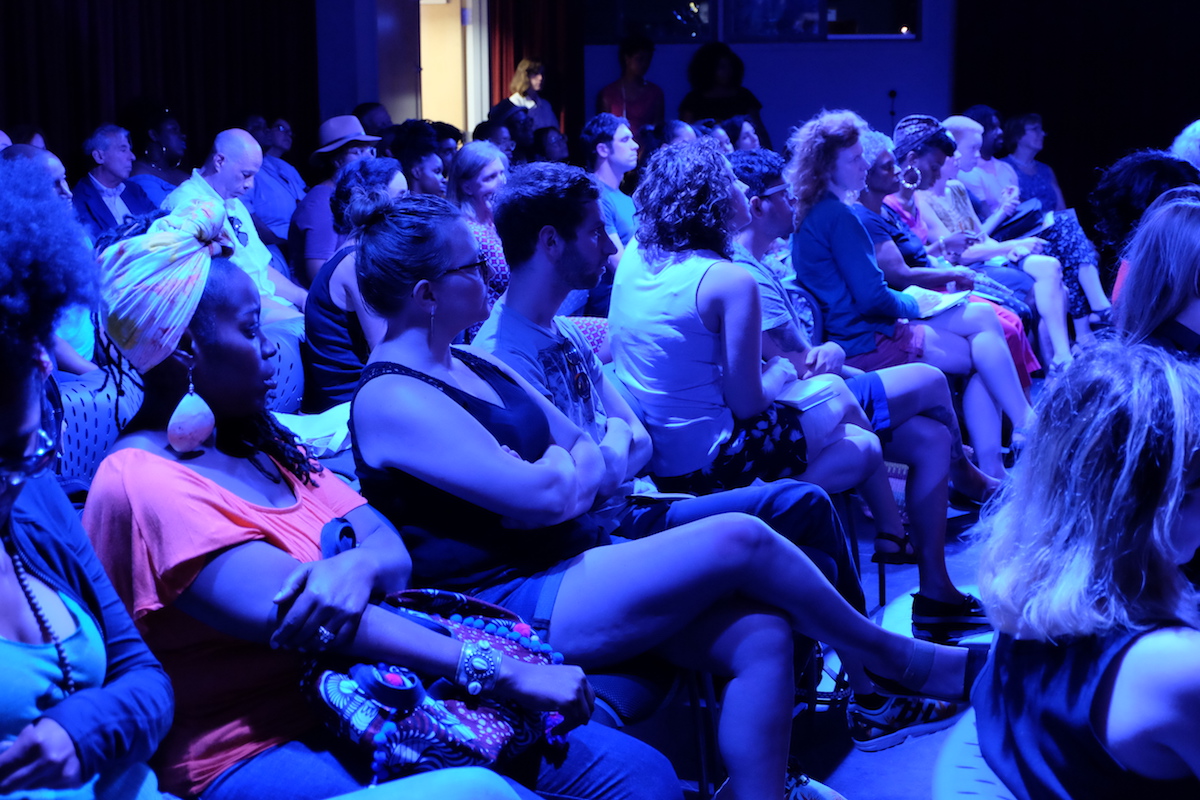
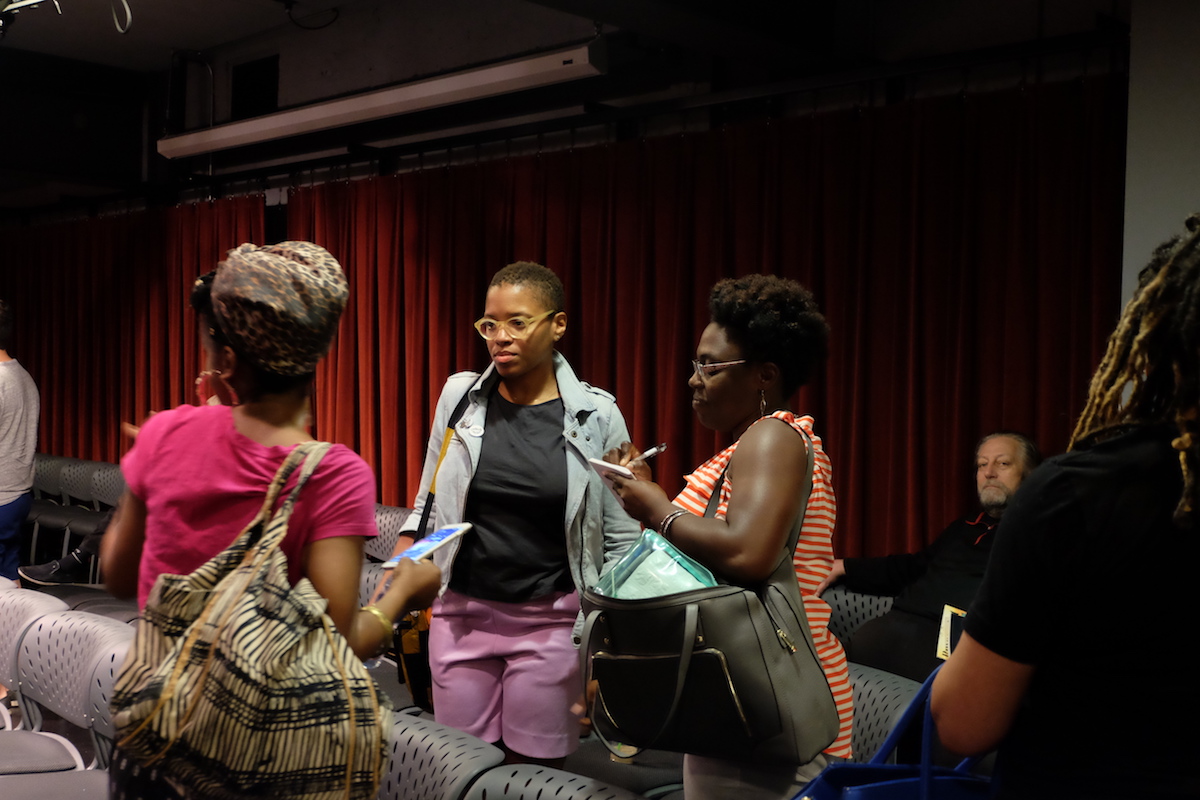
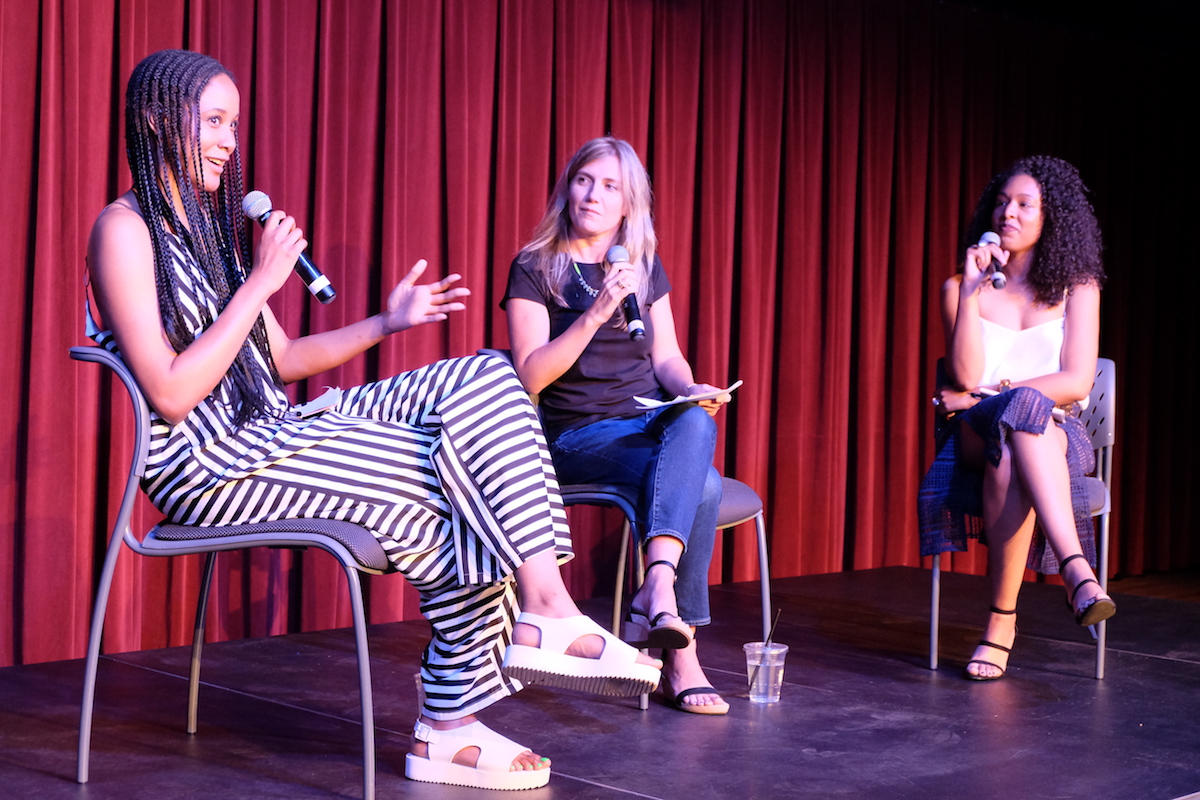
On Saturday, June 24 BmoreArt hosted ARTS.BLACK editors Jessica Lynne and Taylor Renee Aldridge for a free panel discussion at The Motor House in Baltimore to discuss the role of critical black voices in contemporary art criticism.
The event was made possible by the Robert W. Deutsch Foundation, the generous funder of our Re-Model Speaker Series, which was designed to further Strategic Career Thinking for Baltimore based artists, by working collaboratively with nationally recognized arts professionals. This series is designed to challenge existing structures of success and to build awareness and diversity within current models for best professional practices.

Jessica Lynne is a Brooklyn-based arts administrator and critic. She received her BA in Africana Studies from NYU and has been awarded residencies and fellowships from Art21 and The Cue Foundation, Callaloo, and The Center for Book Arts.
Jessica contributes to publications such as Art in America, The Art Newspaper, The Brooklyn Rail, Hyperallergic, and Pelican Bomb. She’s co-editor of ARTS.BLACK, and a founding editor of the now defunct Zora Magazine. Currently, Jessica serves as the Manager of Development and Communication at Recess, a NY based organization that creates opportunities for artists to work in a public setting, initiating partnerships among artists and audiences.
Taylor Renee Aldridge is a writer and curator based in Detroit. She received her MLA (Masters of Liberal Arts) from Harvard with a concentration in Museum Studies and a B.A from Howard University with a concentration in Art History. Taylor works as an assistant curator of contemporary art at DIA, the Detroit Institute of Art, and was a 2016 recipient of a Warhol Foundation Writers Grant and she is co-editor of ARTS.BLACK.
Taylor has worked at the Ethelbert Cooper Gallery of African & African American Art (Harvard University), and has been awarded the Goldman Sachs Junior Fellowship at The National Museum of American History (Smithsonian Institutions). She has written for the Detroit MetroTimes, ARTNews, ContemporaryAnd, SFMoMA’s Open Space and Hyperallergic.
Together, they are the co-founders and editors of ARTS.BLACK, a journal of art criticism from Black perspectives.
Focus Questions for the discussion:
What does it mean to work in a system that does not run parallel to your ideologies, but has the potential to? (This can pertain to both art institutions and the art world in general.)
What is the strategy and what’s at stake when you’re in a constant practice of subverting?