Sondheim Artscape Prize Finalists by Michael O’Sullivan from the Washington Post, Published Friday, July 29, 2011
Five artists lead us down varied streets
Visitors to the Baltimore Museum of Art exhibition showcasing the work of finalists in this year’s Sondheim Artscape Prize competition may suddenly find the lyrics to an old “Sesame Street” ditty popping into their heads.
One of these things is not like the others.
One of these things just doesn’t belong.
In a show heavy on photography and video – four of the five finalists work in one or both mediums – the art of Baltimore sculptor Rachel Rotenberg, made of rough-hewn wood and vines, sticks out. Old-fashioned without being square, her objects manifest at once a masculine muscularity and feminine grace, evoking both robust abstract forms and silent, empty volumes. She did not, however, take home the regional art contest’s $25,000 prize.

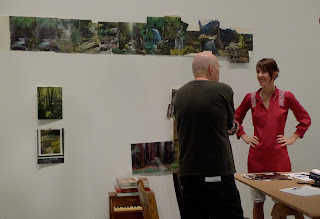
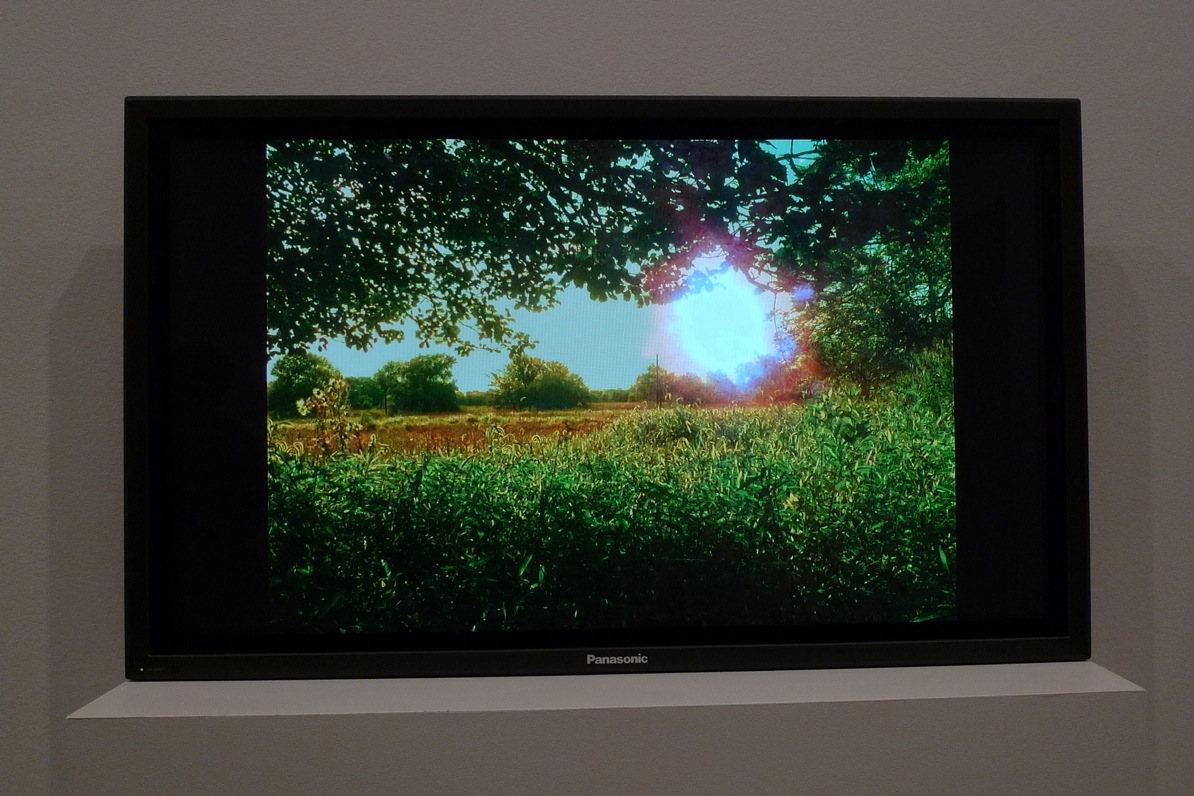
That honor went to Matthew Porterfield, a Baltimore filmmaker represented by a wall-size grid of 72 photographic prints – none of which, individually, will knock your socks off – and a monitor showing a rave-ready slide show of those same images, rapidly flashing along with others. The latter piece, which incorporates trippy digital effects, is actually pretty cool.
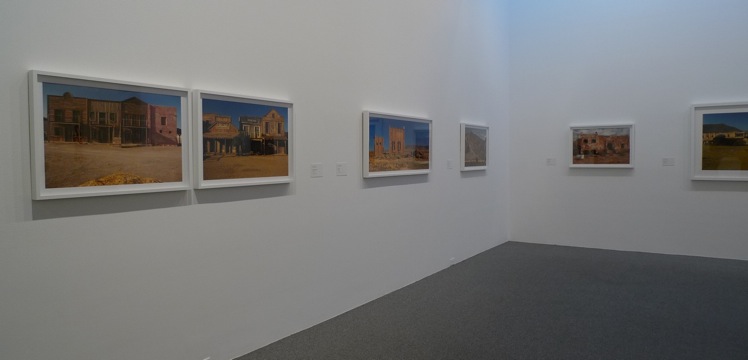
Washington photographers Mark Parascandola and Louie Palu are both worth a look – Parascandola for his studies of old spaghetti-western sets and abandoned real estate developments in Almeira, Spain, and Palu for his powerful photojournalism from Kandahar, Afghanistan. A few of Palu’s bloodier images, which document the work of Army medics, are not for the faint of heart.

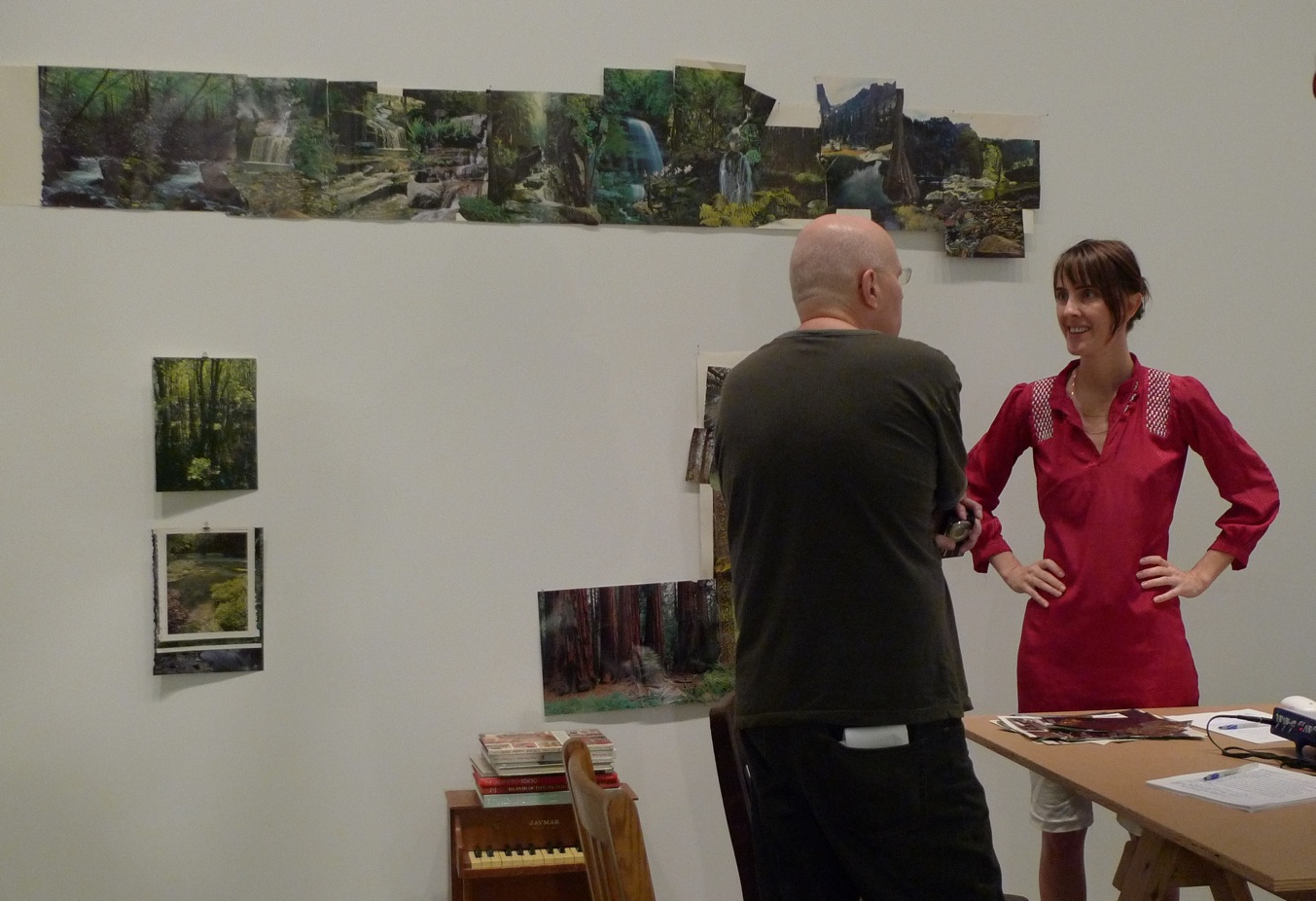
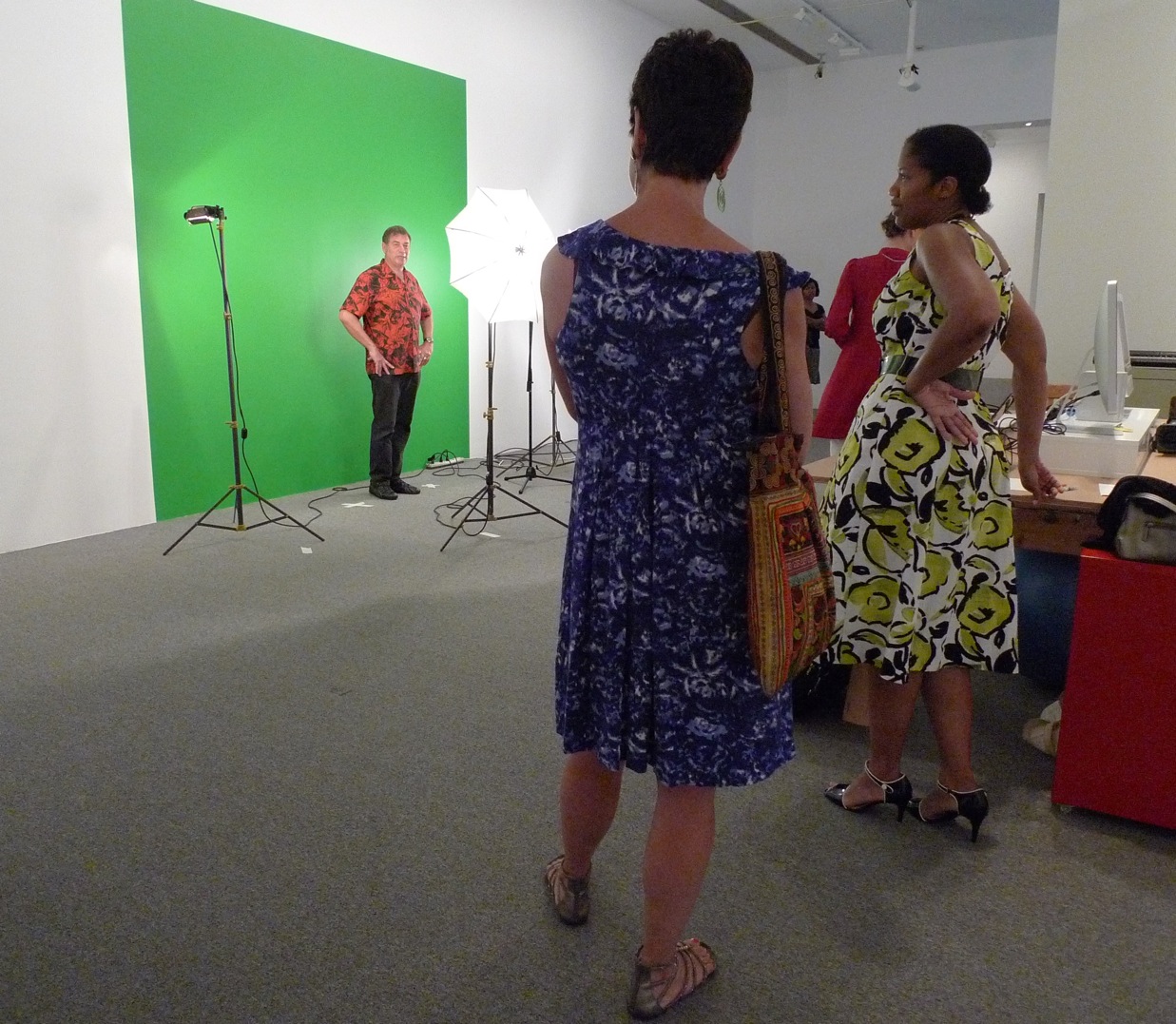
But if you guessed that Rotenberg – the only artist here who doesn’t use a camera – is the one who doesn’t belong, you’d be wrong. The real standout is Stephanie Barber. Like Porterfield, she’s a filmmaker, but her work is also a piece of performance art. For the duration of the show, the Baltimore artist has set up her studio, including camera, computer, scanner, musical keyboard, lights and green screen, in the gallery. She’s there every day, from opening to closing.

Each day, Barber works on a new video, averaging one to five minutes and incorporating some combination of text, still imagery, live action, animation and music. Little “poems,” she calls them. During the show’s run of 32 days, Barber expects to finish – and screen – 31 works, each of which will be added to a growing library that plays, in a perpetual loop, throughout the day.
On the morning I visited, midway through the show, 17 videos had been completed. They vary in mood from playful to profound. Taken as a whole, the project itself is kind of wonderful.
Another warning is in order, however. If you wander in – and are willing to sign a release form – Barber may end up using you in one of her pieces as an actor, singer or voice-over creator.
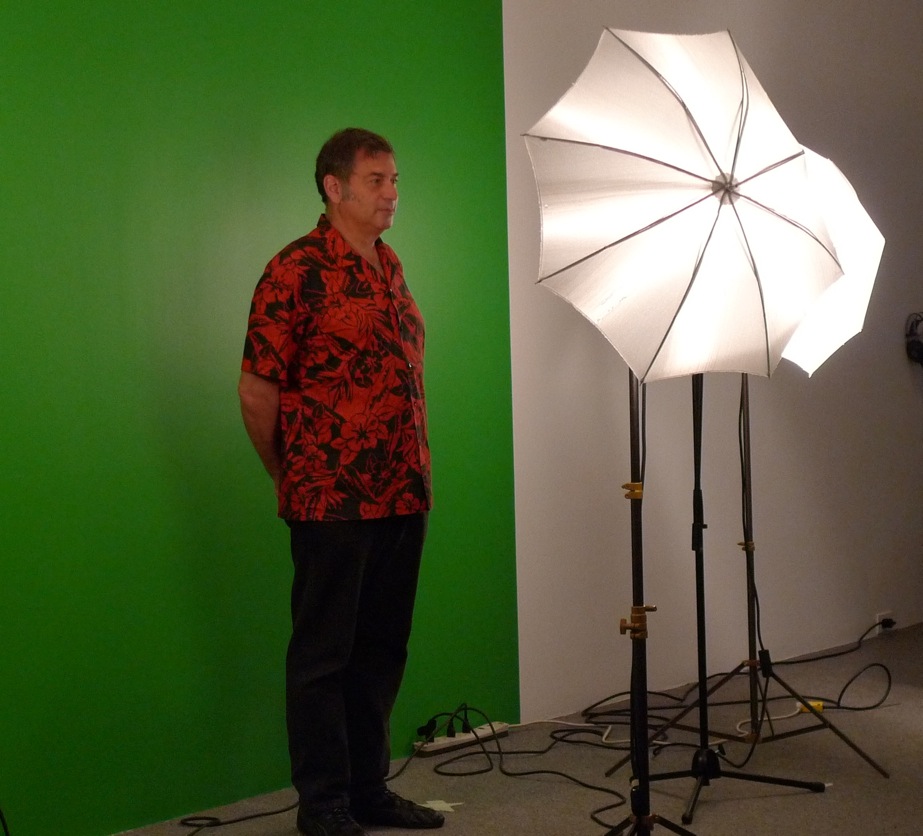
That’s fun, of course. I allowed myself to be filmed saying “I love you,” a snippet that will be screened, along with snippets of several hundred other museum visitors saying the same thing, on the show’s final day.
But it isn’t merely the audience participation that makes Barber’s work so enjoyable and thought-provoking. In a way, Barber’s art is as much about demystifying art-making (or, for that matter, the artist herself) as it is about the finished artwork.
The whole thing may look like a stunt. On one level, it’s kind of an artist petting zoo. But if it’s a zoo, it’s one that does exactly what a zoo – or a museum – is supposed to. That is, not simply to entertain but to remind us how important it is to preserve and protect the wildlife within.
To continue reading “The Story Behind the Work” click here.