Reading

A Q&A with Walters Workers United Members

Previous Story
Article Image

Seeing Purposefully: The Legacy of Maurice Berger

Next Story
Article Image

Symphony for the City: Jonathon Heyward’s BSO

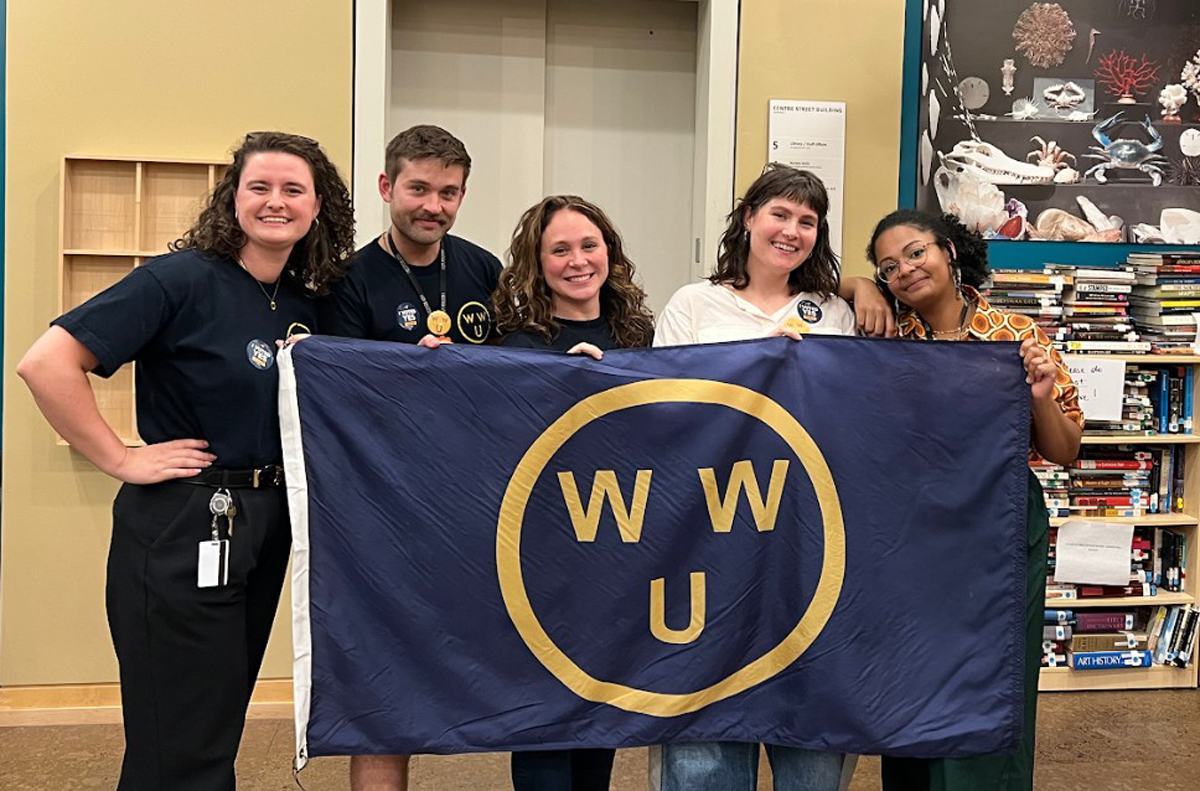
This hasn’t been a particularly great summer for many of the nation’s museums and culture sector workers. But we’re happy to report one piece of good news: last month The Walters Art Museum finally ratified a Collective Bargaining Agreement (CBA) after two years of negotiations with Walters Workers United and AFSCME Maryland Council 3.

Kate Burgin—who was appointed Director and CEO of the museum last December in the midst of negotiations with interim leadership—released an optimistic statement about the newly ratified union contract and its future utility for all parties involved: 

“We believe this Collective Bargaining Agreement addresses key priorities raised by staff throughout the bargaining process. The Walters Art Museum is committed to a strong relationship with AFSCME, WWU—one grounded in mutual respect and shared goals in support of our team members. With the CBA now ratified, we look forward to moving ahead together with renewed commitment to the museum’s mission to bring art and people together.”

My hope is that the retention rate at the Walters is greatly improved by this contract. The Walters Art Museum attracts some of the best professionals in the field. Keeping these people here pushes the Walters ahead towards the top.
Karena Ingram

According to a more detailed release from Walters Workers United, workers can look forward to 13% raises over the three-year life of the contract and improved benefits such as a $750 annual health stipend for part-time employees and eight weeks of paid paternity leave. The agreement also establishes two oversight committees to address workplace concerns, and will cover over 80 museum employees from facility workers to curators, conservators, and visitor experience staff.

“We have a wall-to-wall bargaining unit, which was a core principle when we were first organizing,” explained union member Karena Ingram via email.

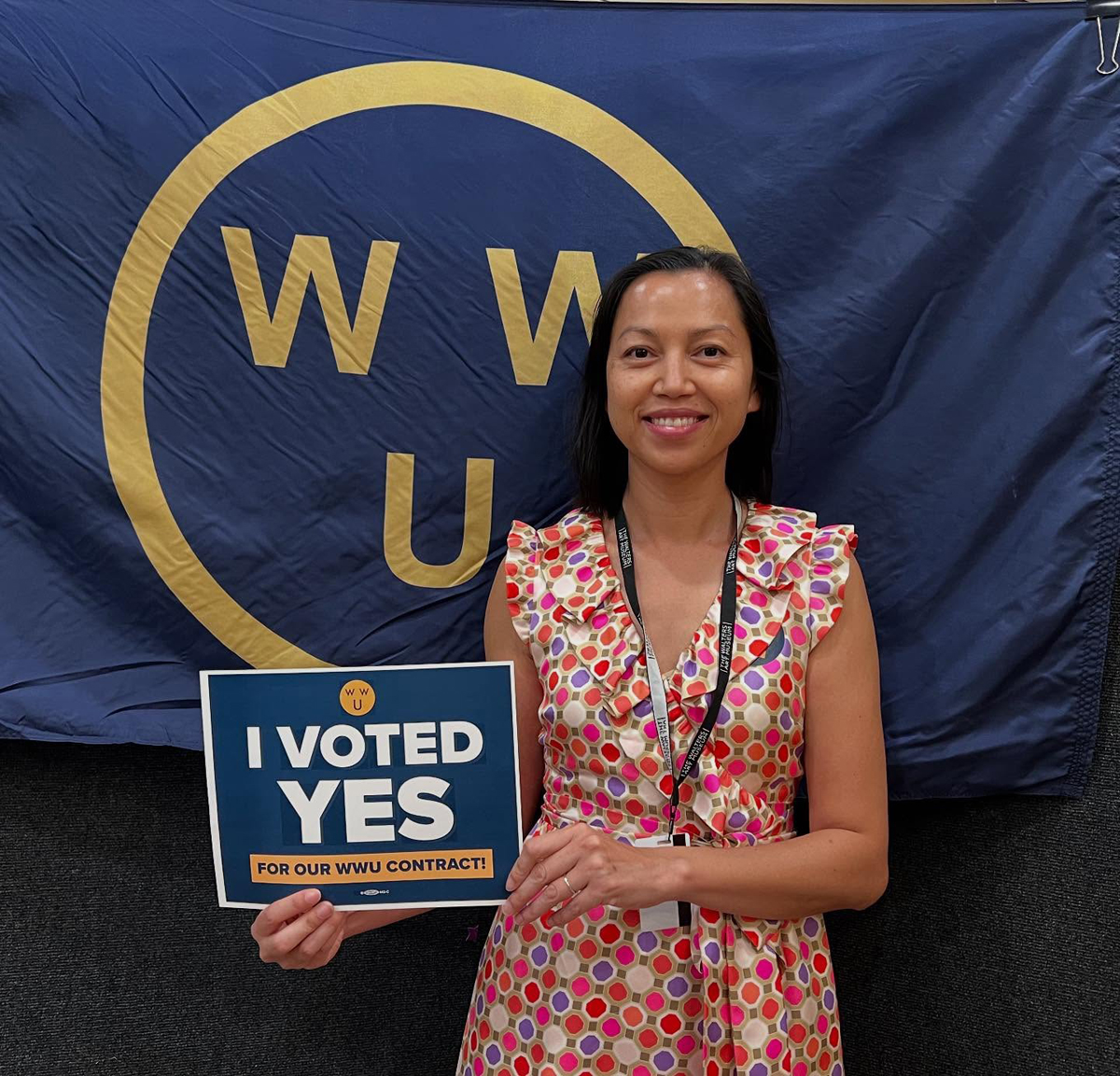
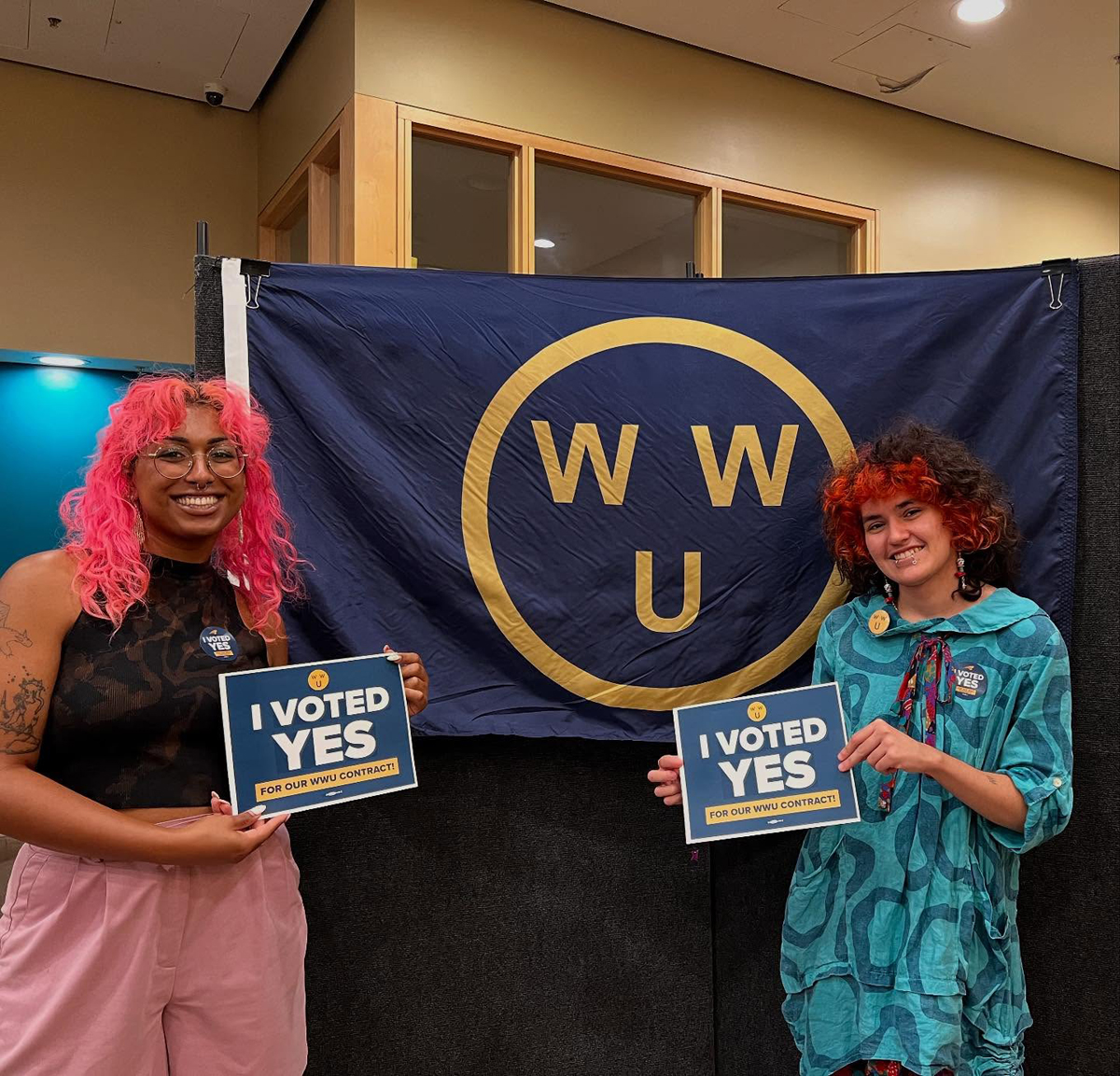
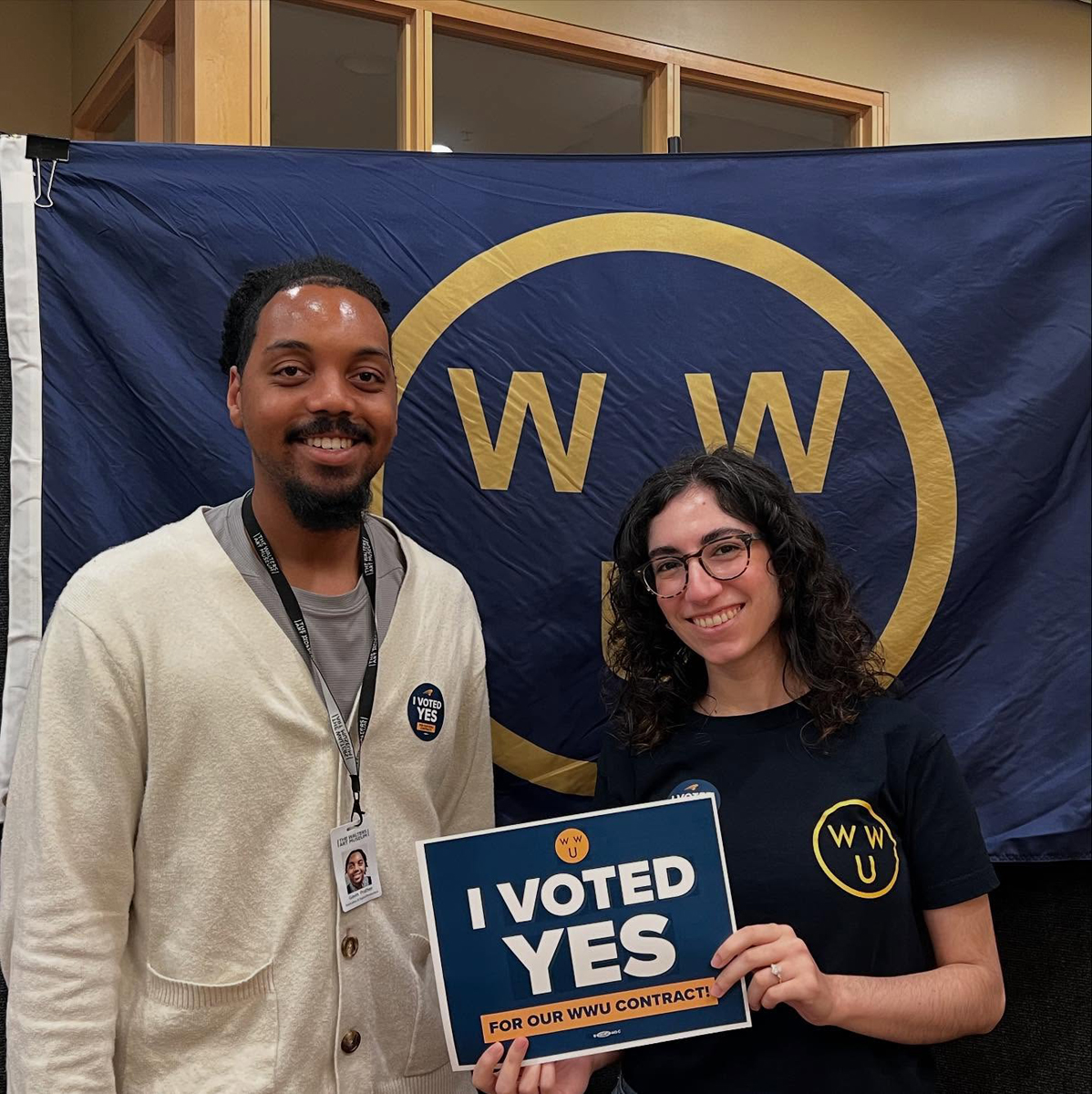
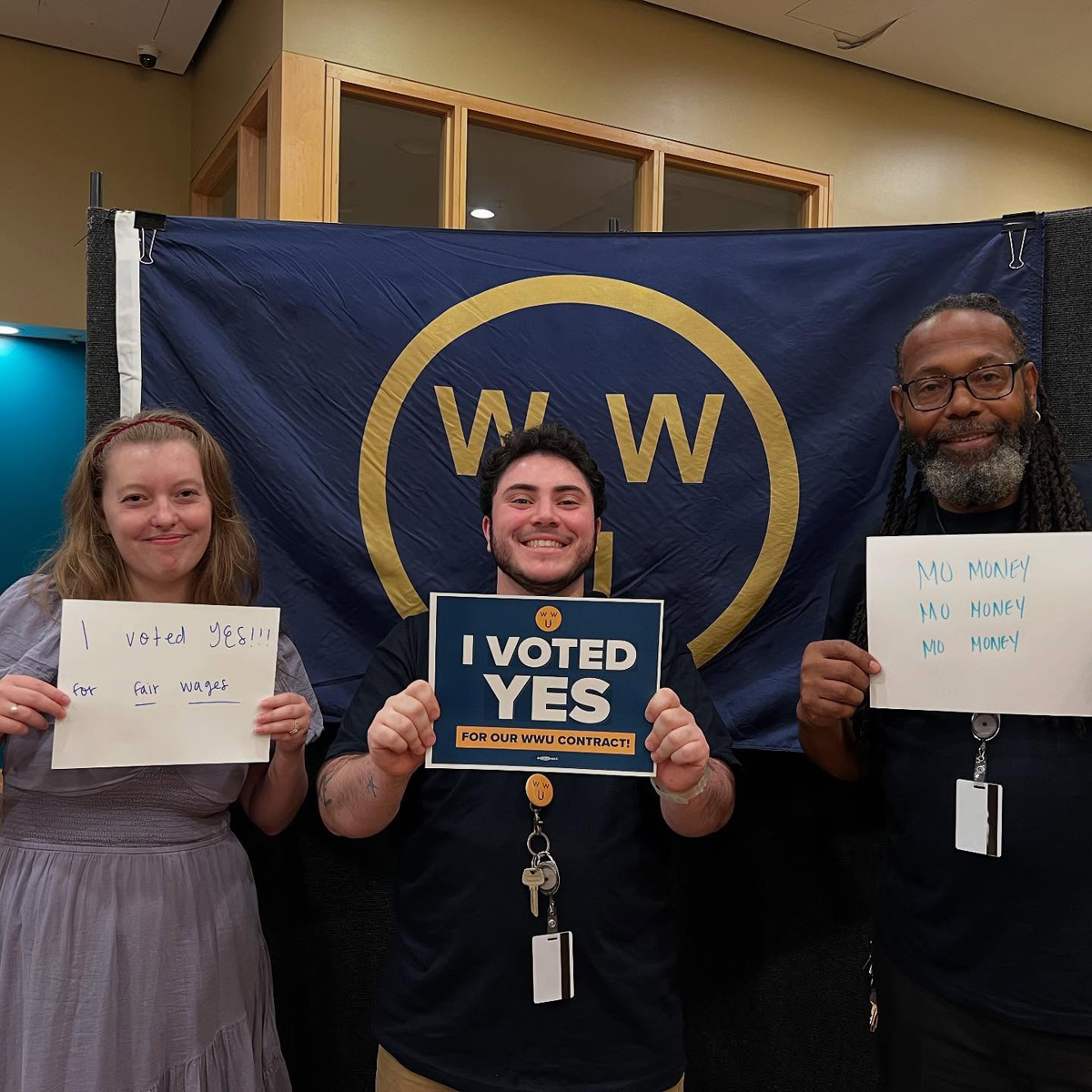
Curious about the unionization process—one that ended up taking longer at The Walters than at the BMA, whose workers ratified their CBA last fall—I reached out to Walters Workers United members for their story: 

Michael Anthony Farley: What were some of the sticking points that held up negotiations and dragged this process out?

Garrett Stralnic, Public Programs Coordinator: Another part of the reason this process took so long was that The Walters happened to be in a season of big changes. We negotiated with two different directors as well as a pair of interim directors in between a transition in leadership.

Our workplaces are the political spaces that may have the most direct impact on us. Why shouldn’t we try to democratize that process and uplift the voices of those of us who are experts in our professions?
Garrett Stralnic

Rachel Minier, Graphic Designer: We faced quite a bit of pushback on our desire for a strong union presence on the Health and Safety teams, as well as a robust anti-harassment policy, which are both extremely important issues for our members. However, as Kate came on board we were able to have more productive conversations about our needs and work together toward articles that provide much needed input and protections for our membership.

It seems to me that us culture sector workers are, in general, a pretty left-leaning, politically-savvy lot. Why do you think so many of these jobs weren’t already unionized decades ago?

Karena Ingram: Stigma and fear of retaliation. Regardless of political views, a lot of people are looking to make a sustainable living without rocking the boat and potentially jeopardizing their livelihood.

Sarah Freshnock, Preventative Conservator: Many cultural heritage workers do not see themselves represented in a stereotypical union shop, or they may think that their staff size is too small. 

Garrett Stralnic: I hadn’t had a lot of awareness of unions before we started this process in April 2021. Historically there has been a lot of money that has gone into trying to weaken the powers that unions have and to paint unions in a certain light. There has been a recent rise in interest in unions in general.

I think that has a lot to do with the ways that the pandemic made clear our need to advocate for ourselves when we saw the systems in our lives pushed to the limits. Our workplaces are the political spaces that may have the most direct impact on us. Why shouldn’t we try to democratize that process and uplift the voices of those of us who are experts in our professions?

Is there anything in the final agreement you guys had to fight especially hard for? Anything in particular you’re especially proud of?

Karena Ingram: I’m so incredibly proud of the wage and PTO structure we were able to win in this contract! Part of our wage scale includes step increases, which are rare in the museum world, but ensure that we’re rewarding employees for their years of service and able to better retain staff. It was one of the most contentious portions of the contract, but with this new structure, a lot of our members will be properly compensated for their amazing work!

Mary Cochran, Associate Registrar: I am particularly proud of the paid parental leave we won. Prior to this contract there was no parental leave at the Walters and now bargaining unit members get 8 weeks fully paid. It’s a huge step forward and one I hope to build on in the future. 

Greg Bailey, Senior Objects Conservator: I’m so relieved we have a reasonably robust parental leave. It’s such a drag on everyone—not just new parents—but all the colleagues and coworkers who care for each other and share that stress. Knowing they’re supported really means that this institution is in favor of communities and families. 

Rachel Minier: I believe the transparency of the wage scale, including regular cost of living adjustments and rewards for longevity, will increase our retention which will greatly benefit both the museum as a whole and our members, as it will retain institutional knowledge and allow coworkers to foster longer working relationships.

Did you end up coordinating with other local unions in this process?

Karena Ingram: We’ve been in close contact with our sibling union at the BMA during this process, and have participated in a number of organizing events with other cultural institution unions throughout Baltimore. Of course we also got tons of support from our Council, AFSCME Council 3, and all of our affiliated locals.

What are your hopes for the movement going forward?

Sarah Freshnock: In this final push to ratification, virtually all bargaining unit employees have joined the union. I am excited that we have rallied together and the Walters staff are engaged in creating a better workplace for all. Now with our first contract in place we can take a deep breath and work on our strong partnership with management. 

Karena Ingram: My hope is that the retention rate at the Walters is greatly improved by this contract. The Walters Art Museum attracts some of the best professionals in the field. Keeping these people here pushes the Walters ahead, towards the top of the industry.

Greg Bailey: What has been a driving factor and something I continue to look forward to is building solidarity amongst cultural workers in Baltimore and across cultural heritage together, and identifying the ways we can really be an engine for change. 

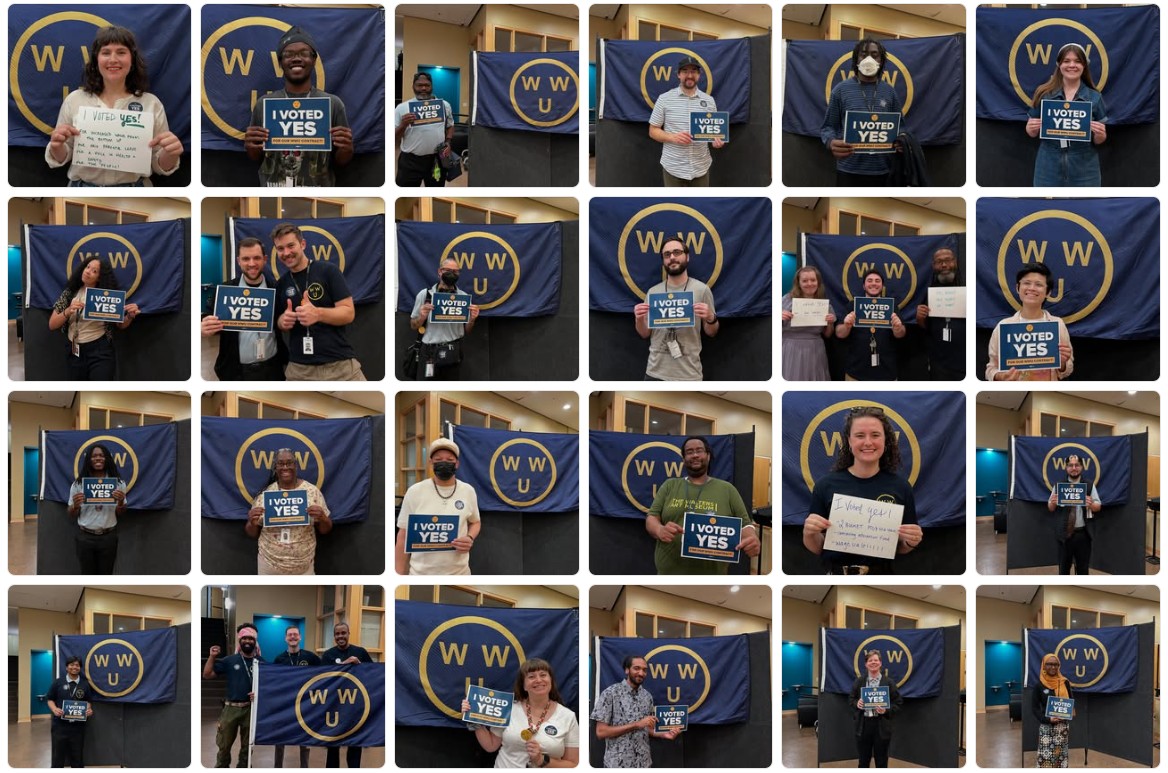
Garrett Stralnic: The excitement was palpable at the Walters that day for our ratification vote. With our union being at such high membership and participation, I hope that everyone feels emboldened to engage and share their voice and skills in our next steps here at The Walters.

Will Murray, Lead Maintenance Technician: As the fourth- longest tenured person at the Walters (at 27 years and counting) and a member of the bargaining team, I’m just happy to see all the hard work come to fruition. We were steadfast during this process and in the end everyone is happy with the result as witnessed by our unanimous vote in ratification. 

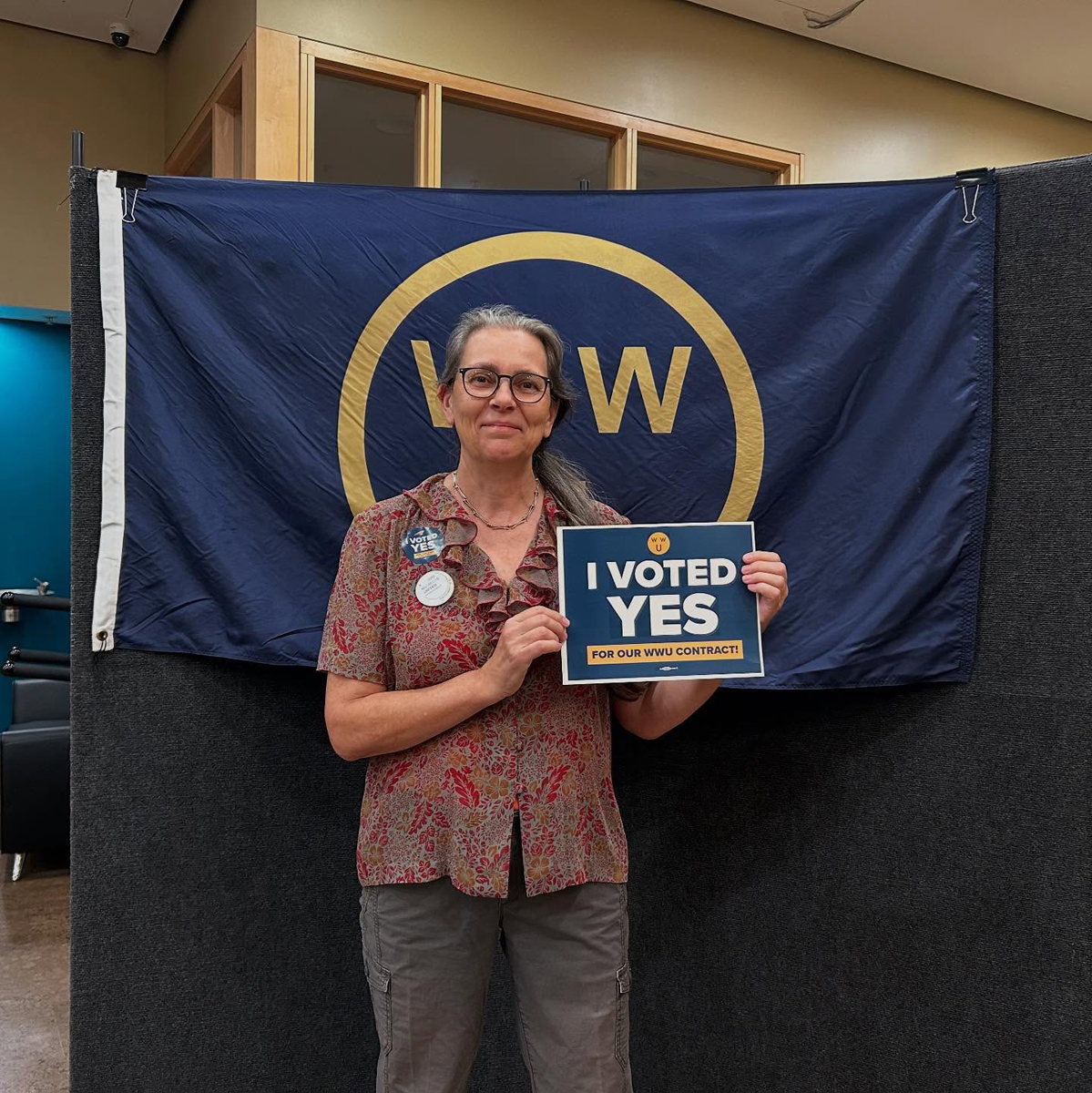
All images courtesy of Walters Workers United

Related Stories
The best weekly art openings, events, and calls for entry happening in Baltimore and surrounding areas.

This Week: Soft Gym celebration at the new YNot Lot, screening of "Without Arrows" at The Walters, artist talk with Jaz Erenberg at Loyola University of Maryland, Baltimore Clayworks Winterfest, Rooted in Joy reception at Coppin's Cary Beth Cryor Art Gallery, Arts for Learning celebration, and more!

Baltimore art news updates from independent & regional media

This week's news includes: Amy Sherald shines brightly in Baltimore, Hilton Carter makes his house a home, Inviting Light returns with a Wickerham & Lomax, John Akomfrah moving image + sound installation opens at the BMA, mayorial portraits unveiled at City Hall, Maryland Film Fest is here, and more

The best weekly art openings, events, and calls for entry happening in Baltimore and surrounding areas.

This Week: Jayme McLellan at UMBC, Maryland Film Fest at the Parkway, SPARK VII opening reception at The Peale, In the Stacks celebrates the 100th anniversary of The Great Gatsby, Cordially Invited opening reception, Submersive Productions opening reception at Creative Alliance, and more!

Baltimore art news updates from independent & regional media

This week's news includes: BMA receives largest gift in its history from Amy and Marc Meadows, BOPA becomes Create Baltimore, Driskell Center adds to its archives, Amy Sherald excitement, AVAM celebrates 30 years, MICA announces a new MPS degree, Academy Art Museum, and more!