Reading

Spotlight on the Maryland Film Festival, 2025

Previous Story
Article Image

BmoreArt’s Picks: October 28 – November 3

Next Story
Article Image

BmoreArt News: BMA, Create Baltimore, Driskell Center

It starts with watching a lot of film. For KJ Mohr, director of Maryland Film Festival (MdFF) and film programming at the Stavros Niarchos Foundation Parkway Theatre, that meant screening constantly. Especially since there were over 1,500 submissions to go through to curate this year’s festival. And in order to get through this volume, Mohr shares that when she was not in meetings leading up to the occasion, she was watching film. 

“Doing the dishes, in the bathtub, I was watching submissions,” Mohr says. 

She wasn’t the only one. With her 40-person screening committee of volunteers—cinephiles, former staff, and other community members plus a 10-person paid programming team, each film was viewed at least three times. All to ensure no single curator dictated the lineup, making MdFF’s program not just a reflection of personal taste but a chorus of diverse perspectives.

“I have a taste for experimental work, and a taste for things that other people might not like at all,” explains Mohr. “That’s why it’s so important to have different voices, because otherwise you miss things.”

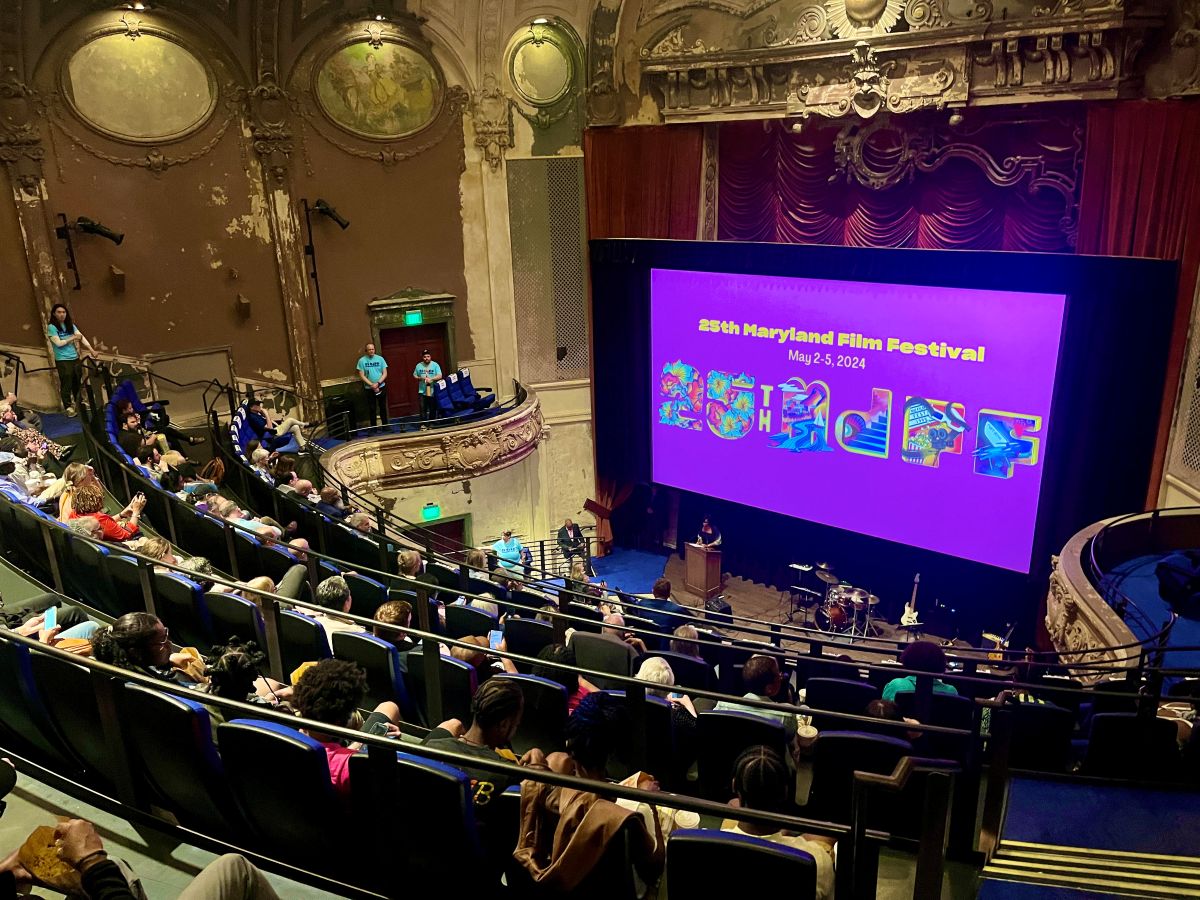
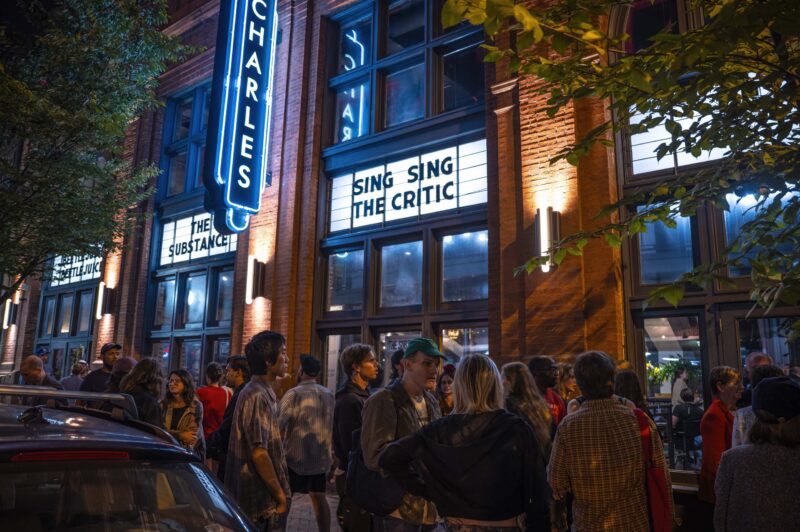
Maryland Film Festival Audience, 2024
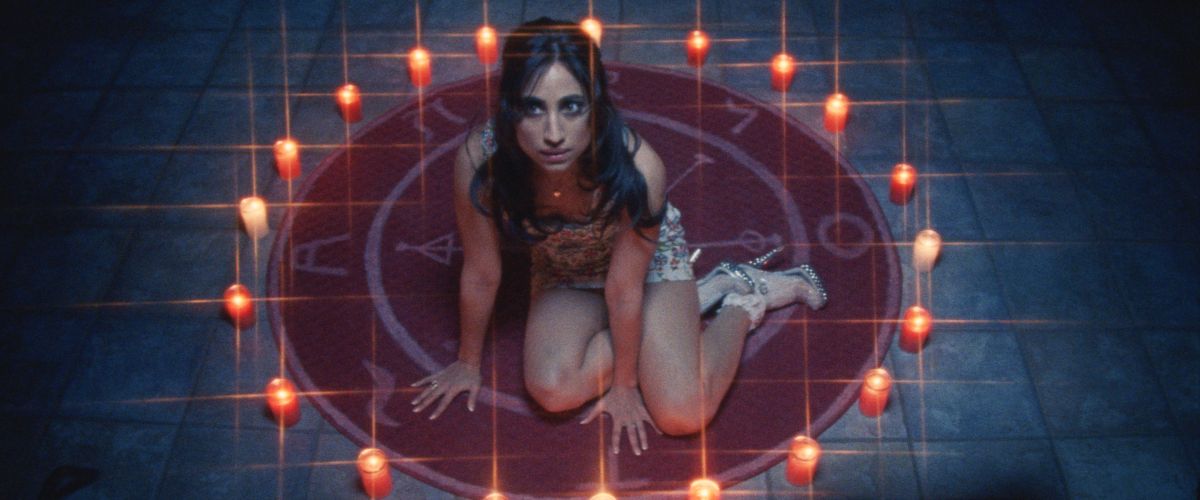
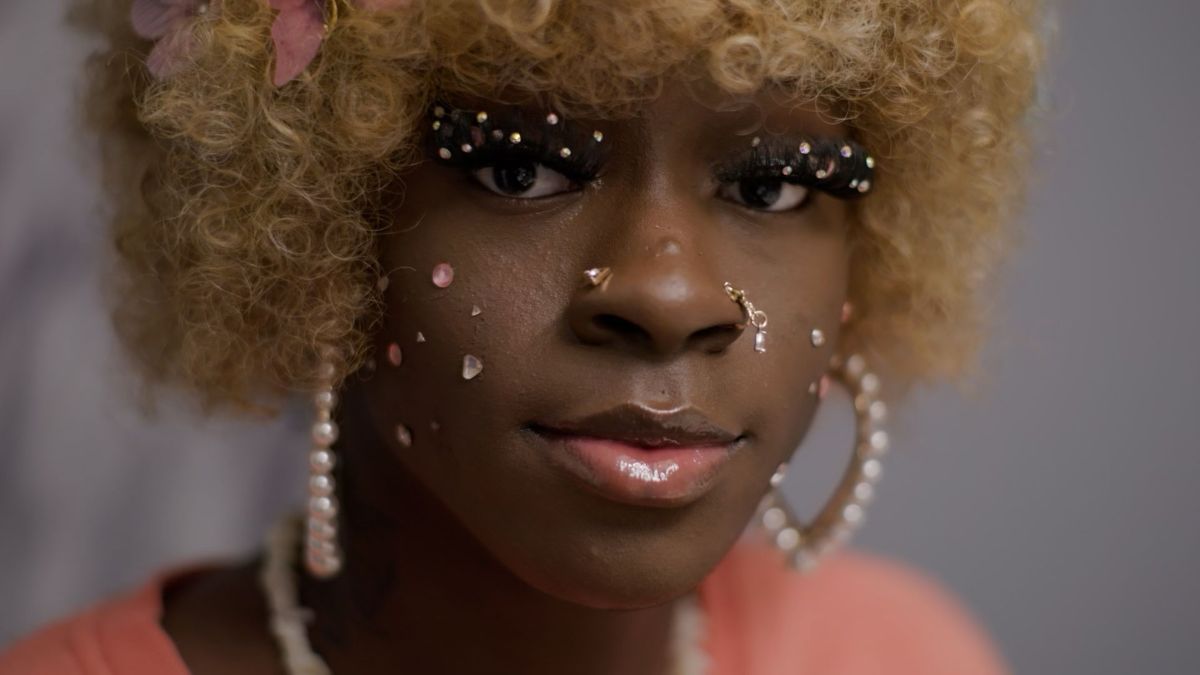
Still from Fucktoys by Annapurna Sriram
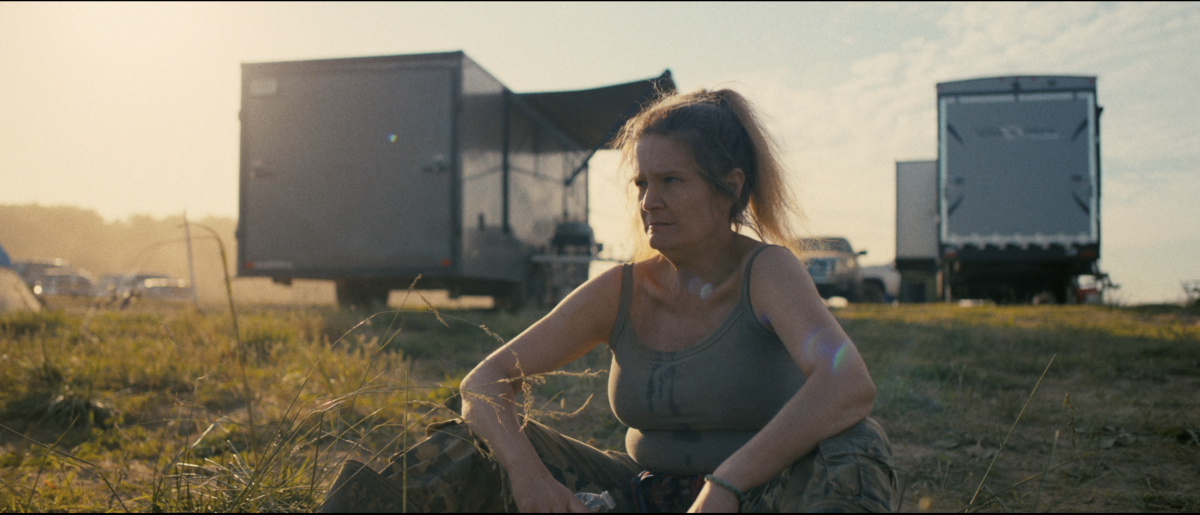
Still from Carry the Darkness by Douglas Forrester
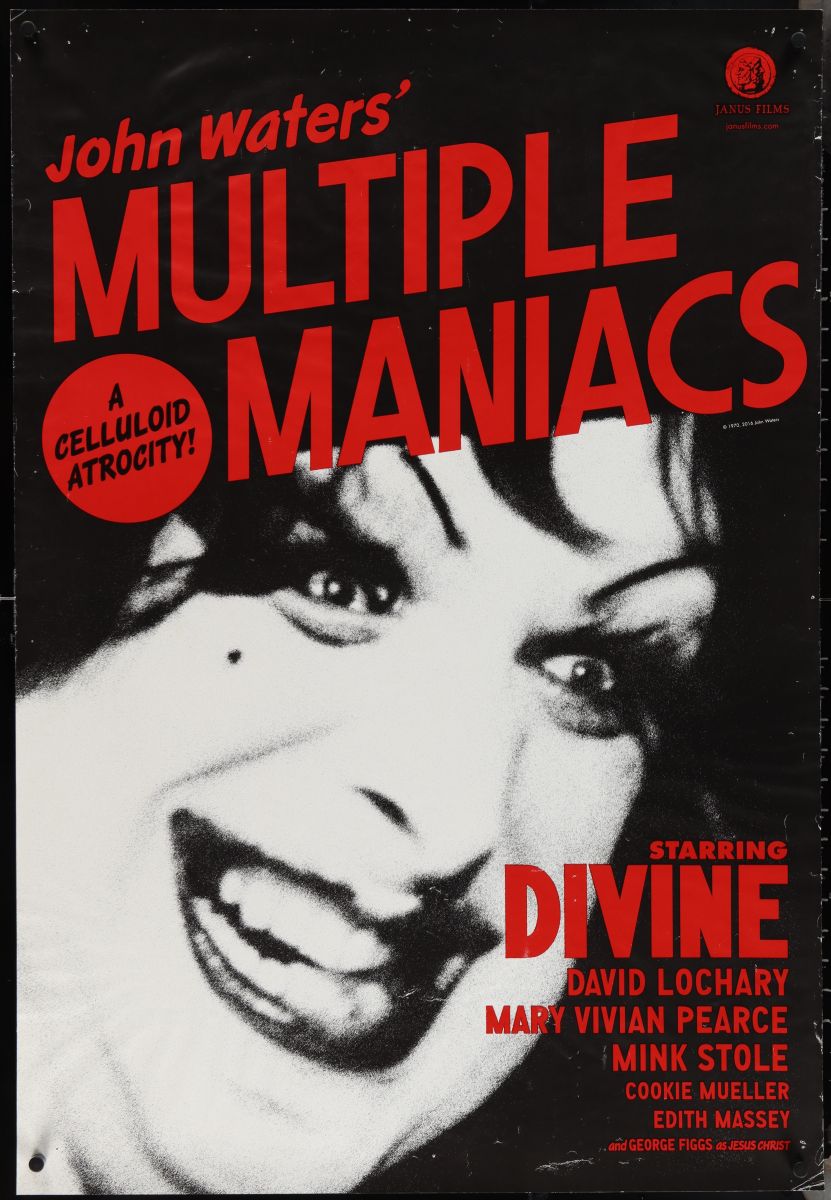
Poster of Multiple Maniacs by John Waters
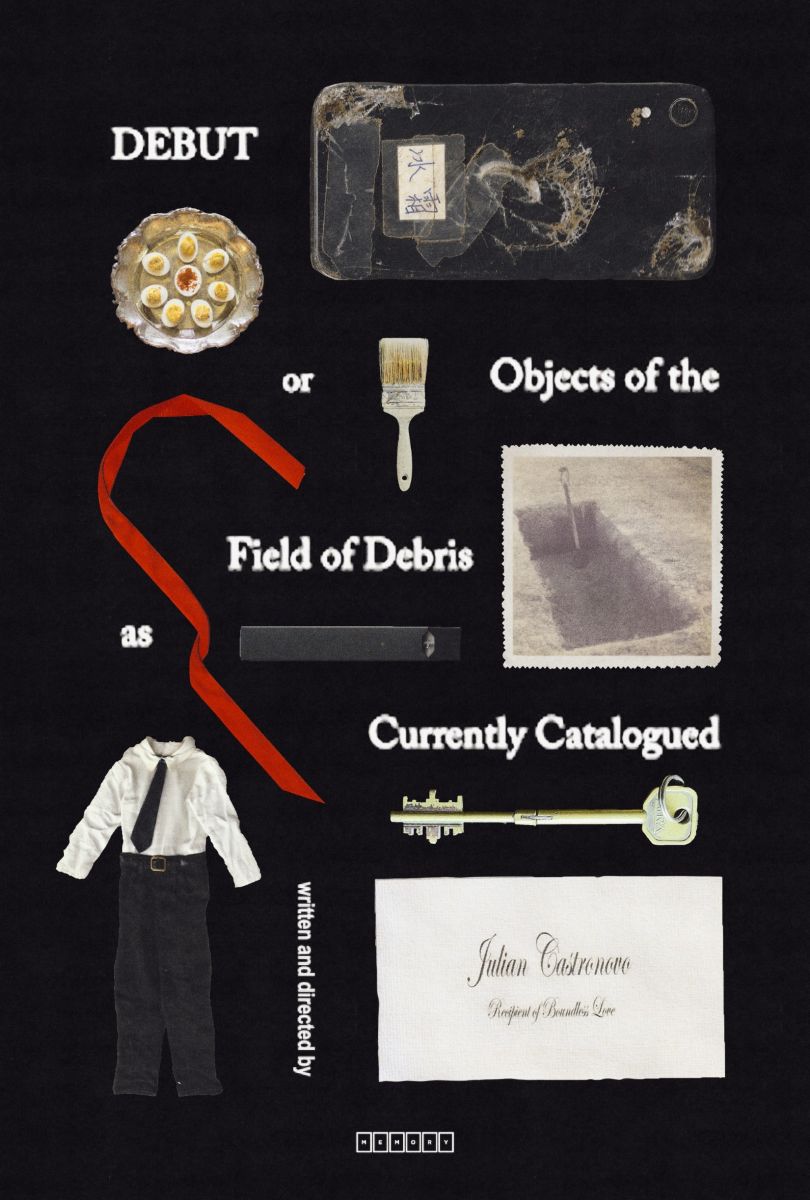
Poster of Debut or Objects of the Field of Debris as Currently Catalogued by Julian Castronovo
The MdFF has always defined itself as a discovery festival, a place to see films you might not see anywhere else.
Ana Bak

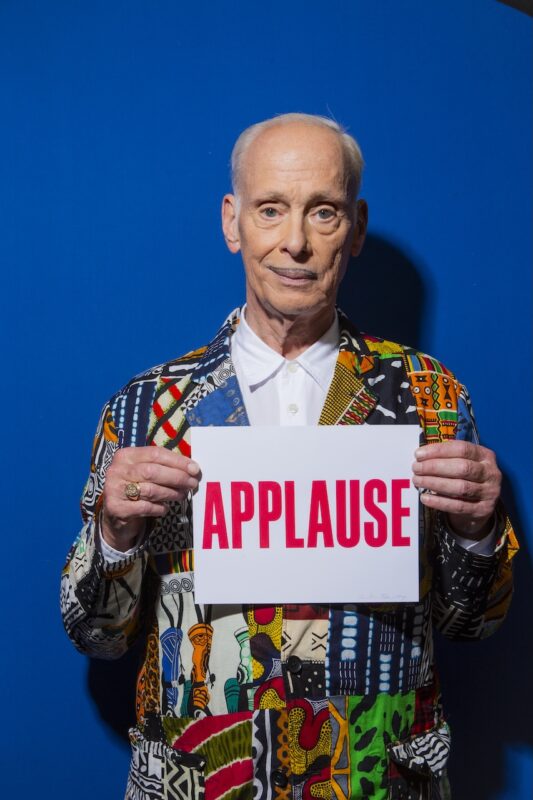
Since its inception in 1999, the MdFF has always defined itself as a discovery festival, a place to see films you might not see anywhere else. It’s definitely not mainstream, after all Baltimore is the birthplace of auteurs like John Waters, who has famously been involved with the MdFF since its inception. But, it is often the place where film makers come before they become household names. Greta Gerwig, Barry Jenkins, and other major figures passed through MdFF early in their careers. Many came with shorts or as collaborators, then returned years later with features. Shorts remain central here—it’s the foundation of how filmmakers practice their craft and hone their voices.

It’s also non-competitive, meaning there are no awards given out at the MdFF. Mohr explains the festival deliberately avoids the trappings of competition. “We don’t have a jury. We don’t want to pit filmmakers against each other. We want to be a place where filmmakers can come together and get excited about each other’s work.”

This non-competitive stance is slightly less common among film festivals, many of which rely on awards to bolster prestige. Indeed, MdFF serves as a gathering place for filmmakers, actors, editors, designers, stage and lighting crews to come together, connect, and collaborate. The goal is for filmmakers to leave with the kinds of creative partnerships that last well beyond a single screening, and for audiences to get to see tomorrow’s voices today. 

Still from Two Women by Chloé Robichaud. Screenwriter: Catherine Léger
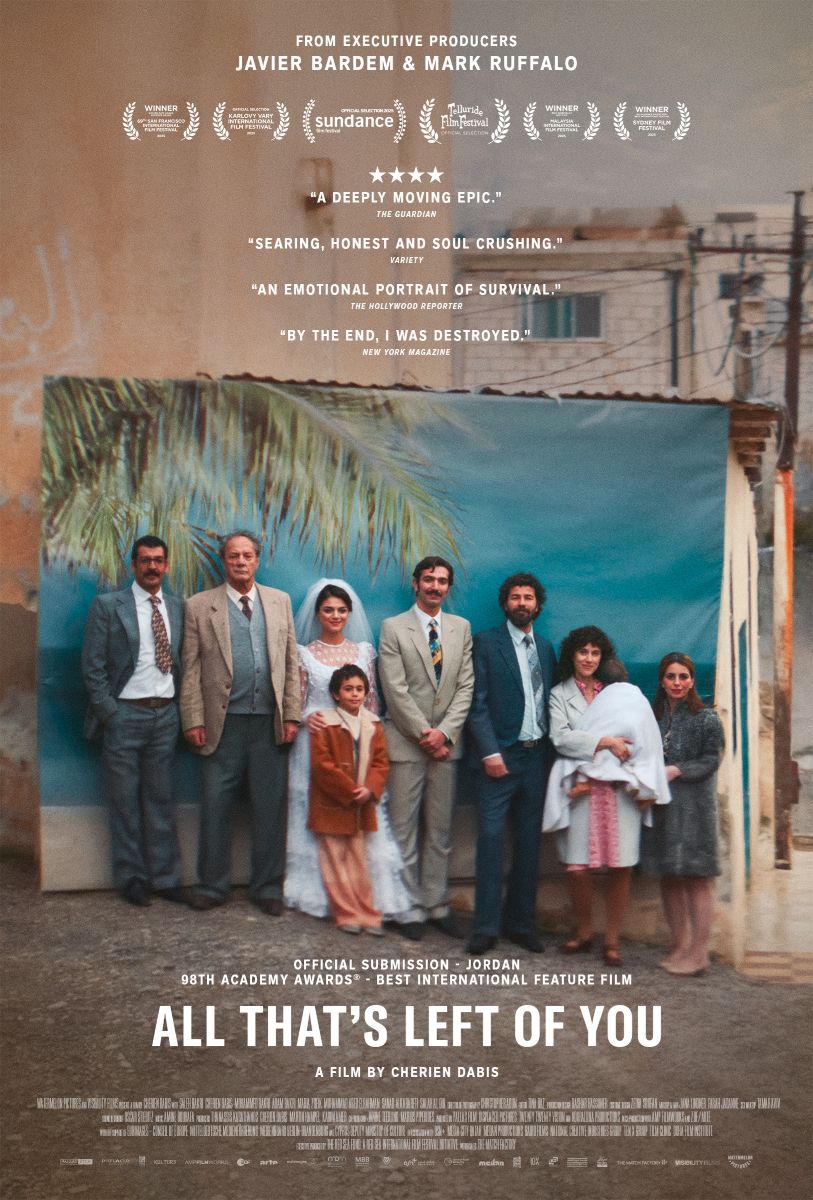
Poster from All That's Left of You by Cherien Dabis
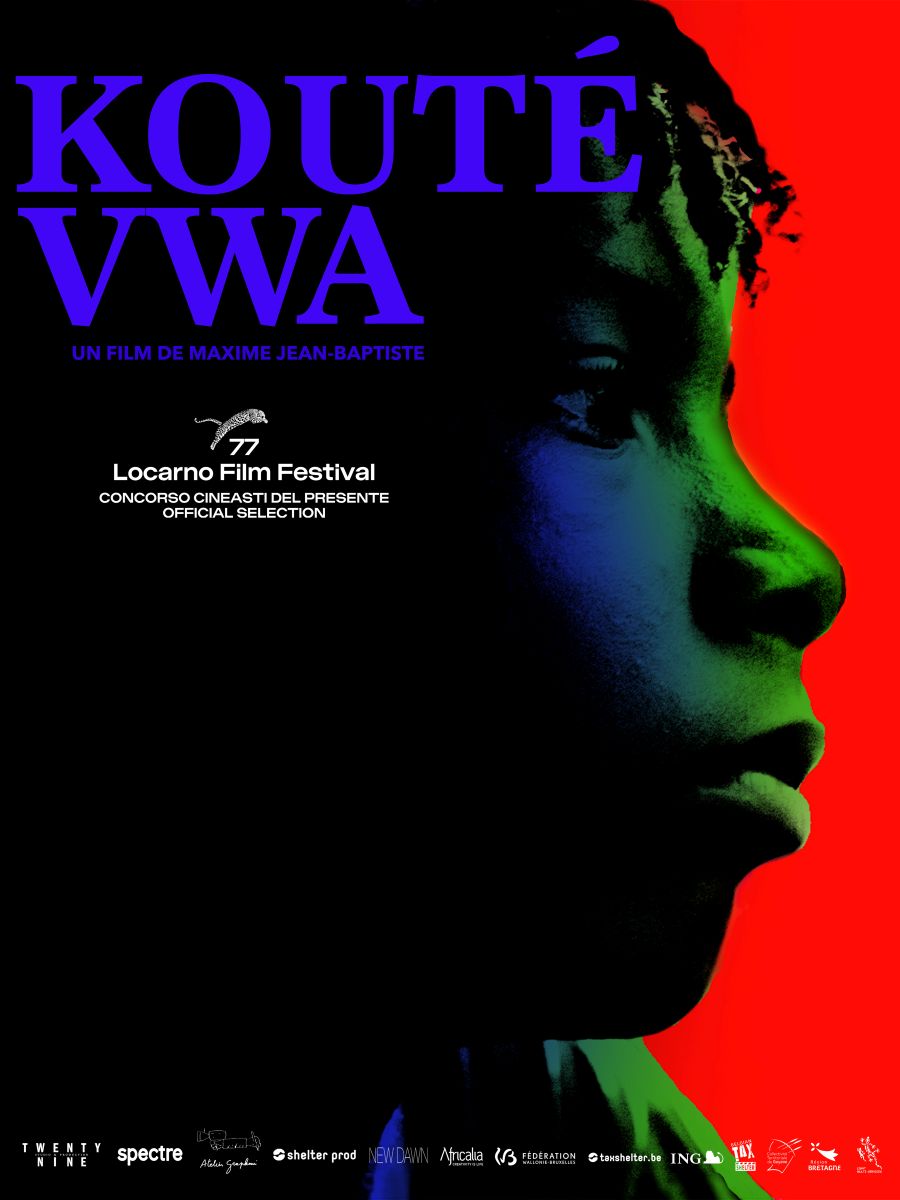
Poster from Koute Vwa Listen to the Voices. Directed by Maxime Jean-Baptiste Screenwriters: Maxime Jean-Baptiste and Audrey Jean-Baptiste
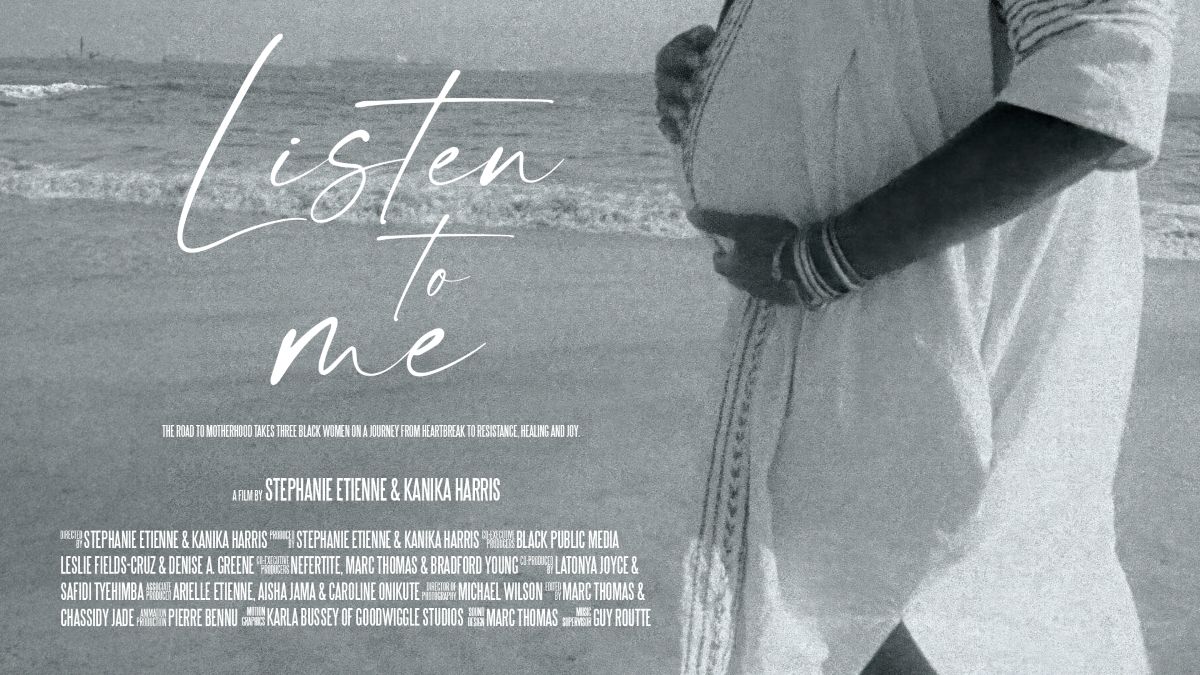
Poster from Listen to Me by Stéphanie Etienne and Kanika Harris
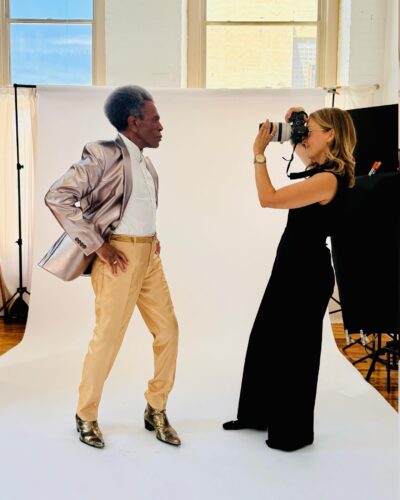
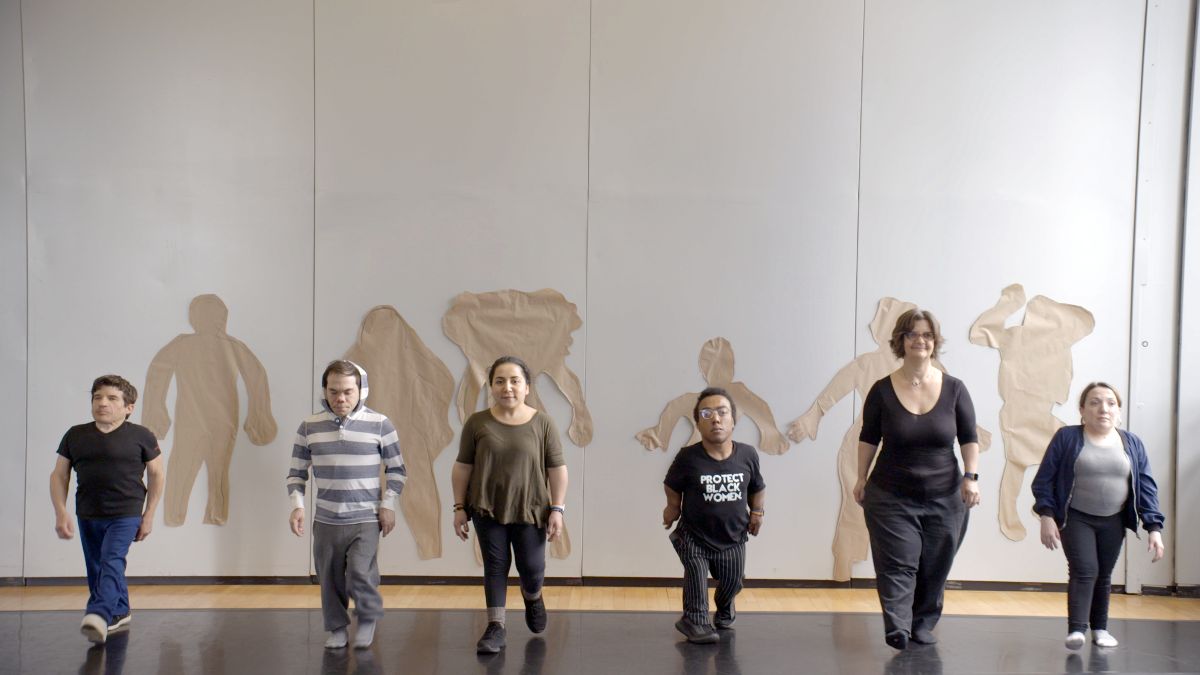
Still from I Was Born This Way by Daniel Junge and Sam Pollard

For the first time, and now in its 26th year—after some post-pandemic pivoting (the 2020 edition was held remotely due to COVID-19), and in 2023 the team announced a pause to recalibrate the festival’s financial model and long-term sustainability—the MdFF is hosting their event in the fall. 

The festival runs from Nov. 5-9—an intentional move to better align with the academic calendar and strengthen its student mission. “We’re an emerging filmmaker festival,” Mohr says. “So students are a really key part of that.”

This shift to November also opens the door for further student film summits, a dedicated Student Film Day, and even a pipeline of student programming interns starting as early as middle school. “You can’t get experience without doing it,” Mohr adds. “We want students to start with us early and keep coming back—learning, crewing up, discovering what’s possible.”

To further foster accessibility, the team piloted a middle-school program led by First Lady Dawn Moore last year to bring in students to the Parkway for a free screening. This year, the MdFF has secured funding for buses to expand the effort with a special focus on media literacy. 

“We’re talking with [the students] beforehand and after, to give them some tools with how to watch,” says Mohr. “I think it is especially important, when screens are so ubiquitous and kids already are glued to their phones. Giving them some tools with how to look at stuff and how to be critical viewers. But also just come and have an enjoyable festival experience when they might not have that opportunity otherwise.”

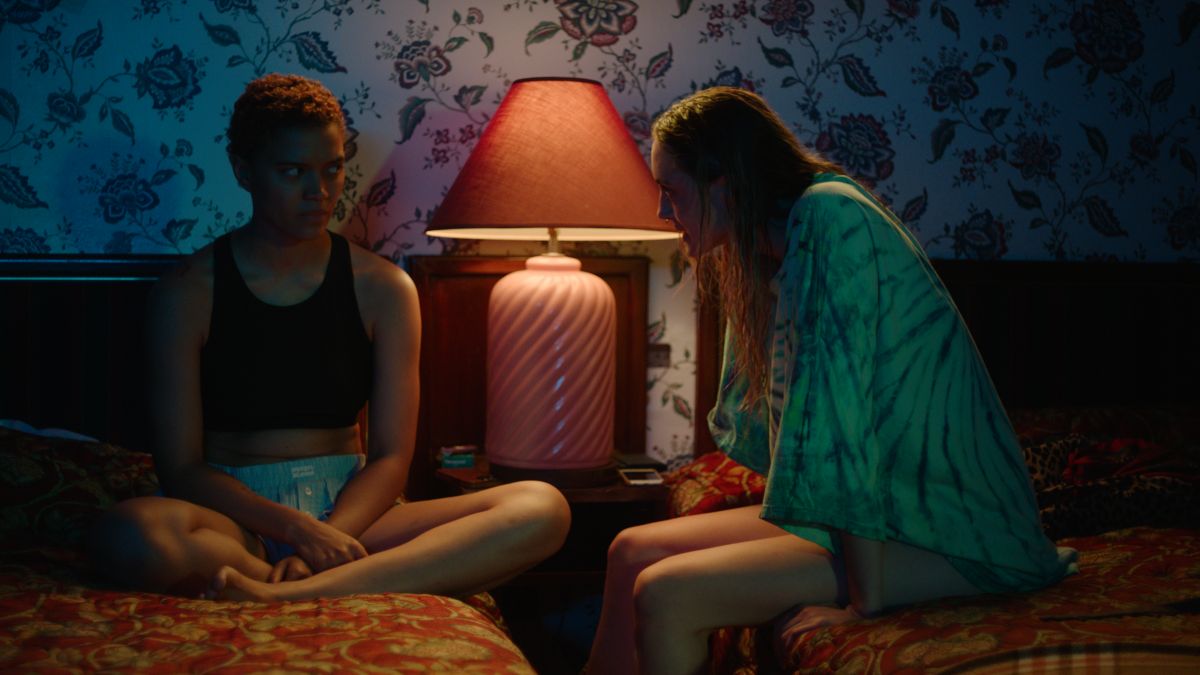
Still from Ride or Die, directed by Josalynn Smith Screenwriters: Josalynn Smith and Alicia Louzoun-Heisler
Still from The Tallest Dwarf by Julie Wyman
Still from Just Kids directed by Gianna Toboni. Screenwriters: Gianna Toboni, Jacqueline Toboni, Samantha Wender
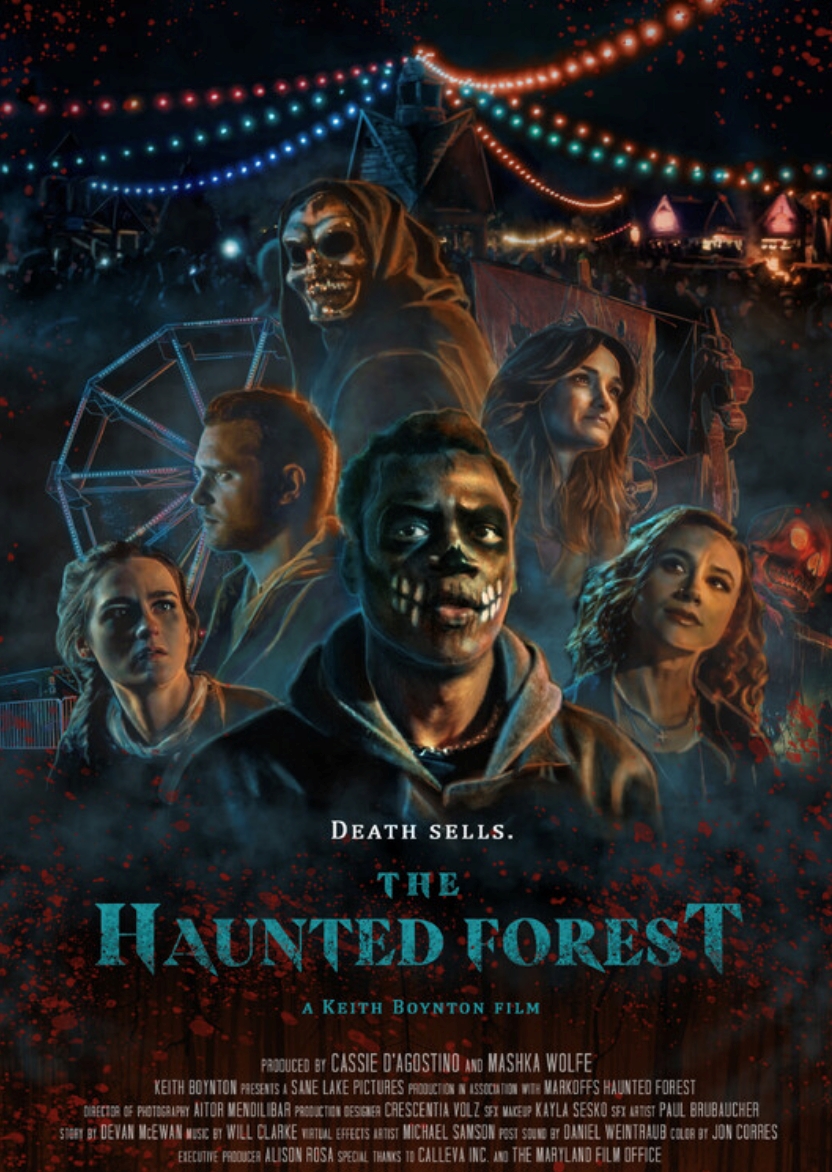
Poster from The Haunted Forest by Keith Boynton
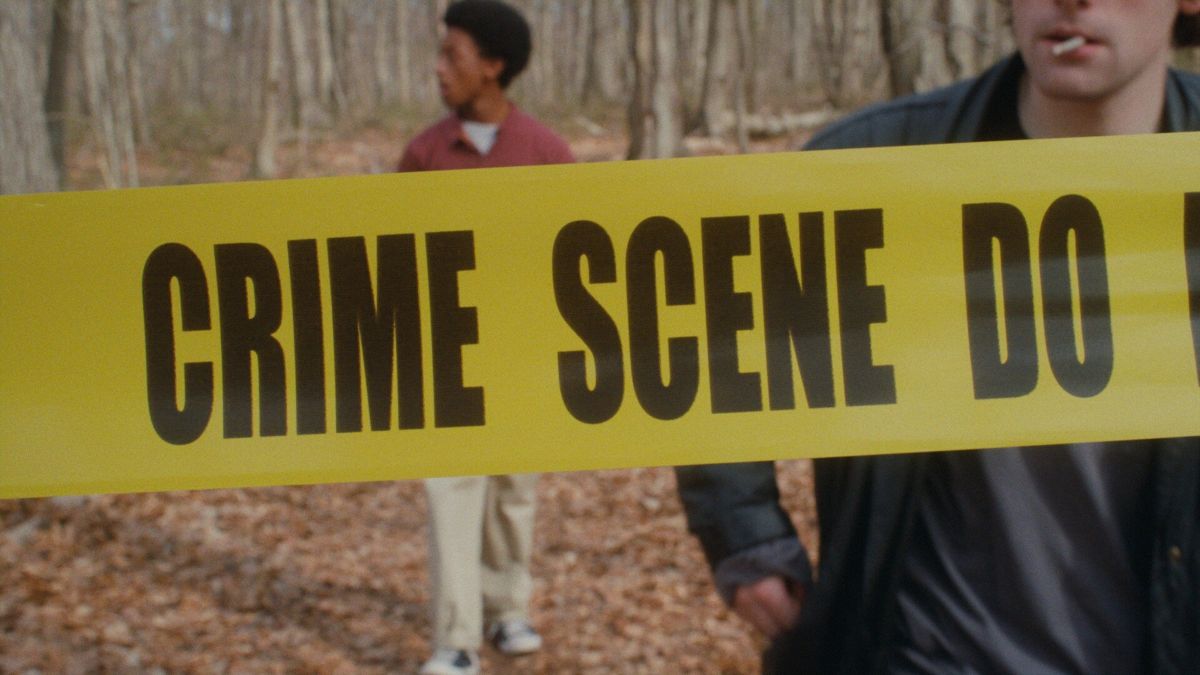
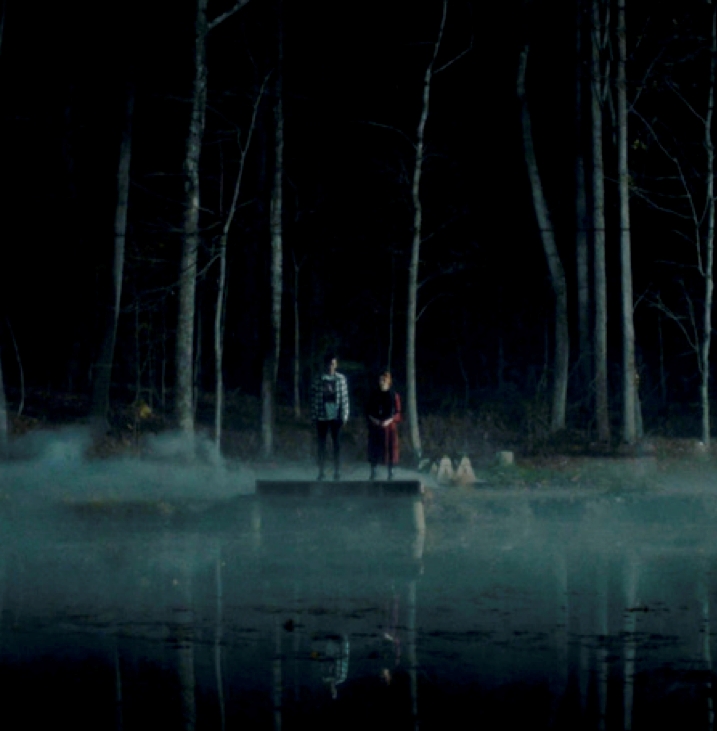
Still from The Haunted Forest by Keith Boynton.
Today, with the Parkway and the Maryland Film Festival, leaders see an opportunity to revitalize the state’s place in the industry—not just as a backdrop, but as a hub for both production and exhibition on the East Coast.
Ana Bak

While the festival is rooted in Baltimore, the Parkway’s new Executive Director Nancy Proctor, who started in August, states its mission is to think well beyond city limits. 

“This is the Maryland Film Festival,” Proctor emphasizes.

In the late 1970s and 80s, Maryland significantly boosted its film production profile after creating the Maryland Film Commission and Film Office. Baltimore even briefly branded itself as “Hollywood East” in the 1980s, leveraging its cost advantages.

But over time, the state lost ground as other regions ramped up their incentive programs. Georgia, Louisiana, and New Mexico namely, putting money into building infrastructure and offering generous tax credits, drawing the kinds of big-budget projects that once looked to Maryland. While in recent years Baltimore remained a location for iconic productions like “The Wire,” “House of Cards,” and “Veep,” the volume of large-scale film and TV work has since slowed.

Today, with the Parkway and the Maryland Film Festival, leaders see an opportunity to revitalize the state’s place in the industry—not just as a backdrop, but as a hub for both production and exhibition on the East Coast. That momentum was reinforced last year when Governor Wes Moore officially declared May 2 as Maryland Film Festival Day, honoring the festival’s 25th anniversary and cementing its role in the state’s cultural landscape.

Proctor also sees an opening, stating Hollywood’s major studios have grown increasingly risk-averse, outsourcing work to smaller production houses across the country, creating opportunities for cities like Baltimore—if the infrastructure is in place.

“Baltimore and Maryland with the range of geography here is an excellent place for location scouting,” Proctor explains. “But when those smaller studios get here, they need to be able to access the equipment and crews for the shoot. The Parkway can play a role in connecting those who need resources with the universities and sound stages that already exist in the city.”

Already, universities like Morgan State—with its new sound stage—and Johns Hopkins and MICA Film Center have assets to offer. The Parkway’s role, Proctor argues, is to serve as both a hub for screening and a connector for production.

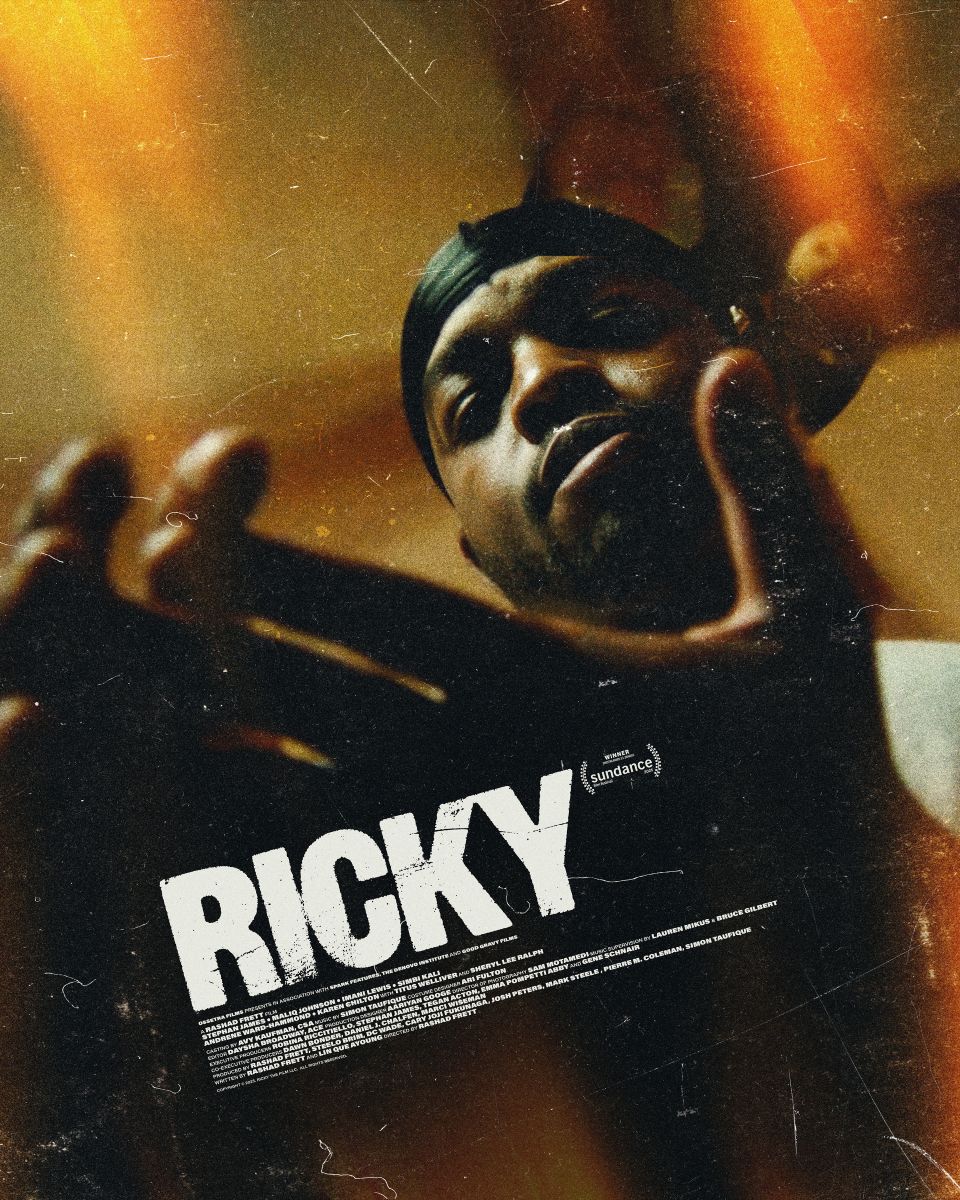
Poster for Ricky by Rashad Frett. Screenwriters: Rashad Frett and Lin Que Ayoung
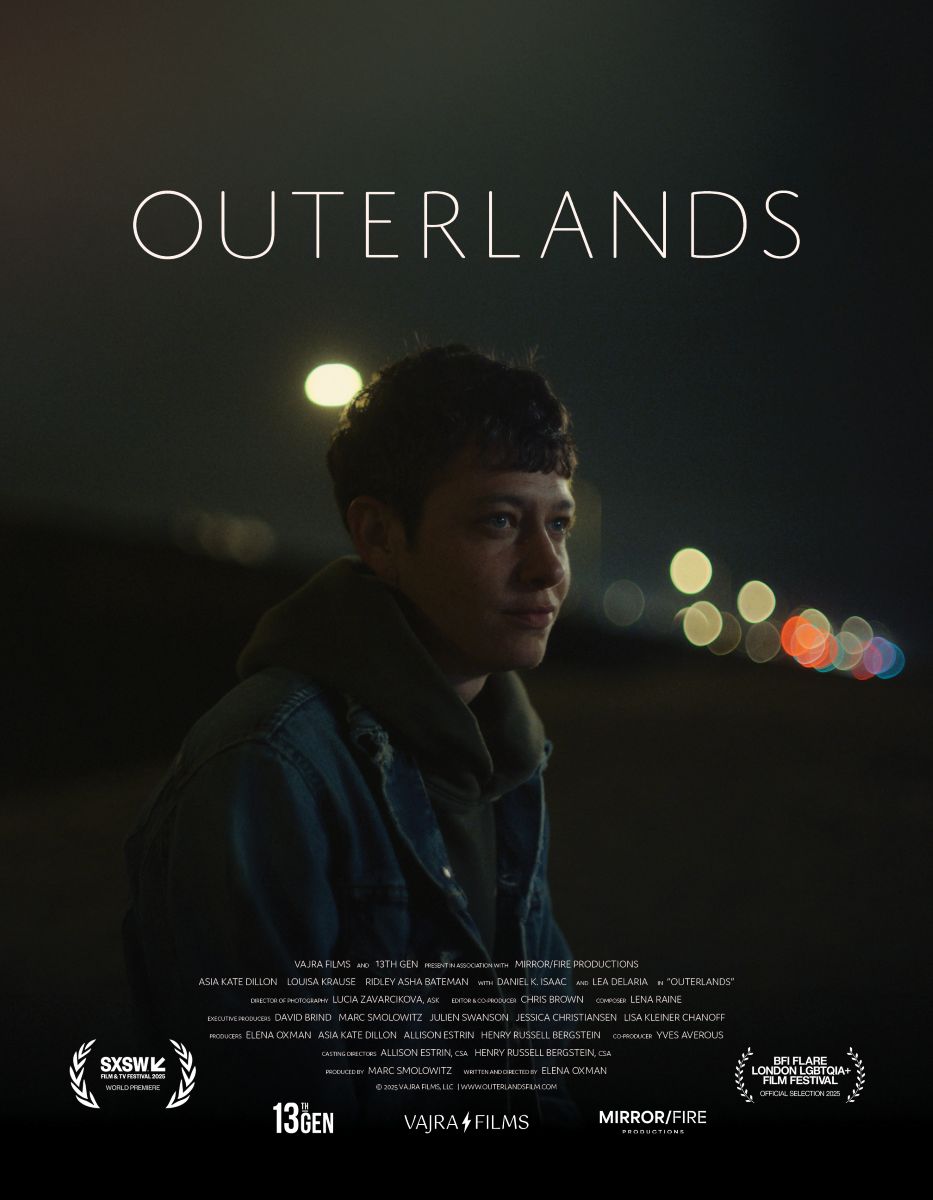
Poster for Outerlands by Elena Oxman
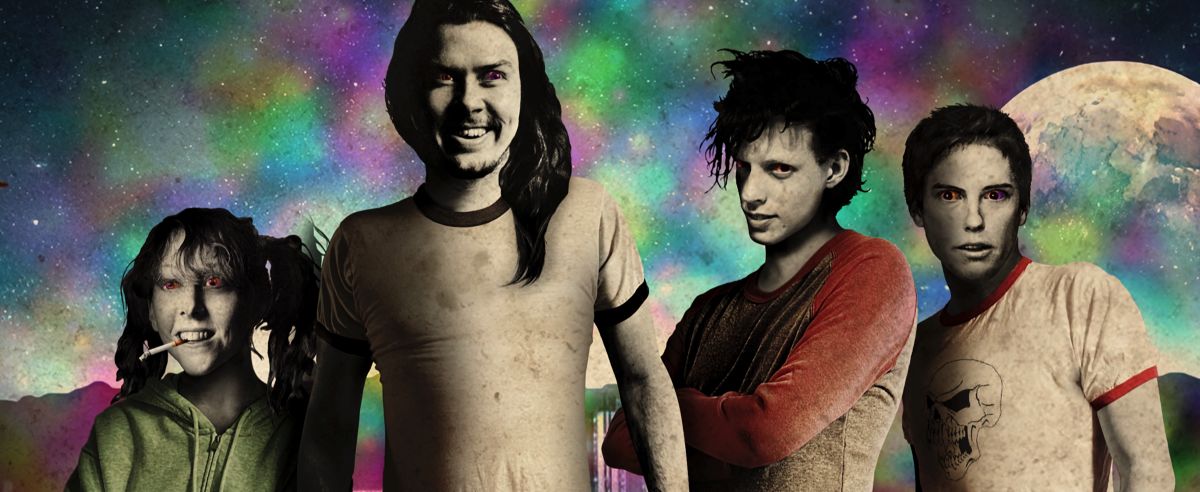
Still from Butthole Surfers: The Hole Truth and Nothing Butt, directed by Tom Stern. Screenwriter: Tom Stern, Simon Weinstein
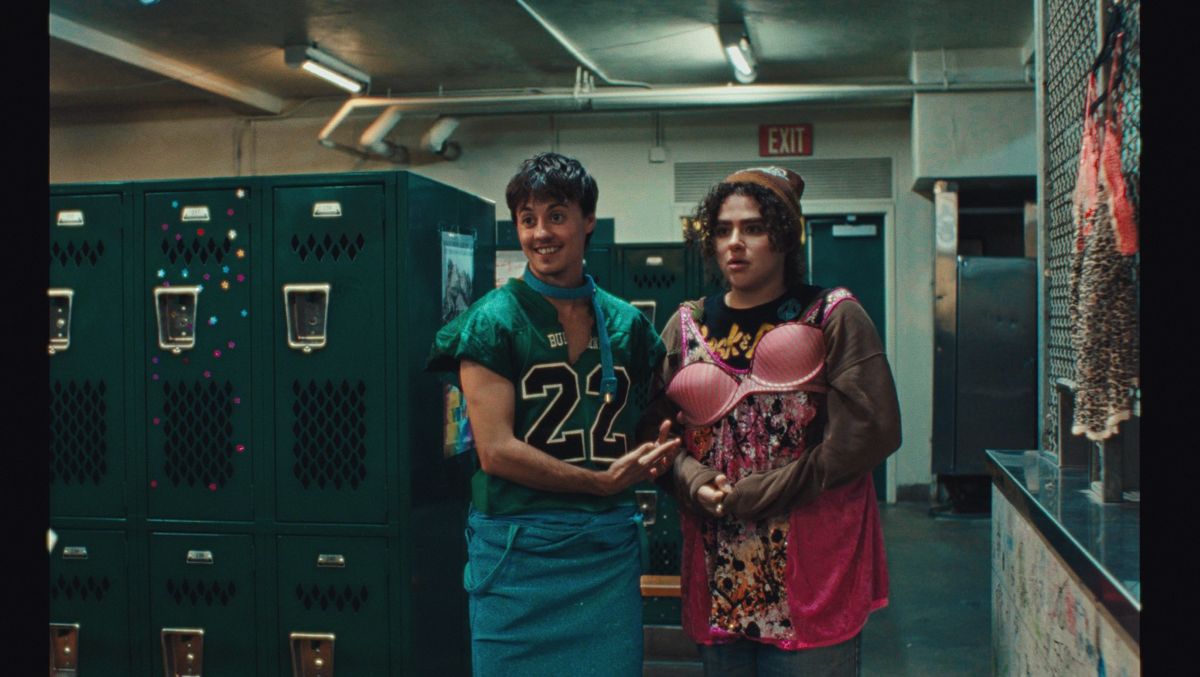
Still from She's the He by Siobhan McCarthy

New to the way audiences can experience MdFF this year is the introduction of Festival Journeys, curated ticket bundles designed to guide both first-timers and longtime festival-goers through the expansive program. The categories are: MdFF Pride—a celebration of queer stories, from creators to characters across genres; Black Voice —from documentaries to thrillers rooted in culture, legacy, and the future; She/They Said—spotlighting films made by women and nonbinary film makers; and WTF—the wild, the weird and the wonderfully experimental, this journey will have watchers think “what did I just watch?” 

Despite the new curated Journeys, audiences are still free to pick their own adventure. Festival Journeys are simply an entry point—an invitation to explore—but passes and single tickets still allow viewers to chart their own course through the five days of screenings, parties, and events. Early bird passes are currently on sale, and the new Journeys Pass includes four regular screenings, all parties, and the Closing Night celebration which includes a screening and party.

Mohr also notes music will run as a thread throughout the 2025 program, with several documentaries and narrative films centering sound and performance. 

“Some of the coolest work is really a few of these music docs in particular that will make you leave the theater just so happy. Which we need so badly right now,” expresses Mohr.  


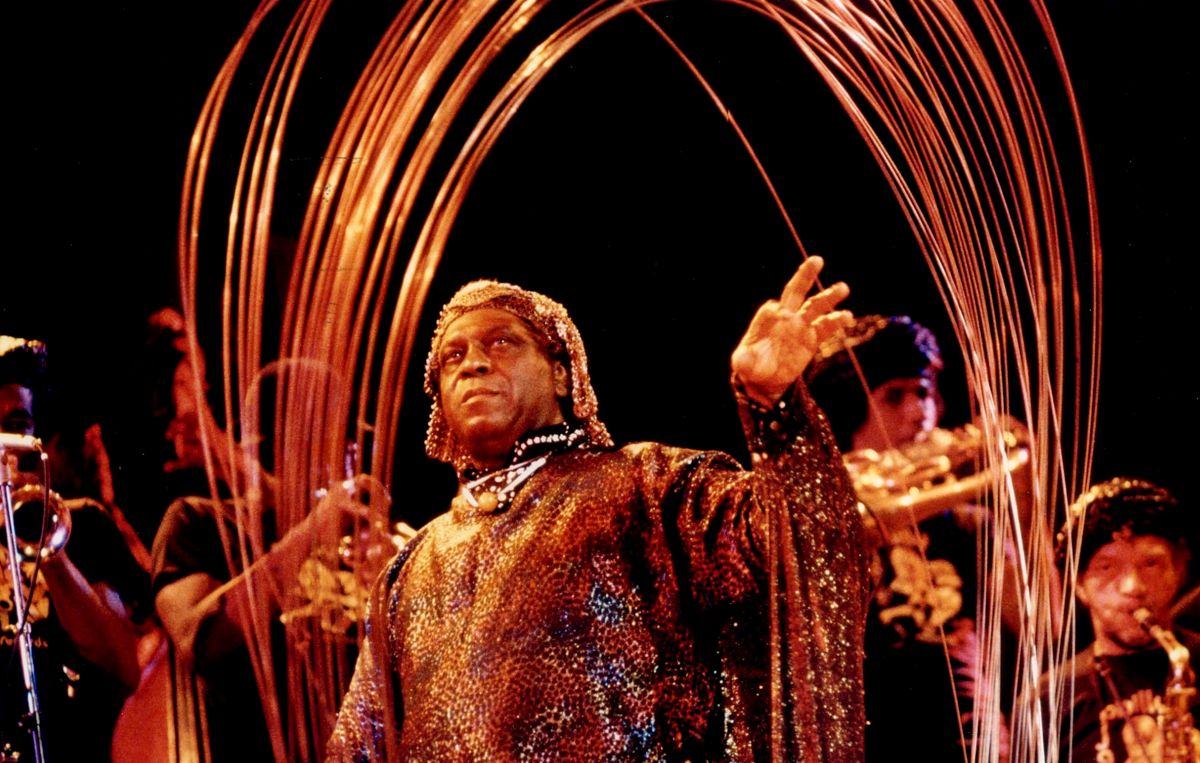
Still from Sun Ra: Do the Impossible by Christine Turner
Still from Junkie by William Means
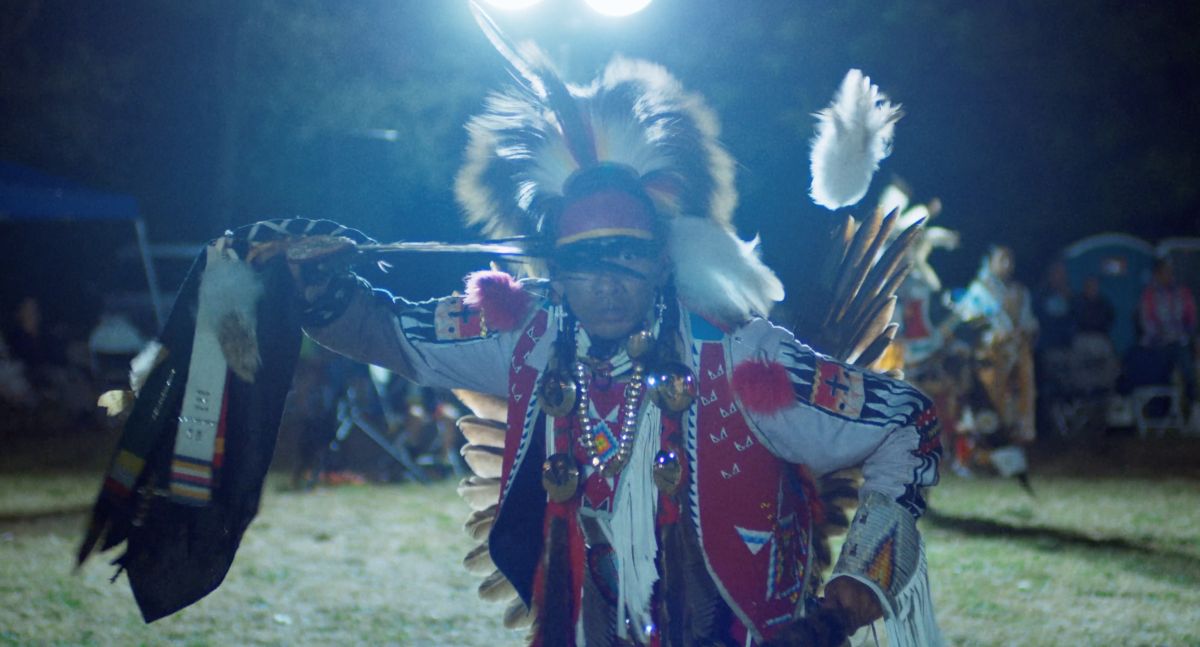
Still from Powwow People by Sky Hopinka
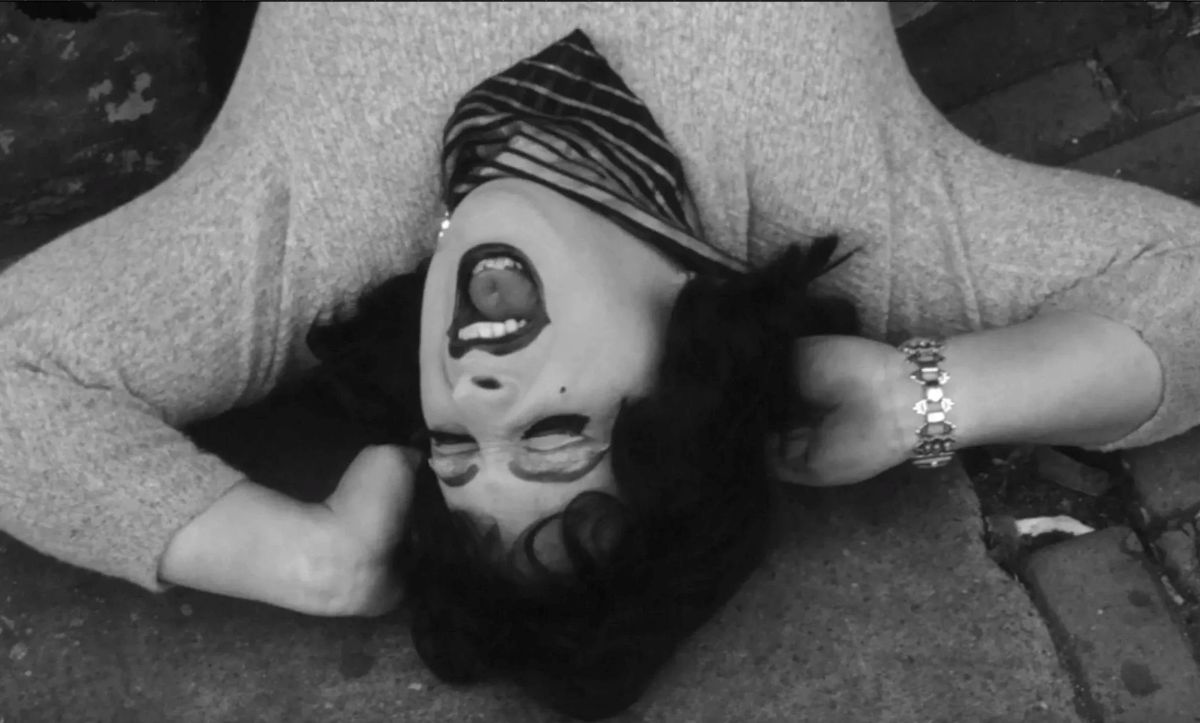
Still from Multiple Maniacs by John Waters, credit: Lawrence Irvine

Mohr points to a few films she’s especially excited about: Sun Ra: Do the Impossible, Christine Turner’s Baltimore-connected documentary she first caught at Philly’s BlackStar Festival; Junkie, William Means’ feature debut that evolved from shorts work with MdFF; and Powwow People, Sky Hopinka’s experimental film that captures both cultural specificity and artistic invention.

And while John Waters won’t be hosting his annual pick this year due to scheduling conflicts with the new November dates, the festival will still honor him with a rare 16mm screening of Multiple Maniacs, an early cut that predates the final version.

Previously, attendees might recall the sprawl of MdFF screenings across multiple campuses and venues across the city. This year, the focus is readily more on the Parkway and in Station North, albeit with select screenings at other well known venues for the MdFF including the MICA Fred Lazarus Building. The area in front of the theater—known as the Porch—will also host food trucks and activations, giving festival-goers a natural gathering space for post-movie conversations.

Inside, the Parkway’s three screens will anchor the programming, while nearby businesses become part of the experience. Fadensonnen is once again hosting the filmmaker mixer and one of the after-parties, with more Station North partners to be announced. Co-owner of Fadensonnen, musician Matthew Pierce, is also connected to the festival this year—Pierce composed the score for Butthole Surfers: The Whole Truth and Nothing Butt, one of the 2025 MdFF premieres.

For Mohr and Proctor, the neighborhood energy is part of the strategy. “As Station North goes, so goes the Parkway,” says Proctor. “I want to see all of Station North lit up—restaurants and bars full, people talking about what they saw at the festival.” 

Editor’s Note: MdFF announced this month that it will return to its traditional spring schedule in 2026.

Find the full itinerary and reserve your passes for the 2025 Maryland Film Festival here.

Header Image: Still from Carry the Darkness by Douglas Forrester

Images courtesy of the Maryland Film Festival

Related Stories
MDFF Celebrates the 55th Anniversary of "Multiple Maniacs" with a Special Friday Night Screening at the Parkway

As America deindustrialized, John Waters and his keen observations of Baltimore's decadence have become a chief export. What more content can be extracted? Refined?

We've Got Your Must-See Picks for October 2, 3, 4, and 5

Baltimore's New/Next Film Festival is back, with 30 feature-length movies, premiers, vintage gems, and more shorts than you can possibly watch. Brandon Soderberg has your guide to what not to miss.

Documentary Following Brandon Scott from Candidate to Baltimore Mayor Set for National Broadcast

Four years in the making, this local production offers a nuanced, deeply observed study of Baltimore City politics that speaks to audiences near and far. The film is now poised to reach a national audience with its broadcast premiere November 25 on PBS’ POV series.

This year the MdFF will emphasize emerging filmmakers and technologies, with an emphasis on local and global impact