Reading

The Transcendent Visions of Hope and Faith

Previous Story
Article Image

BmoreArt News: Dave Herman, Betty Cooke, Opera Ba [...]

Next Story
Article Image

Life of Pie at Doppio Pasticceria

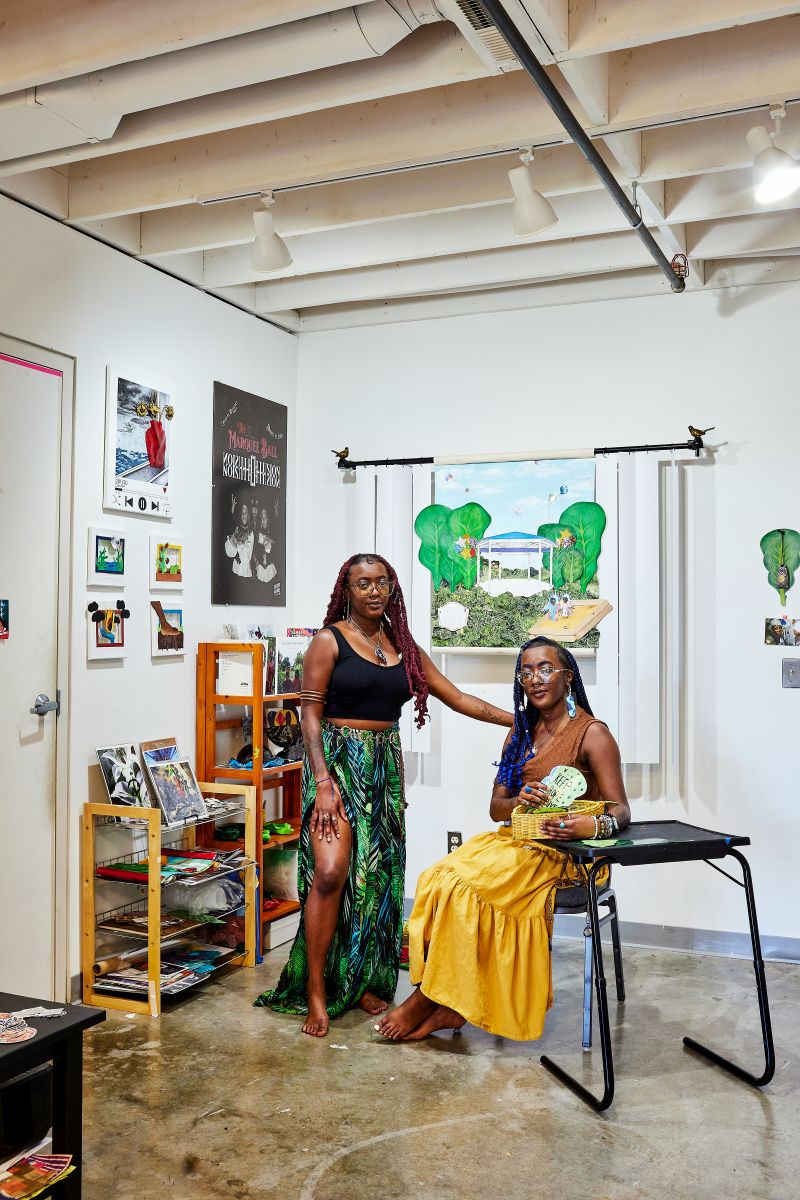
“Hope” and “Faith” are their middle names—literally. Twins Tonisha Hope and Eleisha Faith McCorkle, raised in Hyattsville and now rooted in Baltimore, see their chosen and professional monikers as both identity and action, creating vibrant and multidimensional art that explores healing, Black ritual, ancestral memory, and more.

Infused with a profound spiritual ethos, Hope and Faith’s immersive and evocative collages, sculptures, and other creations offer community, comfort, and transformation—especially to those navigating adversity or grief. The loss of their mother to sarcoidosis, a chronic inflammatory disease, when they were 17 became a wellspring for much of the practice that they have since carved out together. “She would always say, ‘Two heads are better than one,’” Faith said.

Indeed, they often combine their unique interpretations of shared experiences in their work, constantly remixing and layering two maps of the same terrain, balancing and challenging each other.

Their first collaboration? Cooking together at 7 when they became tall enough to reach the stove. Outside of the kitchen, and beyond gallery walls, the duo were until last month artists-in-residence at the Creative Alliance. In addition, the pair have two upcoming large-scale exhibitions: a curatorial project supported by the GritFund and Creative Baltimore Fund, and their residency capstone project, supported by the Rubys Artist Grant Award.

Reflecting their investment in fostering community engagement and empowerment, they also serve at major Baltimore arts institutions; Hope is the program coordinator at Jubilee Arts, and Faith the public engagement coordinator at the Baltimore Museum of Art.

I play with the idea of being a map maker, a cartographer, and pinpointing places and times where my faith was challenged. I’ve looked at these layers as colorful feathers—a dressing of my spirit or warrior’s coat.
Eleisha Faith McCorkle

“Hope is hearing the melody of the future, faith is the courage to dance to it today.” Unpack this quotation on your website for me.

Faith: It speaks to our dynamic of having shared experiences but different perspectives. You can’t have one without the other. 

Hope: Sometimes I’ll be the one to say, “Hey, we gotta do this,” and Faith is the one that pushes through.

What is your mission, collectively and individually?

Faith: Collectively, our mission is to embody the energy and definition of hope and faith. That is the goal with the work, with the community engagements, with the workshops, with the virtual discussions—to instill a little bit more of hope and faith in our community, for our future generations, for ourselves, and to manifest that in whatever ways we touch. Our mission, in terms of resonating and connecting with people, is to express that source of healing and resilience within the Black community by being living examples of what we’ve gone through and pushed through with our own hope and faith.

Hope: Recently I’ve been getting into what sensuality and divinity mean for Black women and using materials to express this softer, resilient, but also bold and powerful, side of myself because it’s really self-portraiture. So using fabrics like velvet or shiny things like rhinestones. It’s about self-discovery and expression. My sculptures and a lot of my paintings have shadows involved with them and being able to dive deeper into what it means to love yourself and express yourself with the body that you have.

Faith: I have a very layered practice. I like to use papermaking to slow my mental and emotional state. I also love to draw, which is very meditative. I also love printmaking and to make films. My mission is to grow into my name; it’s something that was obviously given to me by my mother, but it’s something that I’ve struggled with my whole life—from a religious standpoint, but also from an optimism or being-okay-with-myself-in-the-world standpoint.

So my mission with my work is to communicate what it means to have faith and to be resilient and to identify the traumas and the places of hurt within my lived experience and share that and hopefully provide faith to others. I play with the idea of being a map maker, a cartographer, and pinpointing places and times where my faith was challenged. I’ve looked at these layers as colorful feathers—a dressing of my spirit or warrior’s coat.

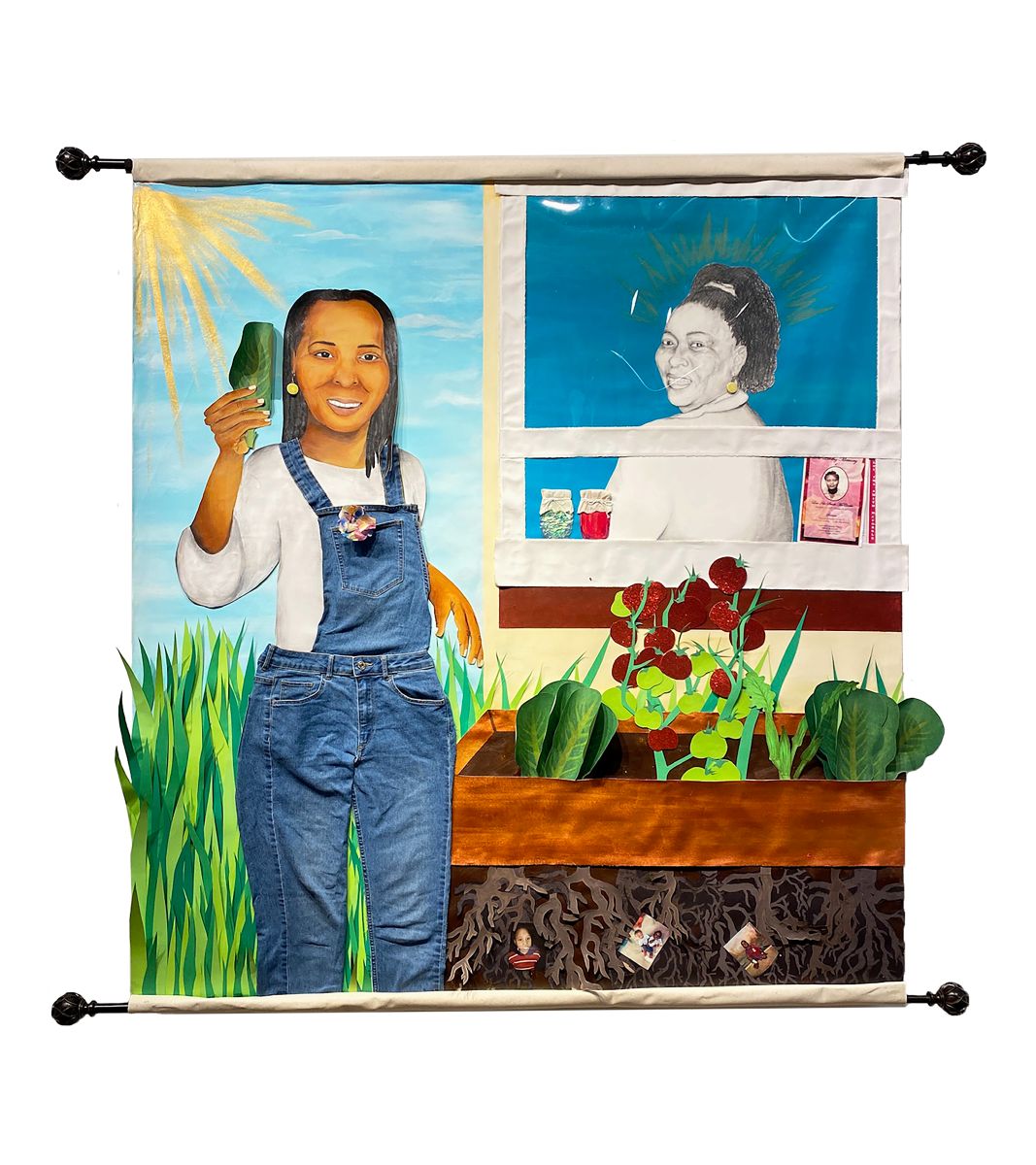
Hope and Faith, My Grandma's Garden (2023). Image courtesy of the artists.
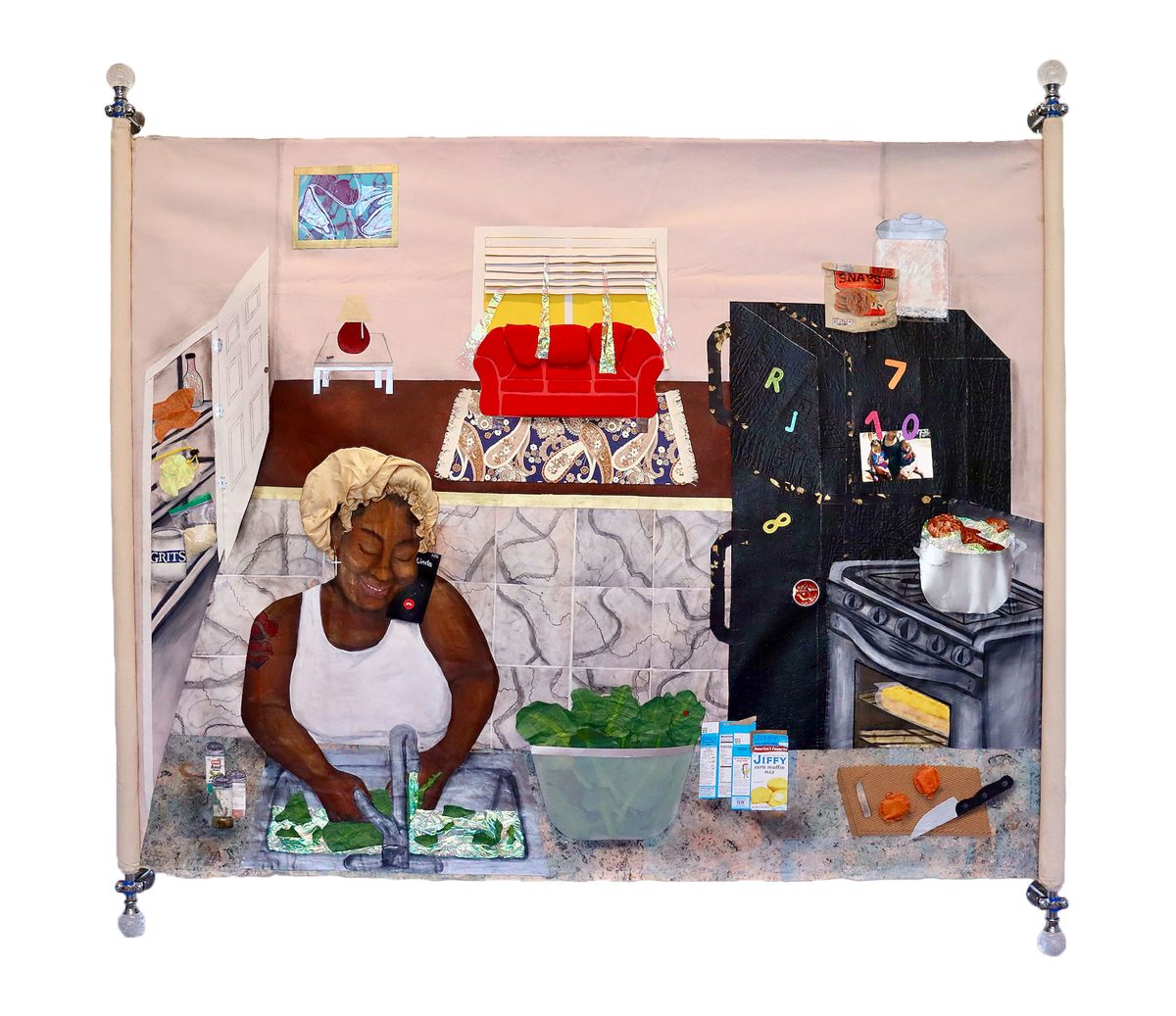
Hope and Faith, Sadie's Home (2021). Image courtesy of the artists.
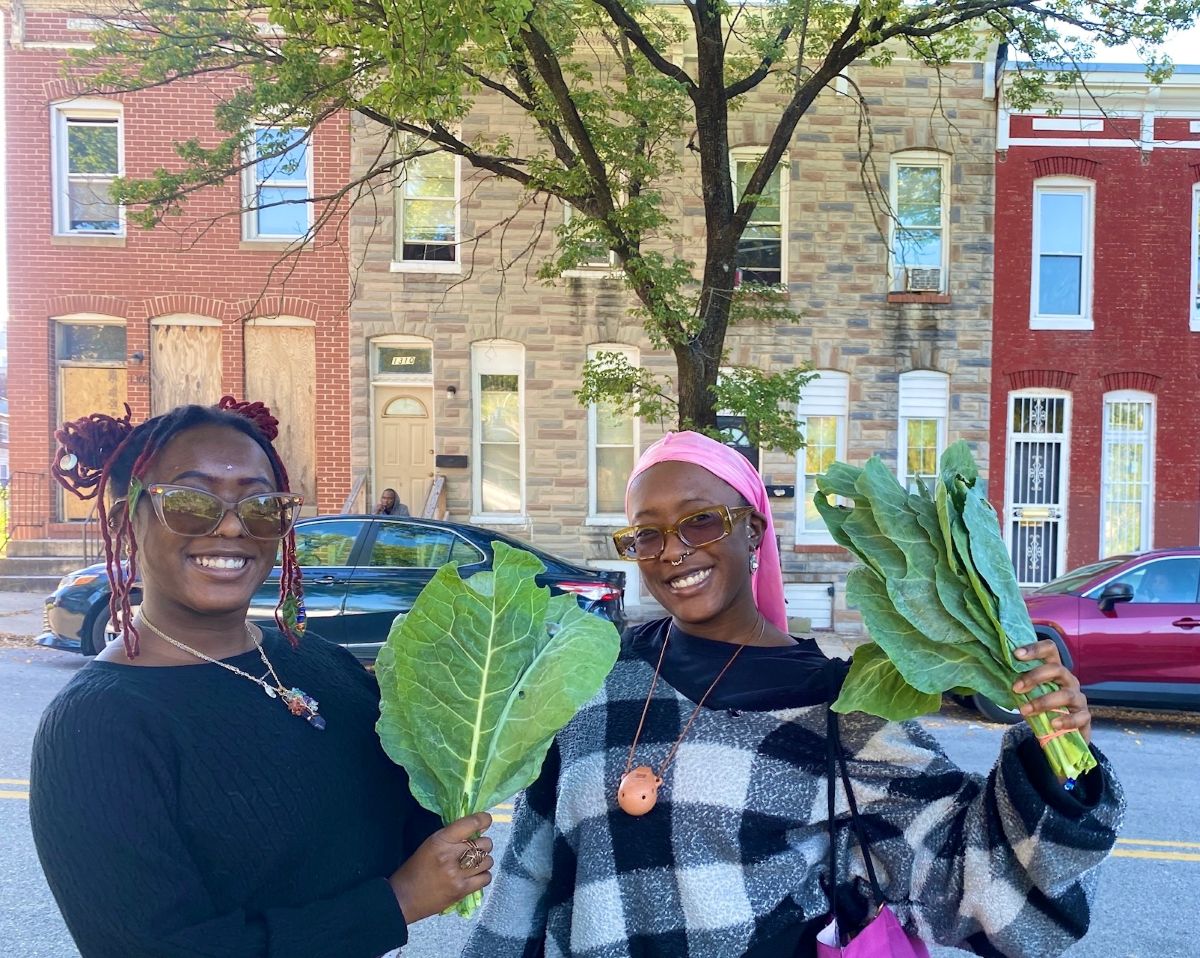
Hope and Faith with collard greens, a kitchen staple, at the 6th Branch Community Farm. Photo courtesy of the artists
We want to carry this legacy and torch forward of women who healed enough and who were strong and resilient enough to do the courageous.
Tonisha Hope McCorkle

How does the loss of your mother show up in your work?

Faith: We went to college right after our mom passed. That first year was really hard, but it was also the first year I found therapy. I began making a lot of pieces about my mom. One of our films is called Holy Day; our mom’s birthday was Christmas. I was like, I want to go to My Mother’s Garden and do this performance piece, and it wasn’t until we got there that Hope was like, “Oh, I’ll join.” A lot of my practice is giving permission for myself to grieve and heal but also for my sister to join in where she feels called. 

Hope: Going through this grief really opened up more avenues for healing. The more that the grief was explored, the more that the memories were replaying in our heads, the more that we looked through old photo albums to remember pieces of our lives that were forgotten. We create our own narratives of what it means to heal, honor, and remember.

What does it mean to be spiritual beings on a journey toward ancestral healing?

Faith: We give life to those who gave life to us through honoring our mother and community events. Our mission—with this blood that’s running through my veins, running through Hope’s veins—is to heal. And as we heal, we heal our bloodline and those who came before us who weren’t able to. The more that we are right with ourselves individually, then the more right we can be with our future children, who will also bear this mission of healing themselves and healing what I wasn’t able to heal.

Hope: We want to carry this legacy and torch forward of women who healed enough and who were strong and resilient enough to do the courageous.


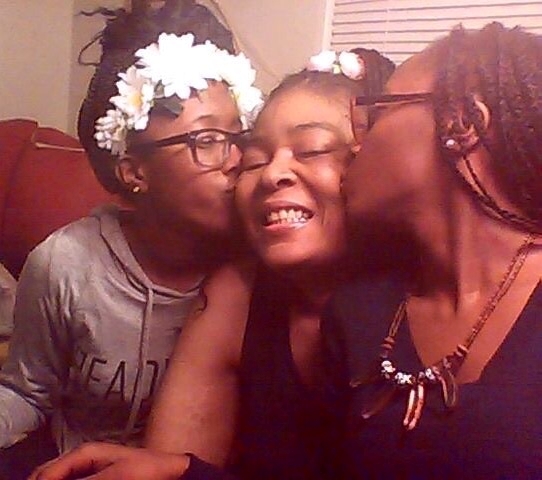
Hope and Faith and their late mother Tonya, photo courtesy of the artists
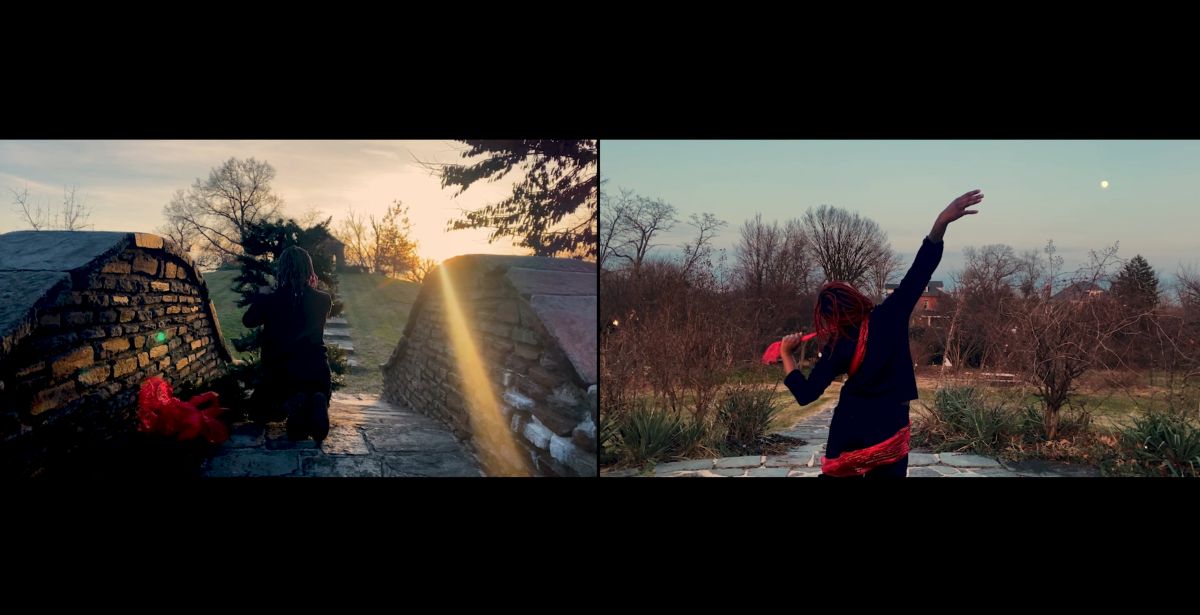
Stills from HOLY DAY: an Ode to My Creator, performance film and original score by Hope and Faith. Image courtesy of the artists.
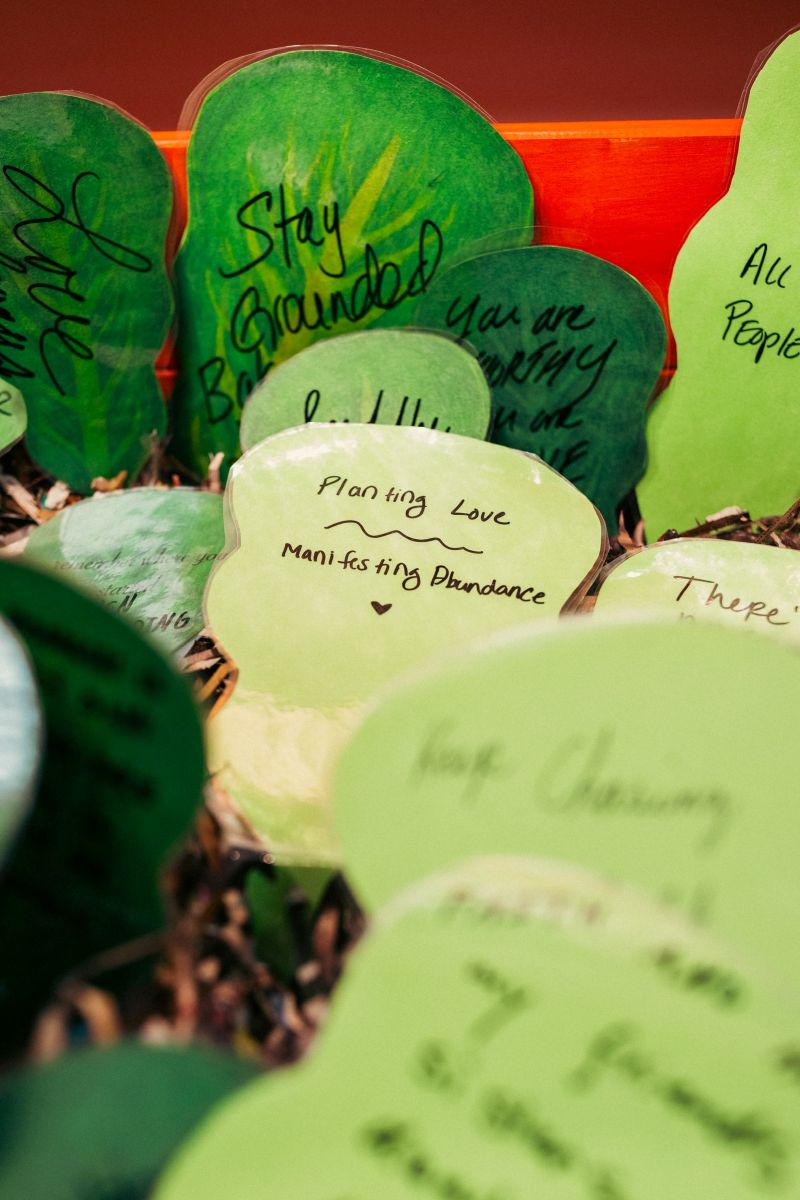
PLANT A SEED, interactive installation by Hope and Faith, photo by Niajea Randolph.
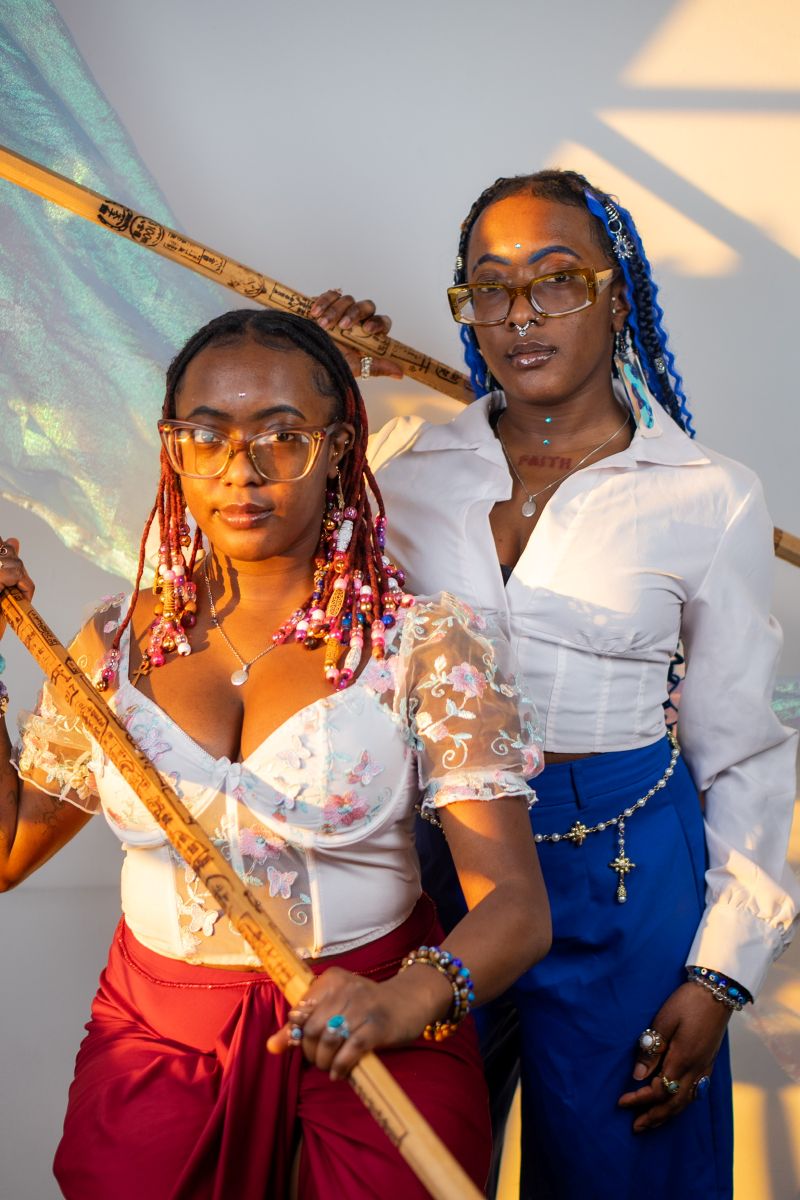
Hope and Faith, photo by Anna Divinagracia
By healing through my work, I give others permission to heal. It’s this never-ending web that’s being spun.
Eleisha Faith McCorkle

Faith, can you elaborate on the idea that your artworks are, as you describe on your website, “vessels for the complex interconnectedness of divine guidance, transformative healing, and powerful resilience”?

Faith: By healing through my work, I give others permission to heal. It’s this never-ending web that’s being spun. The divine wisdom I receive—from my ancestors, spirit, the universe, and the tides within me—are messages that need to be released. And through releasing them, I become part of this web that the universe has already spun that helps me connect to somebody else or helps someone else to connect to me. And maybe you send it to a friend who finds entry points into my work or our work. Through creating instances of healing, that is where the web continues to be spun. Every piece is a node in that web, linking past, present, and future.

If you had a different career, what would it be?

Hope: I’m probably going to become an art therapist in my middle age. Or a doula.

Faith: Chef or musician.

What’s your favorite animal?

Faith: I have an elephant tattooed on me. I love elephants because they’re so sweet and they know everything. As soon as they’re born, they’re given their ancestral wisdom to know where the watering hole is. And whenever one is stuck somewhere, they will all go to try to help that one; they all move collectively. I love that about them because that’s how I feel about my community. We have to reach down in order to go forward and move as one, as a unit.

Hope: Giraffes. They’re adorable, especially when they’re babies, but they’re also majestic. And when they fight, they smack each other with their necks. I love the way that they just kind of chill and walk and strut their stuff.

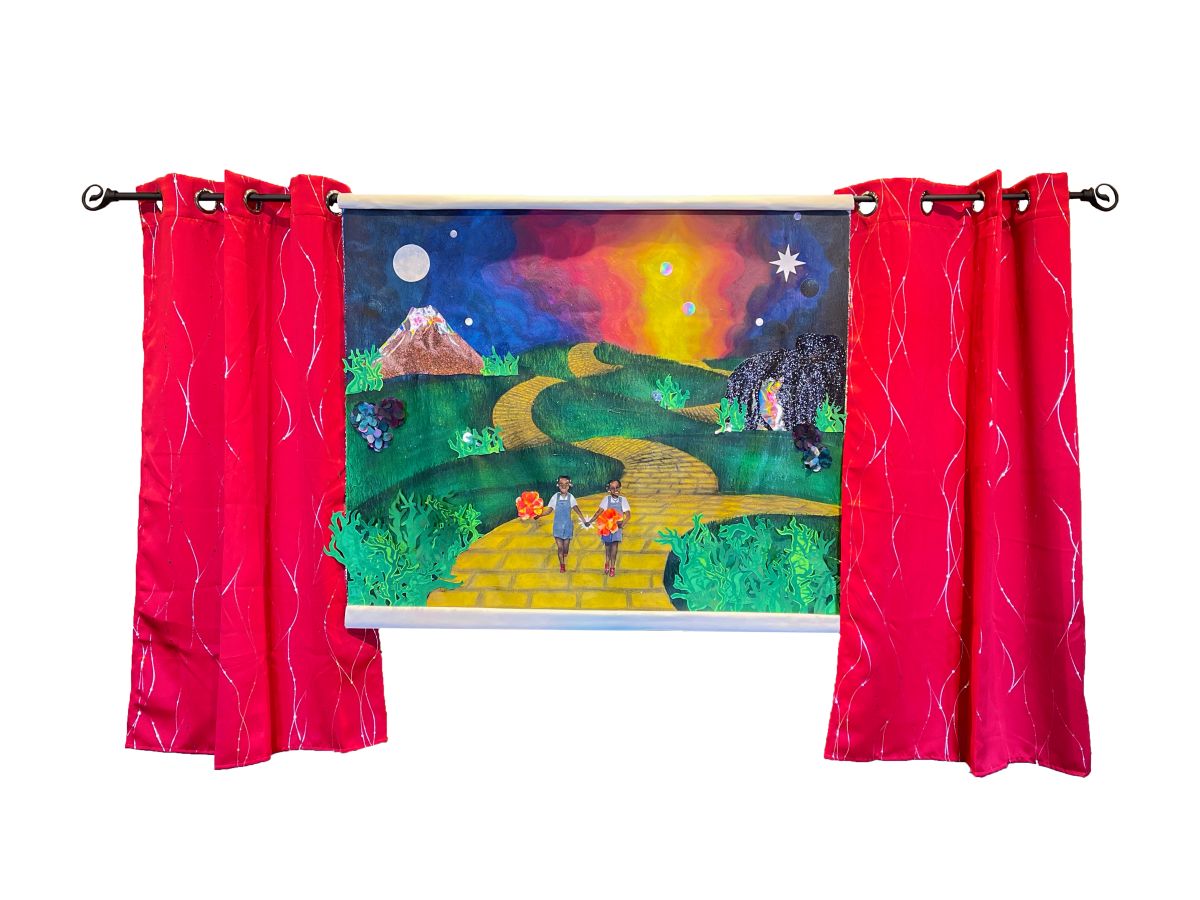
Hope and Faith, Master of Two Worlds (2022). Image courtesy of the artists.

This story is from Issue 18: Wellness, available here.

Related Stories
Ikhide's "Tales From Future Past" is on View through November 22 at CPM

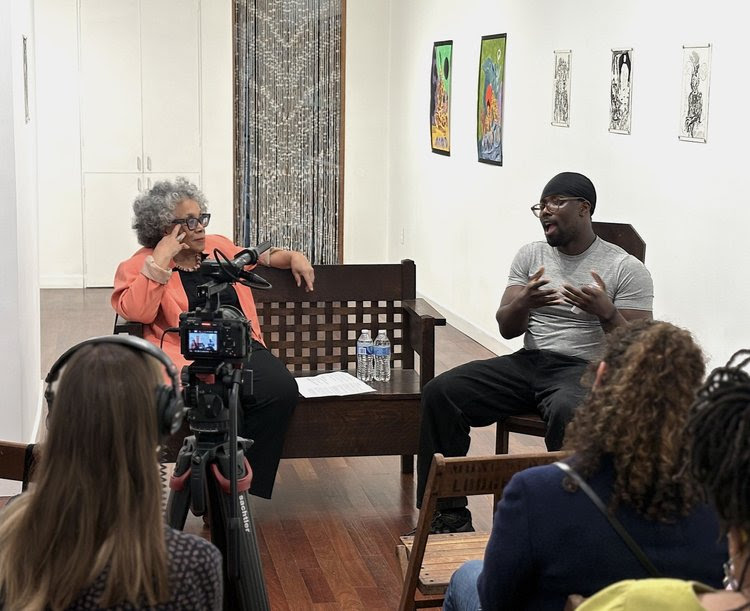
CPM Gallery recently announced that the run of Richard Ayodeji Ikhide's solo exhibition "Tales from Future Past" would be extended to November 22 by appointment. At the opening on September 27, the British-Nigerian artist was interviewed by luminary art historian, curator, and educator Lowery Sims.

In "Pandarayuhan: Home is a Memory" Divinagracia Explores Immigration and Identity at Creative Alliance

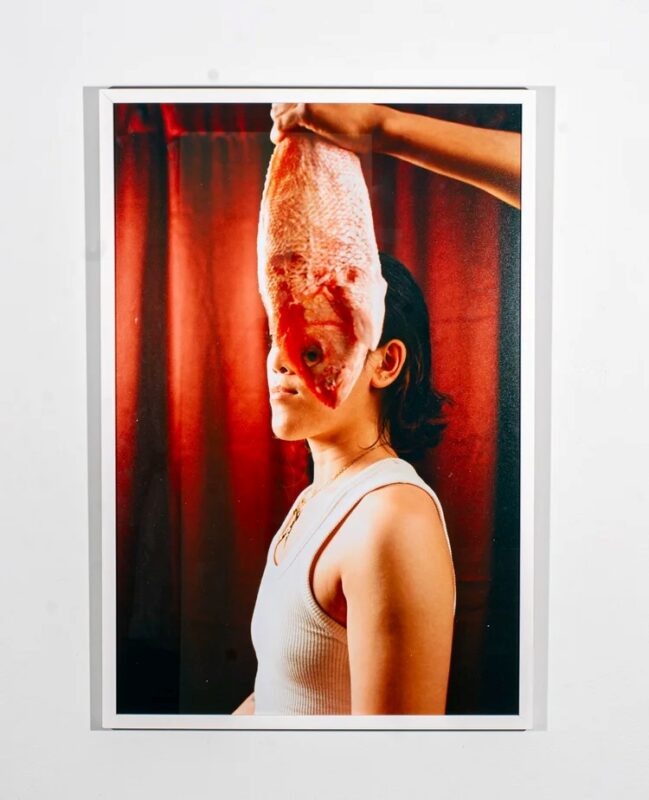
"One of my biggest intentions with this show was to really spotlight Filipino presence in Baltimore and specifically immigrant lives and journeys.”

Baltimore art news updates from independent & regional media

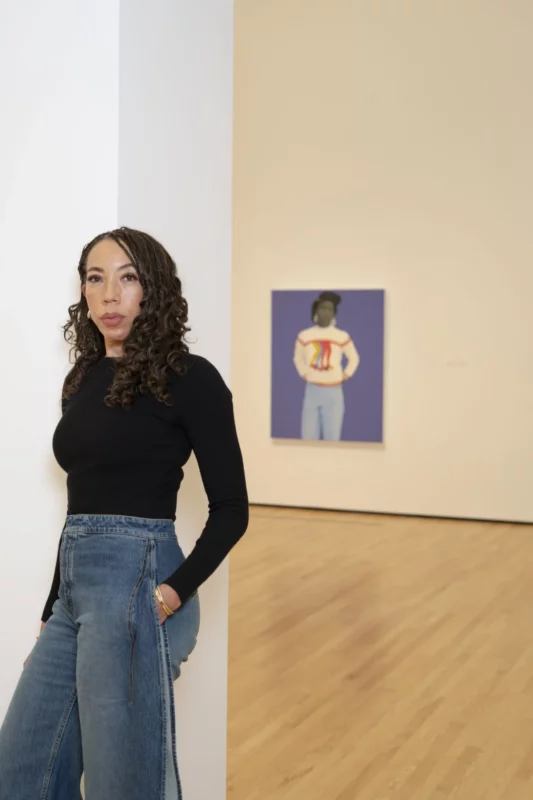
This week's news includes: Amy Sherald shines brightly in Baltimore, Hilton Carter makes his house a home, Inviting Light returns with a Wickerham & Lomax, John Akomfrah moving image + sound installation opens at the BMA, mayorial portraits unveiled at City Hall, Maryland Film Fest is here, and more

Swagger and Style at the BmoreArt Release Party for Issue 20

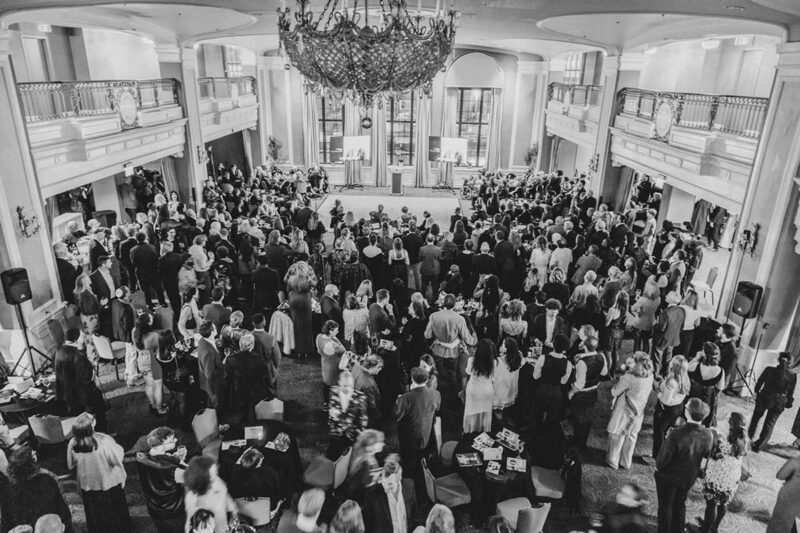
On Saturday, November 1, BmoreArt hosted 400+ guests at the Icons Ball & Benefit at the Lord Baltimore Hotel.